
The year ahead is shaping up to be historic.
From crewed lunar missions and flight tests to the launch of next‑generation Aussie space technologies to the Moon, 2026 is set to be a standout year for space science and exploration.
Below are some other moments of the new year that we feel would spark your space interests, but more will certainly unfold as the year goes by.
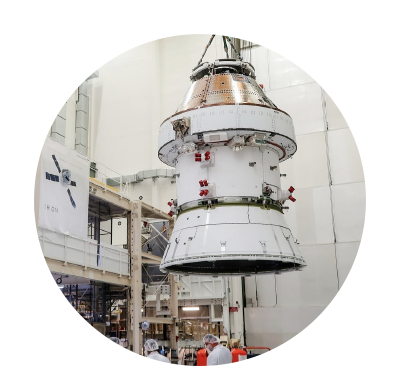
ARTEMIS II
The NASA mission will carry four astronauts around the Moon, marking the first crewed mission beyond low Earth orbit since 1972.
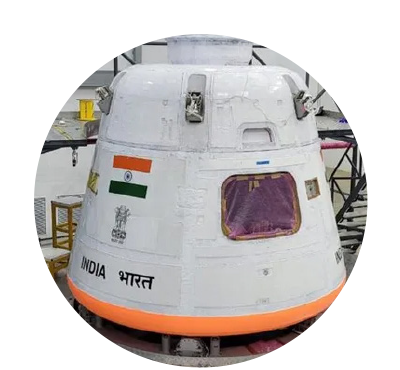
Gaganyaan-1
India’s inspirational Human Spaceflight Program that Australia will support through its leading space tracking expertise.
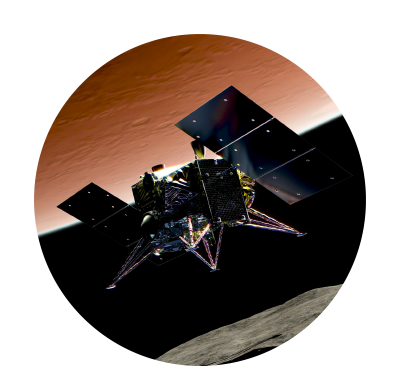
MMX Mission
Japan’s Martian Moons eXploration (MMX) probe will study Mars' small moons Phobos and Deimos, collect a sample of one of them and return it to Earth.
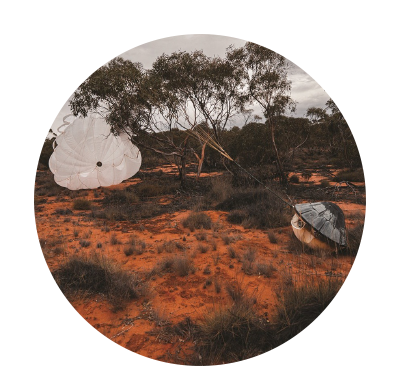
Winnebago returns
Three of Varda’s spacecrafts are expected to land at the Southern Launch operated Koonibba Test Range in South Australia.
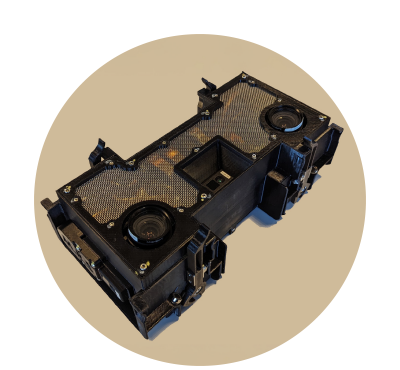
Aussie space science
CSIRO’s payload will return to Earth from the International Space Station after performing 3D scanning experiments since 2024.
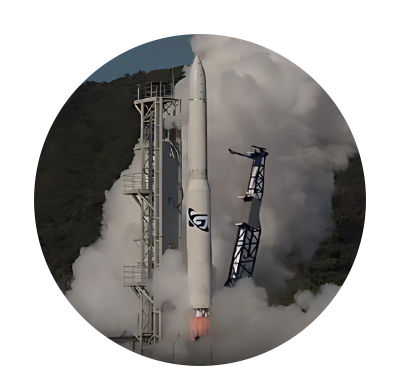
Launching from Australia
The momentum of last year’s launches from Queensland and South Australia are expected to continue into the new year.
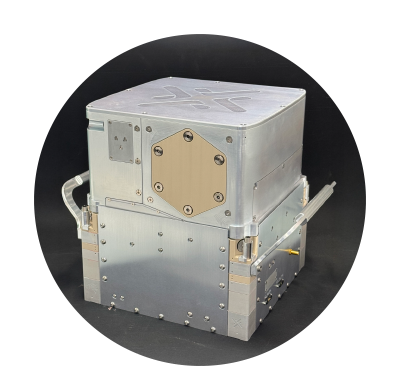
Aussie quantum tech
QuantX Labs will launch their optical atomic clock technology into orbit as part of a SpaceX mission. The Agency supported technology offers a robust alternative to traditional Global Navigation Satellite systems.
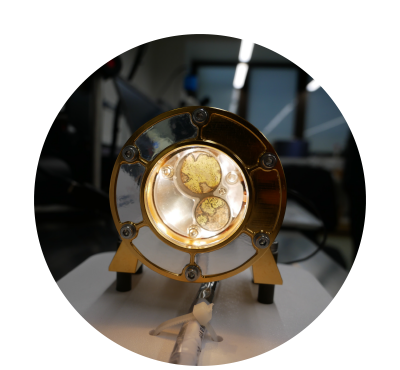
Space sustainability
ALEPH-1 is a biological experiment that is supported by the Agency. Aboard an Intuitive Machines' mission, it will test the survivability and growth of plants in space and on the Moon.
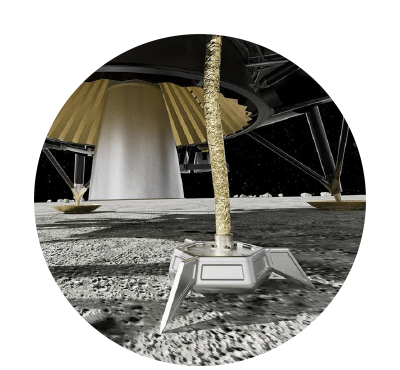
'Seismic' Aussie payload
Firefly’s Blue Ghost Mission 2 will deploy Fleet Space’s SPIDER payload. The Agency supported technology will detect water ice deposits and examine the mineral profile of the lunar subsurface.
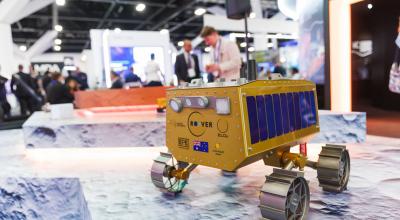
Meet Roo-ver
The Aussie rover going to the Moon will continue to inspire the next STEM and space generation across the country.
More key moments
The Agency will be part of major international events this year, including:
41st Space Symposium in Colorado Springs in the US.
19th Australian Space Forum in Adelaide, South Australia.
77th International Astronautical Congress in Antalya, Türkiye.
32nd Asia-Pacific Regional Space Agency Forum in Bangkok, Thailand.
Space missions to keep an eye out for
2026 is expected to be a stellar year for space exploration efforts such as:
American aerospace company Vast's launch of its Haven-1 private space station.
The Japan Aerospace Exploration Agency's Hayabusa2 Asteroid Flyby that is scheduled to perform a flyby of the near-Earth asteroid 98943 Torifune.
The European Space Agency's PLAnetary Transits and Oscillations of stars (Plato) Mission. It will study terrestrial planets in orbits up to the habitable zone of Sun-like stars, and characterising these stars.
Launch vehicle company Rocket Lab partnering with the Massachusetts Institute of Technology to send the first private mission to Venus to scan for organic molecules, which could be a possible sign of life.

News and media
Your source for the latest news and content from the Australian Space Agency and national space industry.
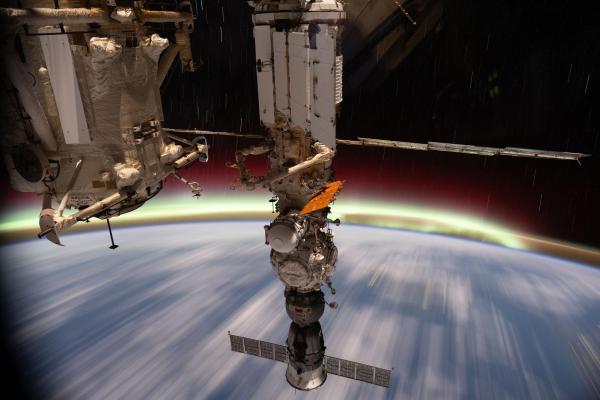
Main image caption: The aurora australis streams above Earth's horizon in this long duration photograph taken from the International Space Station as it orbited 428 kilometers above the Tasman Sea off the coast of Sydney, Australia.
Main image credit: NASA