The past year was filled with major milestones for the Australian Space Agency and the nation's space industry.

Relive the highlights by clicking or tapping the images below. 
Expand A group of people

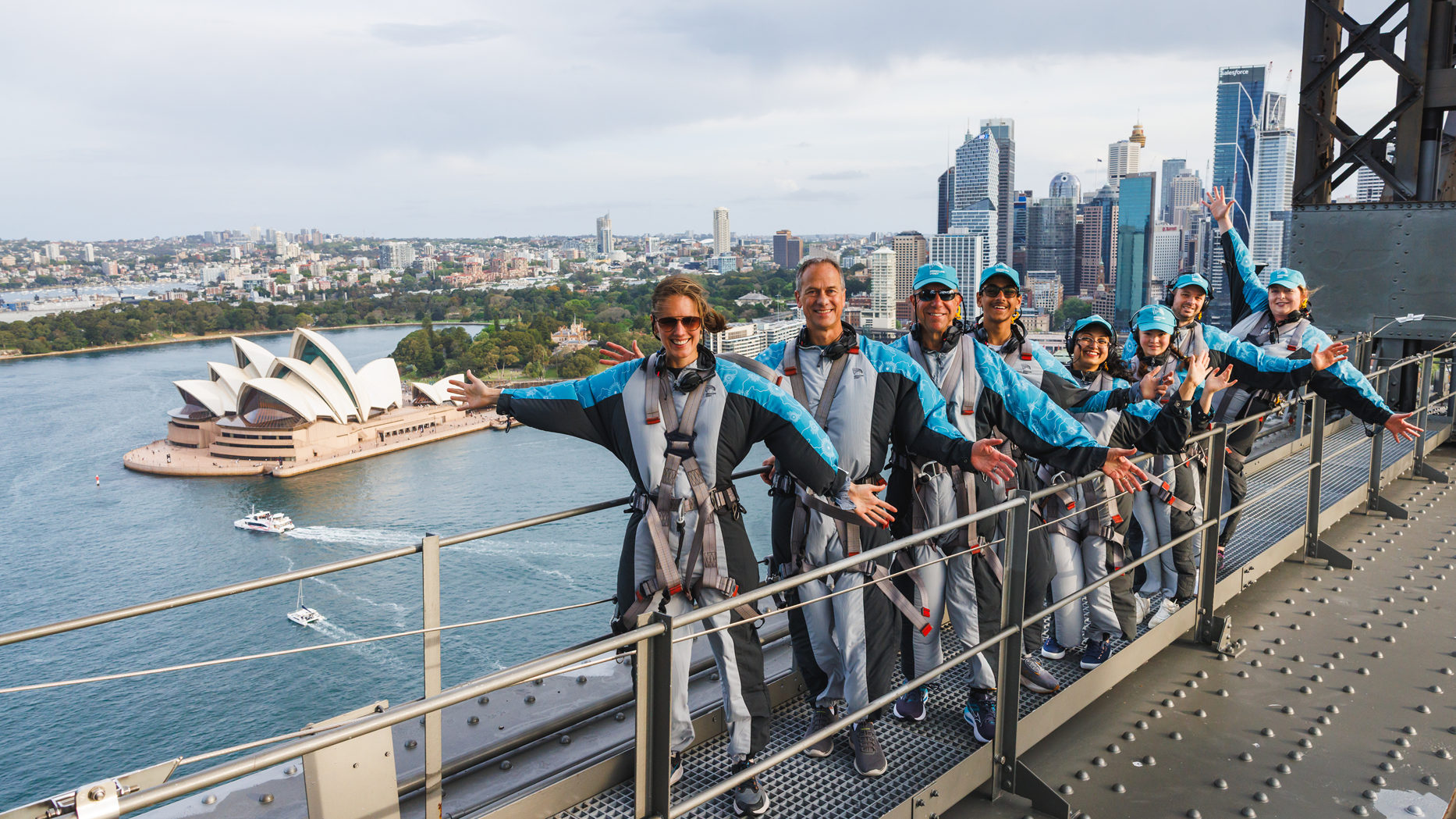
Australia delivered an iconic IAC in Sydney.

The nation held a showstopping space event for the world – from expanding international partnerships to new industry announcements and inspiring the next generation through space.

In this image:

(L-R) Astronauts Katherine Bennell-Pegg, Thomas Henry "Tom" Marshburn, and Timothy Lennart "Tim" Kopra, along with some members of the public. 

Image credit: MCI

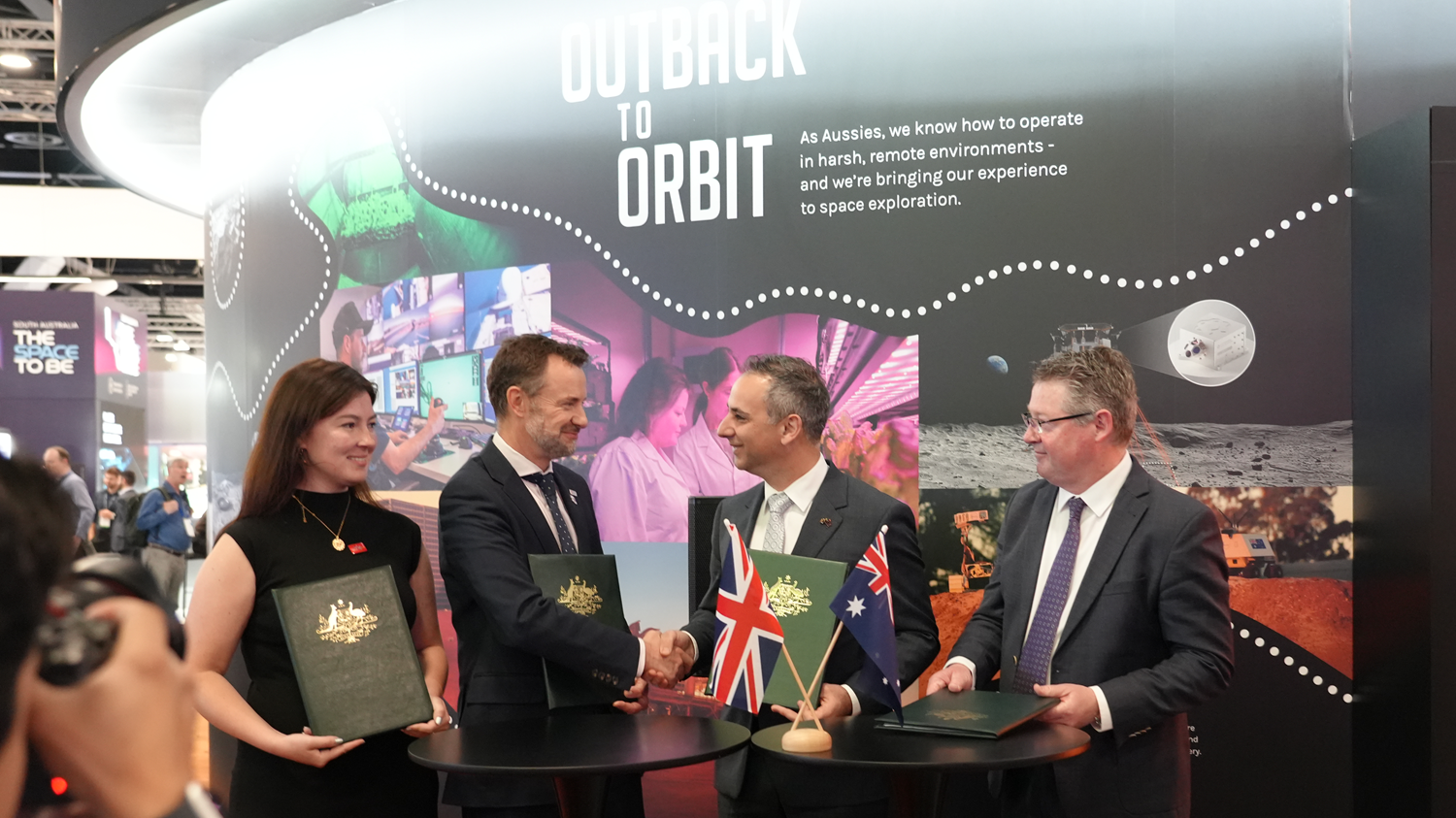
Expand Sean Duffy, NASA's acting administrator and Head of the Australian Space Agency Enrico Palermo signing the landmark US-AU Space Framework Agreement.

A treaty-level Space Framework Agreement between Australia and the United States was signed at the 76th International Astronautical Congress in Sydney.

This agreement will generate new opportunities for government, businesses and researchers to collaborate on joint projects with NASA and other American partners.

In this image:

(L-R) Sean Duffy, NASA's former acting Administrator, and Head of the Australian Space Agency Enrico Palermo at the signing of the landmark US-AU Space Framework Agreement.

Expand UK Space Agency CEO, Dr Paul Bate and Head of the Australian Space Agency, Enrico Palermo

Australia renewed the AU-UK Space Bridge Framework Arrangement with the UK Space Agency and our respective trade agencies at the 76th International Astronautical Congress in Sydney. 

This agreement will reinforce our shared commitment to advancing space science, tech, and innovation between our countries.

This year also marked the four-year anniversary of this partnership, which includes three International Bilateral Fund projects.

In this image:

(L-R) UK Space Agency CEO Dr Paul Bate and Head of the Australian Space Agency Enrico Palermo at the signing of the UK-AU Space Bridge Agreement.

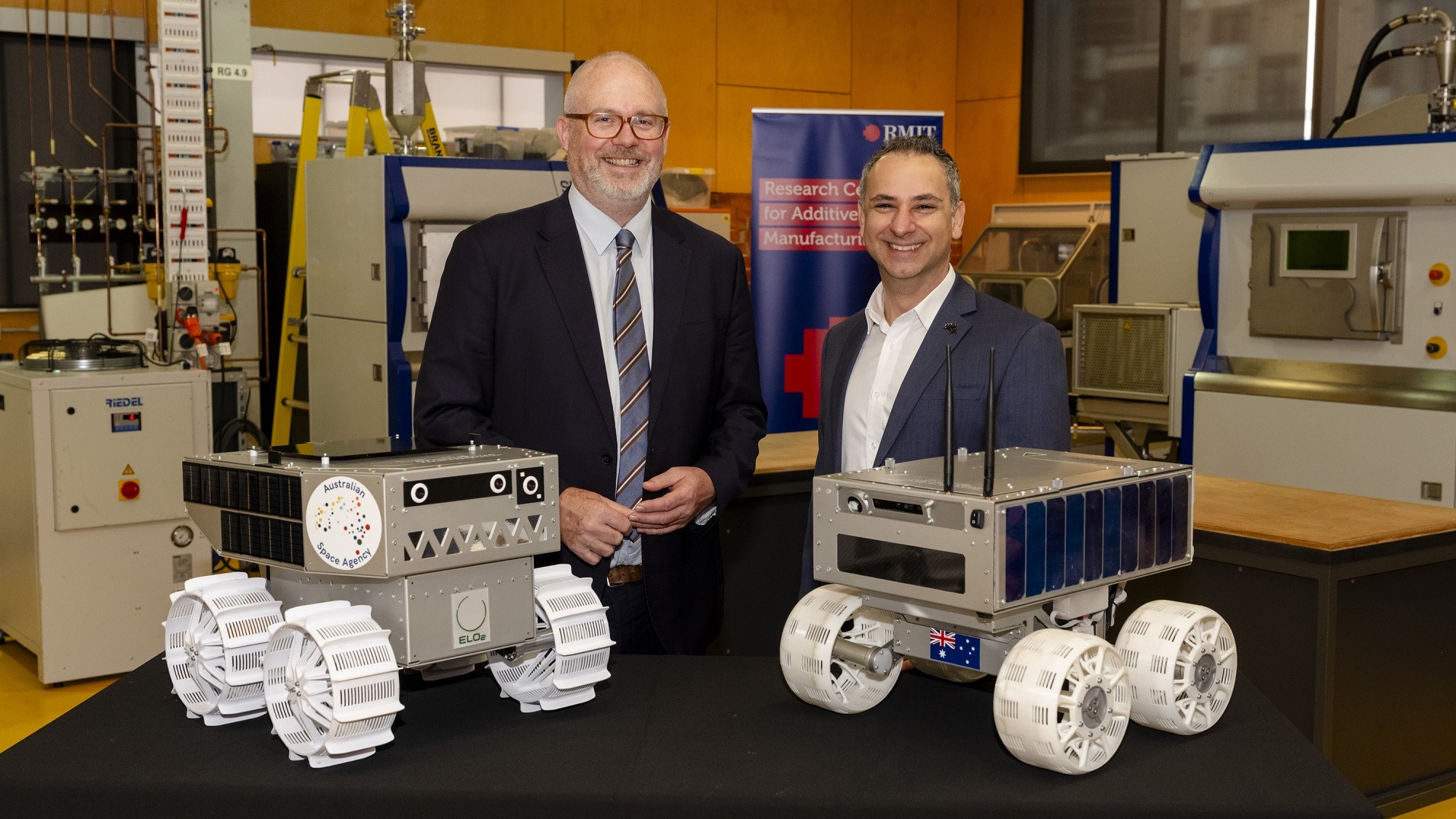
Expand Minister for Industry and Innovation and Minister for Science Tim Ayres along with Head of the Australian Space Agency Enrico Palermo and two prototypes of Australia's lunar rover.

Mission confirmed: Aussie Moon rover ready to roll

Roo-ver will be carried to the lunar surface on CT-4 around the end of this decade. Its journey to the Moon will be delivered through NASA’s Commercial Lunar Payload Services initiative.

In this image:

(L-R) Minister for Industry and Innovation and Minister for Science Tim Ayres along with the Head of the Australian Space Agency Enrico Palermo. They are standing behind two prototypes of the Australian lunar rover.

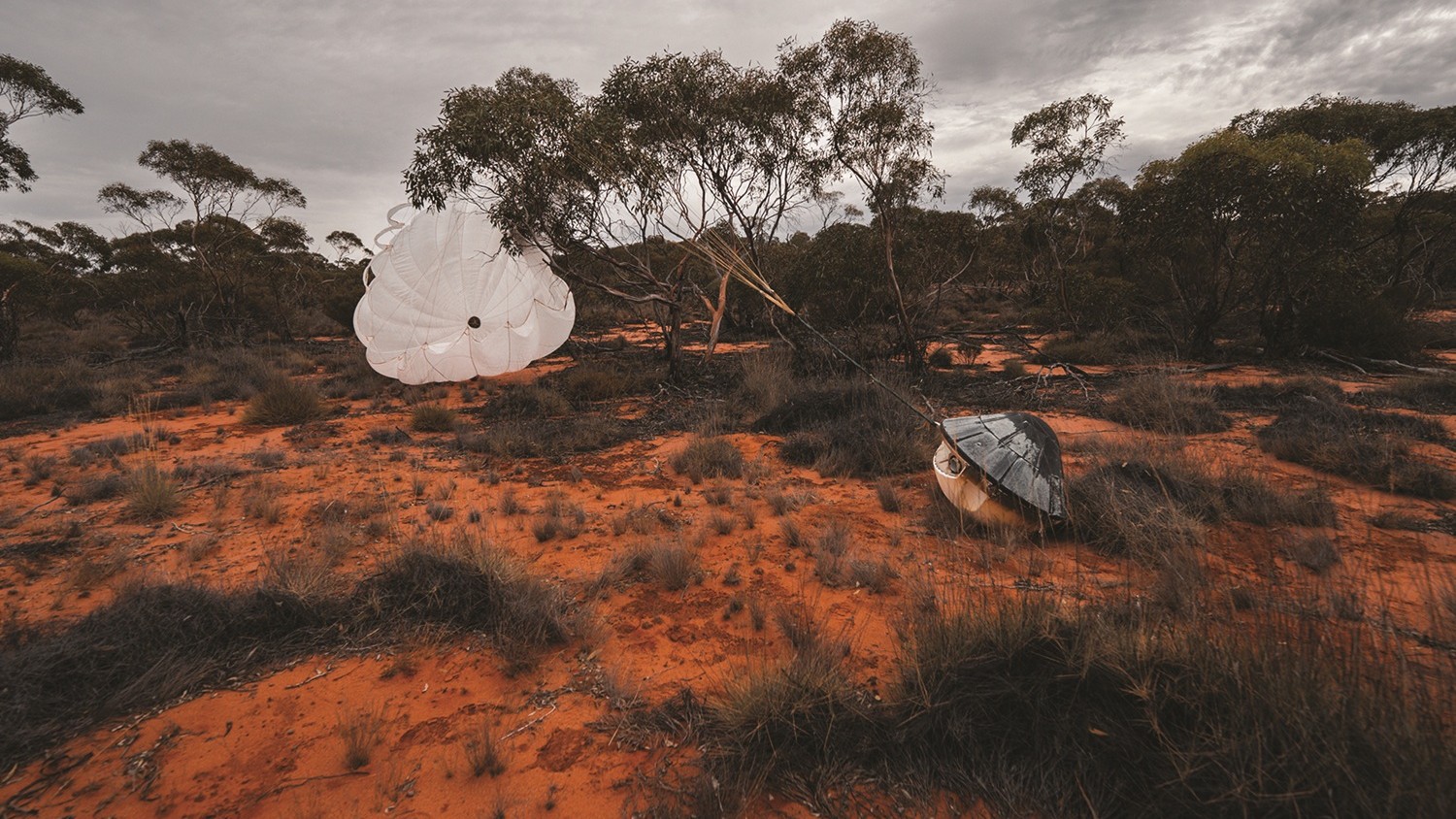
Expand Varda Space Industries has successfully returned its Winnebago-2 (W-2) capsule to Southern Launch’s Koonibba Test Range in South Australia.

World-first historic space return lands in Australia.

In a landmark moment for the Australian space sector, Varda Space Industries successfully returned its Winnebago-2 capsule to Southern Launch’s Koonibba Test Range in South Australia (image above).

A few months later in May, a second capsule, Winnebago-3, also safely landed on Australian soil.

The return missions were part of the authorisation granted by the Australian Government under the amended Space (Launches and Returns) Act 2018.

Also this year: Varda announced a new deal with Southern Launch that will see 20 space returns land at the Koonibba Test Range in South Australia — a huge boost for sovereign capability and regional innovation.

Image credit: Southern Launch

Expand Space technology

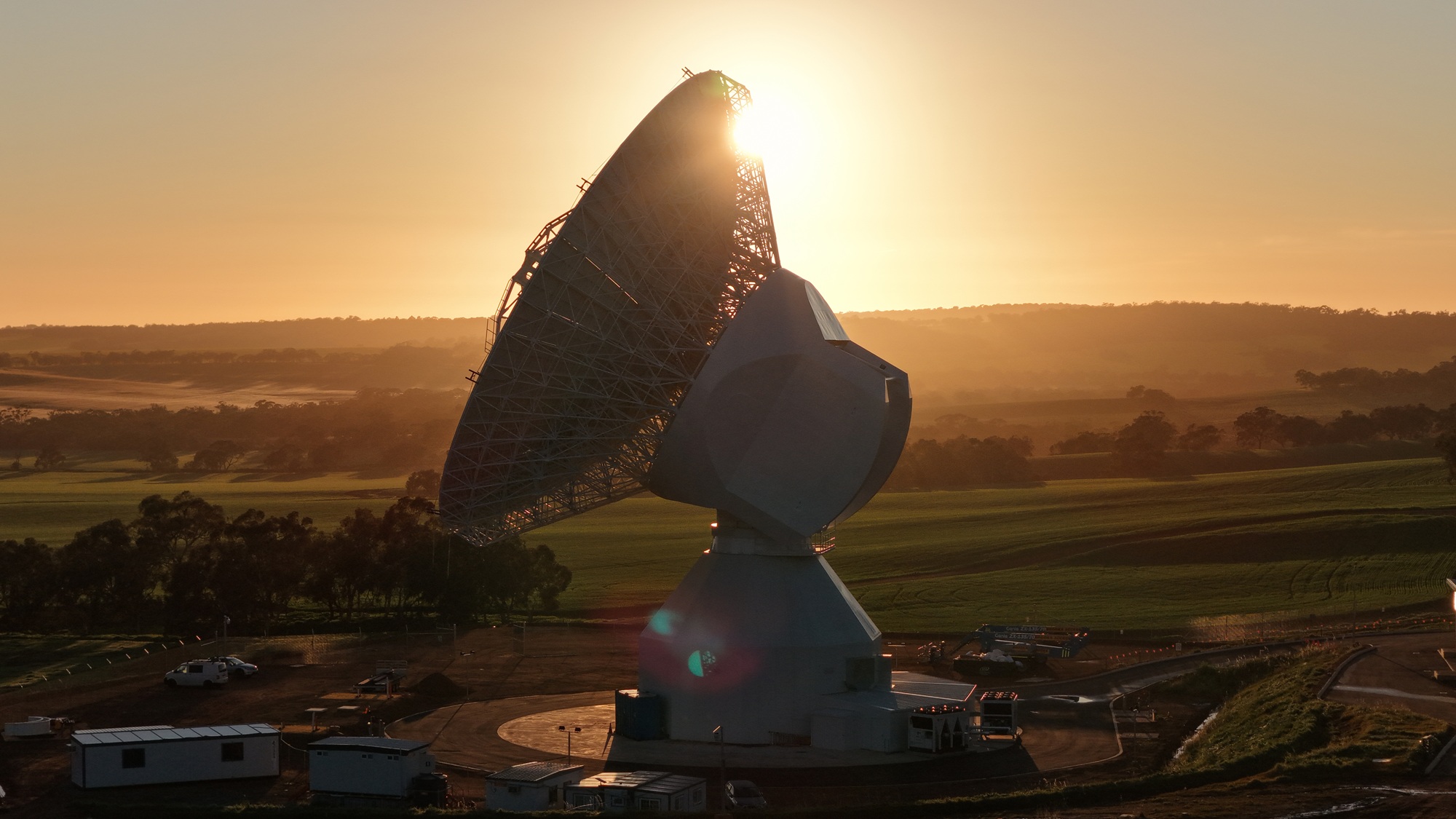
There's a new symbol for Australia and Europe’s space partnership.

The European Space Agency’s (ESA) most advanced deep-space communication technology, New Norcia 3, was inaugurated this year.

Co-funded by Australian Space Agency, this project is part of ESA’s Estrack ground station network that will strengthen Europe’s capabilities to communicate with scientific, exploration, and space safety missions across the Solar System.

Also this year: the Australian Government announced a mandate to begin negotiations on a Cooperative Agreement between the ESA and Australia. 

The Agreement will establish a formal mechanism for new and exciting opportunities between Europe and Australia’s space sectors.  

Image credit: ESA

Expand EristTestFlight 1

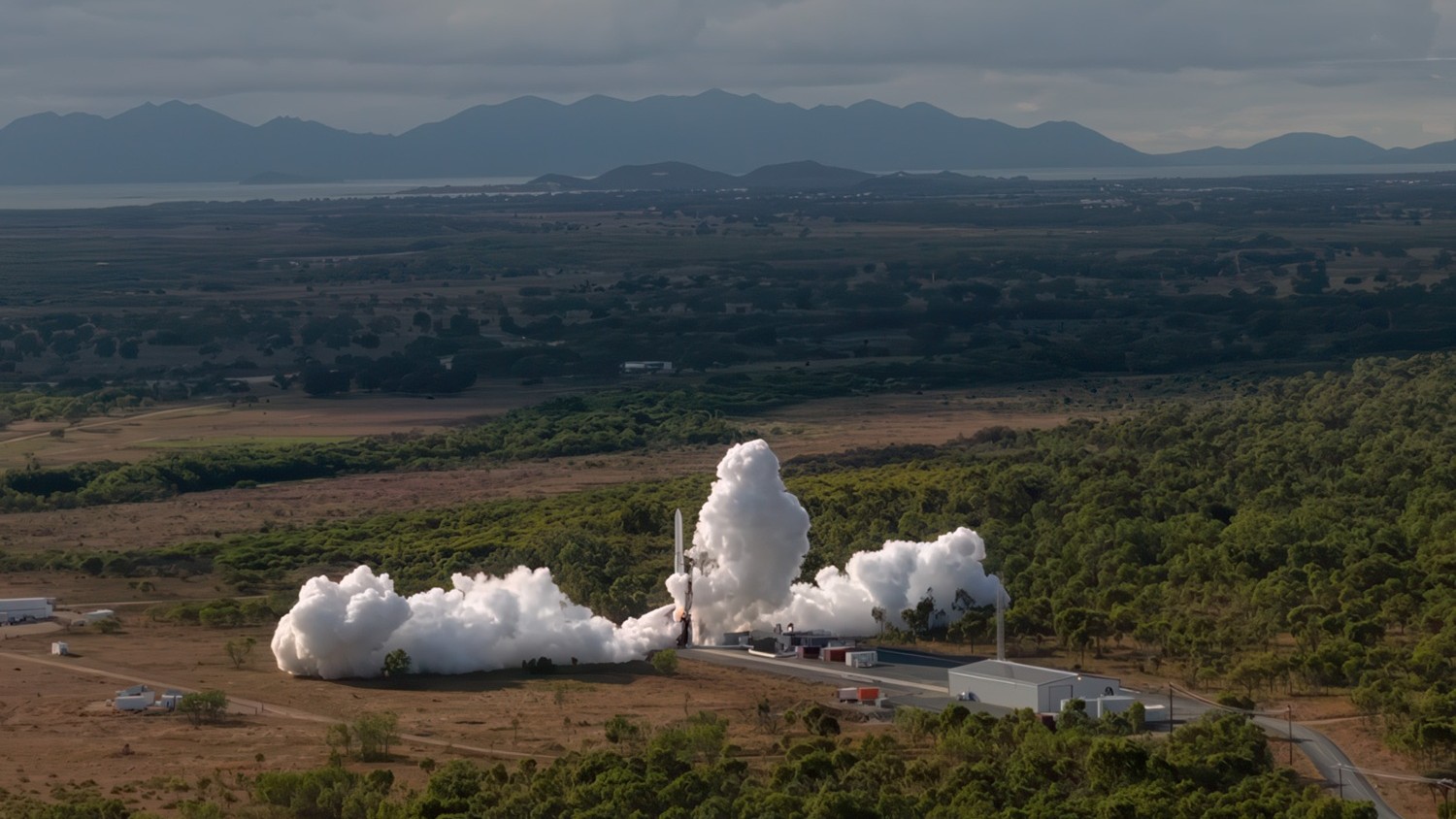
Gilmour Space Technologies attempted the first launch of an Australian made rocket into orbit from Australian soil.

This was a milestone moment for the nation’s space industry.

In this image:

The Eris Test Flight 1 at Gilmour’s Bowen Orbital Spaceport at Abbot Point in North Queensland.

Image credit: Gilmour Space Technologies.

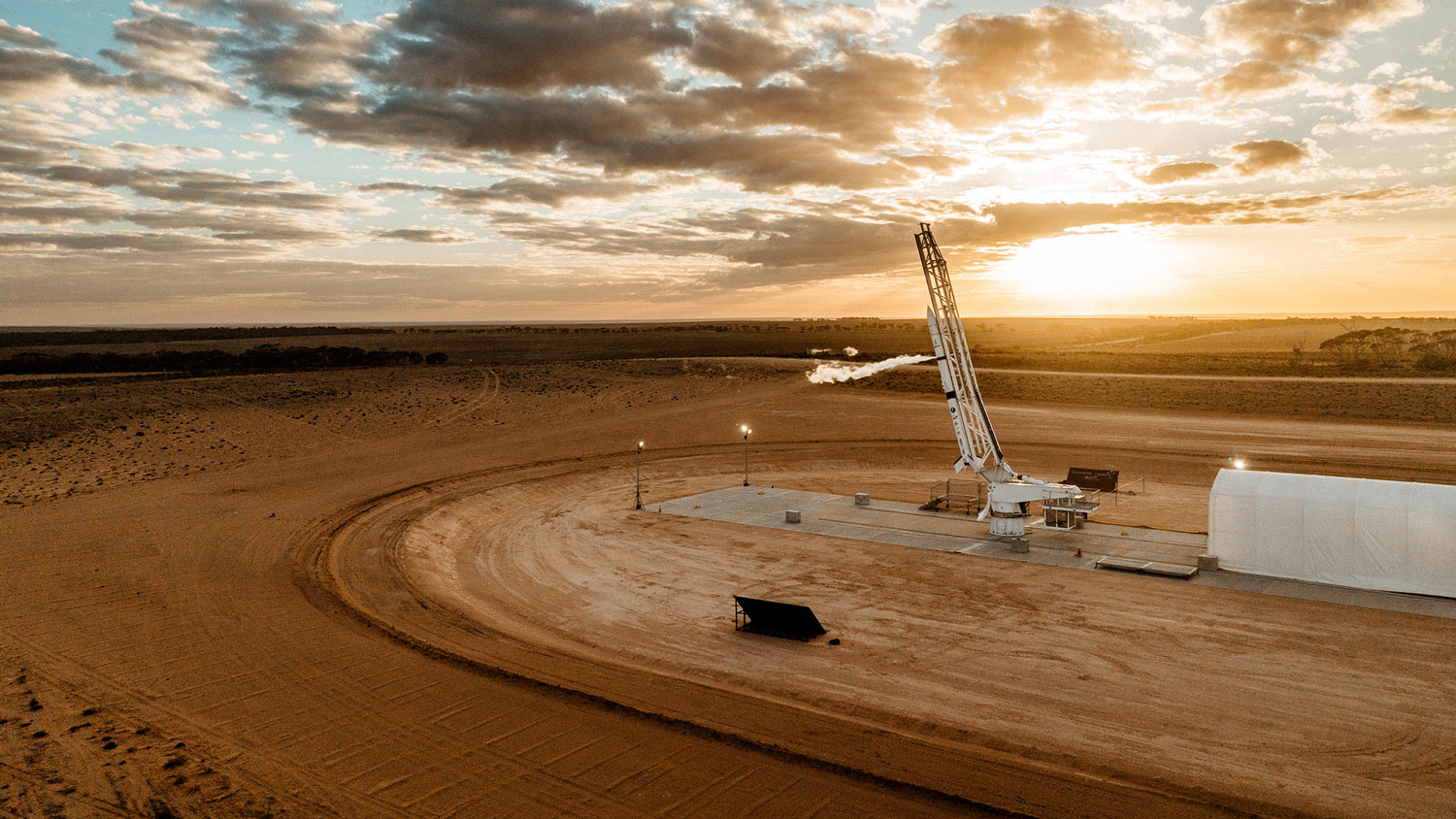
Expand launchsite

New reforms to improve efficiency without impacting safety.

The second round of regulatory reforms to Australia’s space activities legislation has now come into effect following a consultation which took place in 2024. This builds on Stage 1 amendments that came into effect on 17 August 2023. 

The amendments, led by the Australian Space Agency, will better achieve the objectives of the Space (Launches and Returns) Act 2018 primarily by streamlining the regulatory framework. 

Image credit: Southern Launch.

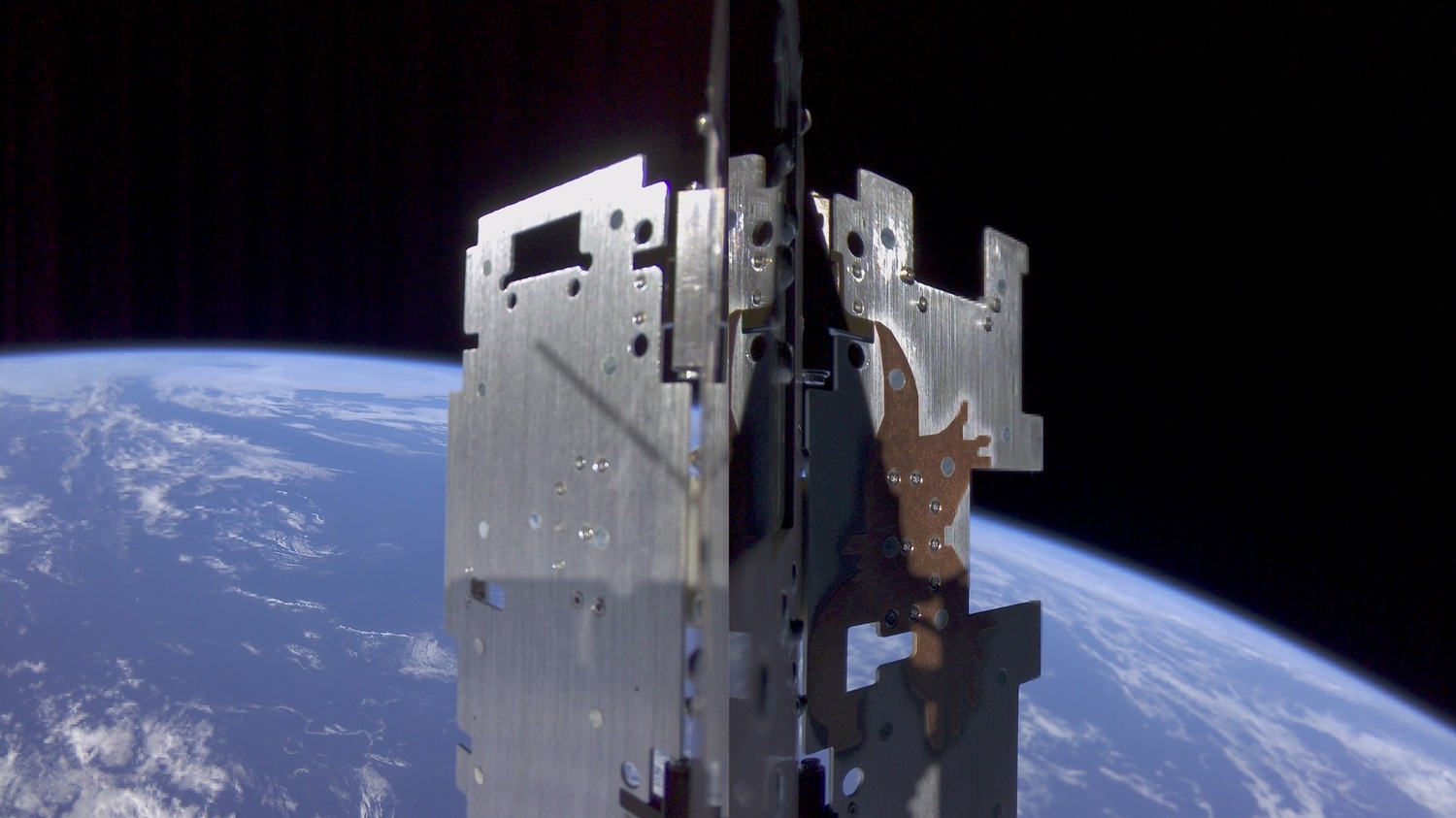
Expand SpIRIT’s radiators after deployment, flying high over the Indian Ocean.   The “Eagle”, a copper structure on the right radiator can be seen, which is designed to help dissipate heat from SpIRIT’s thermal management system.

SpIRIT, the Australian Space Agency funded nanosatellite, completed its first phase of its mission.

The Space Industry Responsive Intelligent Thermal satellite (SpIRIT) — is a ground-breaking spacecraft that was designed and built in Australia and showcases a suite of homegrown novel technologies. 

The cutting-edge technology has been supported by Australian Space Agency with almost $7 million in grants, including being backed by the Agency's Moon to Mars Demonstrator Mission Grants program.

Also this year: SpIRIT marked its two years since it launched into orbit.

In this image:

SpIRIT’s radiators after deployment, flying high over the Indian Ocean. 

The “Eagle”, a copper structure on the right radiator can be seen, which is designed to help dissipate heat from SpIRIT’s thermal management system. 

Image credit: University of Melbourne

Expand Australian astronaut Katherine Bennell-Pegg at an event

Our astronaut Katherine Bennell-Pegg has been named South Australia's 2026 Australian of the Year.

Since completing her astronaut training in Europe, Katherine has championed space and STEM across the country through captivating presentations and talks to thousands of school students and the public. 

Katherine has sparked curiosity, inspired more young people to pursue STEM, and opened minds to the possibilities and value of space.

Image credit: NADC/Salty Dingo

Expand Emu in the sky

First-of-its-kind space themed radio series launched as part of a partnership between the Australian Space Agency and the Top End Aboriginal Bush Broadcasting Association. 

The 10-episode series promoted Australia’s role in space.

In this image:

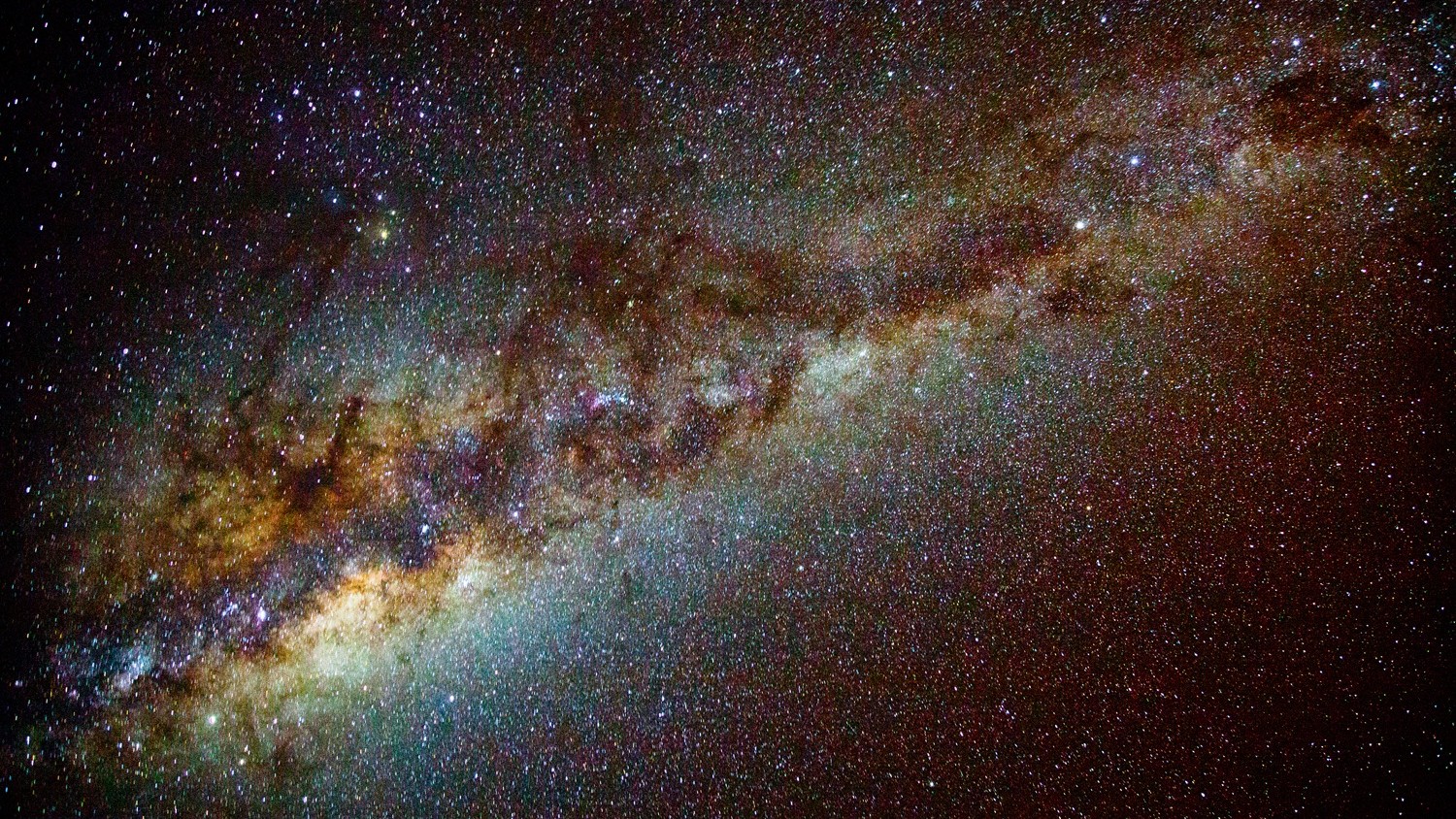
The Emu in the Sky, a well-known Aboriginal Astronomical constellation that's outlined by dark areas of the night sky, not the stars.

Expand A group of people

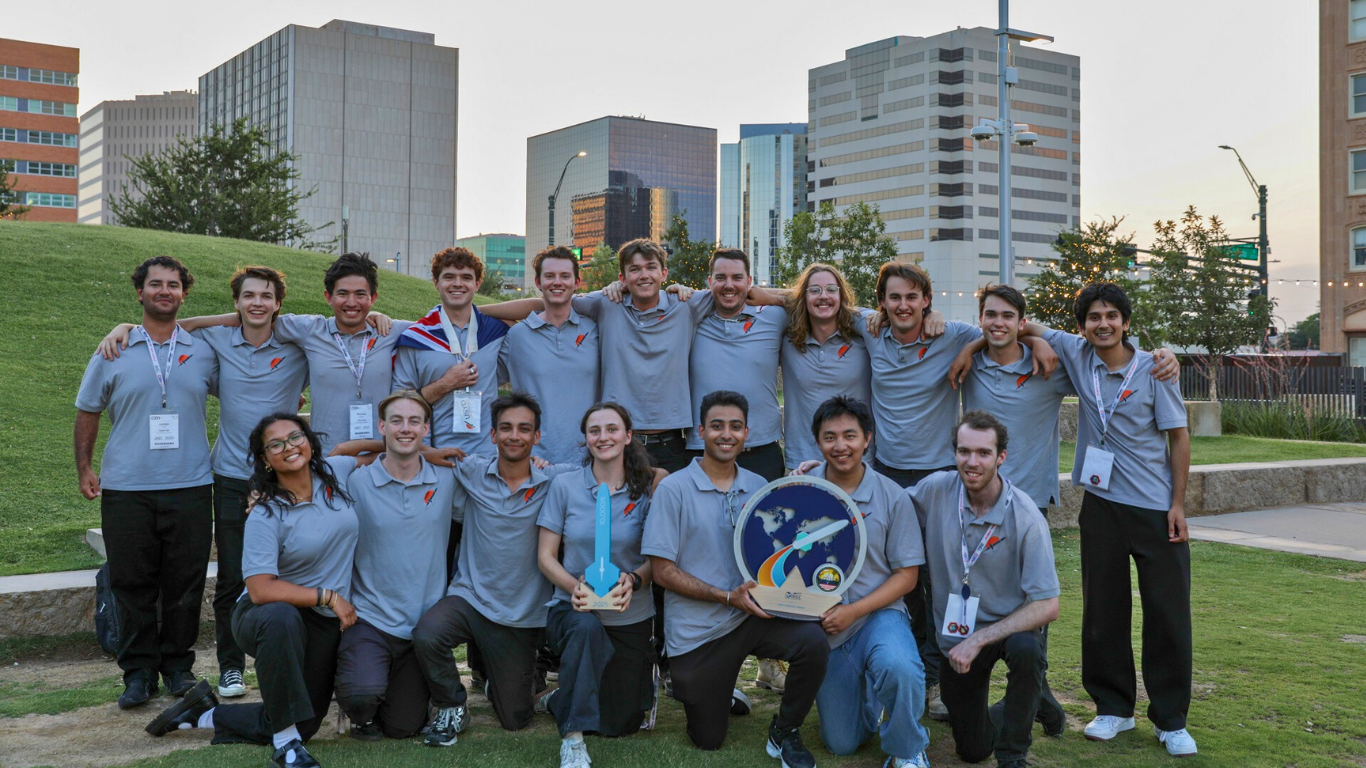
University of Sydney's rocketry team won a global competition.

The team battled blistering heat and sudden windstorms to triumph over 156 other student rocketry teams from across 19 countries.

Expand The Australian Defence Science and Technology Group’s Buccaneer Main Mission photo of Earth from space

Defence nanosatellite launched into orbit

The Australian Defence Science and Technology Group’s Buccaneer Main Mission lifted off from the US in March. 

The mission is Defence’s second Buccaneer project. Its primary objective is to collect high-frequency measurements in low-Earth orbit to better understand radio-frequency propagation through the ionosphere. 

In this image:

Buccaneer Main Mission over the South Australian coastline and the Great Australian Bight.

Image credit:

Department of Defence

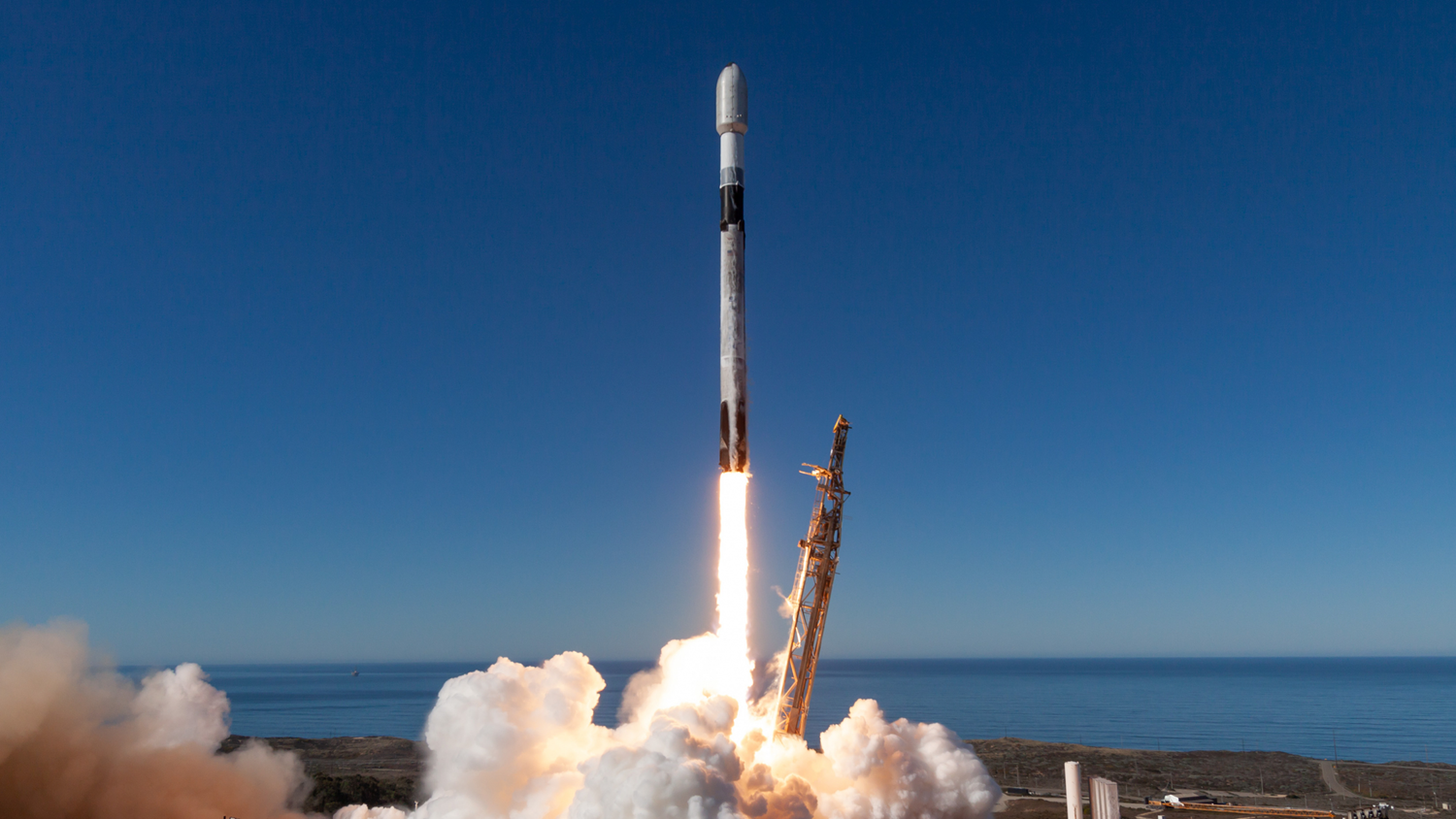
Expand SpaceX launched the Transporter-12 rideshare mission from launch complex SLC-4E at Vandenberg Space Force Base

SpaceX's Transporter-12 mission carried six Aussie payloads into orbit.

The Australian technologies onboard the mission were:

  • Two Centauri satellites from Fleet Space Technologies.

  • One Holmes-007 non-Earth imaging camera from HEO.

  • The latest version of the Neumann Drive® thruster.

  • Two LEMUR 3 satellites developed in collaboration with Myriota.

In this image:

SpaceX's Transporter-12 mission being launched from Vandenberg Space Force Base in California, United States. 

Image credit: SpaceX

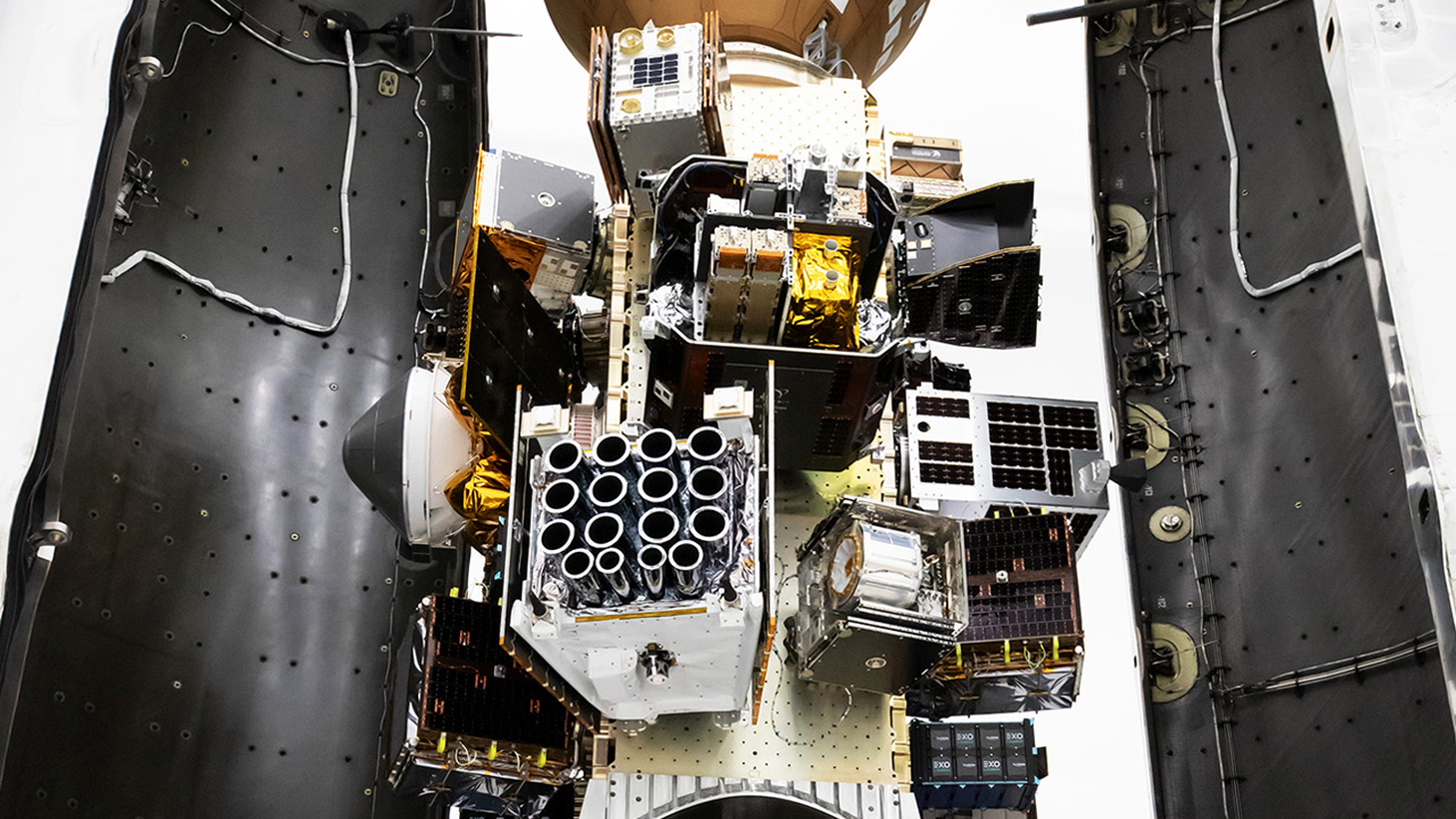
Expand A peek inside Transporter-14 ahead of launch. Image credit: SpaceX

SpaceX's Tranporter-14 mission carried four Aussie payloads into orbit.

The Australian technologies onboard the mission were:

  • CubeSat Propulsion Systems | Valiant Space
  • Multi Mission Satellite 1 | Gilmour Space Technologies
  • RASCube-1 | Robinson Aerospace
  • Lyra 3 | Echostar Global

In this image:

The technologies inside SpaceX's Transporter-14 mission. 

Image credit: SpaceX

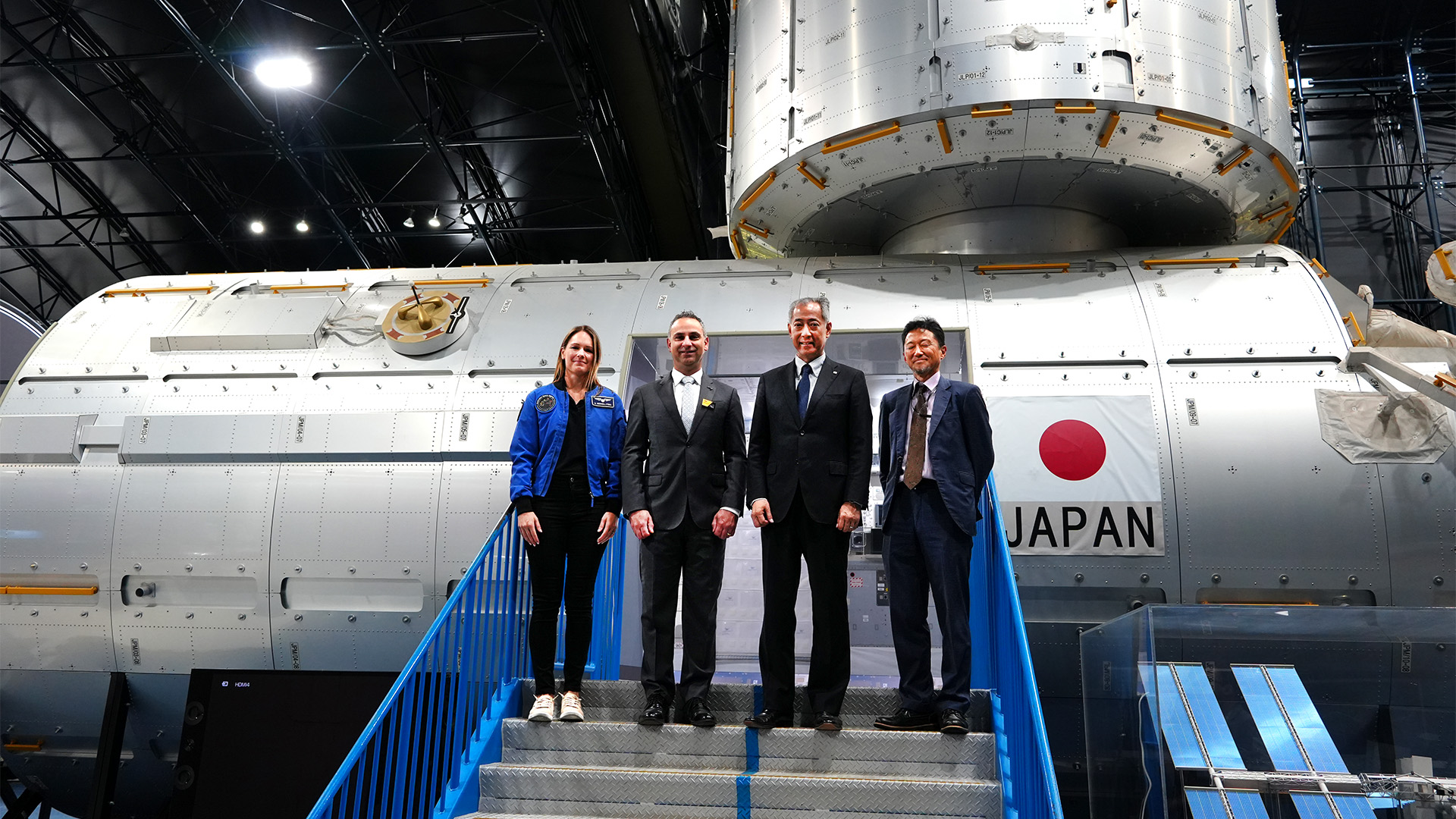
Expand a group of people

The Australian Space Agency visited Japan and advanced its space partnership.

Through a series of engagements, an Agency-led delegation promoted the Australia's space sector and deepened space cooperation with Japan.

Australia also participated at World Expo 2025 in Osaka, which attracted more than 28 million visitors. The Government’s custom-built pavilion gave thousands of visitors an immersive Australian experience. 

Expand This year’s 31st Asia-Pacific Regional Space Agency Forum (APRSAF-31) was held in the city of Cebu. It was represented by Space agencies, leaders, and organisations from over 40 countries across the region.

Australia strengthens regional partnerships at APRSAF-31.

Space agencies, leaders, and organisations from over 40 countries across the region, including the Australian Space Agency, came together to unlock stronger collaboration across the Asia Pacific under the theme, “Empowering the region through space ecosystems in action.”

Australia co-hosted the previous edition of APRSAF in Perth in November 2024.

Image caption: 

Philippine President Bongbong Marcos Jr along with some of the participating space leaders, including Enrico Palermo, Head of the Australian Space Agency, at APRSAF-31. 

Image credit: Intercontinental Broadcasting Corporation.

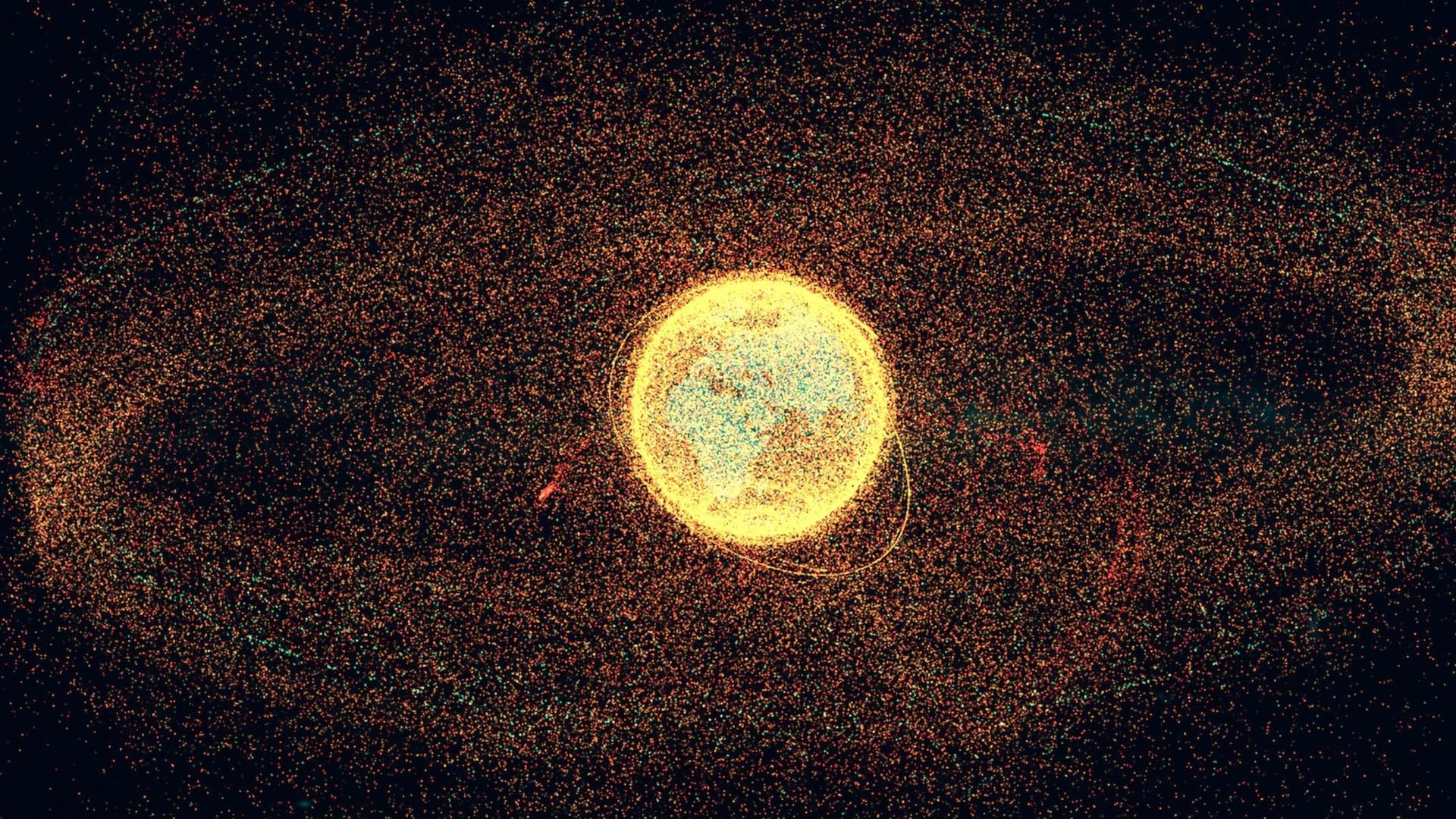
Expand illustration of space debris. Credit European Space Agency

The Australian Space Agency joins global forum to make space environment safer.

It became the newest Associate Member of the Inter-Agency Space Debris Coordination Committee.

This is a global governmental forum that focuses on topics ranging from developing new approaches to shield spacecraft from debris impacts to forecasting the evolution of space debris environment. 

In this image:

The colour-coded representation of debris in the image shows the number of objects of various sizes as well as active satellites that are modelled to be circling Earth in August 2024.

Image credit:

ESA

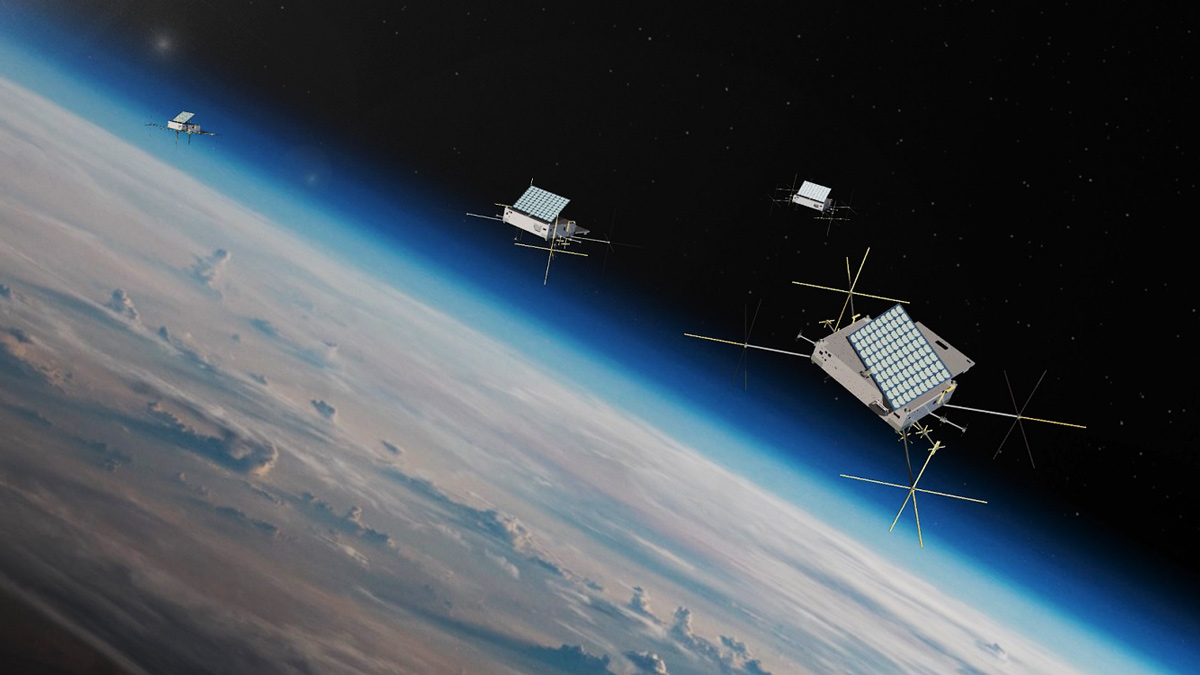
Expand  Illustration of Skykraft satellites in formation

Skykraft launched five more satellites.

This space activity brings Skykraft closer to its objective to deploy a space-enabled Air Traffic Management constellation

This network will be used to deliver a global air traffic management service that could provide constant real-time communications between air traffic controllers and pilots.

In this image:

An illustration of Skykraft satellites in formation. 

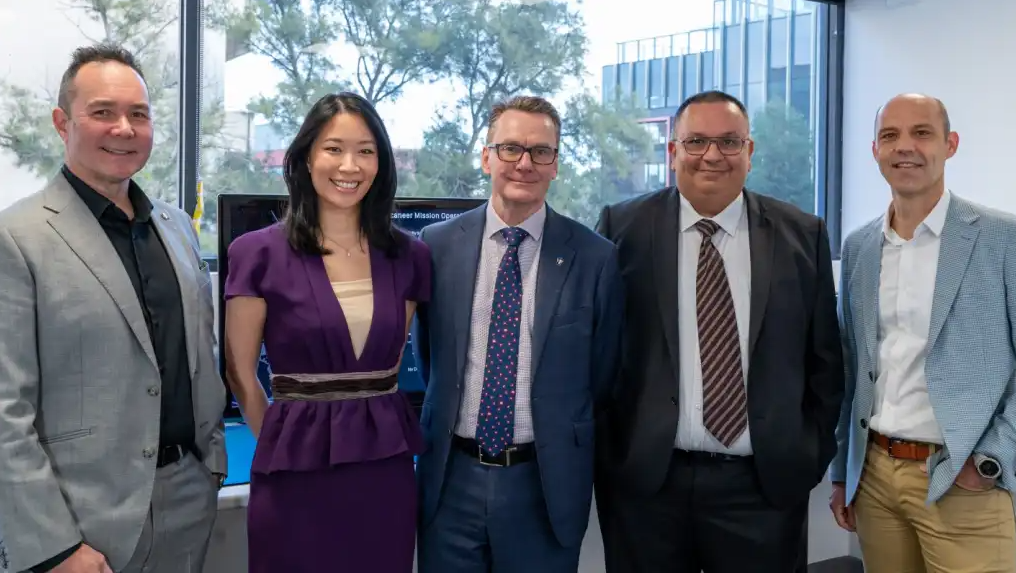
Expand Project Swift team

Consortium to build Aussie-made LEO satellite.

A new public, private, and academic partnership is primed to amplify Australia's space communications and observation capabilities. 

The consortium, led by telecom provider Optus, comprises of four Australian space sector organisations — iLAuNCH Trailblazer, HEO, Inovor Technologies and the Defence Science and Technology Group.

In this image:

(L-R) Darin Lovett (iLAuNCH TrailBlazer), Joann Yap (HEO), Nick Leake (Optus), Suneel S. Randhawa (Defence Science and Technology Group), Matthew Tetlow (Inovor Technologies). 

Image credit: Optus

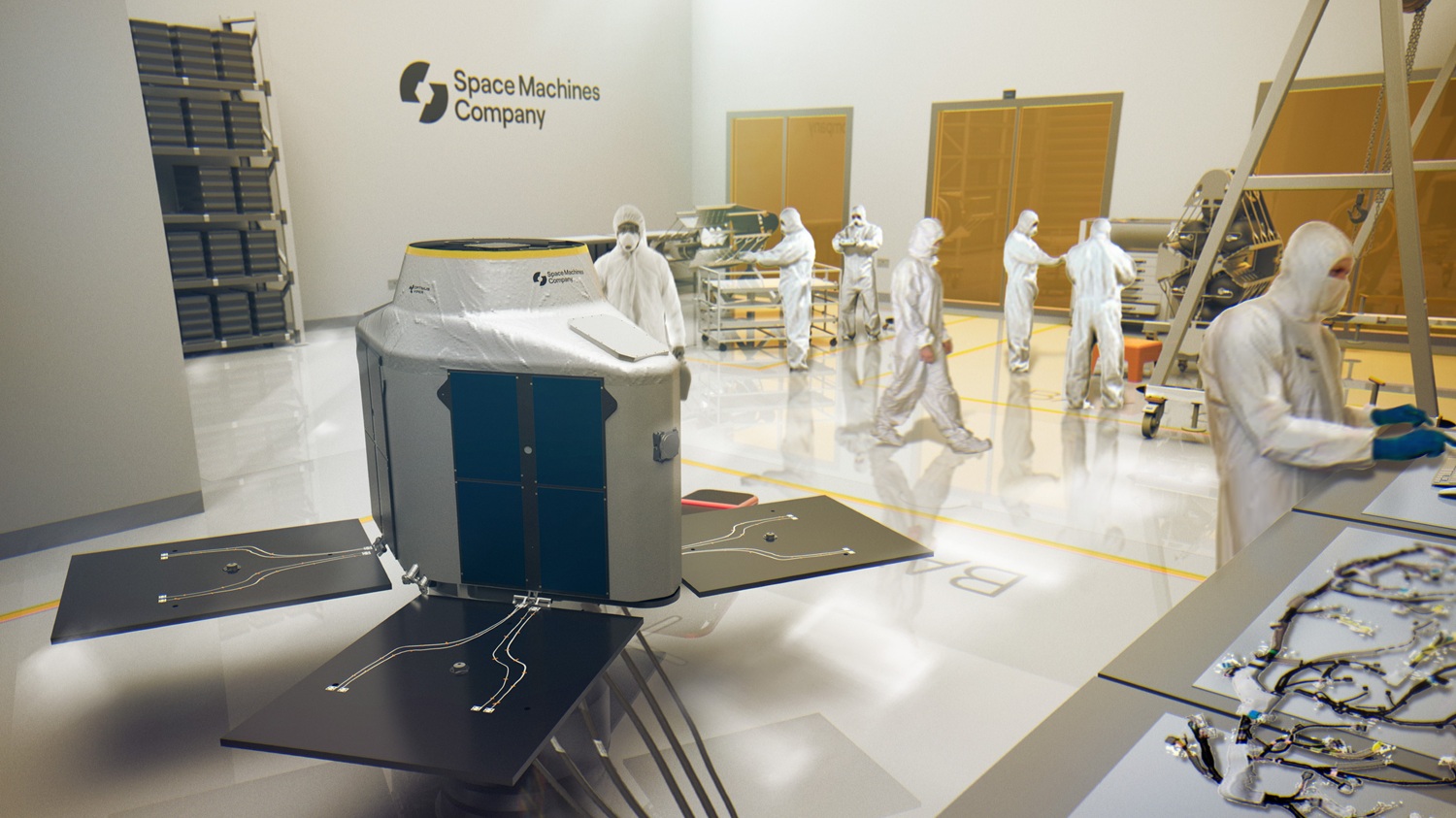
Expand An illustration of a group of people in a lab

Australia's largest spacecraft manufacturing facility.

Space Machines Company and the University of Technology Sydney (UTS) announced an agreement to create an Optimus Factory, a cutting-edge facility that could produce up to 20 spacecrafts a year in Australia.

Located at UTS Tech Lab in Sydney, the 800-square meter facility is envisioned to create critical capabilities that will enable the sector to design, assemble and test 300-kilogram class spacecrafts at scale.

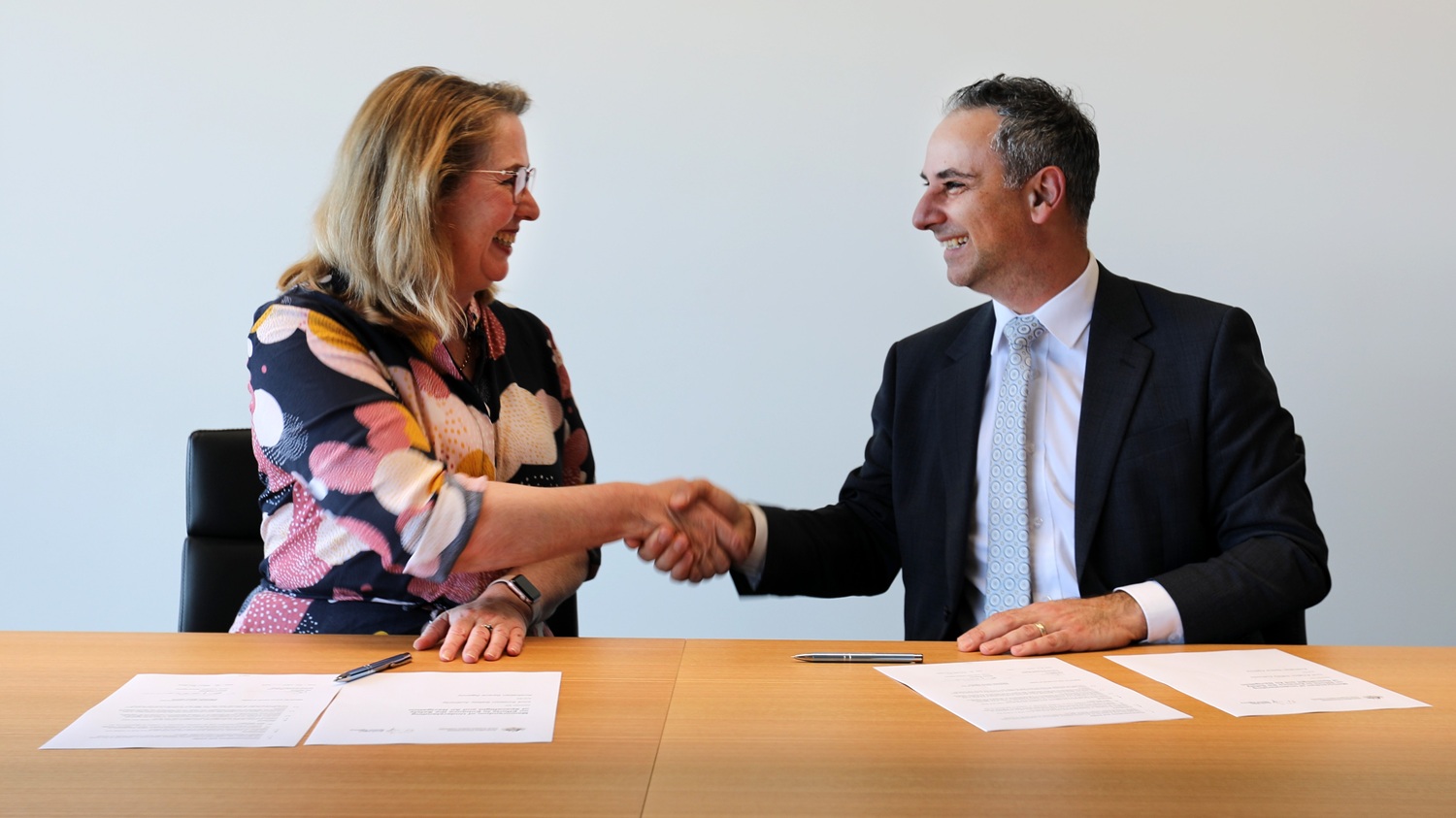
Expand Pip Spence, Chief Executive Officer and Director of Aviation Safety at CASA along with Head of the Australian Space Agency Enrico Palermo

The Australian Space Agency and the Civil Aviation Safety Authority (CASA) formalise its cooperation

They have signed a Memorandum of Understanding (MoU) to support efforts to enhance safety of spaceflight and air navigation.

This agreement formalises cooperation between the Agency and CASA to improve the intersection between space regulation and aviation regulation. 

The MoU establishes a framework for stronger regulatory cooperation and improved information sharing, and will build confidence for the benefit of Australia’s aviation and space industries.

In this image:

(L-R) Pip Spence, Chief Executive Officer and Director of Aviation Safety at CASA along with Head of the Australian Space Agency Enrico Palermo.

Image credit: CASA

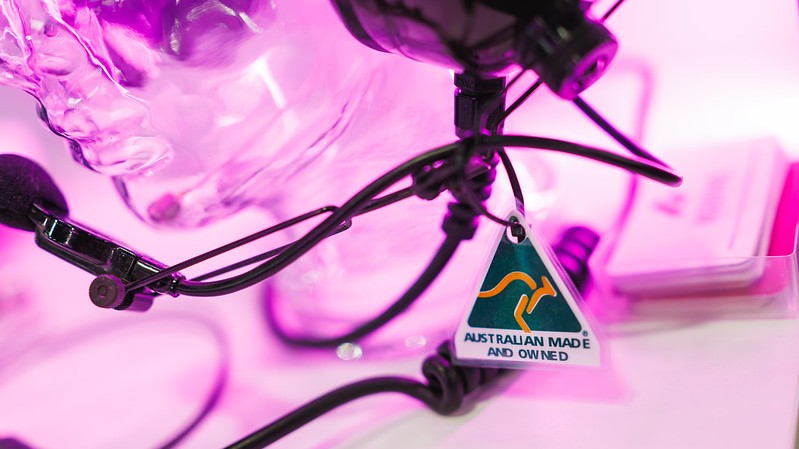
Expand Space technology with a made in Australia sticker

New recommendations to boost Australia’s global space opportunities.

By aligning with the European Cooperation for Space Standardization initiative, Australia is positioning its space sector for stronger international collaborations, while fostering innovation.

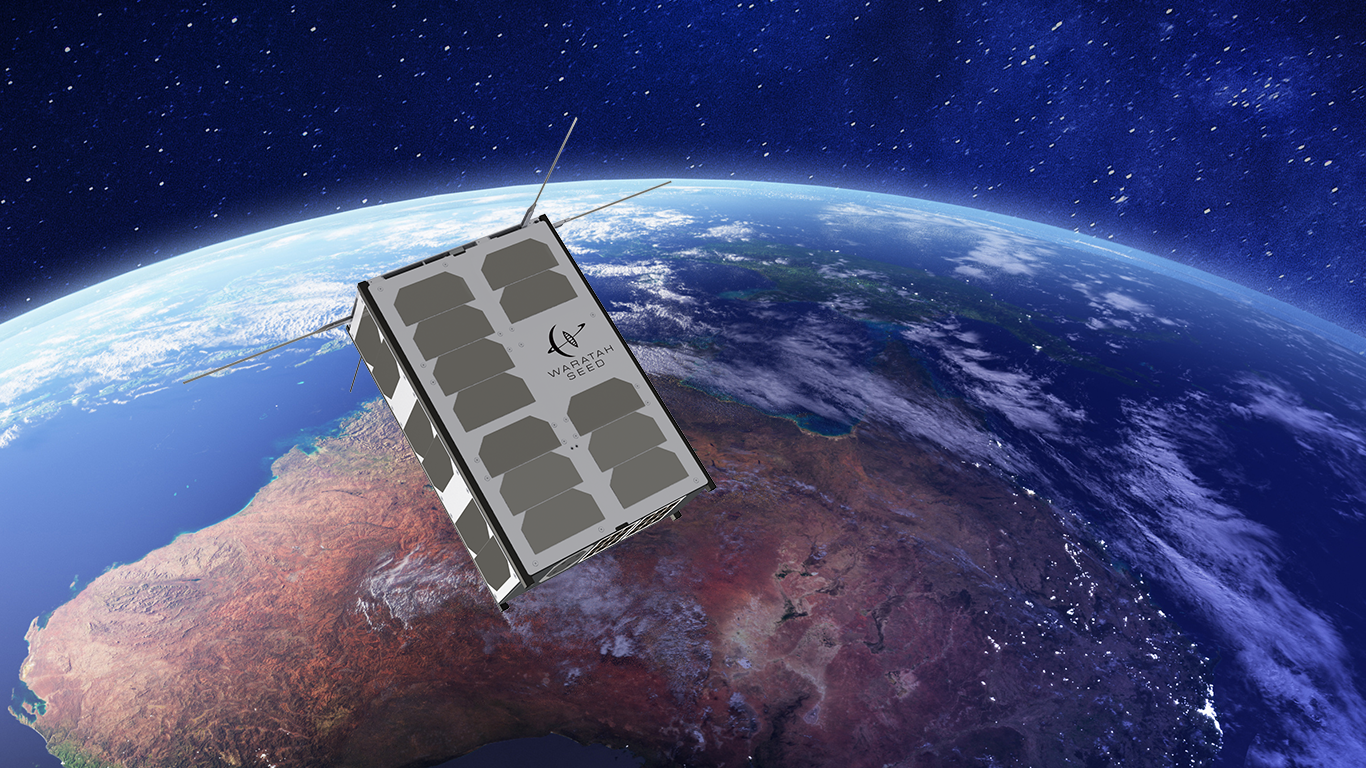
Expand An illustration of a space object in orbit

Aussie CubeSat wins global Mission of the Year award.

The Australian built and operated CubeSat,  Waratah Seed-1 (WS-1), won the SmallSat Mission of the Year award as part of the Small Satellite Conference in Salt Lake City, Utah. 

WS-1 was the only Australian nomination, and it triumphed over 10 other missions from across the world, including the United States and Europe. 

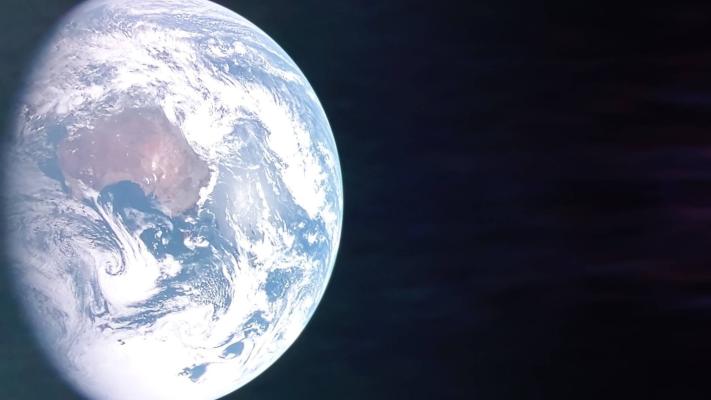
Main image caption:

Firefly Aerospace's Blue Ghost Mission 1 snapped Australia from space during its journey to the Moon earlier this year. 

When the spacecraft successfully landed on the Moon, Jaxon Liebeck from regional Australia was its Flight Director for this historic mission. 

Credit: Firefly Aerospace.

Our department recognises the First Peoples of this Nation and their ongoing cultural and spiritual connections to the lands, waters, seas, skies, and communities.

We Acknowledge First Nations Peoples as the Traditional Custodians and Lore Keepers of the oldest living culture and pay respects to their Elders past and present. We extend that respect to all First Nations Peoples.

Back to top