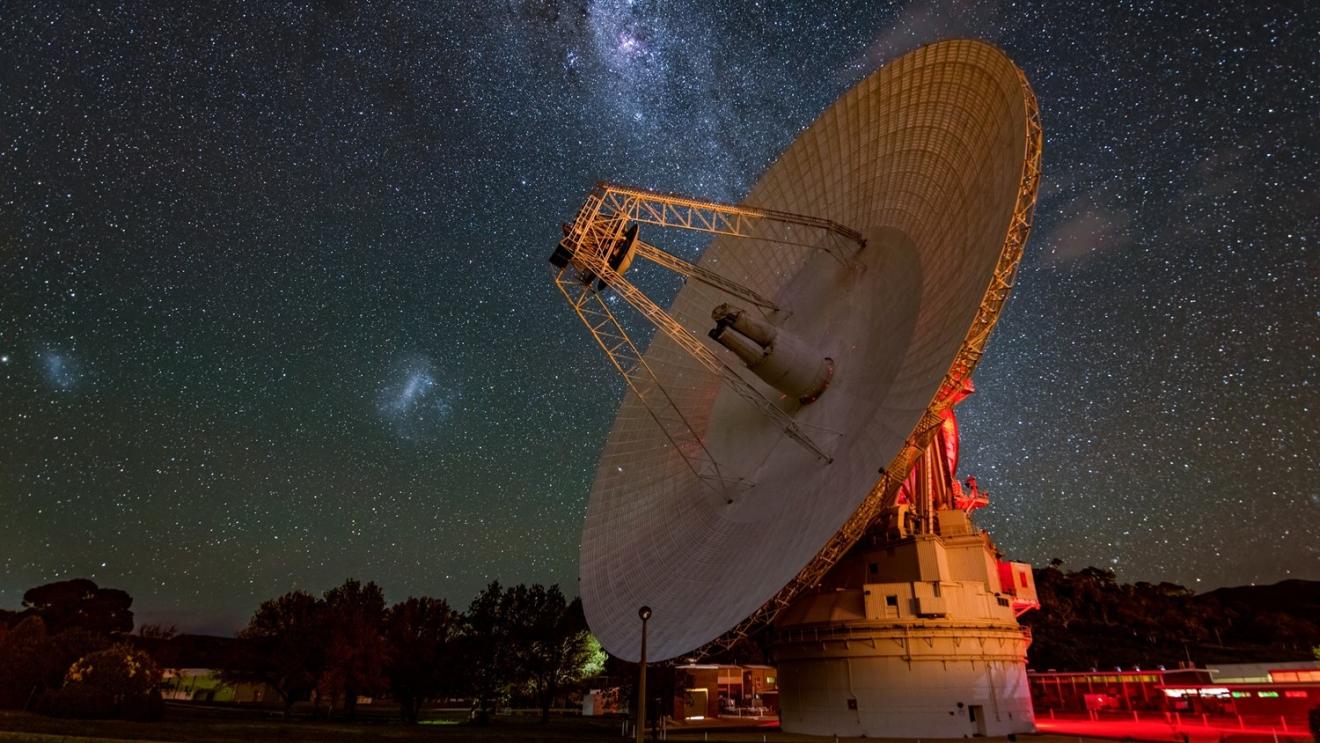
Human Aerospace has spun its International Space Station-proven skinsuit technology into a brand of revolutionary custom-fit compression garments for everyday use.
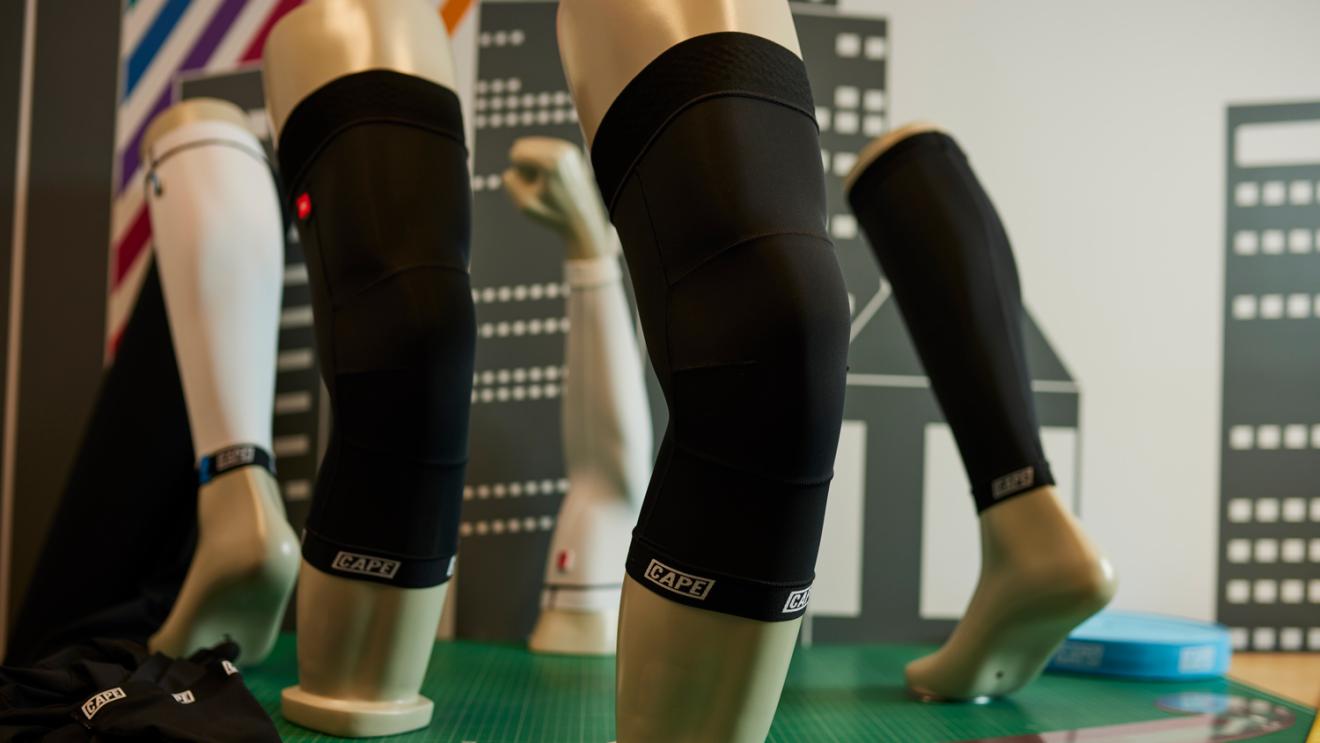
To mark National Science Week 2026, plant scientist Gunya Malhotra shares how she is using space agriculture to develop resilient crops and sustainable food systems for Earth and beyond.
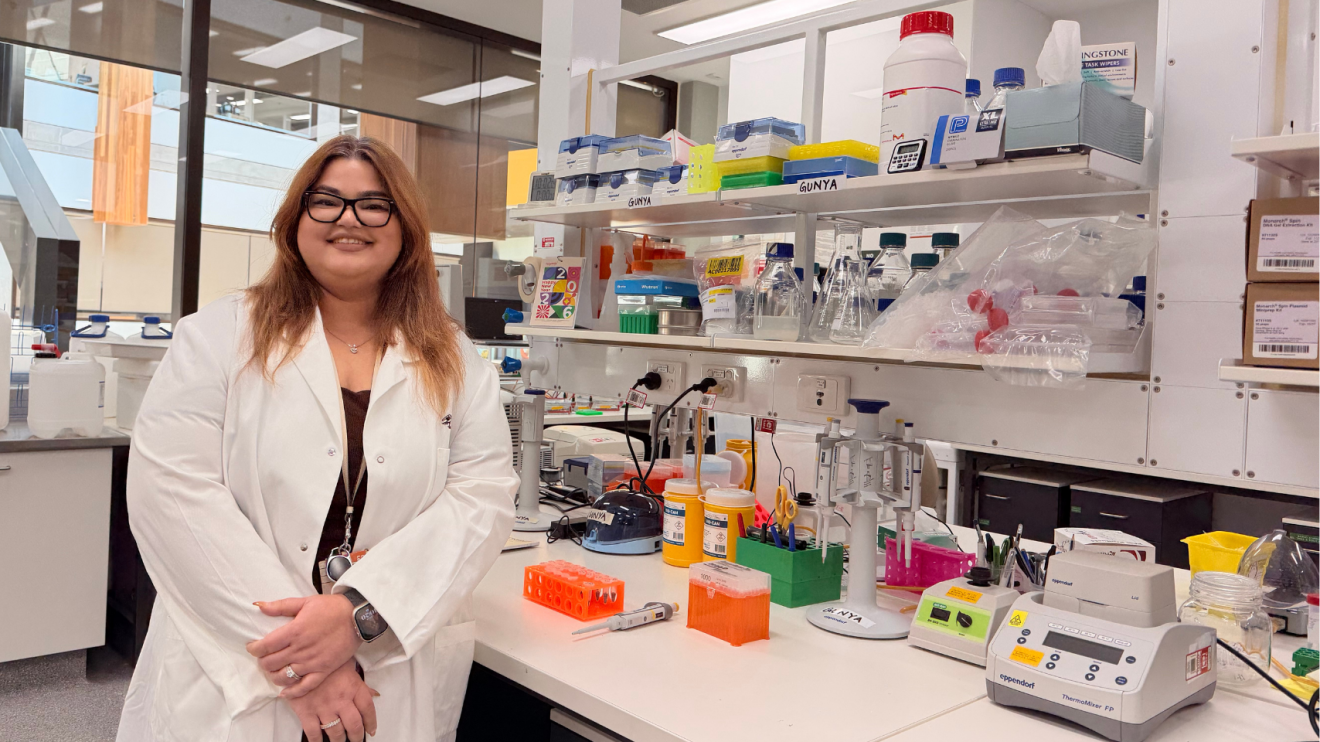
Here’s a recap of some of the key developments and capabilities from July that are shaping Australia’s space industry.
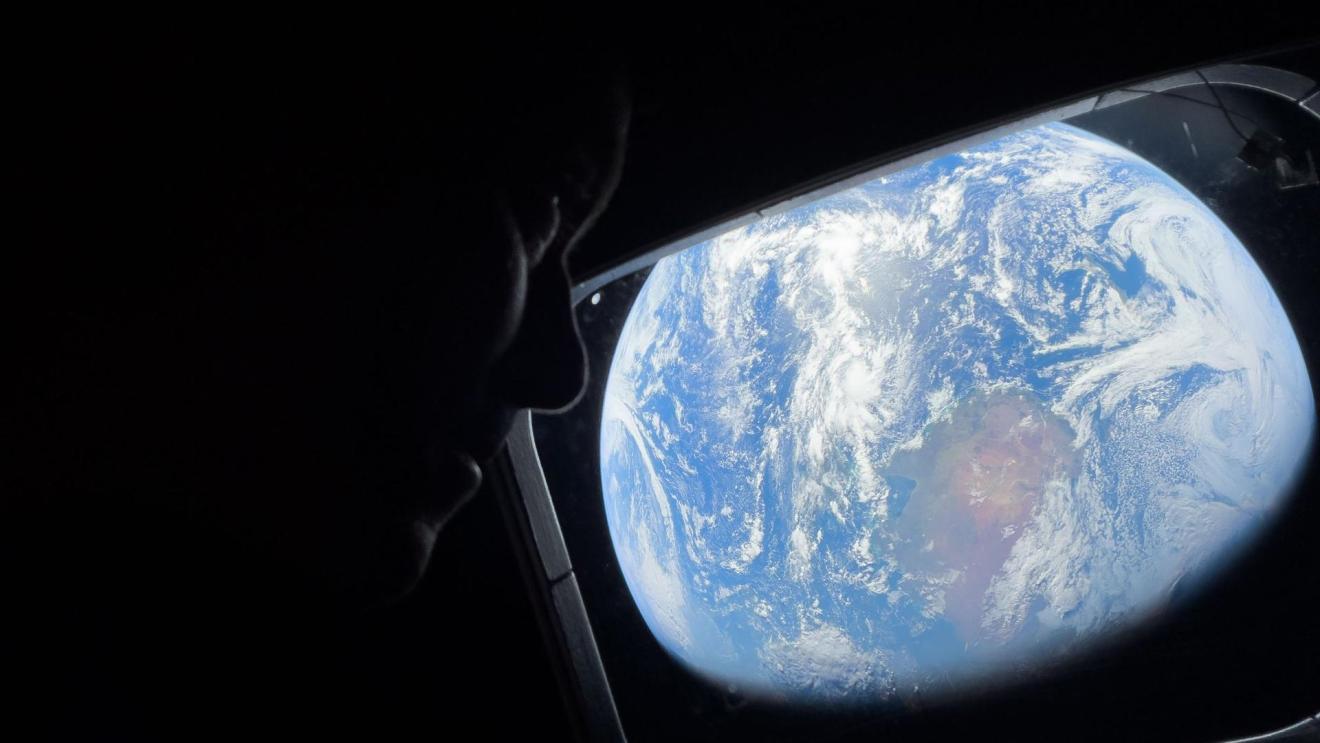
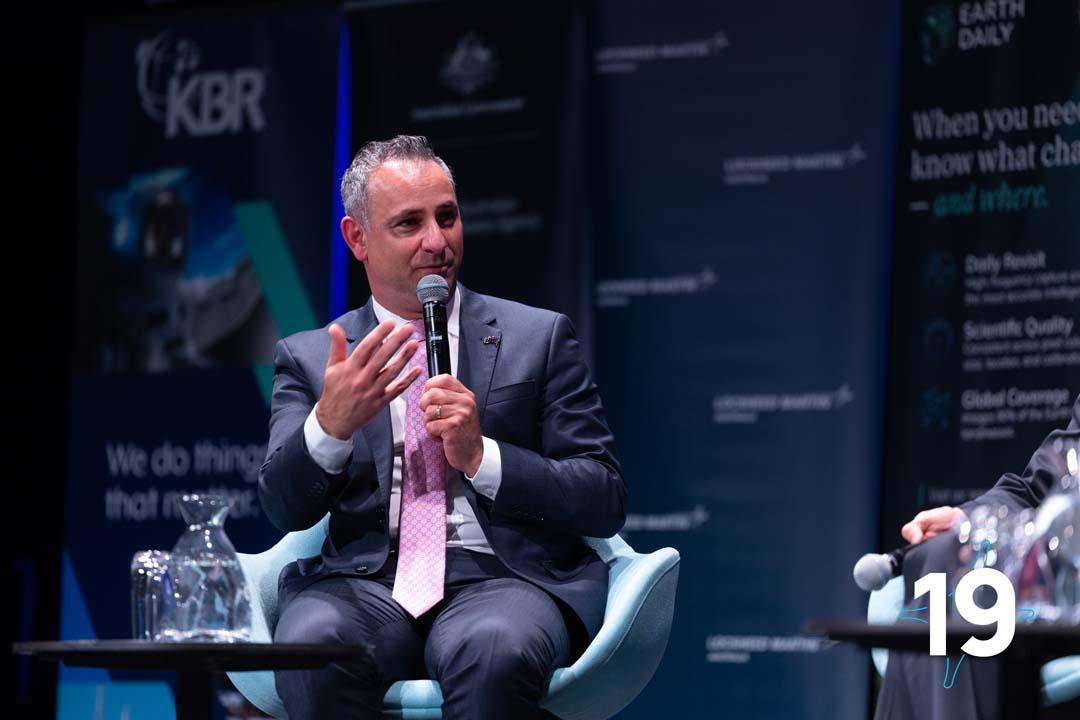
Backed by the Australian Space Agency, the latest edition of the Forum put the spotlight on Aussie space innovations and Indo-Pacific partnerships.
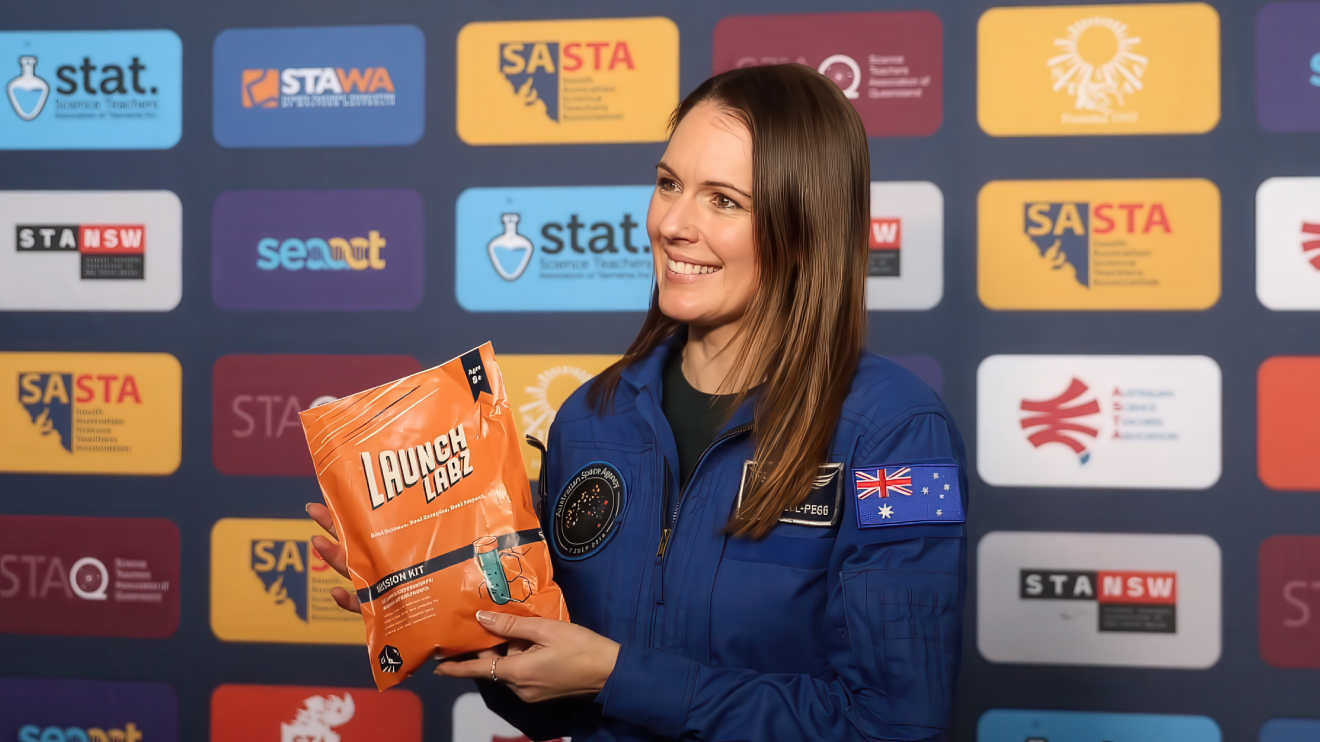
Expressions of Interest opened for the program's kits with the aim to get the space seeds experiment into 1 in 10 Australian schools.
The Australian Government is backing Australia’s space industry to capture the growing opportunities of the global space economy while strengthening the capabilities that underpin our economic resilience and national security.

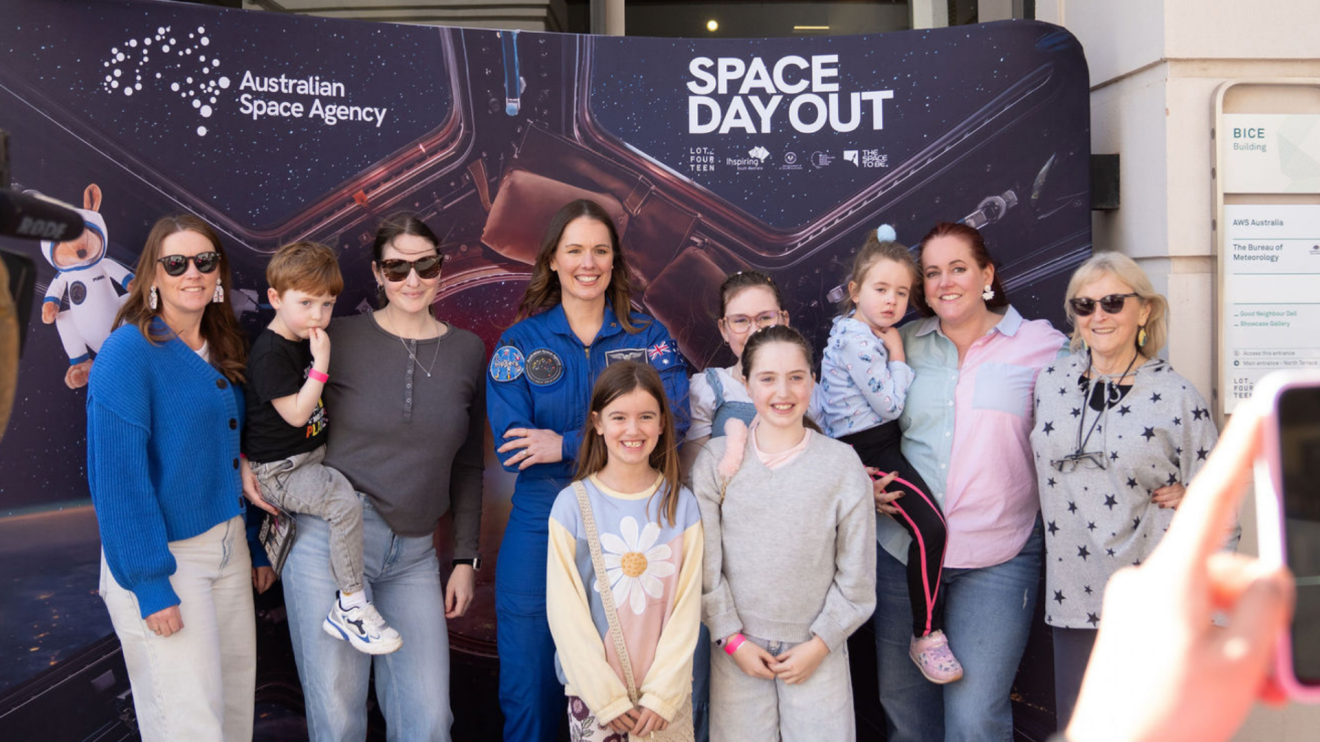
The Australian Space Agency's inaugural special event drew hundreds, inspiring young Australians to explore STEM, space careers and the future of Australia's growing space sector.
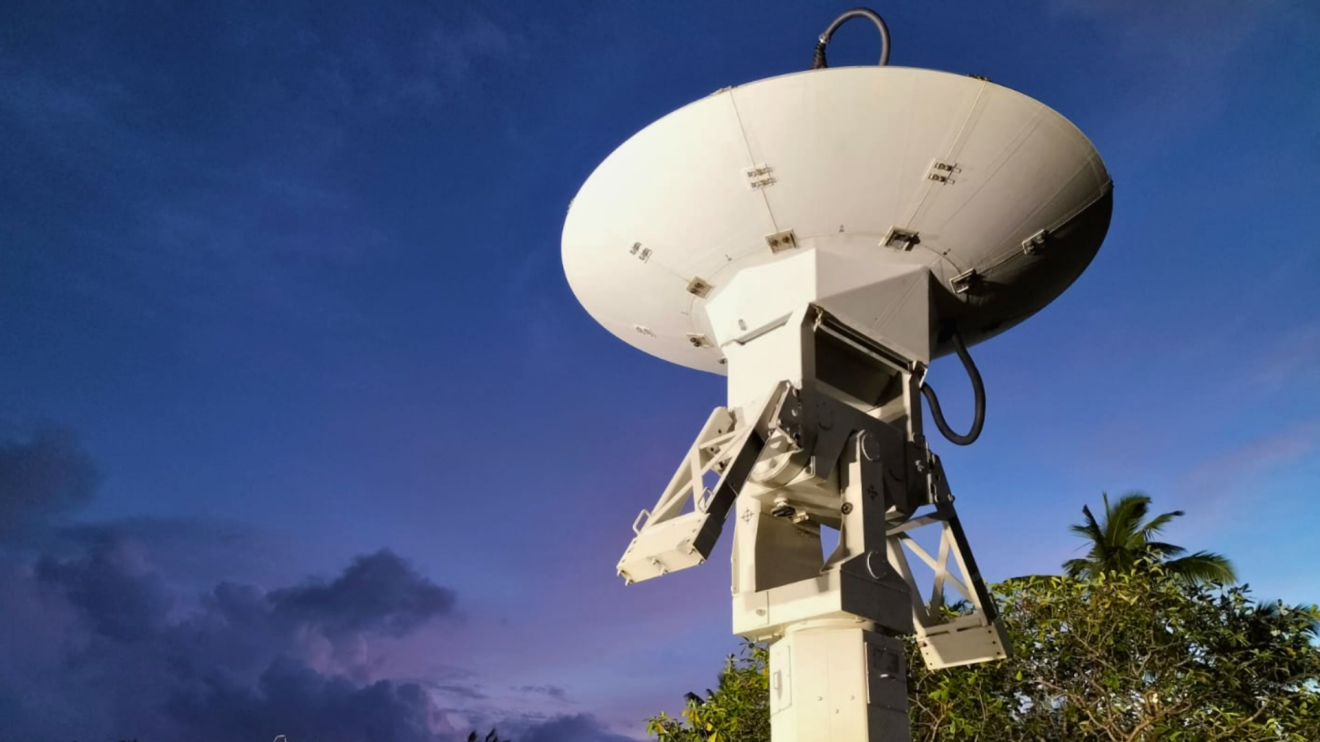
Australia will play a critical role in supporting all four of the program’s planned missions through essential space tracking capability from its Cocos (Keeling) Islands.
This educational program is supported by the Australian Space Agency and will be delivered by One Giant Leap Australia. In this feature, the winning team from last year's competition reflect on the STEM confidence they gained.
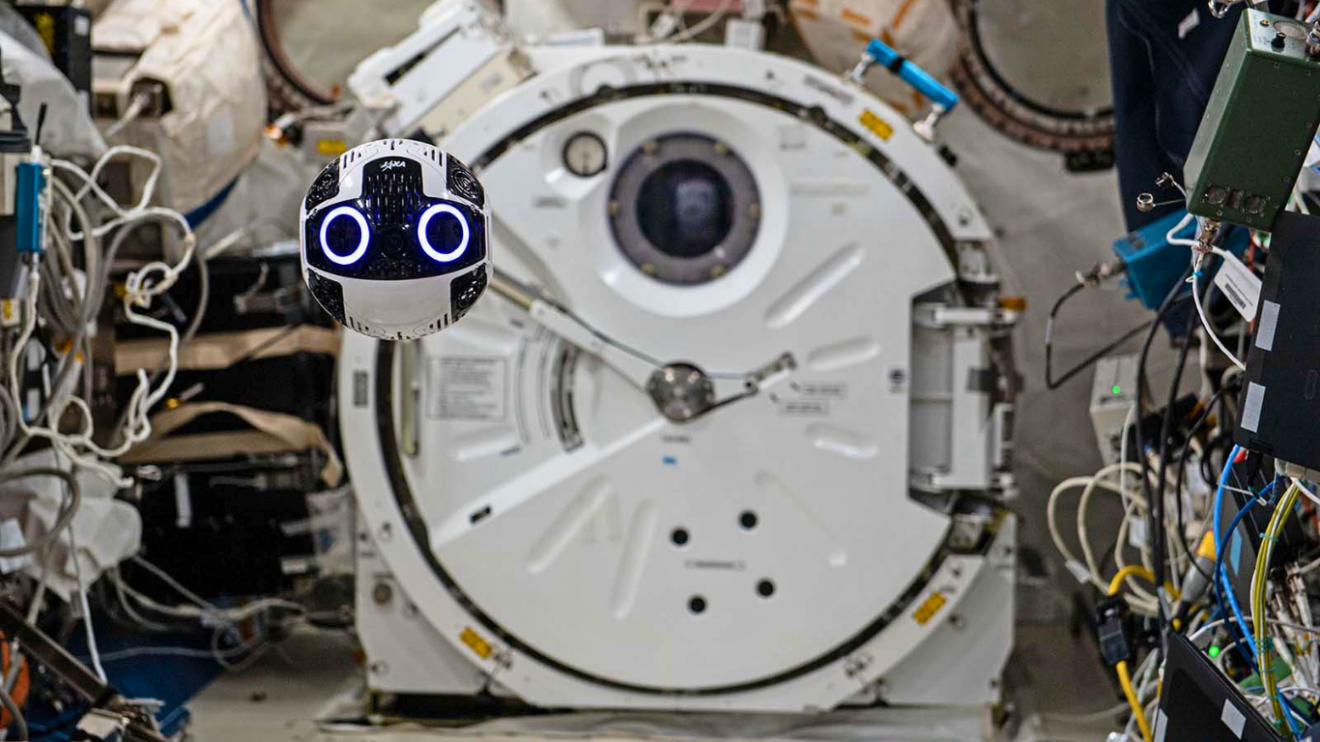
Here’s a recap of some of the key developments and capabilities from June that are shaping Australia’s space industry.
Australian astronaut Katherine Bennell-Pegg’s New Zealand visit has highlighted the growing impact of Australia and New Zealand’s space sectors, their shared space heritage and the opportunity to shape the global space economy.
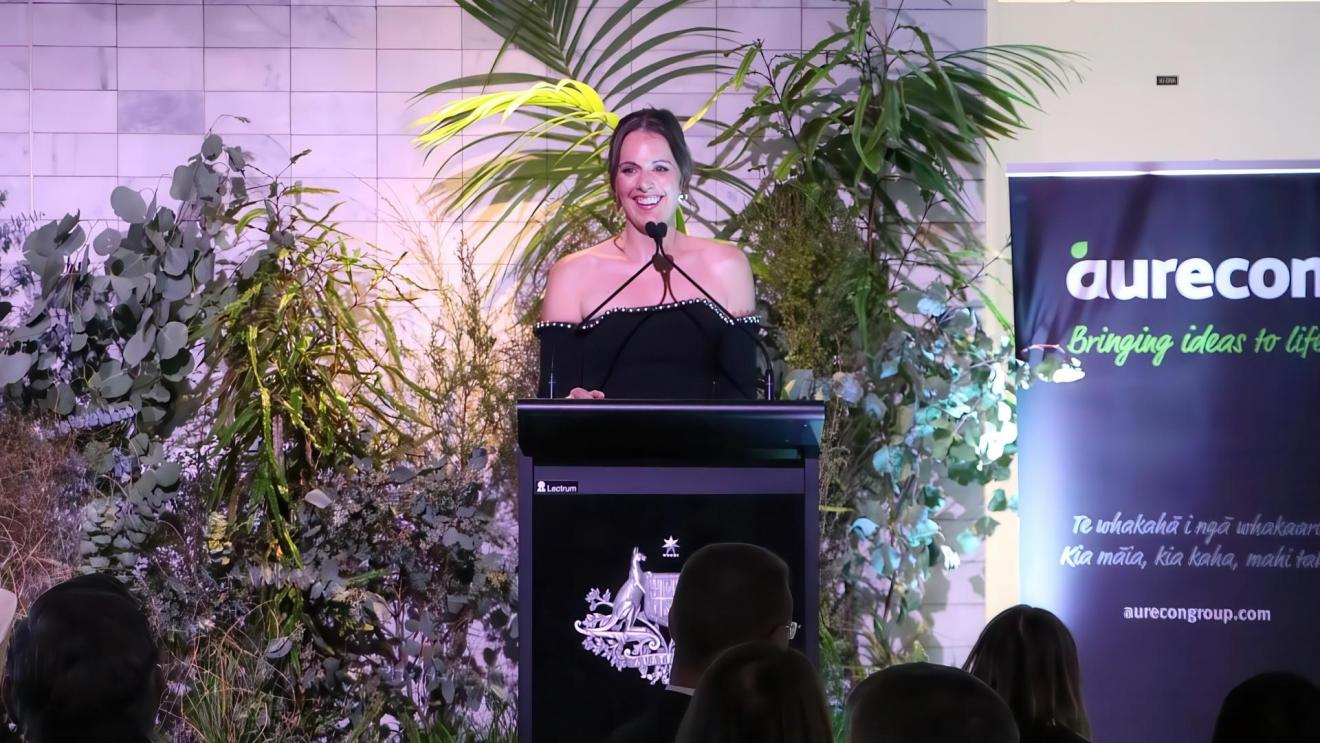
The Australian Space Agency is seeking information from the sector on Australia’s microgravity and space payload state of the art.
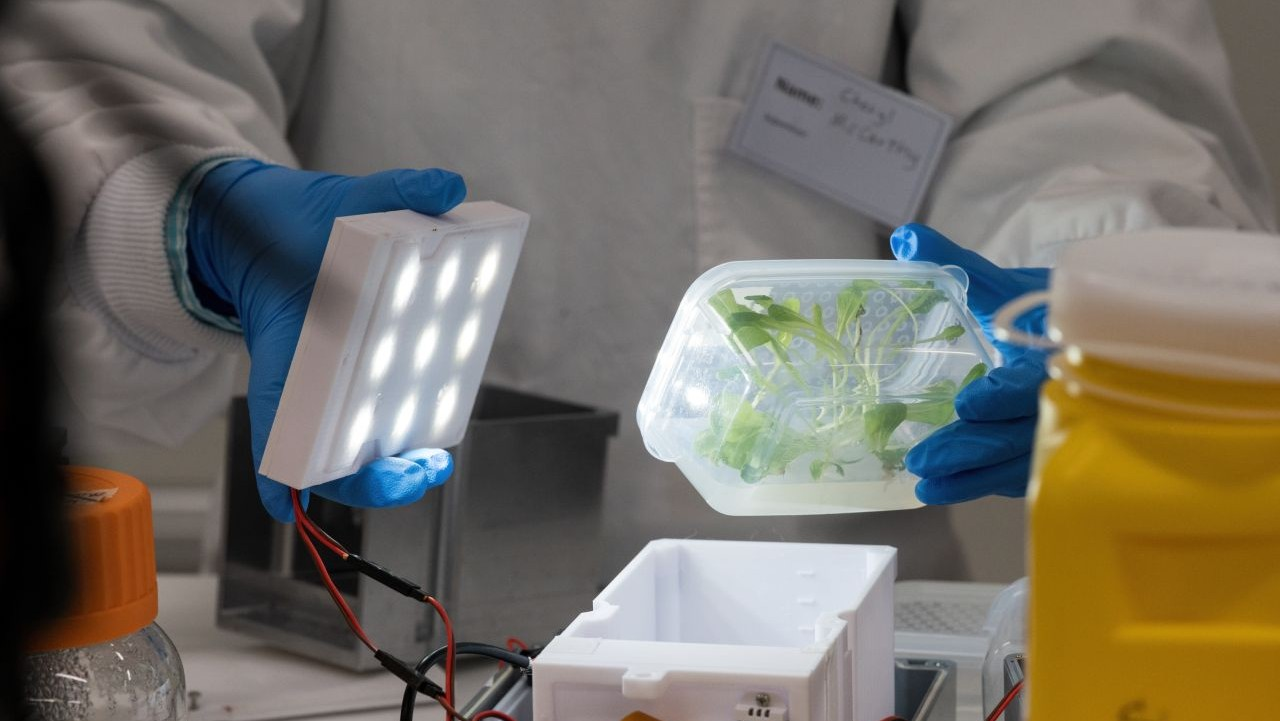
Backing from the National Reconstruction Fund Corporation helps Southern Launch raise $25 million that will scale launch, re-entry and range services in South Australia.
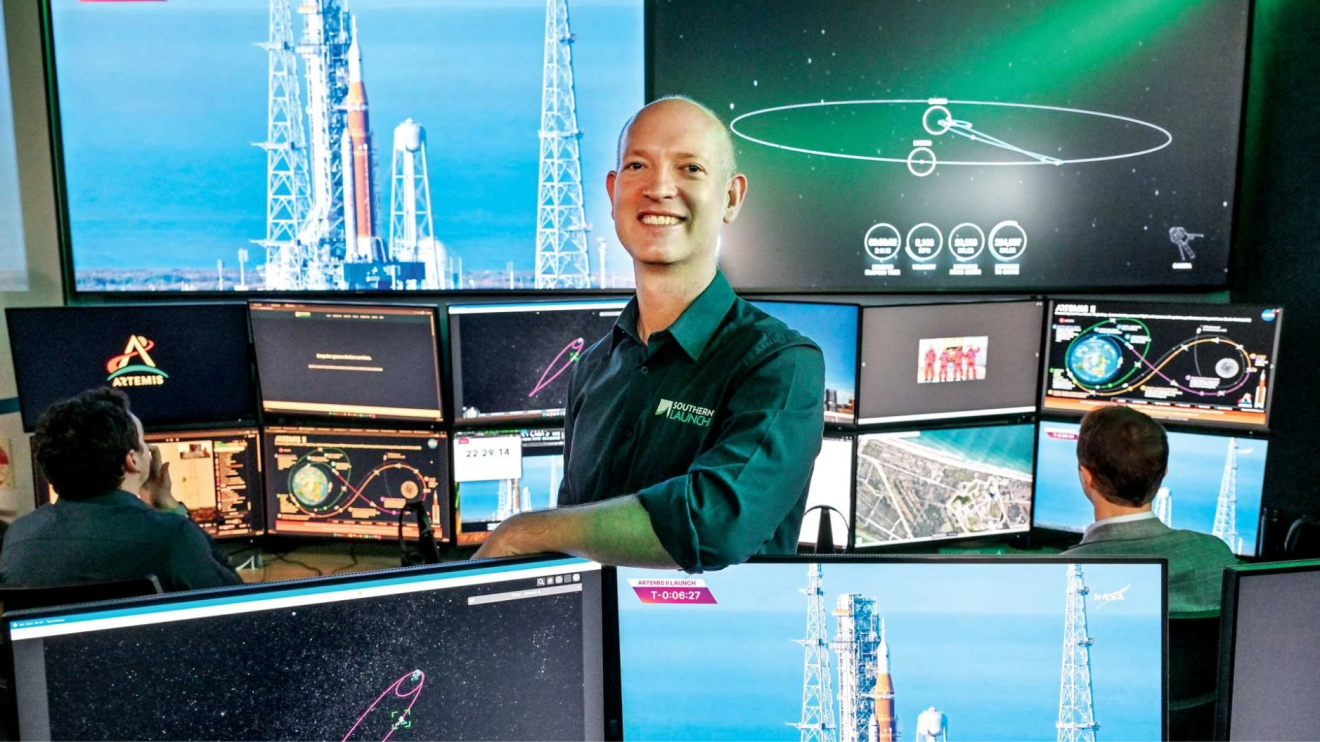
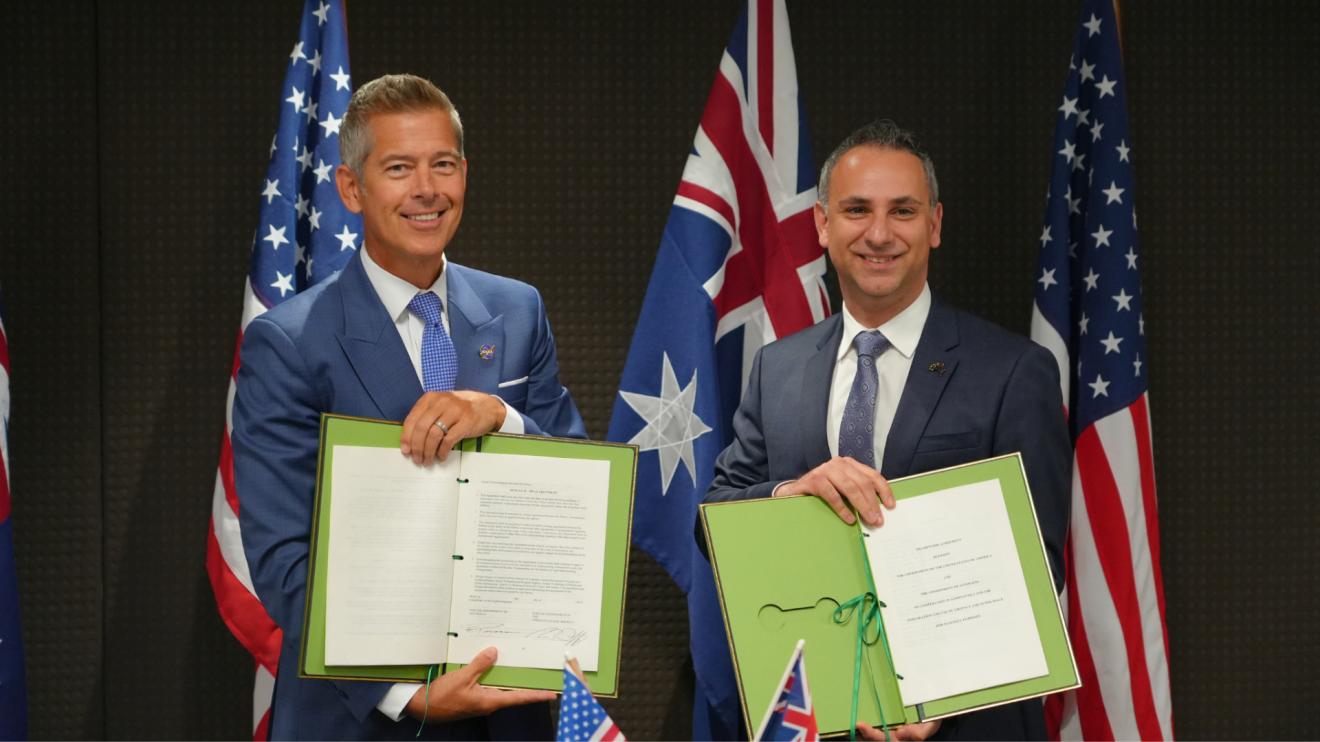
The new Agreement has been tabled in the Australian Parliament and will deepen Australia–US space cooperation, unlocking new opportunities for industry.
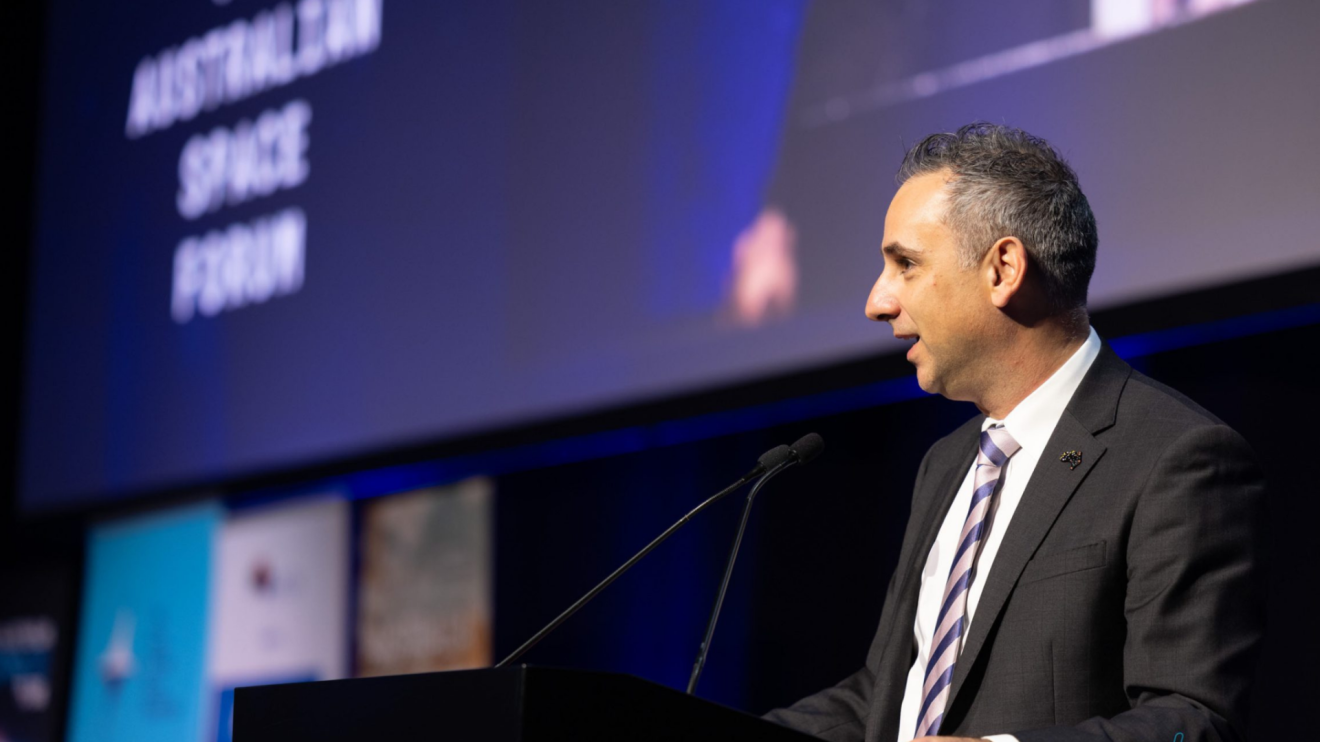
The Australian Space Agency is backing this leading space event that will spotlight Indo-Pacific partnerships and Australian space innovations.
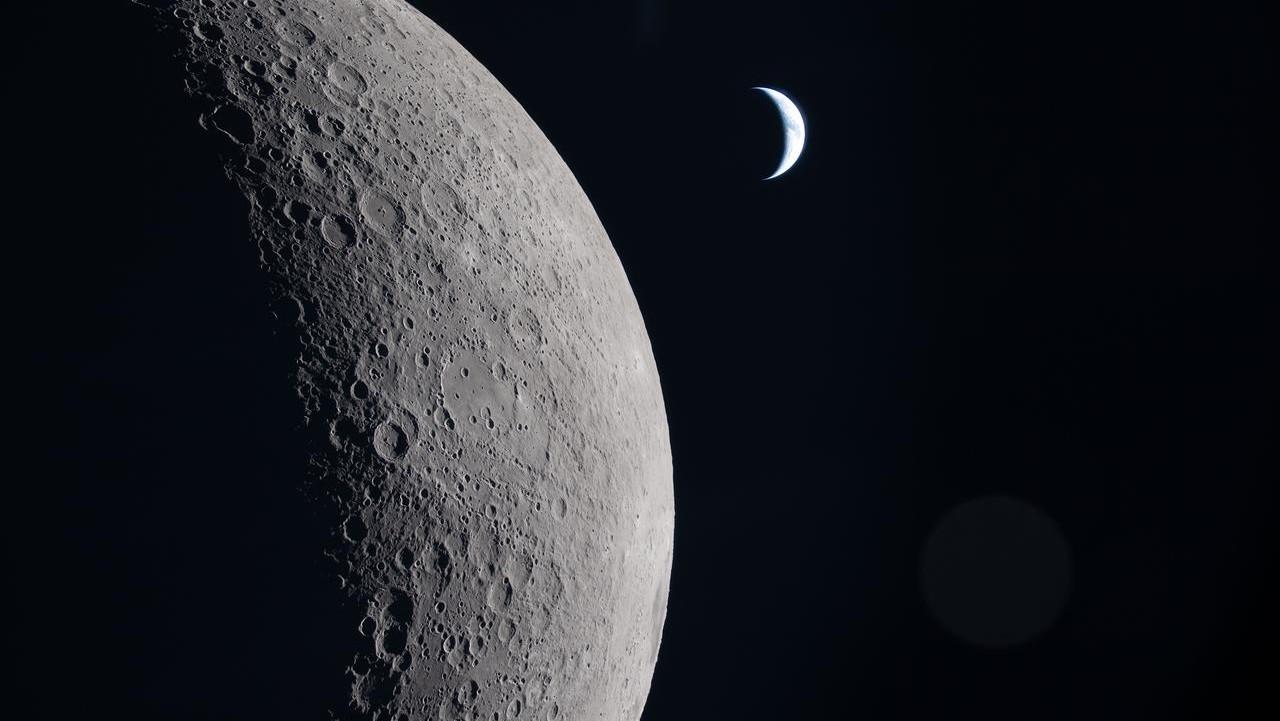
Explore our interactive photo gallery to see how nearly 70 years of Moon photography has changed the way we see our nearest celestial neighbour.
Here’s a recap of some of the key developments and capabilities from May that are shaping Australia’s space industry.
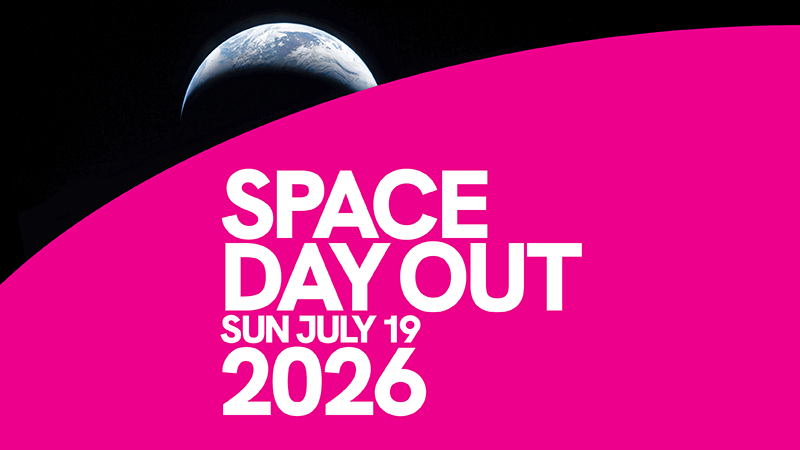
The Agency, supported by Inspiring SA, South Australian Space Industry Centre and Lot Fourteen, will deliver Space Day Out on Sunday 19 July. The celebrations will mark the start of this year's Australian Space Week.
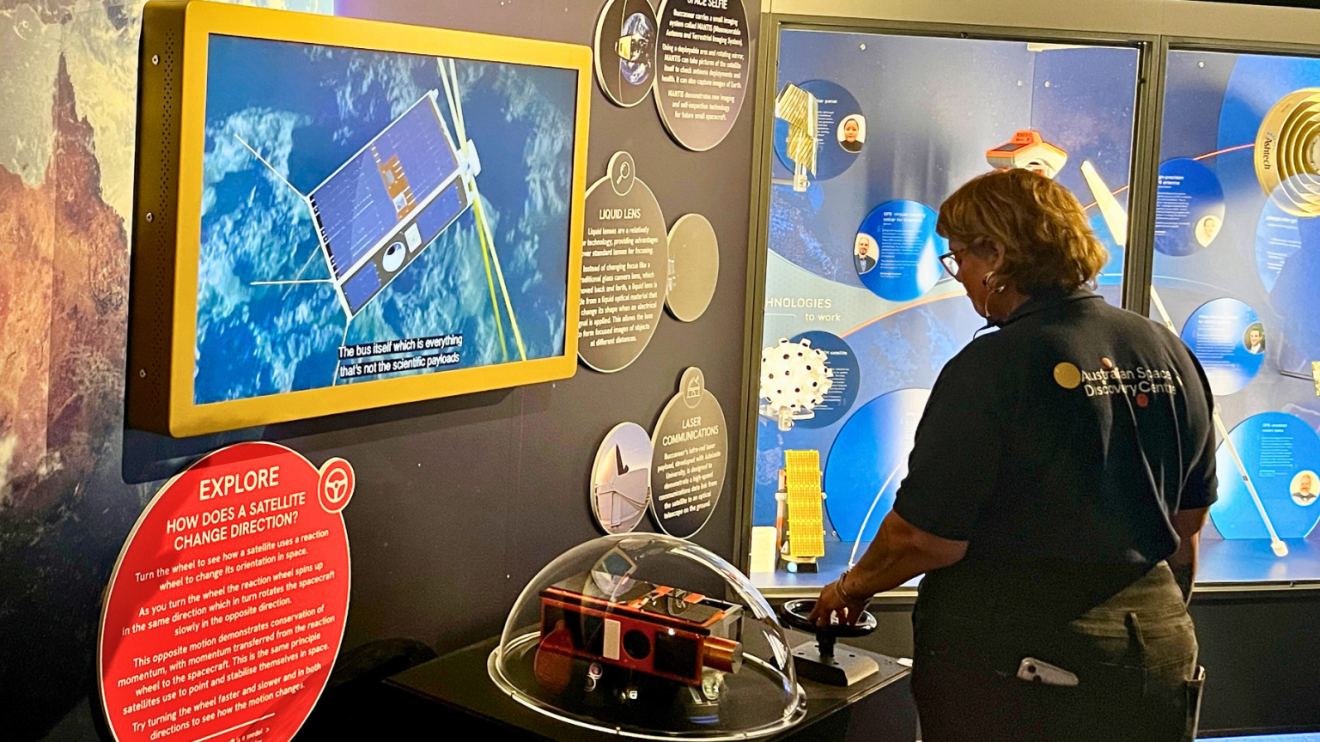
Visitors can learn more about the Buccaneer Main Mission and how this cutting-edge Aussie technology will help us understand how radio waves travel.
Australian facilities and expertise have supported NASA’s Moon missions from the earliest lunar probes to the Artemis program. Explore with our interactive image gallery the first to the latest Aussie space tracking capabilities.