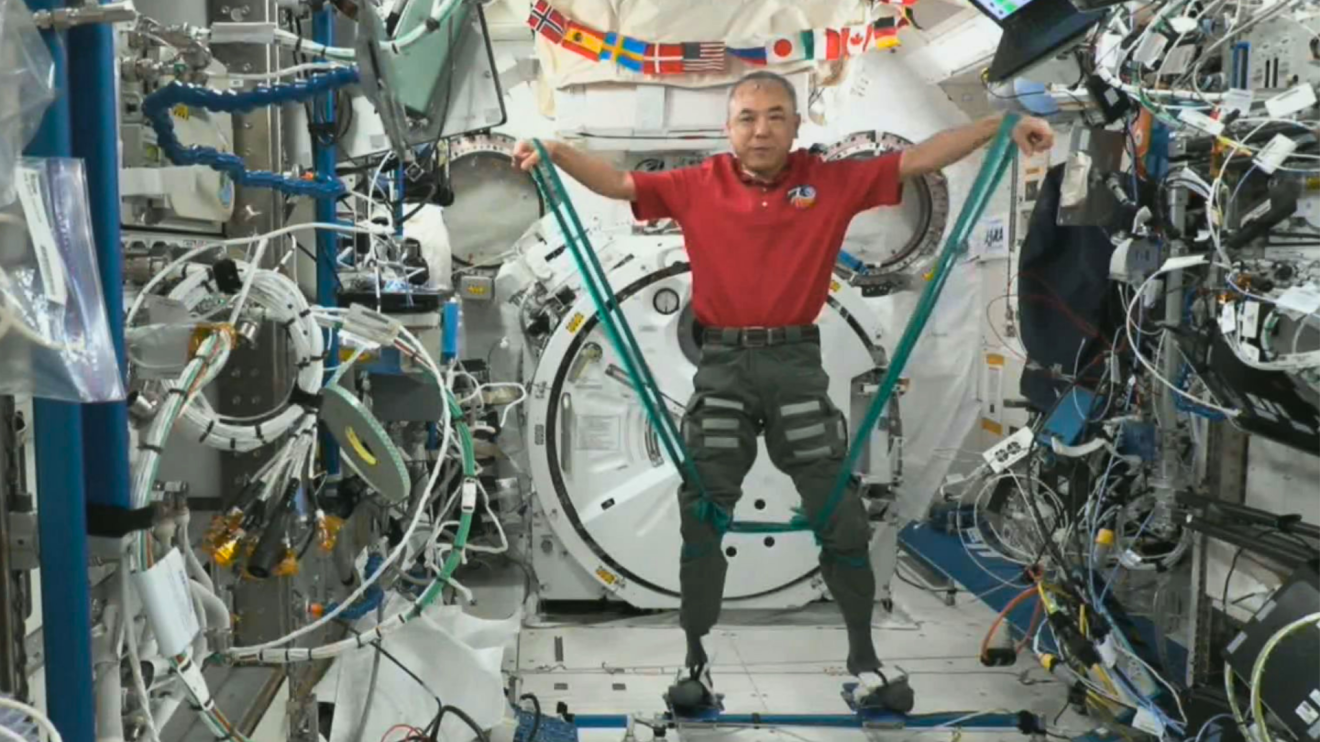
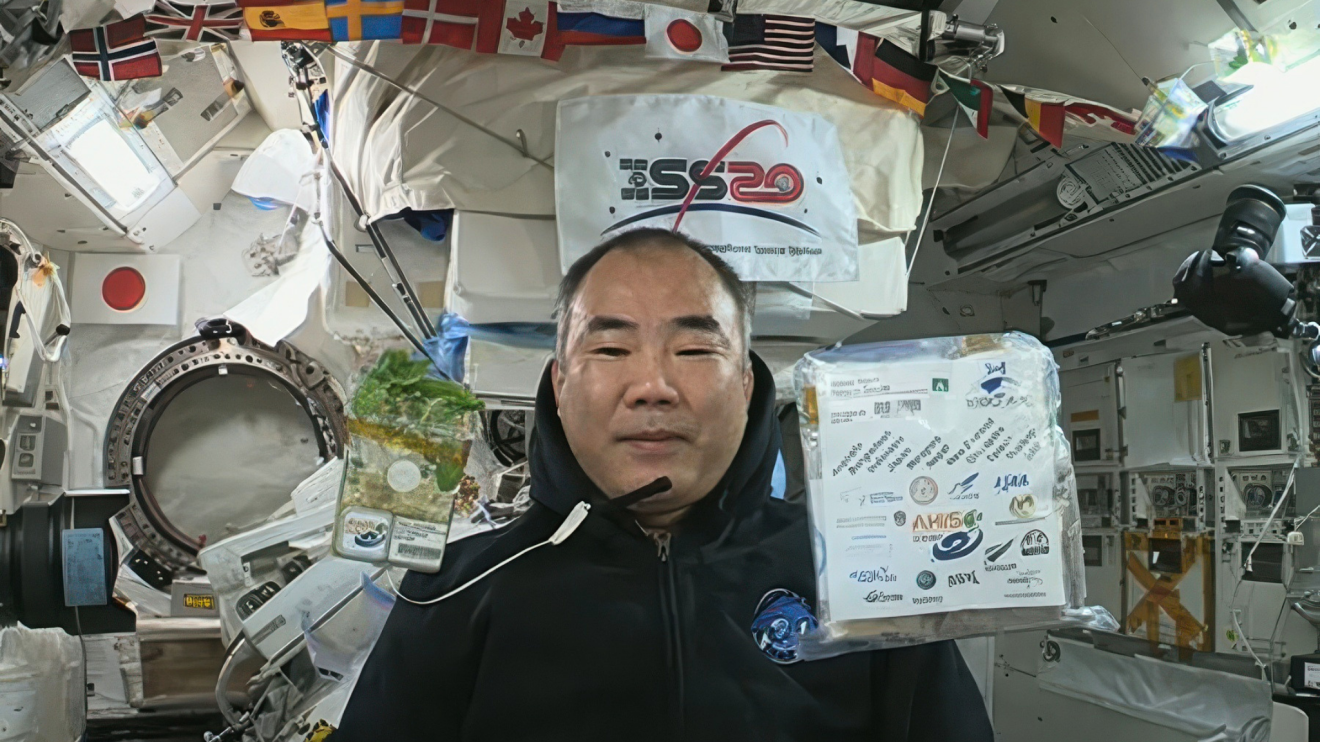
Led by the Japan Aerospace Exploration Agency, this educational program is supported by the Australian Space Agency and will be delivered by One Giant Leap Australia. Applications close on Monday 30 November 2026.
The Torres Strait Regional Authority recently invited the 2026 Australian of the Year Katherine Bennell-Pegg to visit Zenadth Kes (Torres Strait). In this feature, Katherine briefly shares the lessons she learnt during her four-day visit.

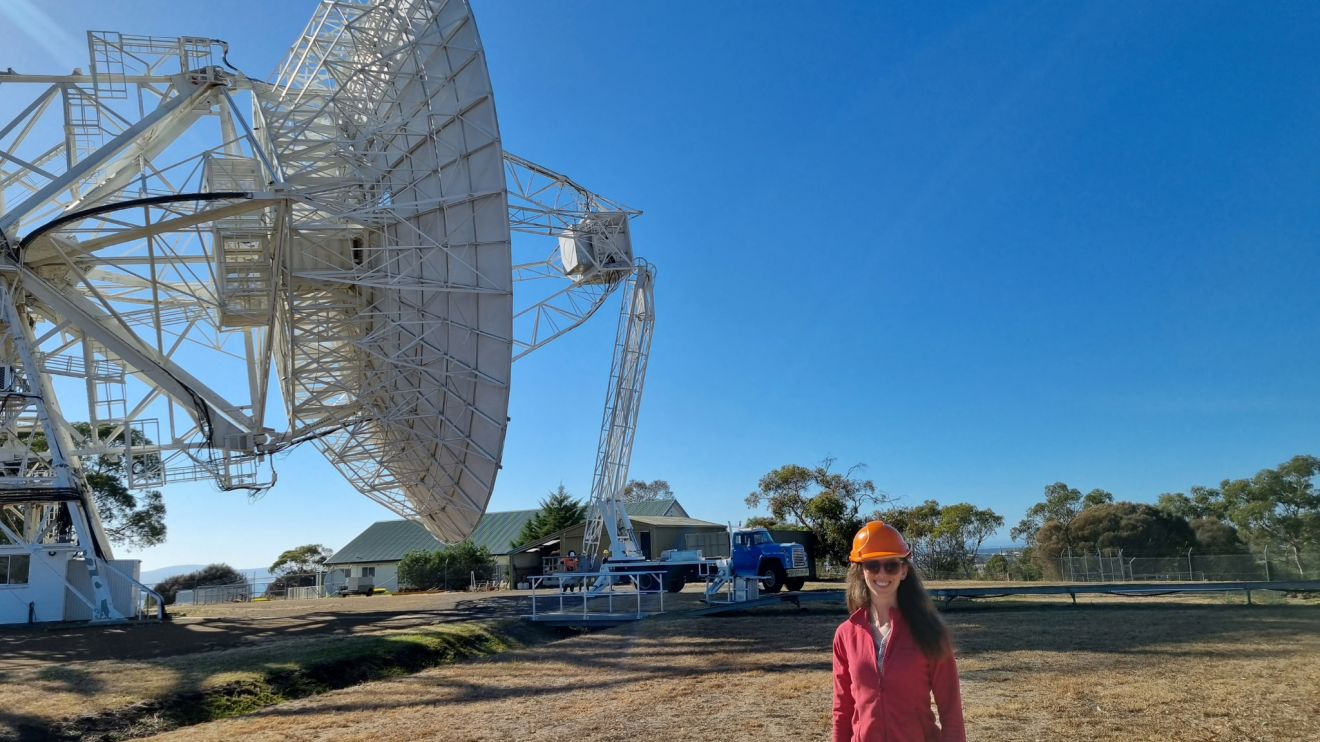
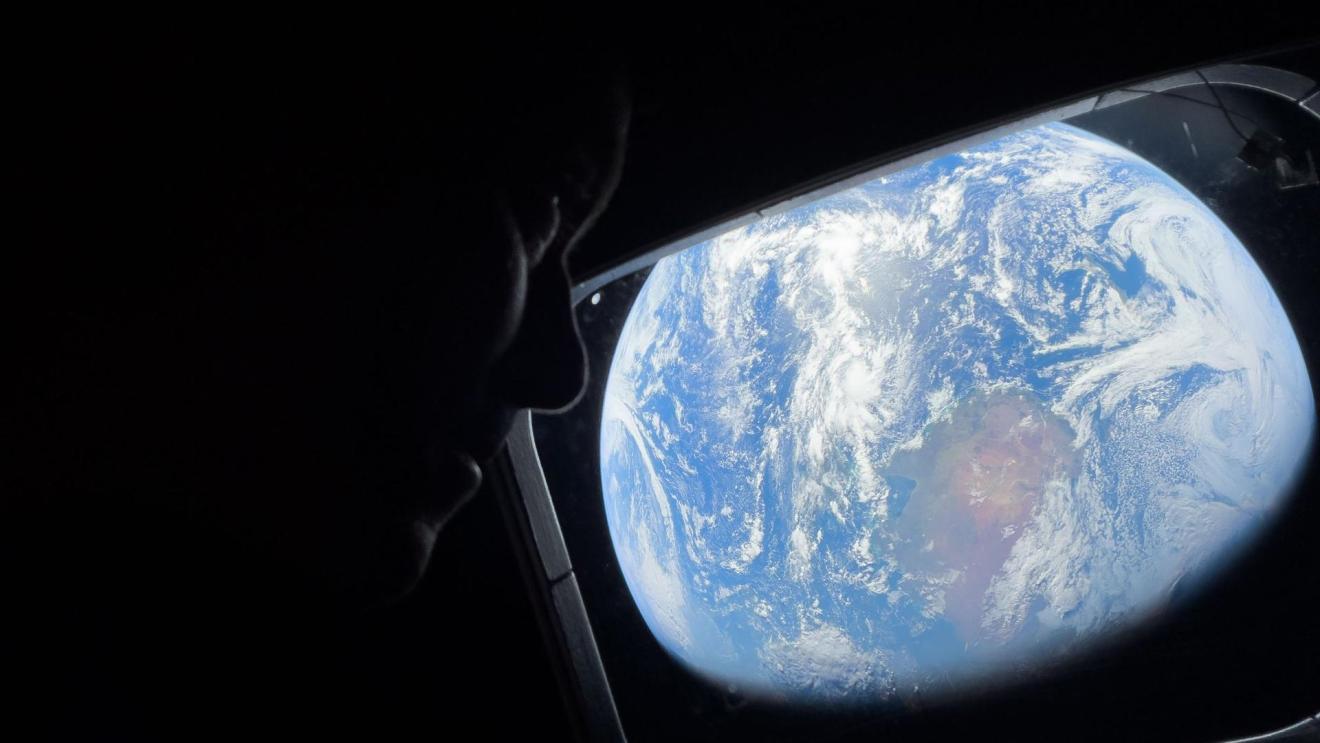
To mark Earth Science Week 2026, Anna shares in this feature how looking to space helps us better understand, protect and navigate the place we call home.
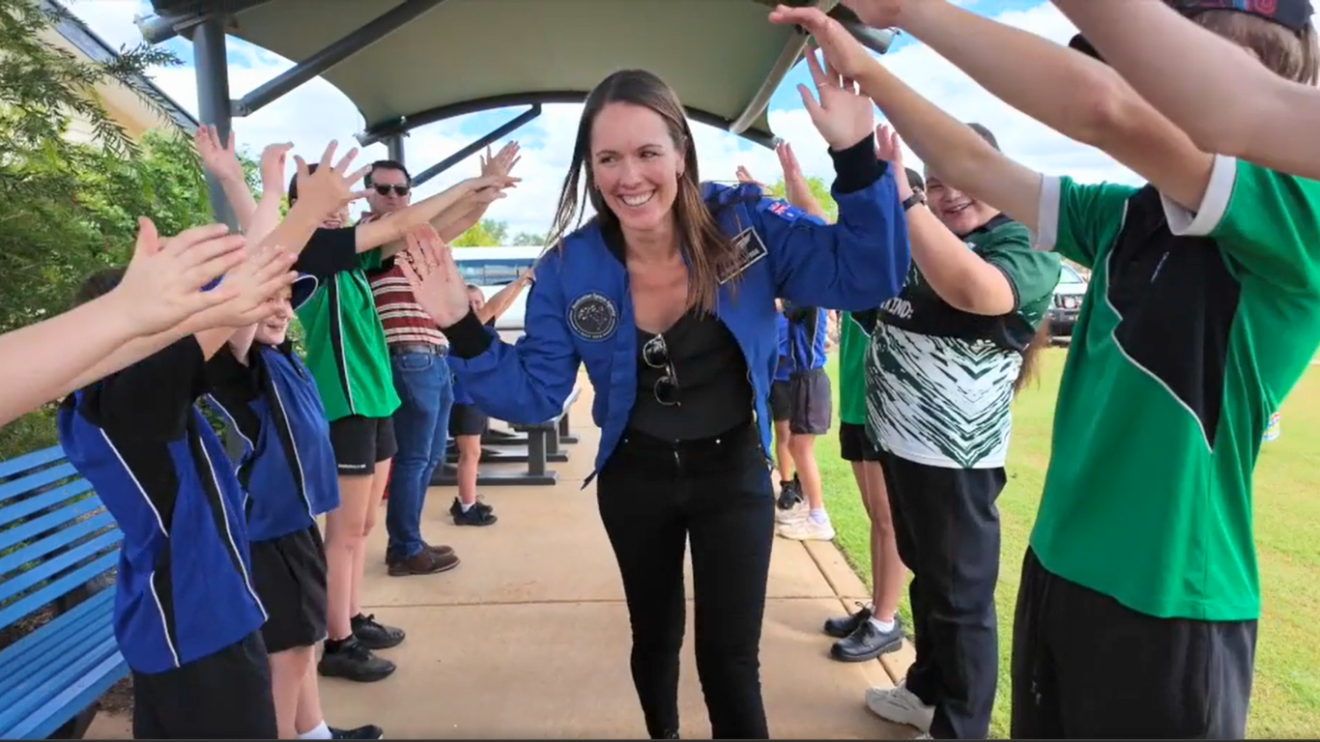
Since March, the 2026 Australian of the Year Katherine Bennell-Pegg has been touring states and territories, empowering students and communities, and promoting Australia's space sector.
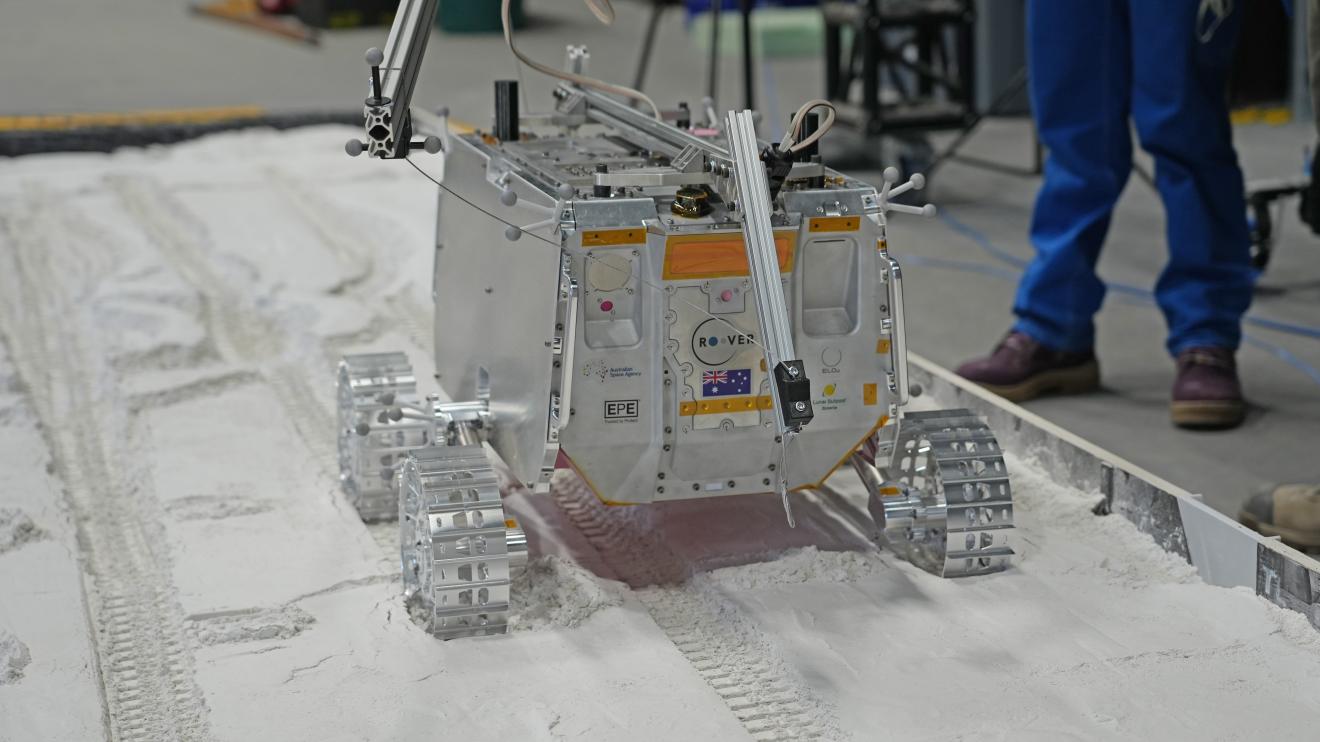
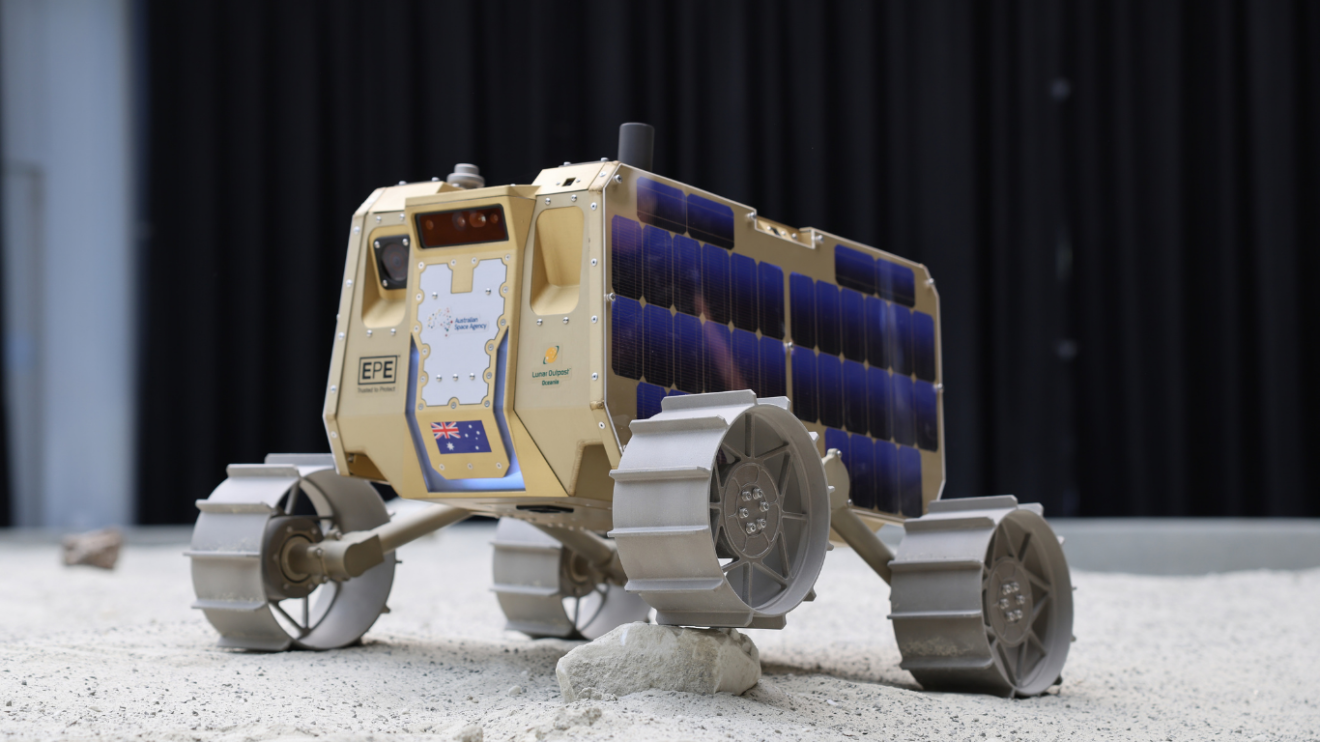
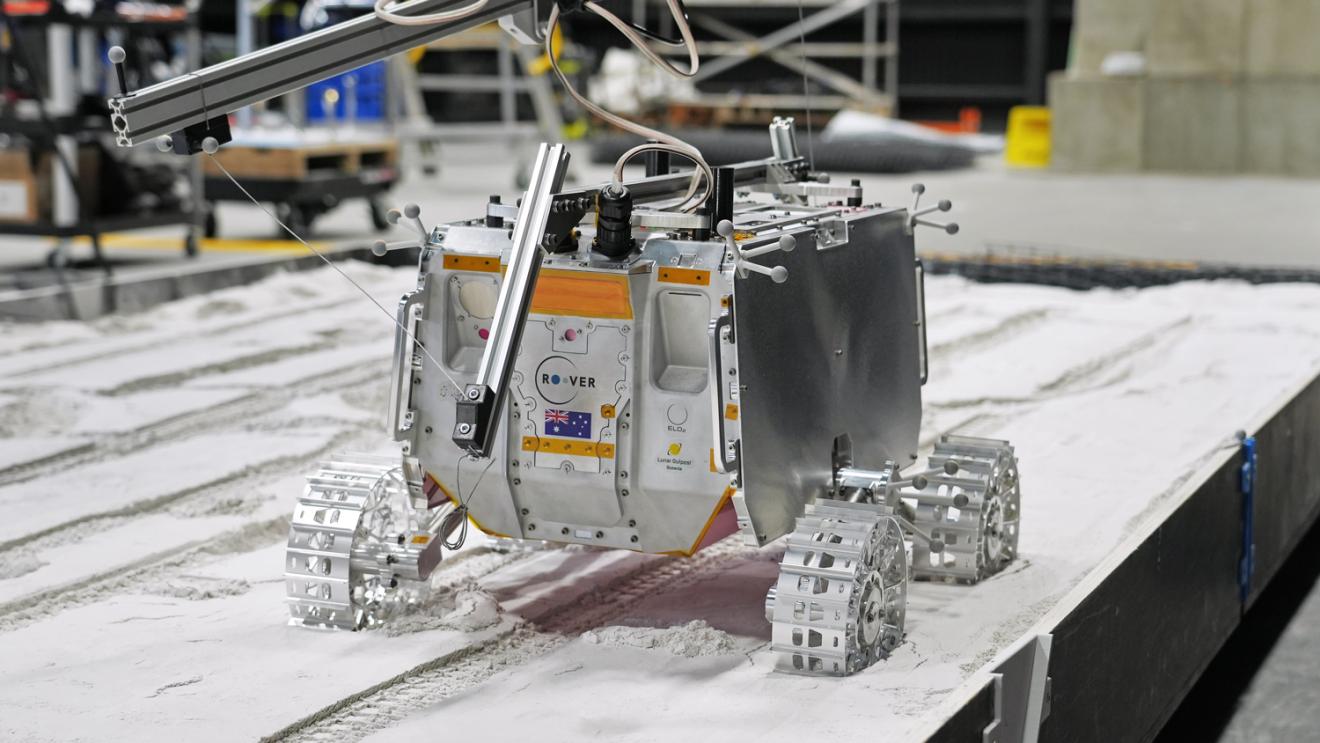
To mark World Space Week, the next evolution of Australia’s first lunar rover was unveiled today. Roo-ver is set to make history when it goes to the Moon with NASA in 2030.
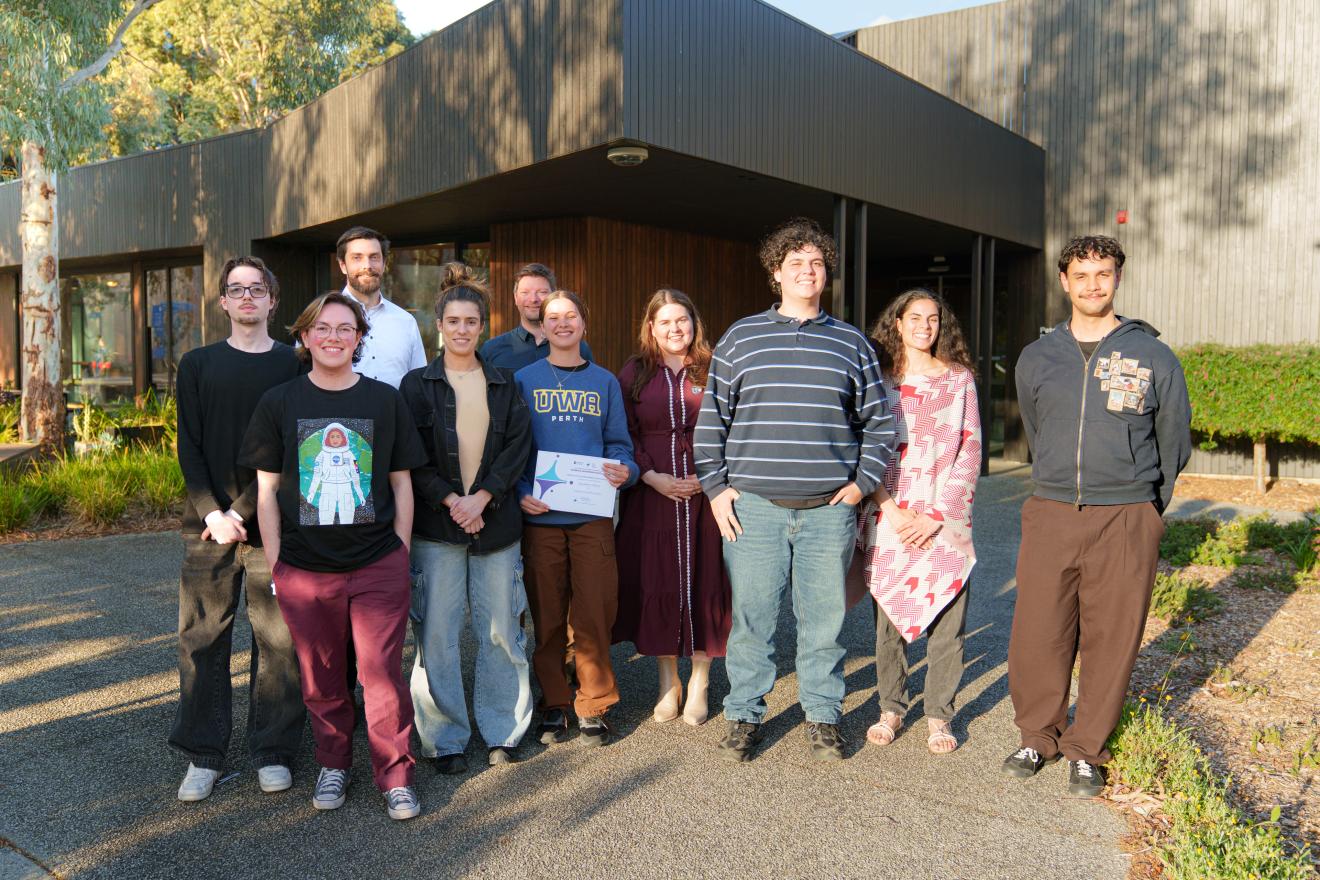
Eight First Nations STEM scholars will participate in the 10-week overseas space education program, led by Monash University with support from the Australian Space Agency.
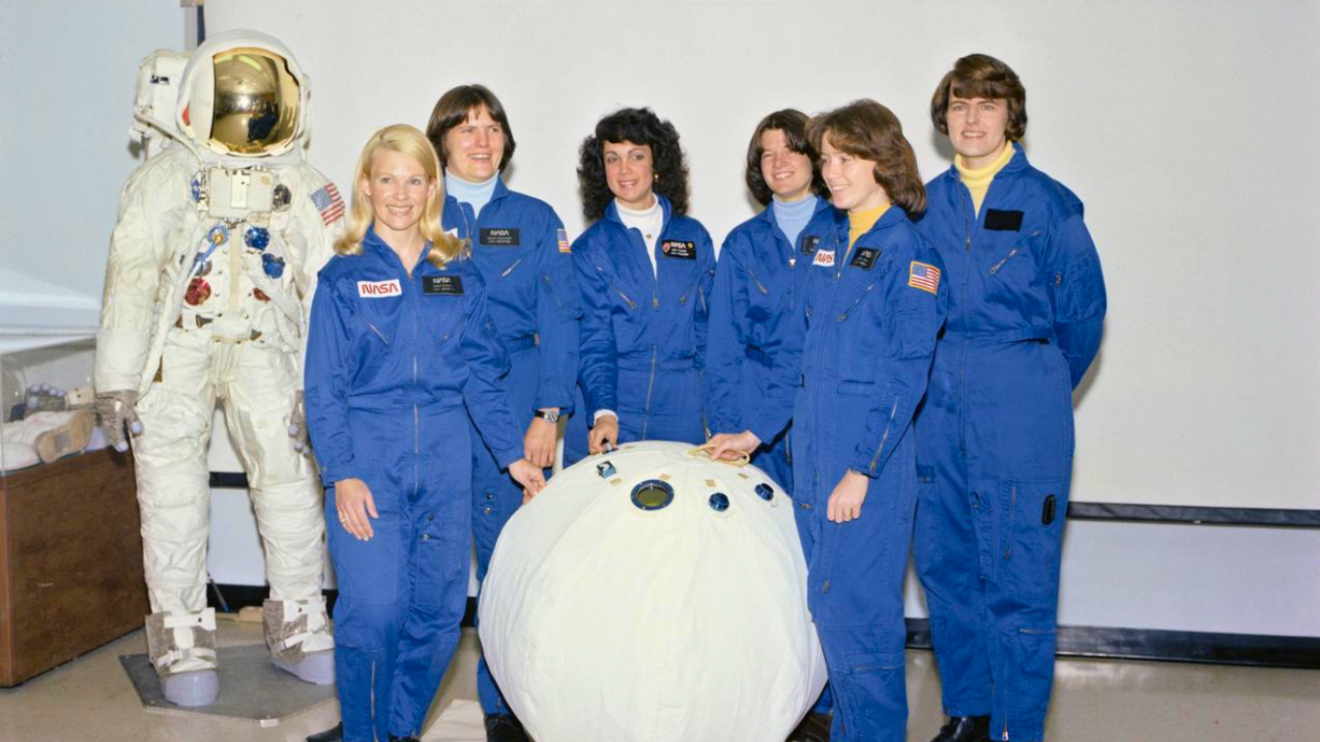
Explore our interactive photo gallery to learn about the history of astronaut flight suits and the many shades of blue that can be traced back to the 1960s.
Here’s a recap of some of the key developments and capabilities from September that are shaping Australia’s space industry.
An institute named after one Australian space trailblazer is helping prepare another to roll smoothly across the surface of the Moon.
We've got several online and in-person activities planned to start from Saturday 26 September and ending on Sunday 11 October 2026.
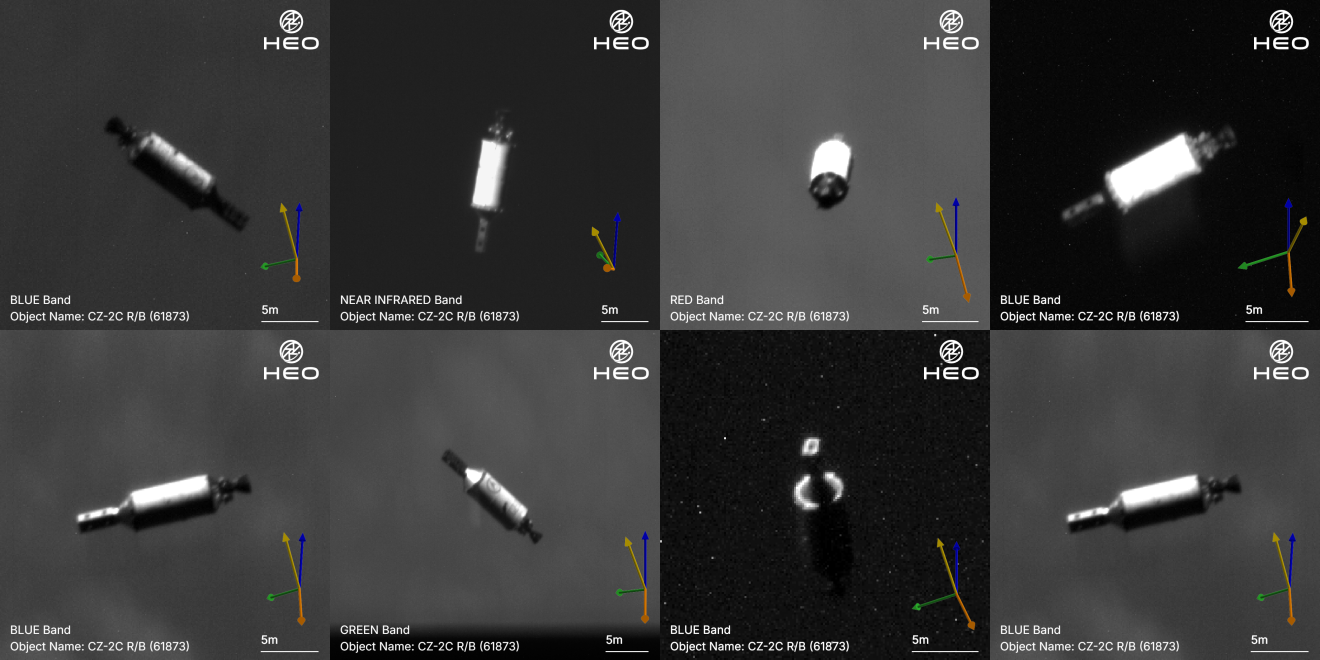
The National Reconstruction Fund Corporation helps HEO raise $37 million. This investment has also helped support capital raises across the Australian space sector to be worth over $600 million.
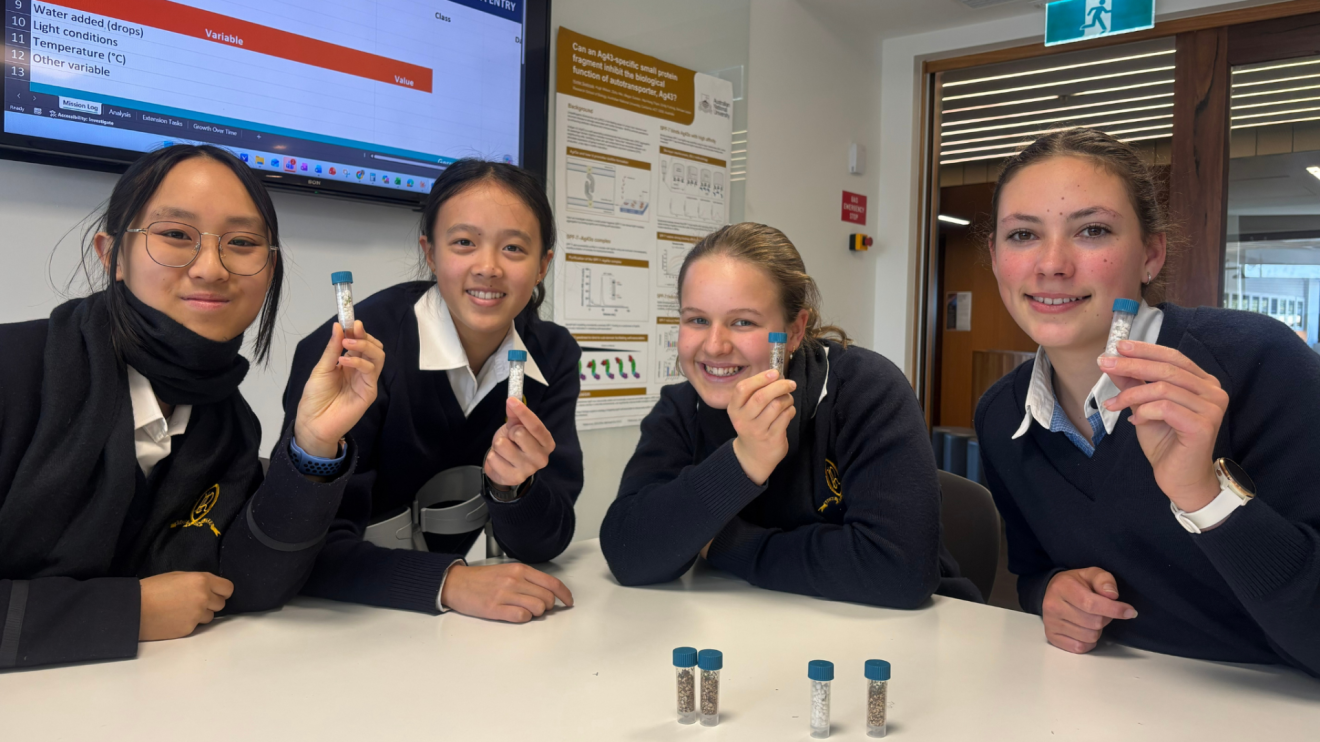
After receiving more than 1,400 Expressions of Interest from Australian schools since launching in July, Mission Sprout kits will now reach around 100,000 students nationwide.
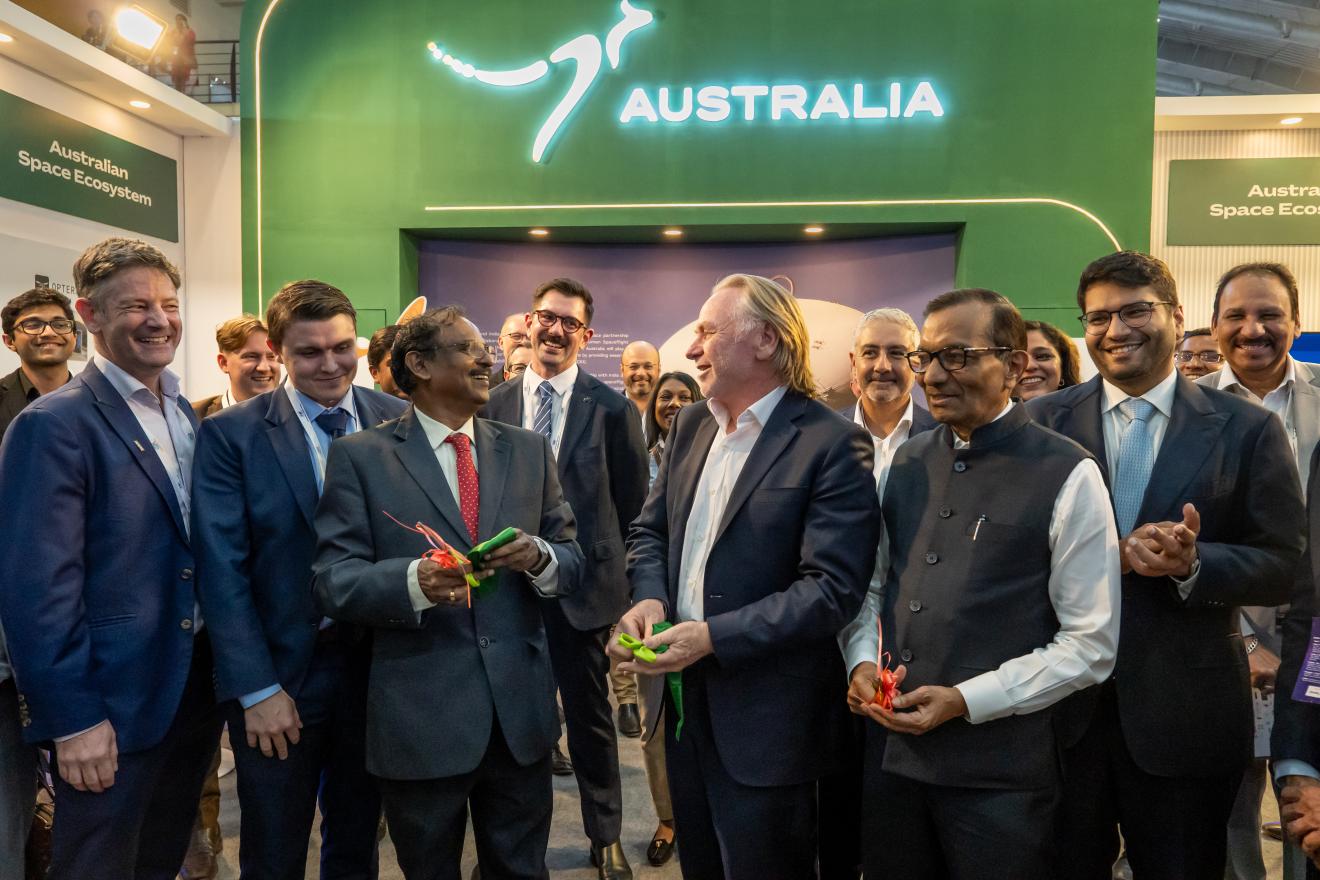
At the latest Bengaluru Space Expo, Australia’s partnership with India was elevated with new agreements signed – underscoring the growing depth of commercial collaboration between the two countries.
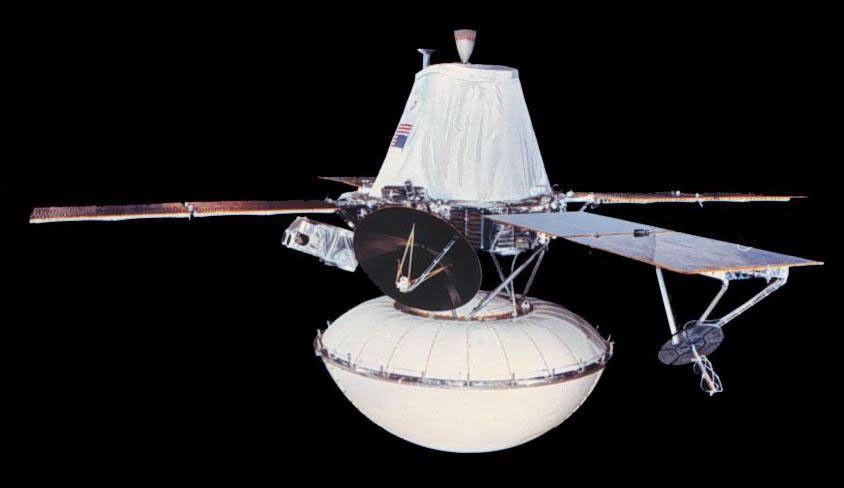
As Japan prepares to launch its mission to collect samples from the Martian Moon Phobos, explore through our interactive photo gallery how NASA’s historic Viking landings transformed Mars exploration.
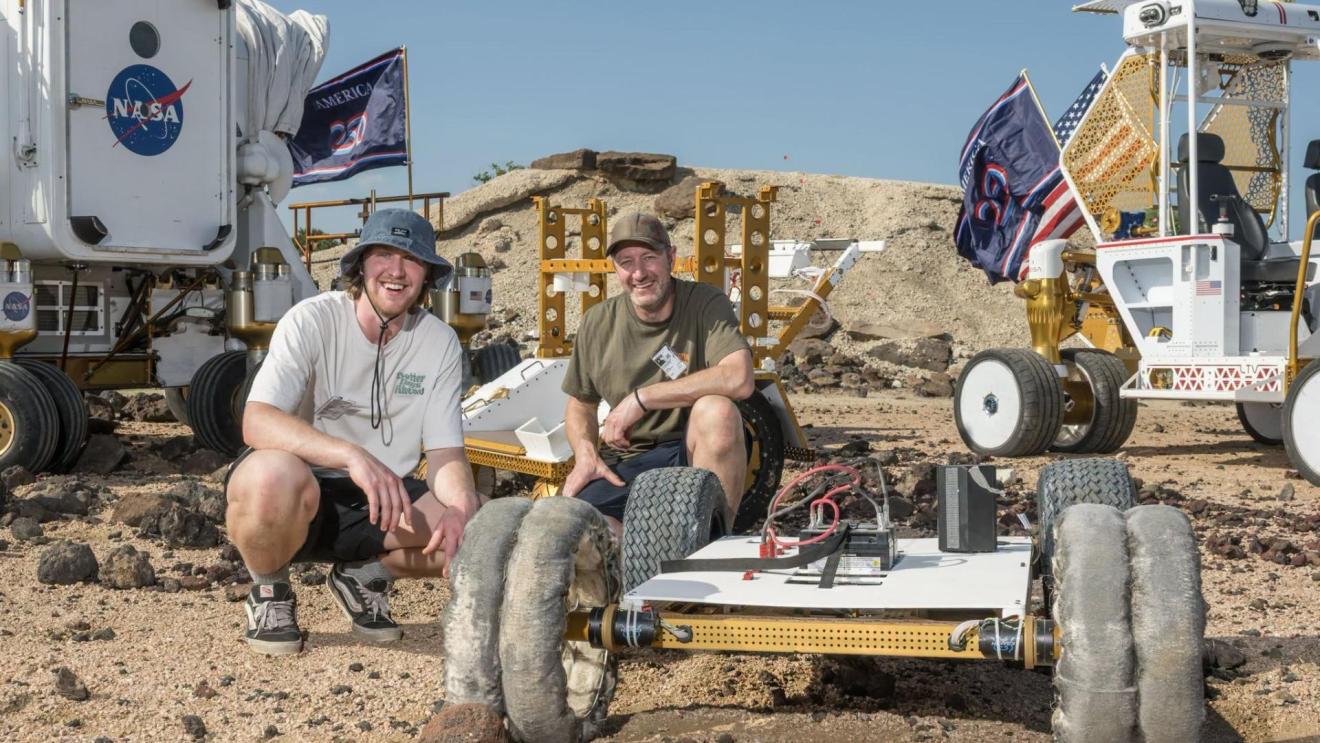
Inspired by a motorbike journey through one of Australia's most remote landscapes, engineer and full-time carer Daniel Bloomfield developed an unconventional solution that caught NASA's attention at their recent competition.
Here’s a recap of some of the key developments and capabilities from August that are shaping Australia’s space industry.
The five-decade long space cooperation between the two countries is set to reach a new milestone through JAXA's MMX mission, with Martian moon samples expected to return to South Australia by 2031.
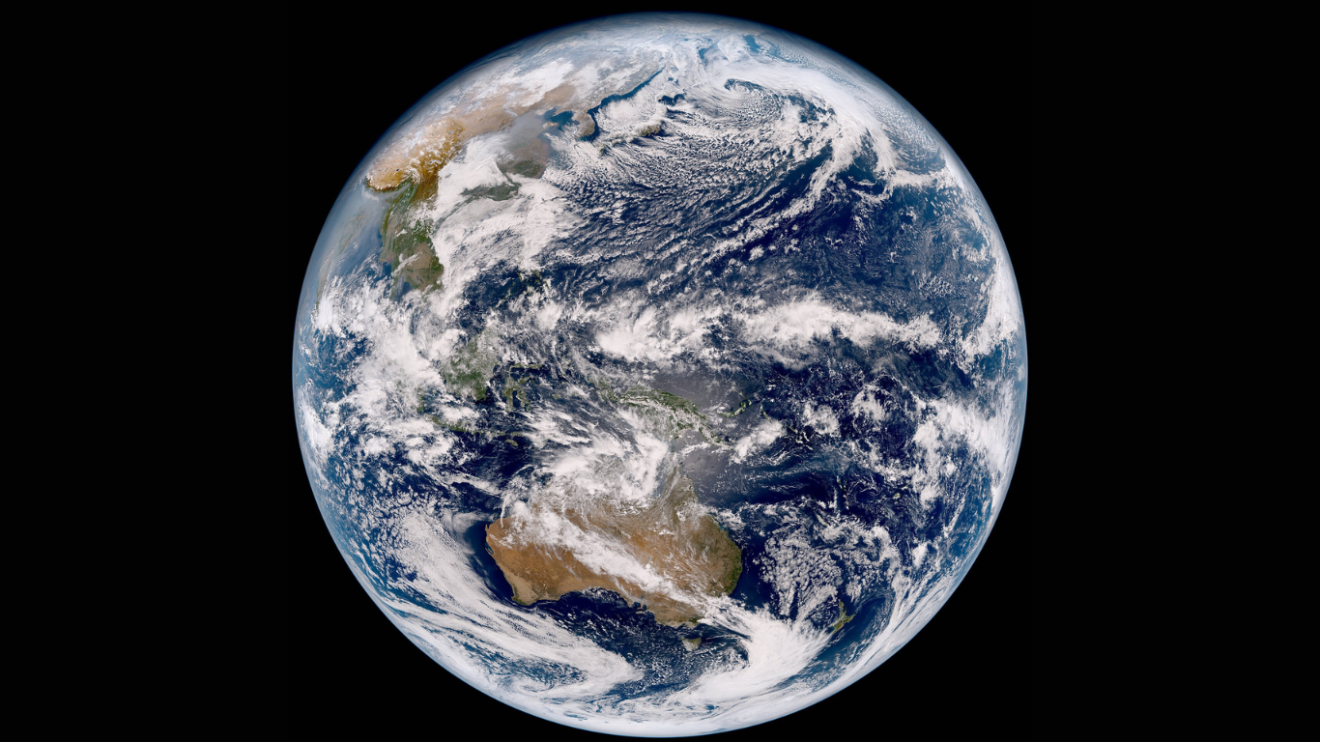
The Australian Space Agency is supporting a new educational opportunity giving young Australians hands-on experience in solving future food production challenges for space exploration.
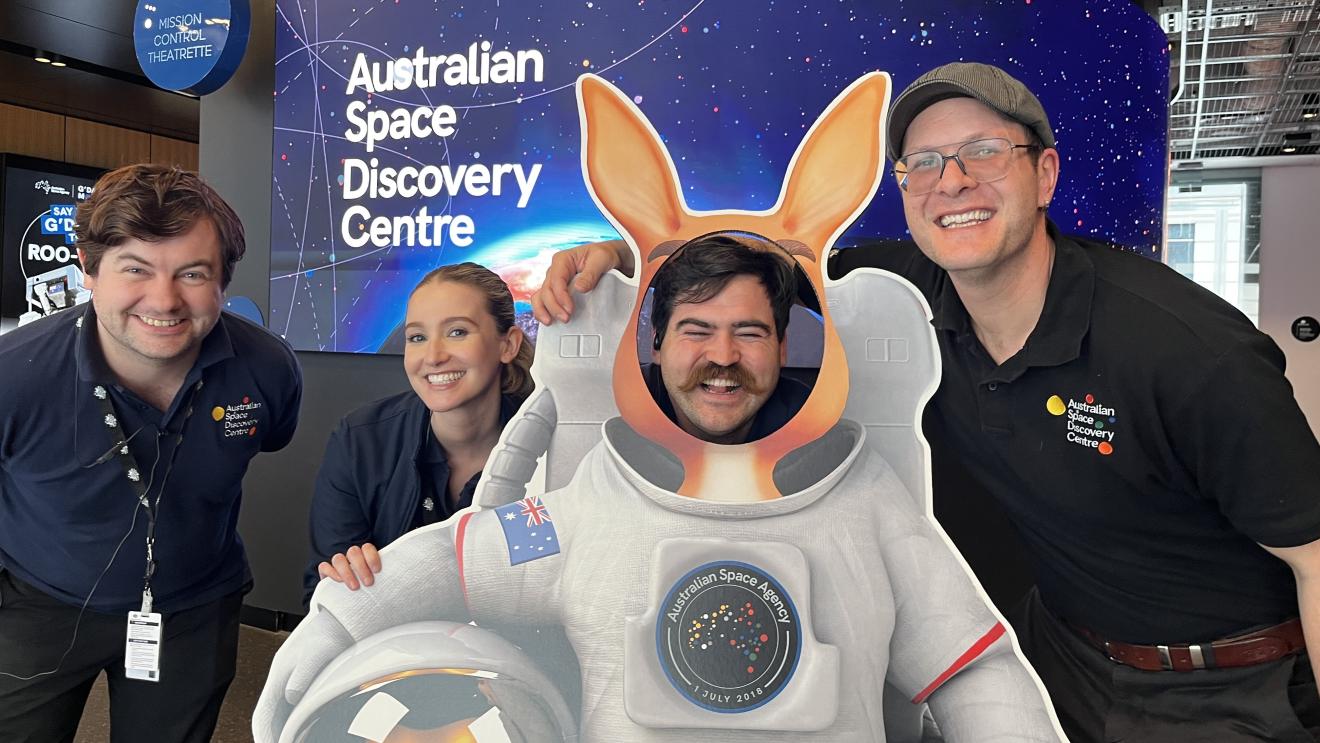
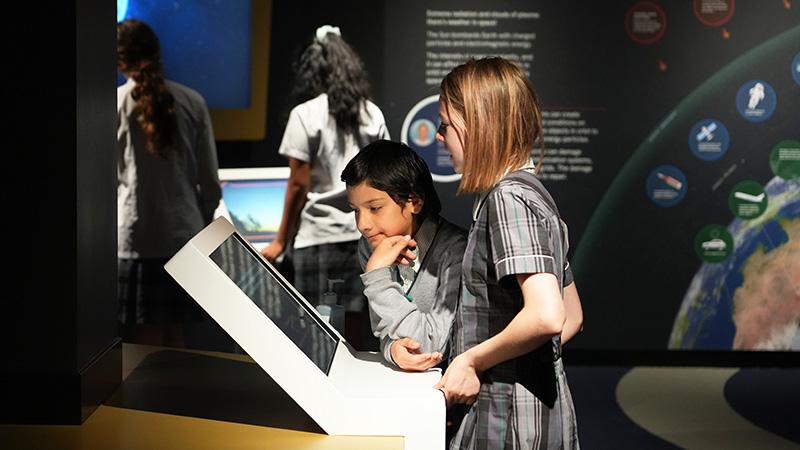
From 1 September 2026, the Discovery Centre's new operating model will ensure thousands more students can access a curriculum-aligned learning experience with a space focus.
A two-week test campaign for Australia's first lunar rover is underway at Adelaide University’s EXTERRES CRATER Facility. The testing will prove the rover's mobility in a lunar simulated environment.