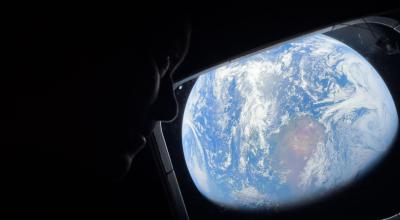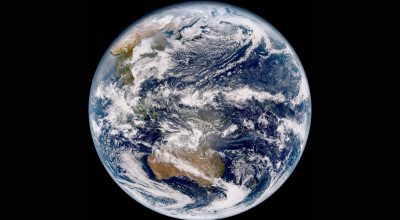

Uniting the Southern Hemisphere.
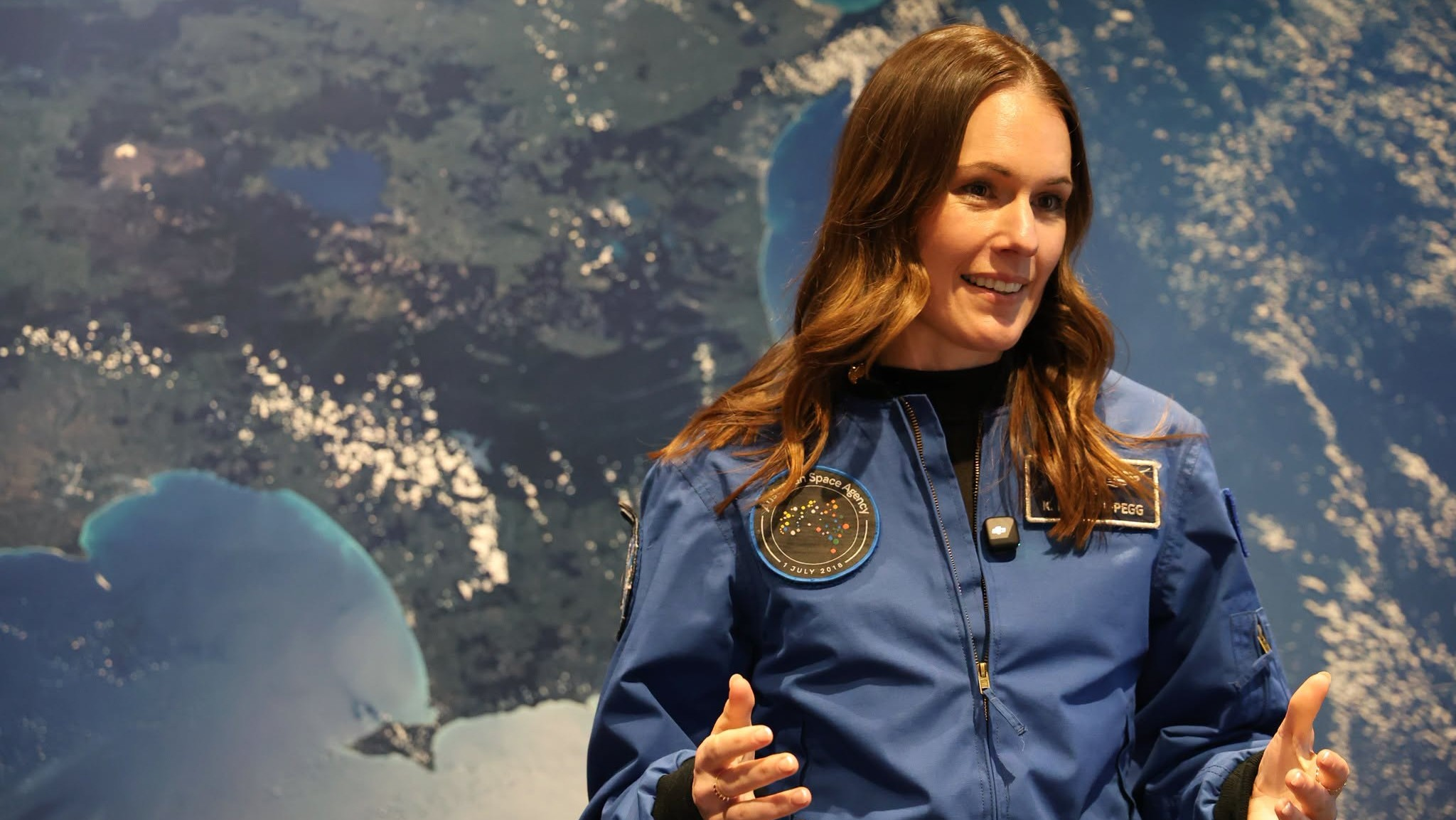
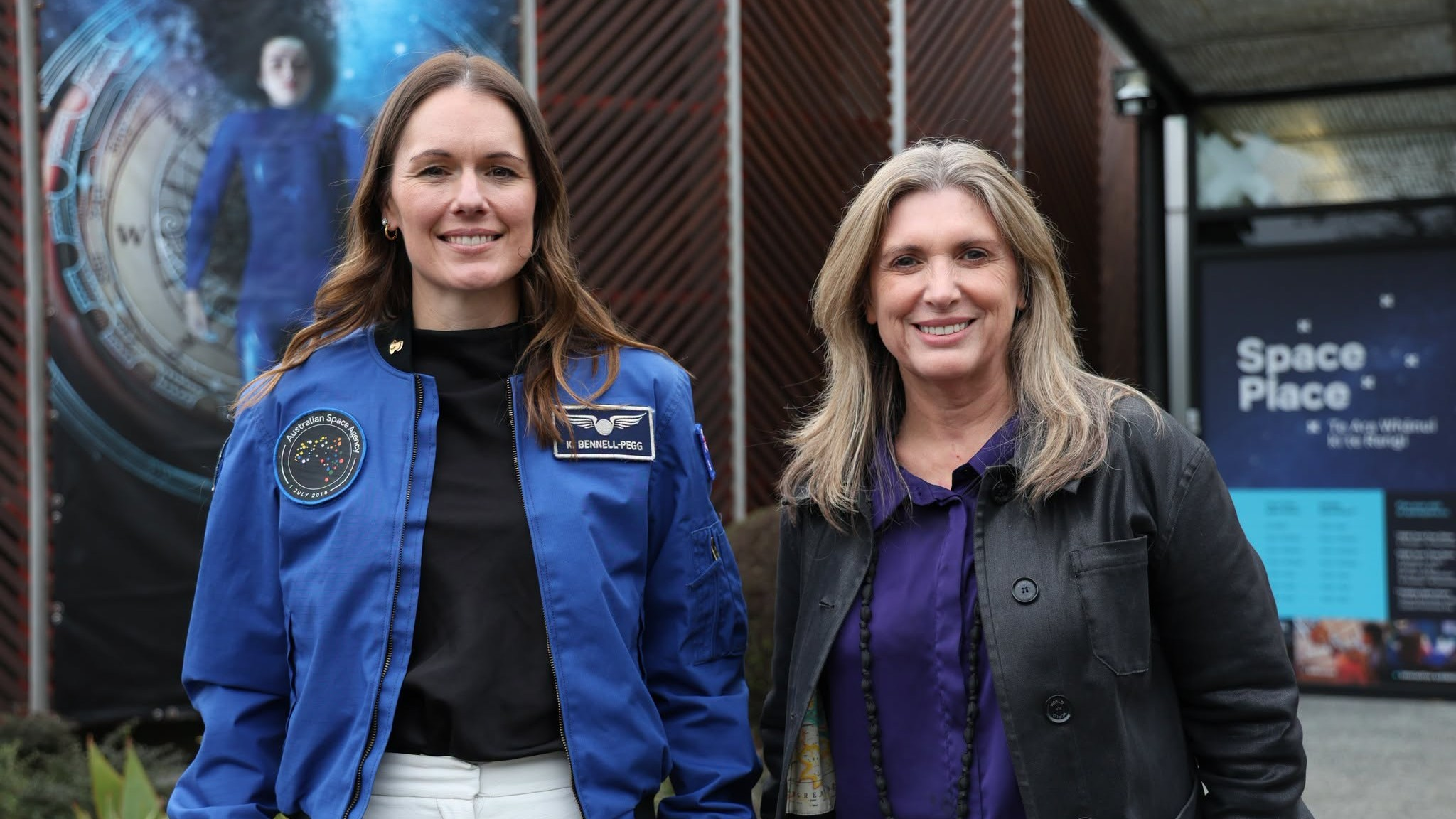
During a three-day visit to New Zealand, Australian astronaut Katherine Bennell-Pegg put a bright spotlight on the people, partnerships and shared heritage helping both nations make their mark in the global space sector.
Across Wellington and Christchurch, the 2026 Australian of the Year used the delegation visit to highlight how the trans-Tasman space innovation ecosystem is already making an impact.
From schools and universities to aerospace companies and government meetings, Katherine’s visit reinforced a powerful message: Australia and New Zealand are no longer just participants in the global space sector – they are helping shape it.
A shared heritage of exploration
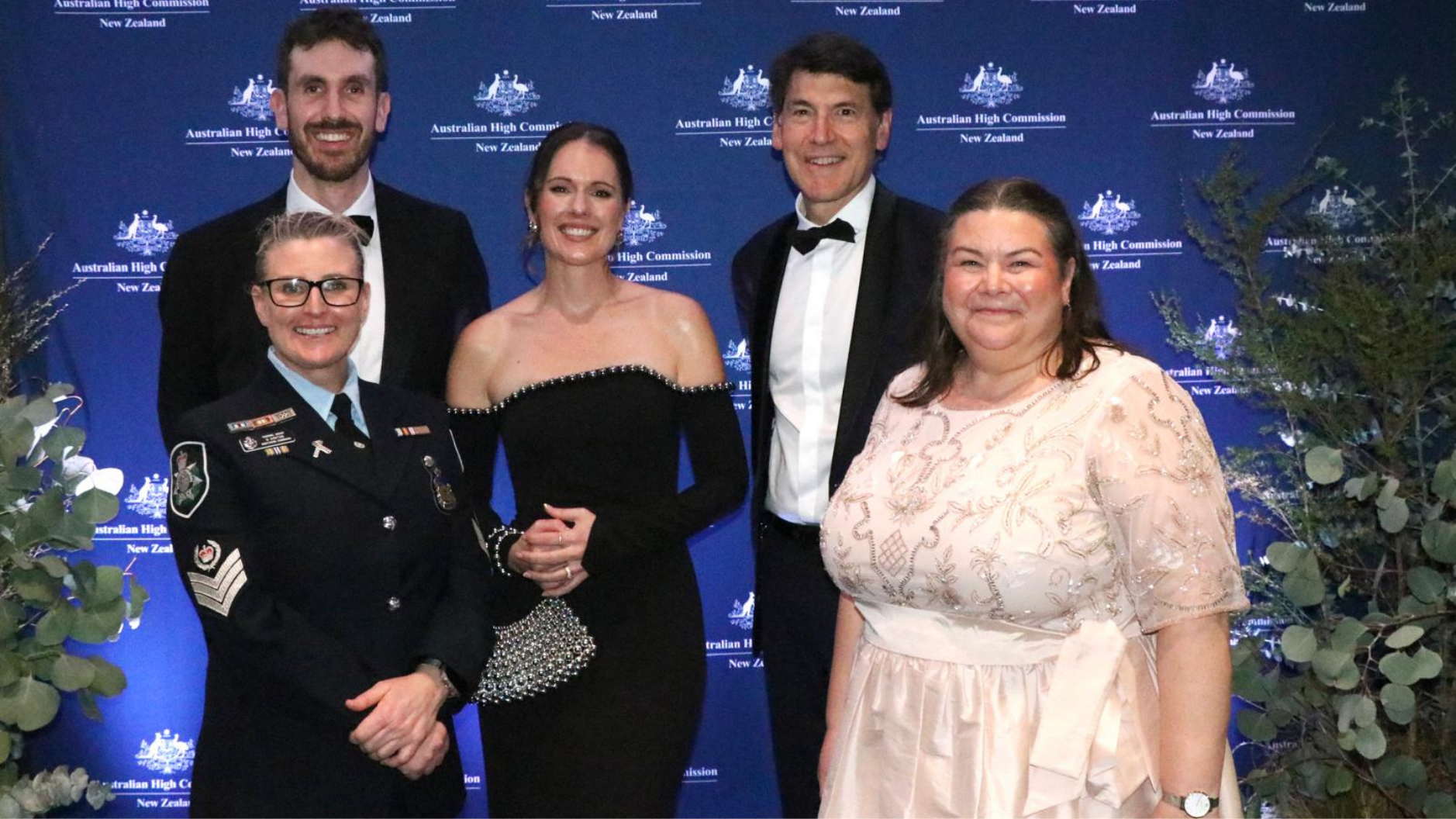
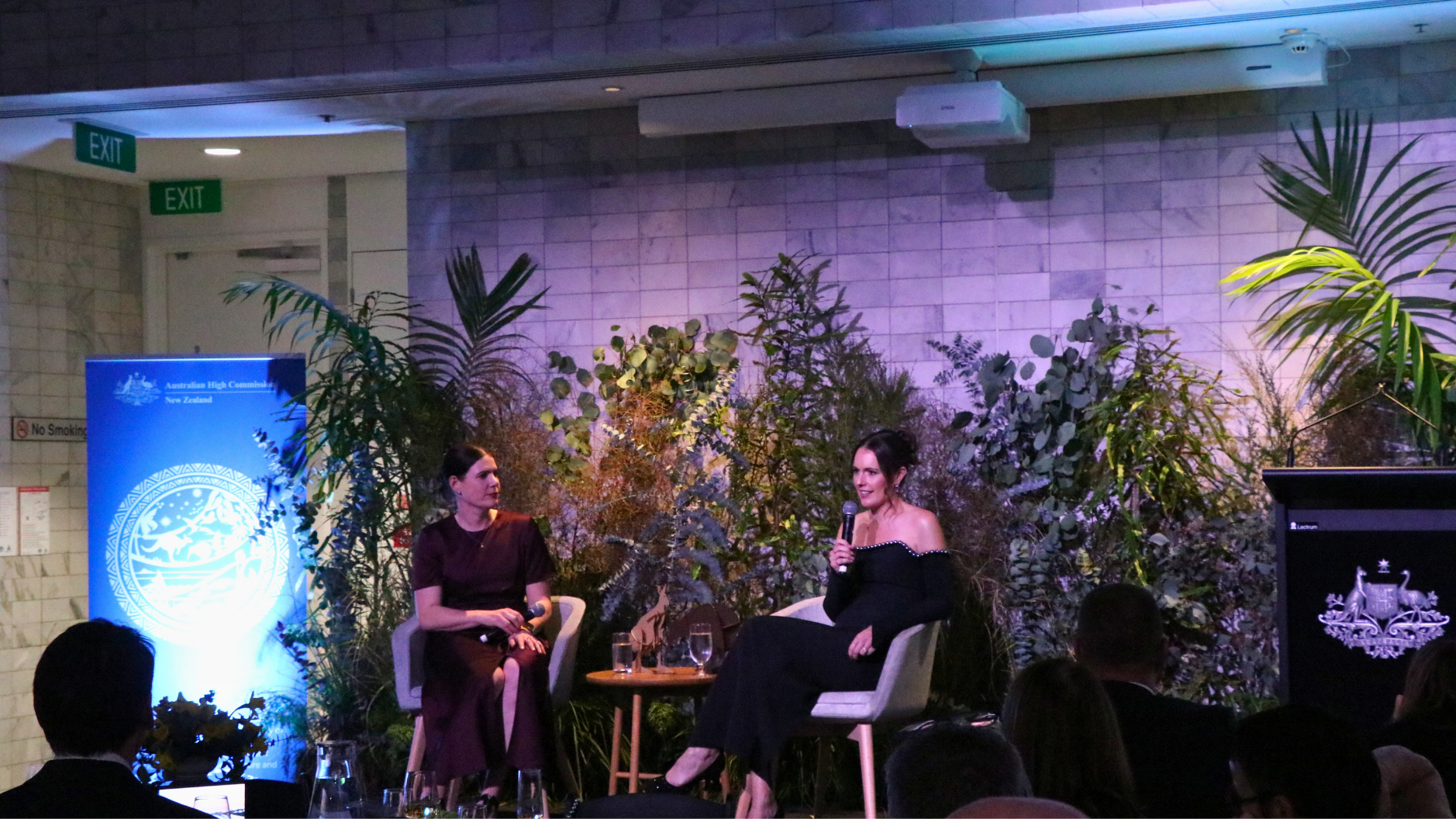
Speaking at an event hosted by the Australian High Commission in Wellington, Katherine reflected on the deep links between space, exploration and the cultures of Australia and New Zealand.
She shared how heritage gives the region a distinctive voice in the global space conversation – one grounded not only in technology and innovation, but in knowledge systems, stewardship and exploration.
"Long before astronauts, there were navigators. Long before rockets, there were ocean voyages.
Across Australia, the world’s oldest continuous astronomical knowledge is held by First Nations peoples, while Māori communities in New Zealand carry their own rich traditions of navigation, sky knowledge and connection to place."
~ Australian astronaut Katherine Bennell-Pegg.
Inspiring the next generation
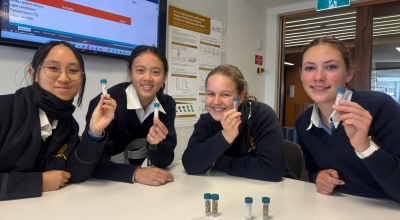
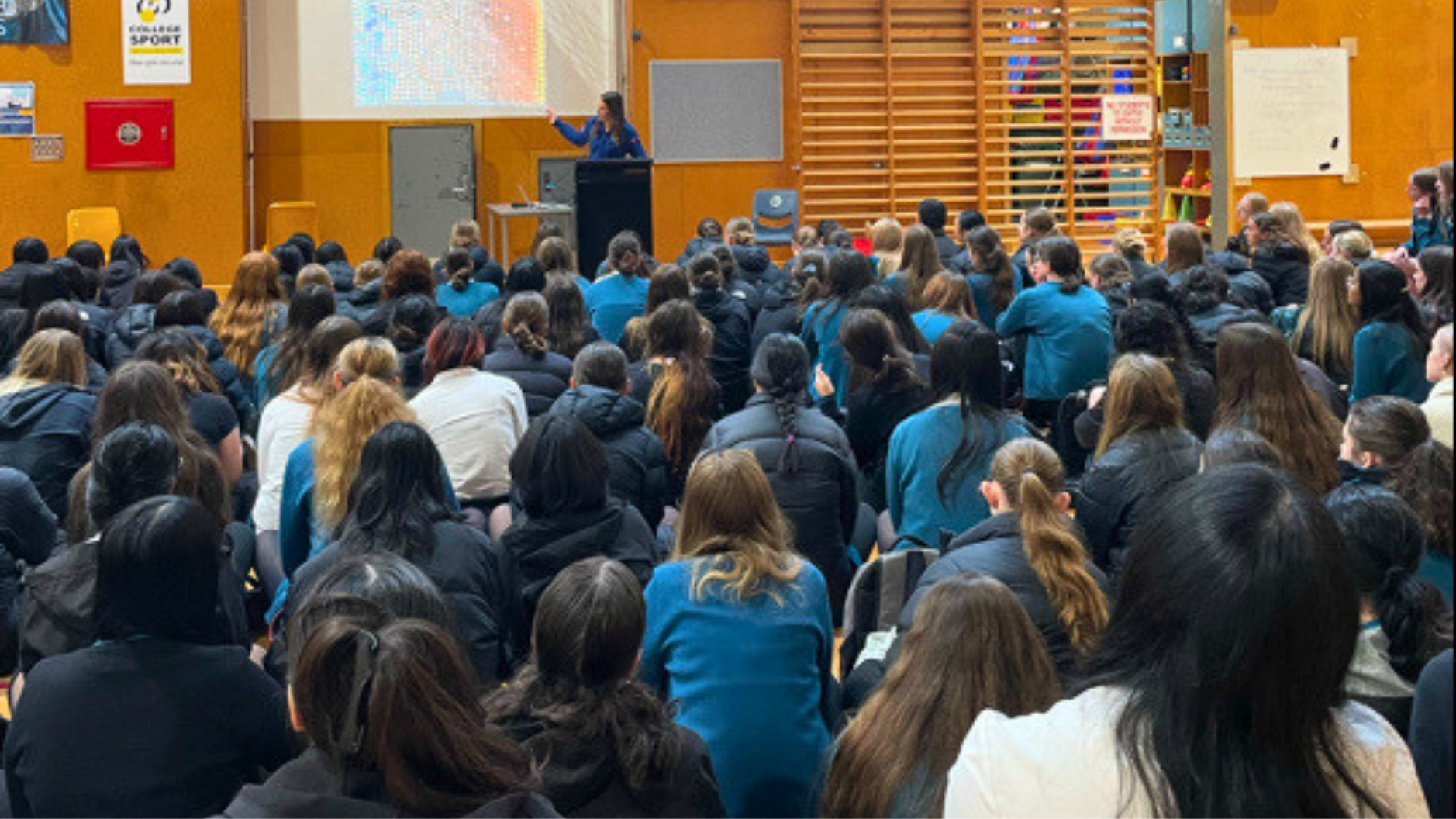
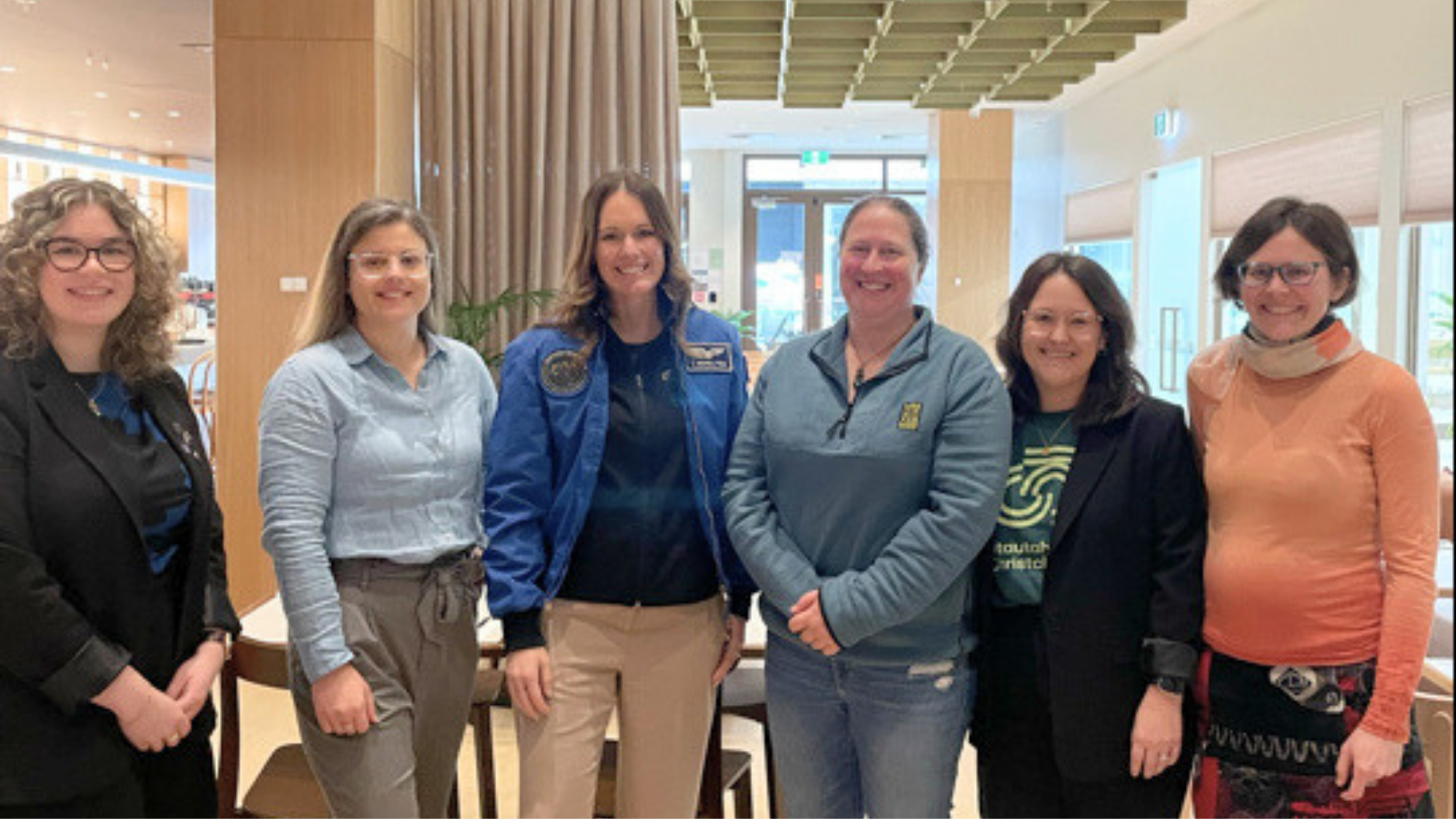
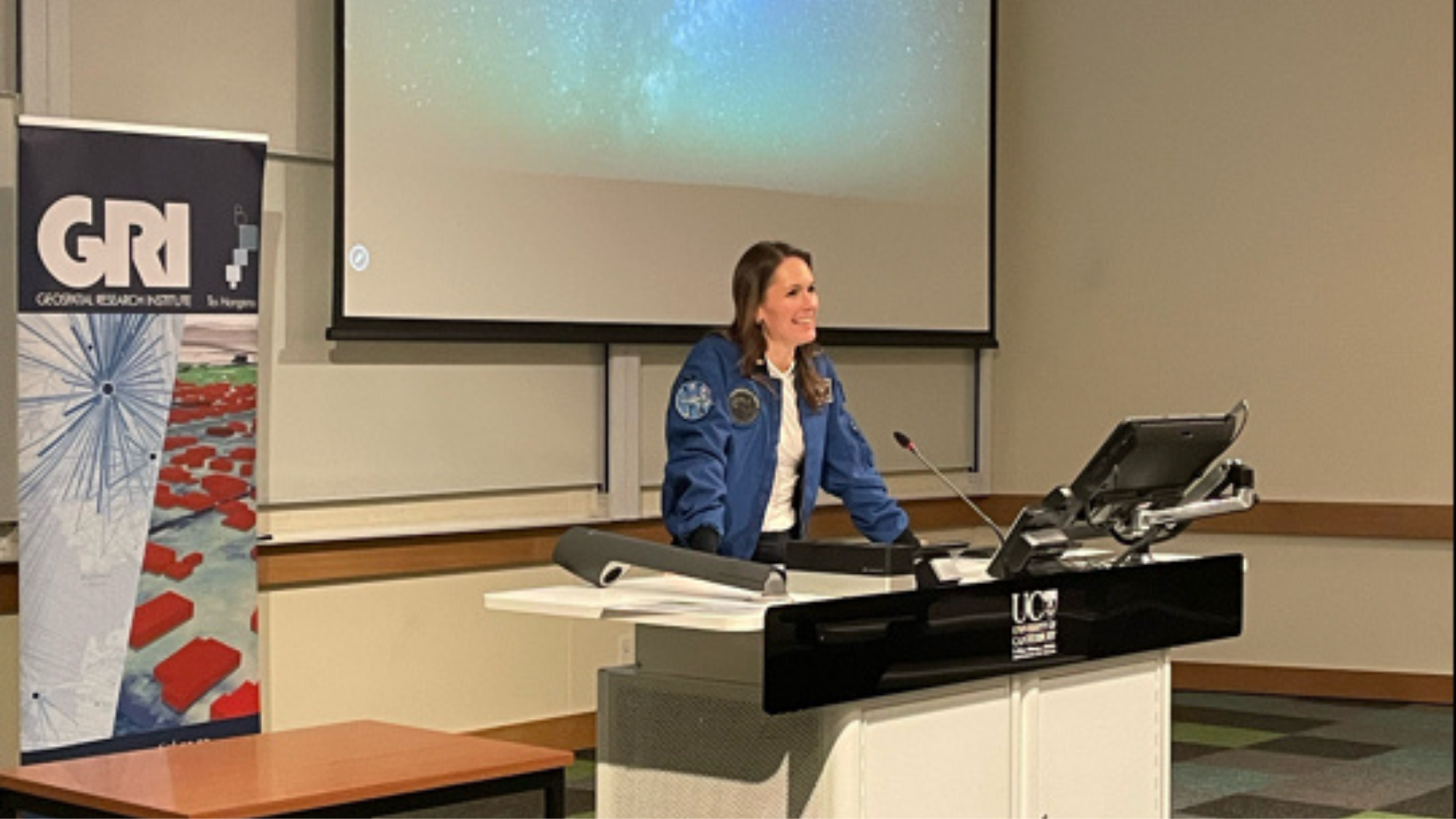
During her visit, Katherine met with students at Wellington Girls’ College, presented at the University of Canterbury in Christchurch, and joined a breakfast with women in the space sector.
Her story – from engineer to professional astronaut – offered students and early-career professionals a practical and inspiring view of what a future in space can look like.
The visit also underscored the importance of workforce development as both countries build capability across research, advanced manufacturing, launch, geospatial services, aerospace and mission operations.
Building stronger trans-Tasman capability
Australia and New Zealand have been steadily deepening their space cooperation.
In 2019, the two nations signed an agreement to support collaboration across orbital and suborbital missions, ground segment networks and remote asset management.
More recently, Australia’s SmartSat CRC signed a memorandum of understanding with the New Zealand Space Agency to support new projects, expertise and capability across the sector.
One flagship example is SouthPAN, the bilateral satellite-based augmentation system set to improve location accuracy from around 5–10 metres to as little as 10 centimetres – without relying on mobile or internet coverage. This capability has major implications for transport, agriculture, emergency management, resources and remote operations.
A region ready to scale
According to Katherine, the advantages are clear. Australia and New Zealand offer stable economies, skilled workforces, clear and well-characterised skies, and industries shaped by the challenge of operating across vast and remote environments.
Through her many engagements she pointed to a bigger opportunity: a Southern Hemisphere space ecosystem with the heritage, talent and ambition to make a greater global impact – strengths that are already being translated into space capability.
"From Rocket Lab and Dawn Aerospace in New Zealand to Gilmour Space, Myriota, Fugro and Fleet Space in Australia… we are no longer passengers but helping shape the future of the global space sector."
~ Australian astronaut Katherine Bennell-Pegg
Astro gallery
Across Wellington and Christchurch, Katherine encouraged industry, students, researchers and government leaders to think even bigger about the region’s role in the future space economy.
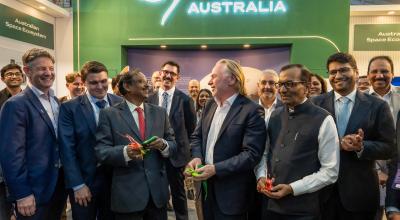
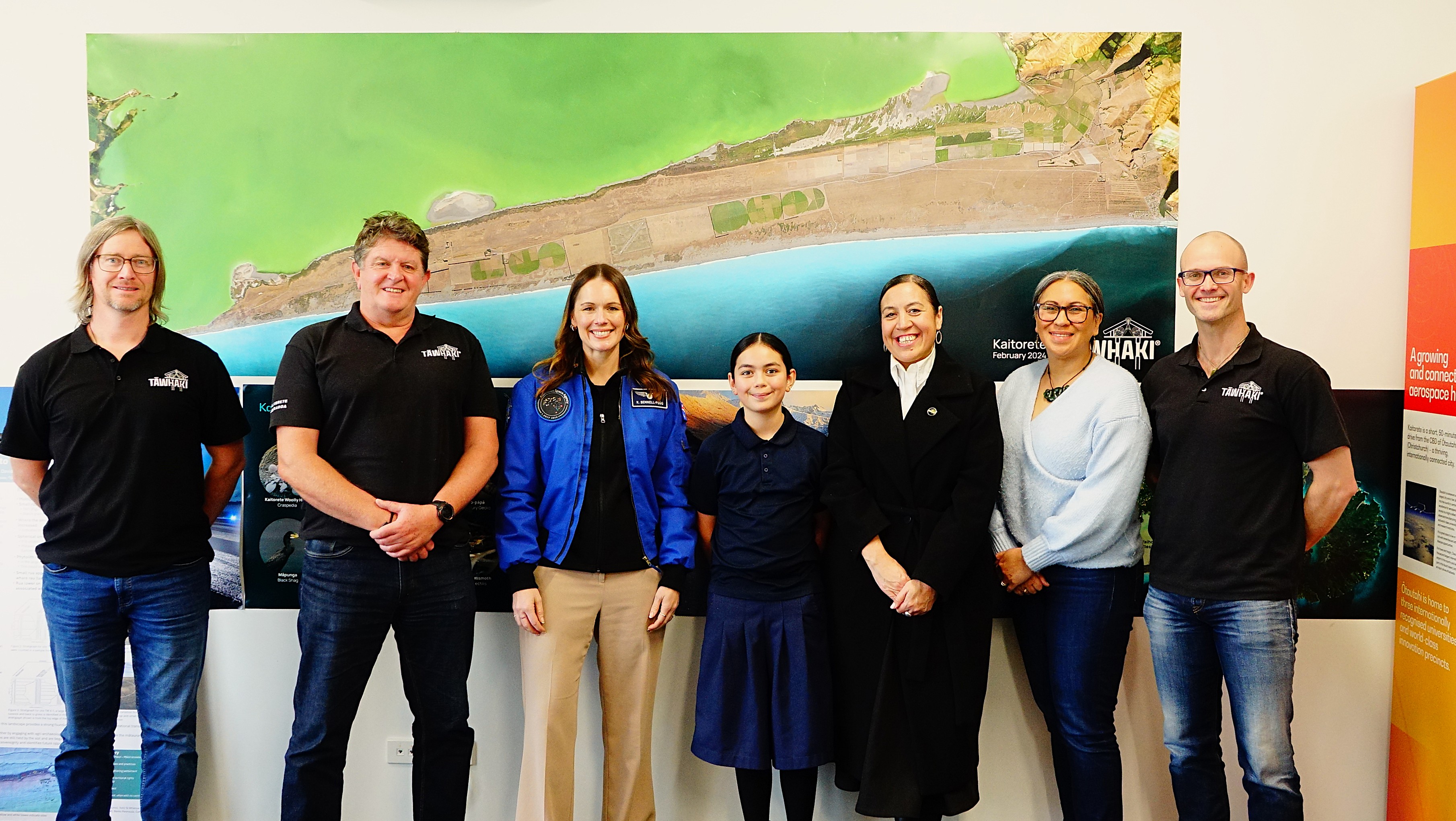
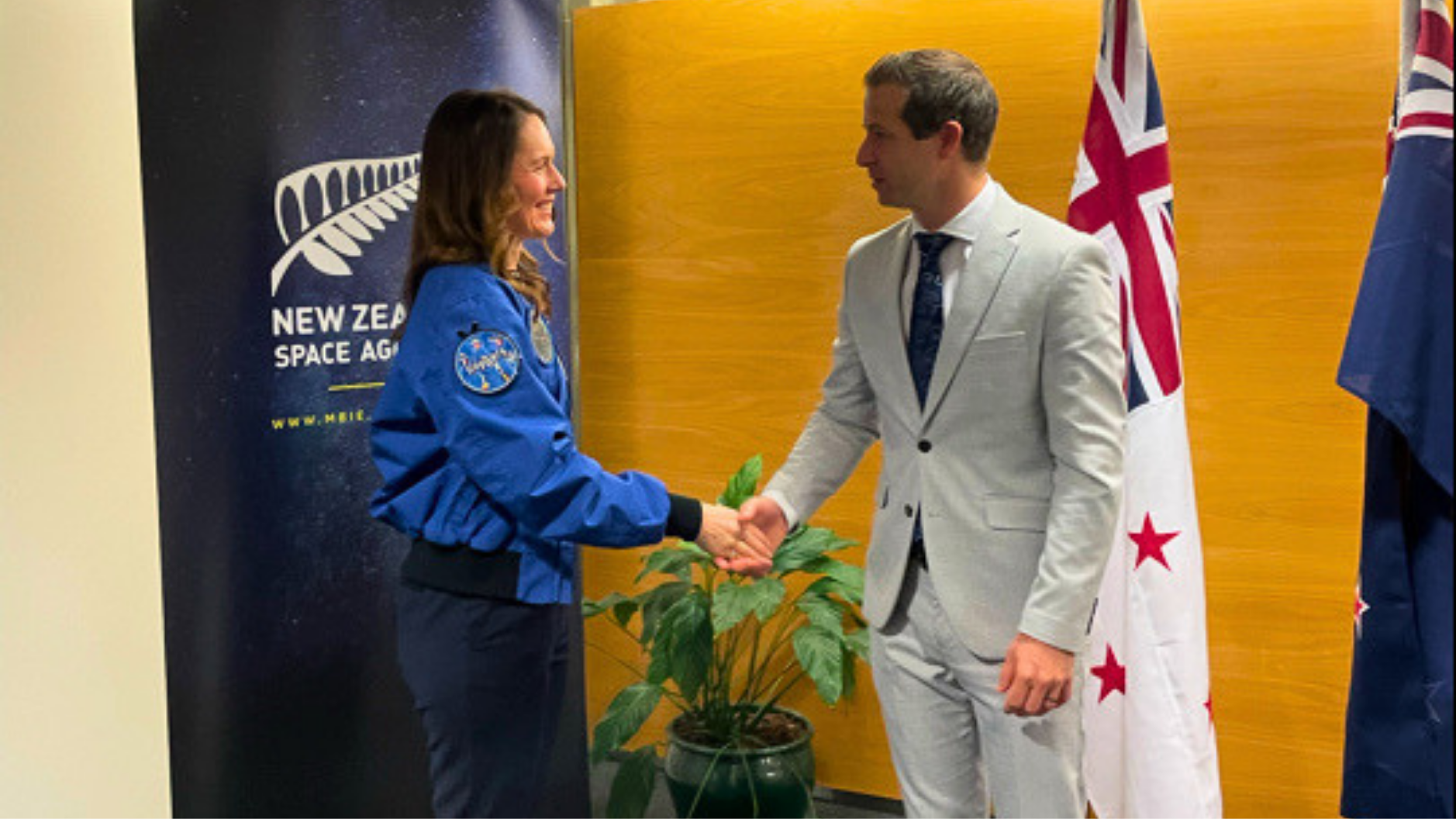
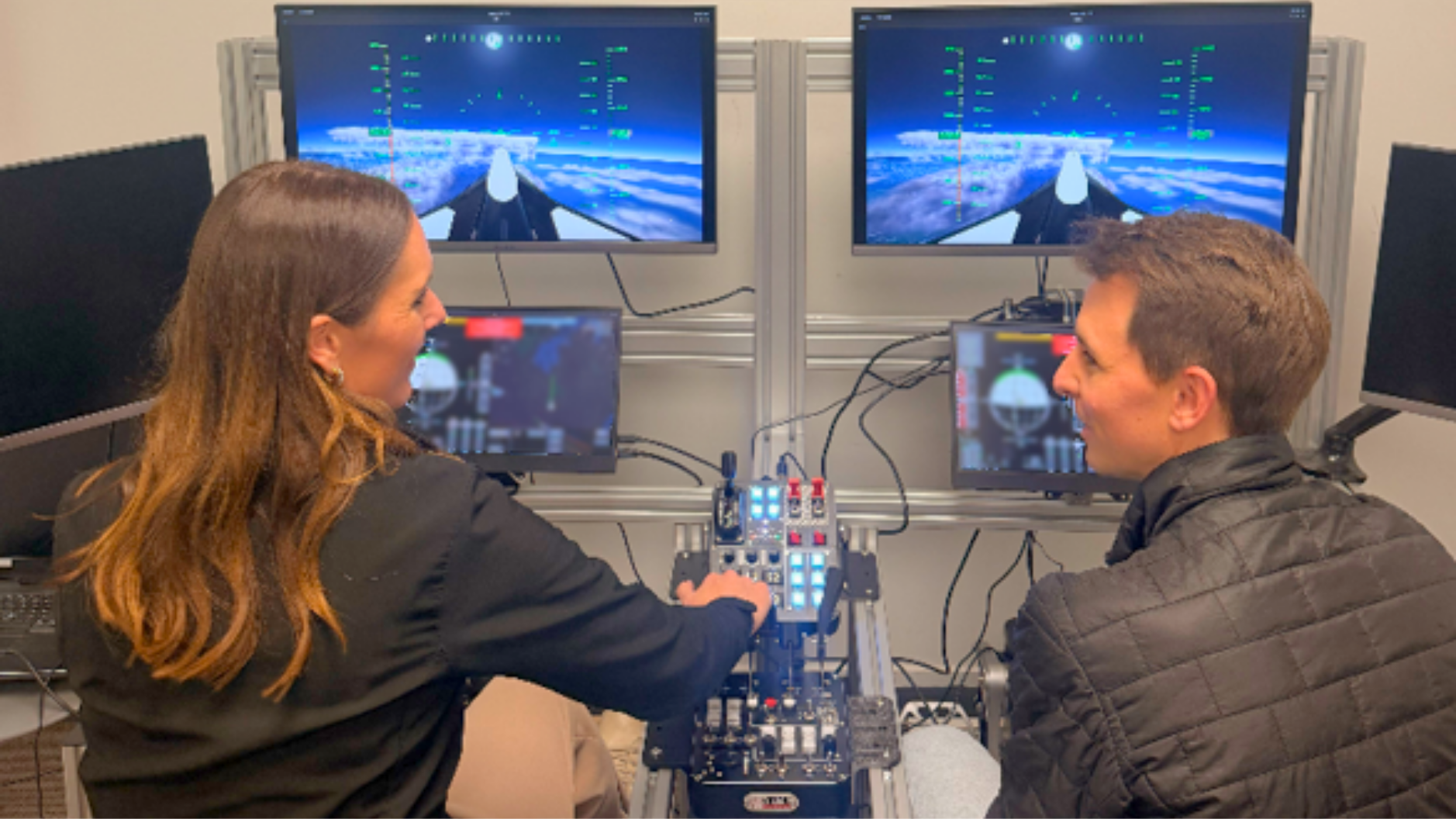
Her space sector visits included meetings with New Zealand Government counterparts, Minister for Space Chris Penk, tours of the Geospatial Research Institute, Kea Aerospace, Tāwhaki National Aerospace Centre and Dawn Aerospace.

International partnerships
The Australian Space Agency is the gateway for the global space sector to engage with Australia across a wide range of space programs and activities.