Space seeds to sprout next generation STEM workforce.
Australia’s future scientists, engineers and innovators could soon be conducting real space research from their own classrooms with Expressions of Interest for the Mission Sprouts Program now open.
The Mission Sprouts program is being delivered in a collaboration between the Australian Space Agency, Swinburne University of Technology and the National Australia Day Council. It will aim to get the free space seed experiment kits into around 1 in 10 Australian schools by the end of the year.
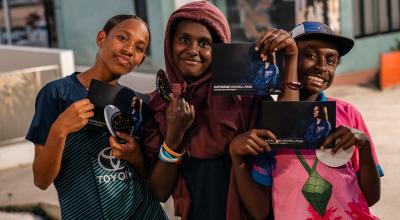
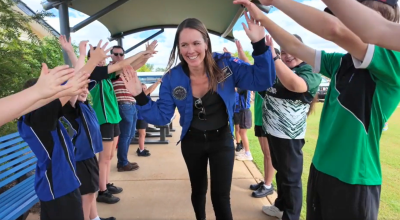
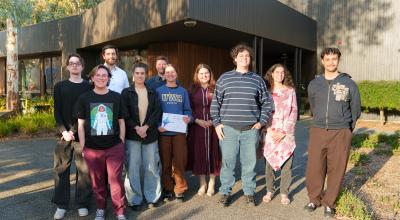
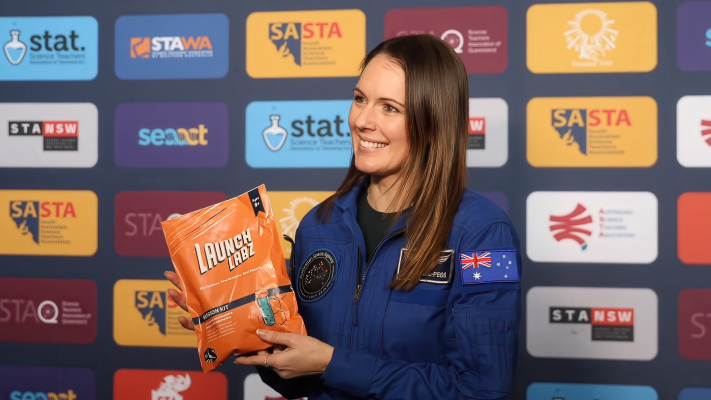
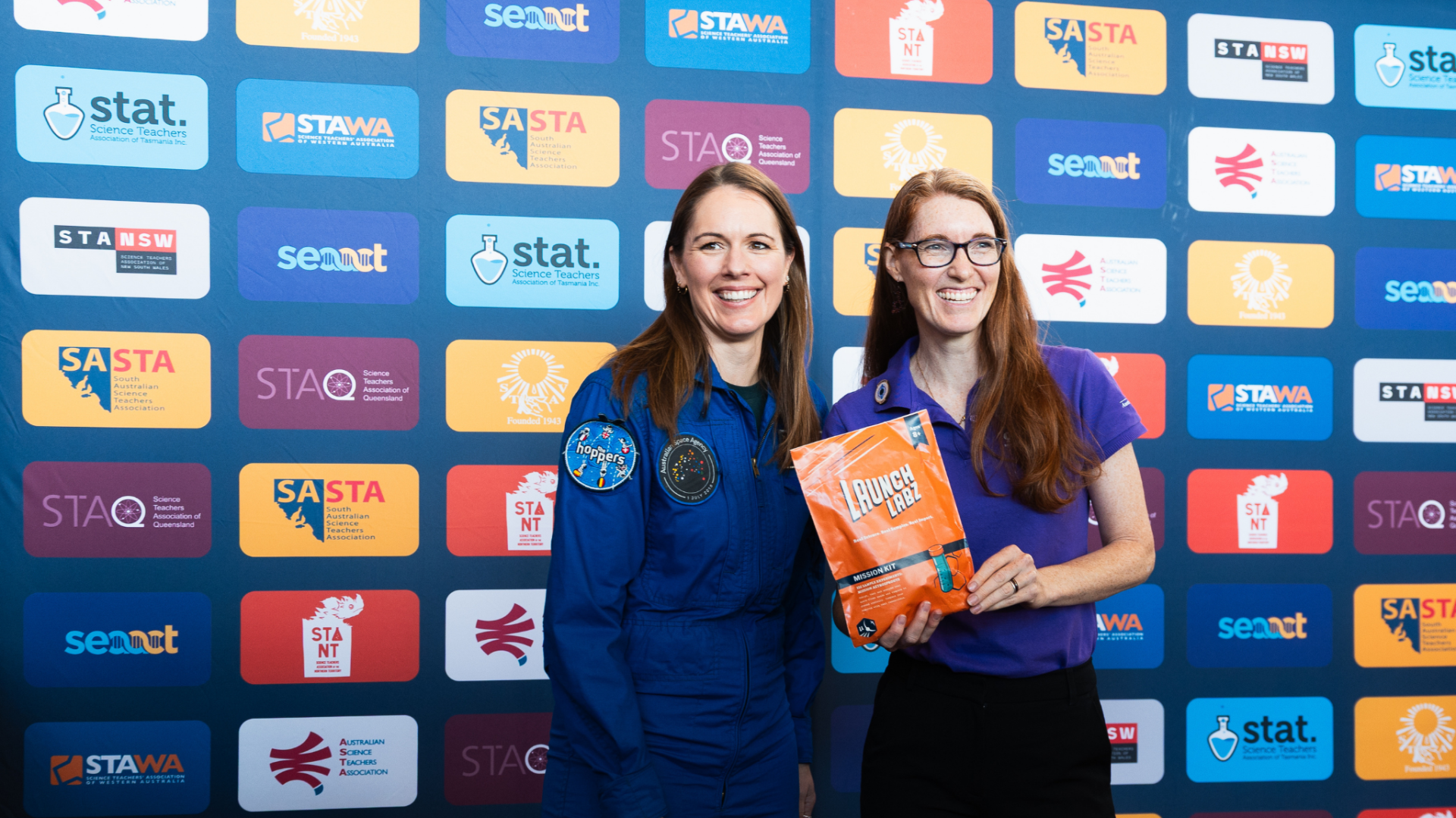
The first 400 kits were distributed at ConASTA 73 in Brisbane earlier this month, when Australian astronaut and 2026 Australian of the Year Katherine Bennell-Pegg officially announced the Mission Sprouts program.
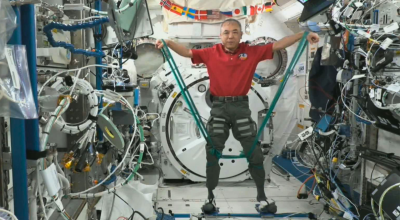
This program gives Australian school students a rare opportunity to work with seeds that have actually travelled to the International Space Station.
Want a Mission Sprouts' kit for your school?
Expressions of Interest now open until 23 August 2026.
How Mission Sprouts works
At the heart of Mission Sprouts is one of the most important questions facing future space exploration – how does spaceflight affect plant growth?
Students will compare space-flown seeds with Earth-grown controls, contributing to authentic Australian research while learning the fundamentals of scientific inquiry, critical thinking and evidence-based decision making.
By bringing real space science into classrooms nationwide, this new national program is helping students first-hand realise that a future in STEM and space is within reach.
"Mission Sprouts is about planting curiosity through space. These kits turn space from something students learn about into something they can touch, investigate and explore."
~ Australian astronaut and 2026 Australian of the Year Katherine Bennell-Pegg
From classroom curiosity to Australia's future workforce
This national program arrives at a crucial time for Australia’s STEM pipeline.
Australian Government data indicates that enrolments in senior secondary mathematics and physics across the country have fallen, while concerns continue about science proficiency and digital literacy outcomes. Industry leaders have warned that growing demand for technical and advanced manufacturing skills will require stronger engagement with STEM from an early age.
Mission Sprouts aims to tackle that challenge by making space feel tangible and achievable.
Through this program, students will gain hands-on access to genuine space-flown materials – something that has traditionally been rare due to the limited availability of research samples that return from orbit.
Making space within reach
The initiative also highlights the growing maturity of Australia’s space sector and its increasing focus on developing future talent.
Beyond supporting future deep-space missions, research into plant growth in microgravity has potential applications for agriculture, food security and health outcomes on Earth. By connecting these real-world challenges with classroom learning, Mission Sprouts demonstrates how space research can deliver benefits across multiple industries.
This project builds on Swinburne University of Technology’s successful AstroSprouts pilot and includes curriculum-aligned resources designed to support teachers and integrate seamlessly into classroom programs.
Want a Mission Sprouts' kit for your school?
Expressions of Interest now open until 23 August 2026.
Credit for all images used in this article: Nathan McNeil