NASA's Artemis program
Artemis II
Australia’s support for NASA stretches back to the Apollo era, when Australian tracking stations helped relay the historic missions of the 1960s and 70s. That legacy continued through the successful Artemis I launch in 2022, with Australian facilities once again supporting mission tracking and communications.
NASA's latest milestone, Artemis II was launched on 2 April 2026 (Australian time) and returned to Earth on 11 April 2026, carrying humans around the Moon for the first time in more than 50 years.
Over its nine-day mission, Artemis II broke several records, including taking humans the furthest from Earth than ever before. The mission’s lunar flyby also captured stunning images, including a rare solar eclipse, a historic 'Earthset' image, and never-before-seen views of the Moon’s far side.
Australia was right there supporting NASA.

Artemis unlocking Earth-based innovations
Learn about the Earth-based innovations and multifaceted goals of the Artemis program.
Australia’s role in Artemis II
As a founding signatory to the Artemis Accords in 2020, Australia is helping shape the principles and partnerships guiding safe and sustainable exploration of the Moon and beyond.
Australia directly contributed specialised capabilities and expertise to the Artemis II mission through:
CSIRO, Australia’s national science agency
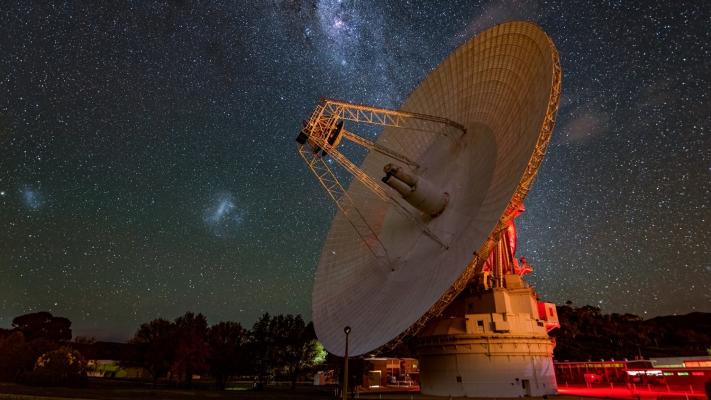
• CSIRO operates NASA’s Canberra Deep Space Communication Complex, one of three stations that helped NASA stay connected with the astronauts on their journey to the Moon and back.
• Murriyang, CSIRO’s Parkes radio telescope, passively tracked the Artemis II mission as part of Intuitive Machines’ ground station network.
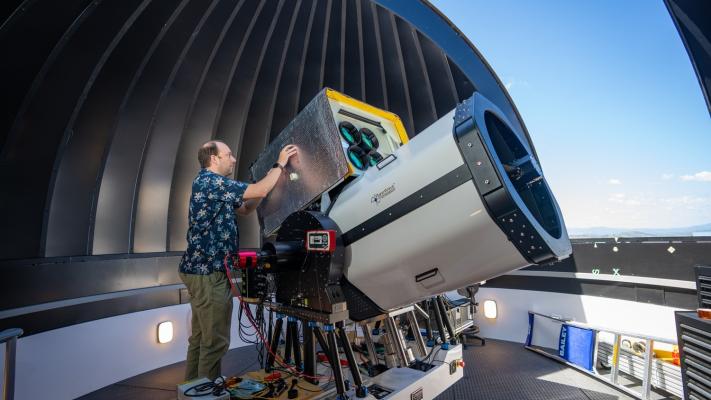
• CSIRO’s mobile mission operations centre provided sophisticated mission control facilities for the ANU optical communication ground station demonstration.
The Australian National University (ANU)
ANU lend its unique expertise in laser (optical) communications technologies to conduct a demonstration with the mission.
• As part of Artemis II, NASA flew an optical communications system aboard Orion, which demonstrated the operational utility of laser communications including its ability to support human spaceflight operations.
• This project received $4.5 million funding from the Australian Government through the Australian Space Agency’s Moon to Mars Demonstrator Mission Grant program.
Southern Launch was also involved in tracking the Artemis II mission from Australia. They jointly operate their TALON telemetry dish with US-based Raven Defense from regional South Australia.
The Aussie company supported the passive tracking of the Orion spacecraft, enabling the collection of high-quality tracking data without transmitting commands or signals to the vehicle.
Artemis III and Future Aussie Moon Projects
Looking ahead, the Australian space sector will support NASA’s Artemis objectives through other missions to the Moon.
Many of the capabilities on these missions are backed by Australian Space Agency's programs. They will test new technologies, conduct groundbreaking lunar science, and prepare for future missions.
The Aussie organisations and capabilities that will support Artemis III are:
LEAF
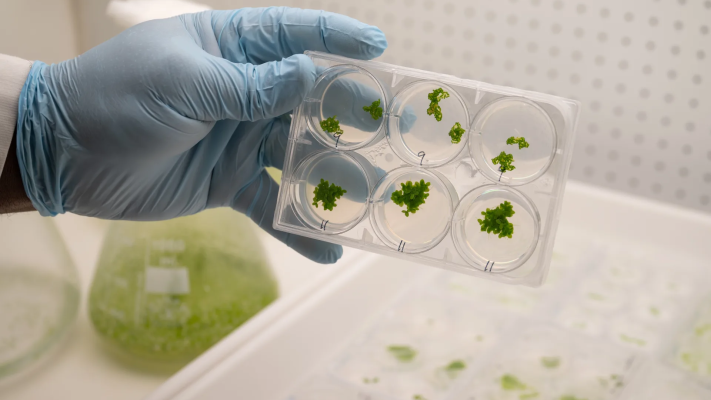
The Lunar Effects on Agricultural Flora (LEAF) project will study how the lunar environment affects the germination of plants that maybe used to feed astronauts.
LDA
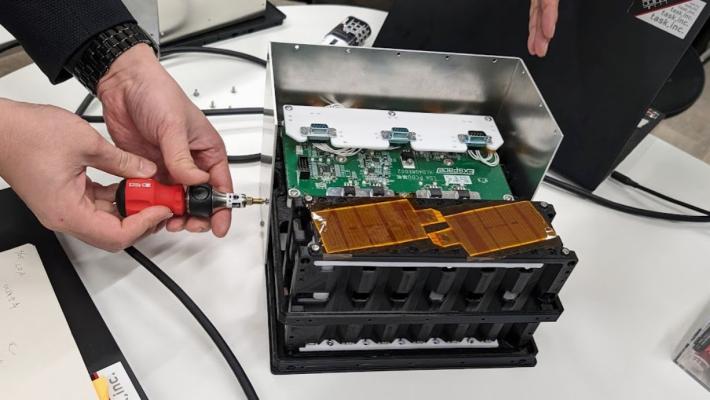
The Lunar Dielectric Analyzer (LDA) is an international payload that will gather essential information about the structure of the Moon's surface.
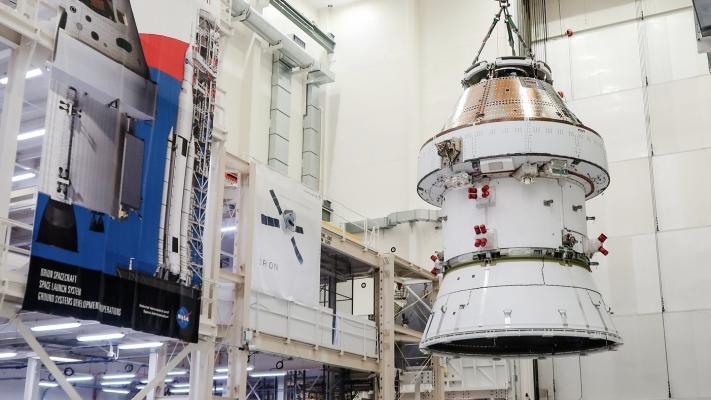
Aussie manufacturing
Axiom Precision and Nupress Group have developed components as part of the Orion capsule program. They are contracted by Lockheed Martin as global supply chain partners.
A trusted partner in lunar exploration
As part of NASA’s Commercial Lunar Payload Services initiative, five innovative Aussie capabilities will demonstrate the strength, creativity and growing global impact of Australia’s space sector.
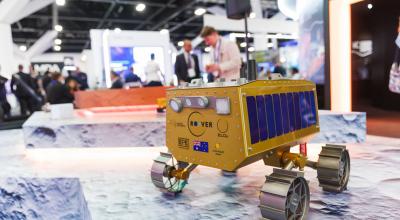
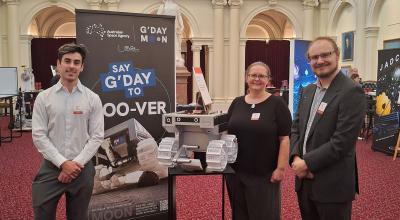
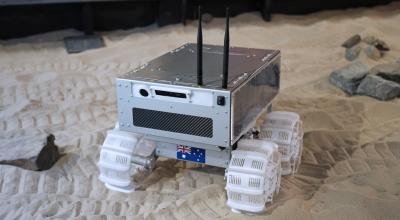
From the first Australian lunar rover – Roo-ver that will land on the lunar South Pole region in 2030 – through to growing plants on the Moon, Australia’s contributions to the Artemis generation are extensive and varied.
Supported by funding from the Australian Space Agency, the future Aussie Moon projects and capabilities that will support NASA’s Artemis objectives are:
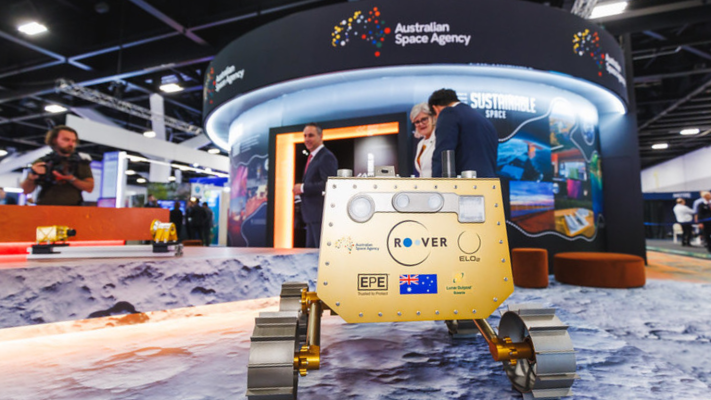
Roo-ver
Our first-ever Moon rover's objectives include enabling demonstration payloads that will collect data about the lunar surface to support international space exploration goals.
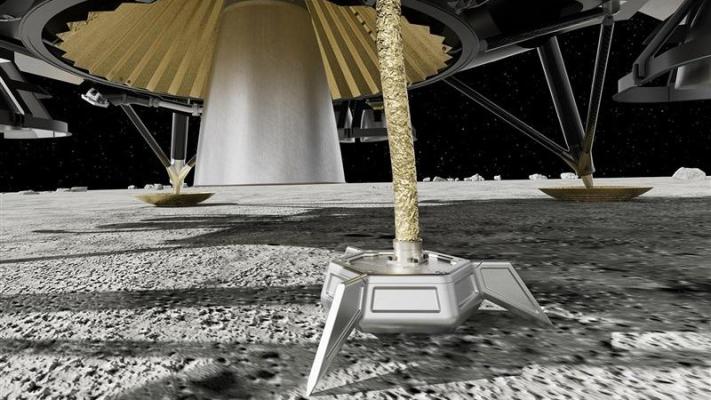
SPIDER
Fleet Space's technology will demonstrate the use of Ambient Noise tomography for researchers to examine the Moon's mineral compositions and search for water ice.

ALEPH
Lunaria One's Lunar Experiment Promoting Horticulture experiment will test the survivability and growth of plants in space and on the lunar surface.
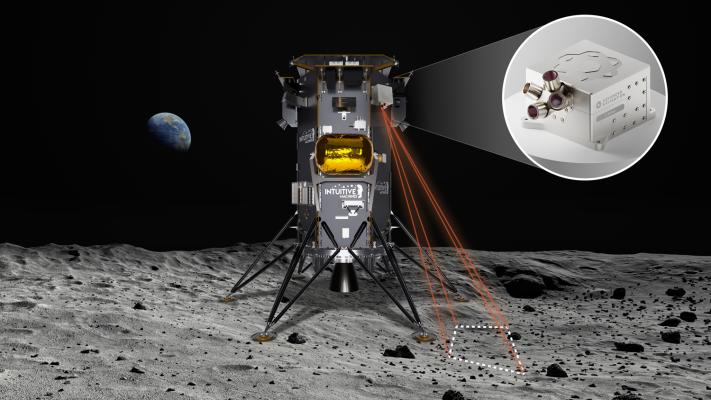
LUNA
Advanced Navigation's Laser measurement Unit for Navigational Aid (LUNA) project will demonstrate navigation and guidance technology for lunar exploration.
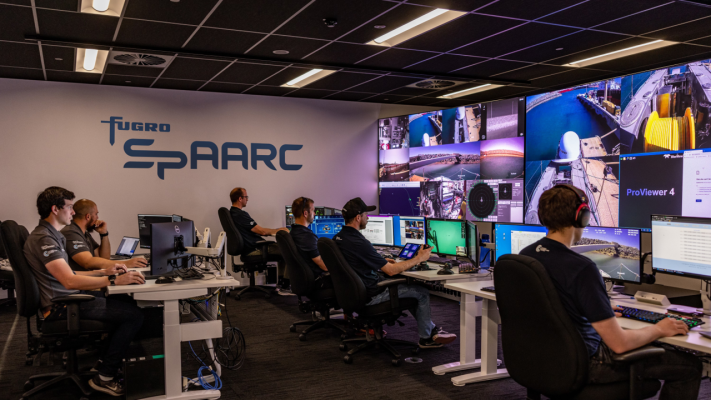
SpAARC
Fugro’s Space Automation, AI and Robotics Control Complex (SpAARC) trains, tests and controls autonomous operations and robotics in extreme environments.

Industry showcase: Space spotlights
Explore our feature articles that tell the stories of Australian space technologies, both funded by the Agency as well as others, that are enabling us to explore the universe and advance our Earth-based industries.

Industry showcase
Australian space innovations making an impact.
News
Latest from Australia’s space sector