Australia’s quiet lunar legacy is finally getting its moment in the spotlight, with home-grown expertise once again helping power humanity’s return to the Moon.
From the earliest days of the Space Age to NASA’s modern Artemis program, Australia has played a pivotal role in lunar exploration – tracking spacecraft, relaying communications, receiving images, and helping keep astronauts safe.
Long before the Apollo Moon landings captured the world’s imagination, Australia was already embedded in NASA’s plans.
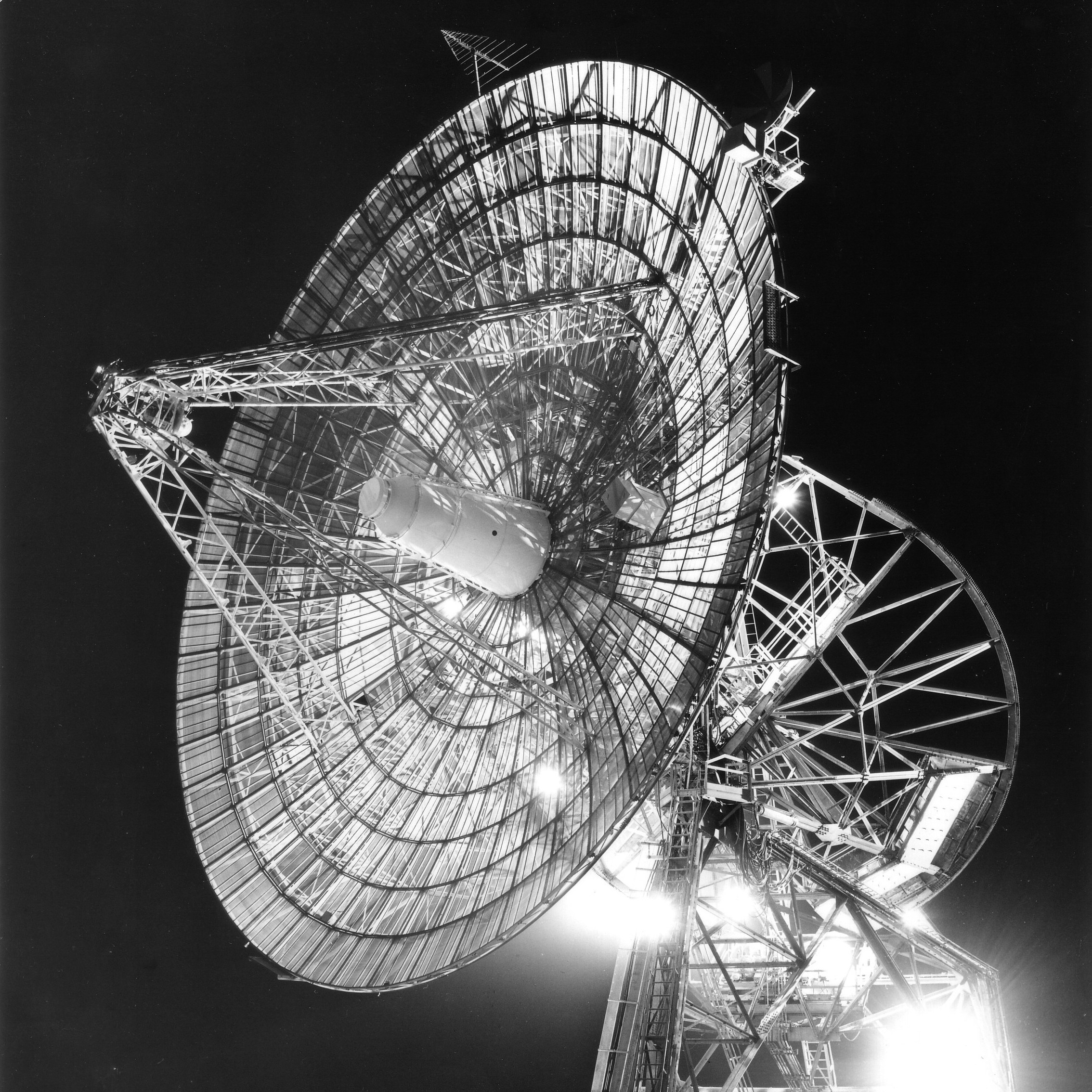
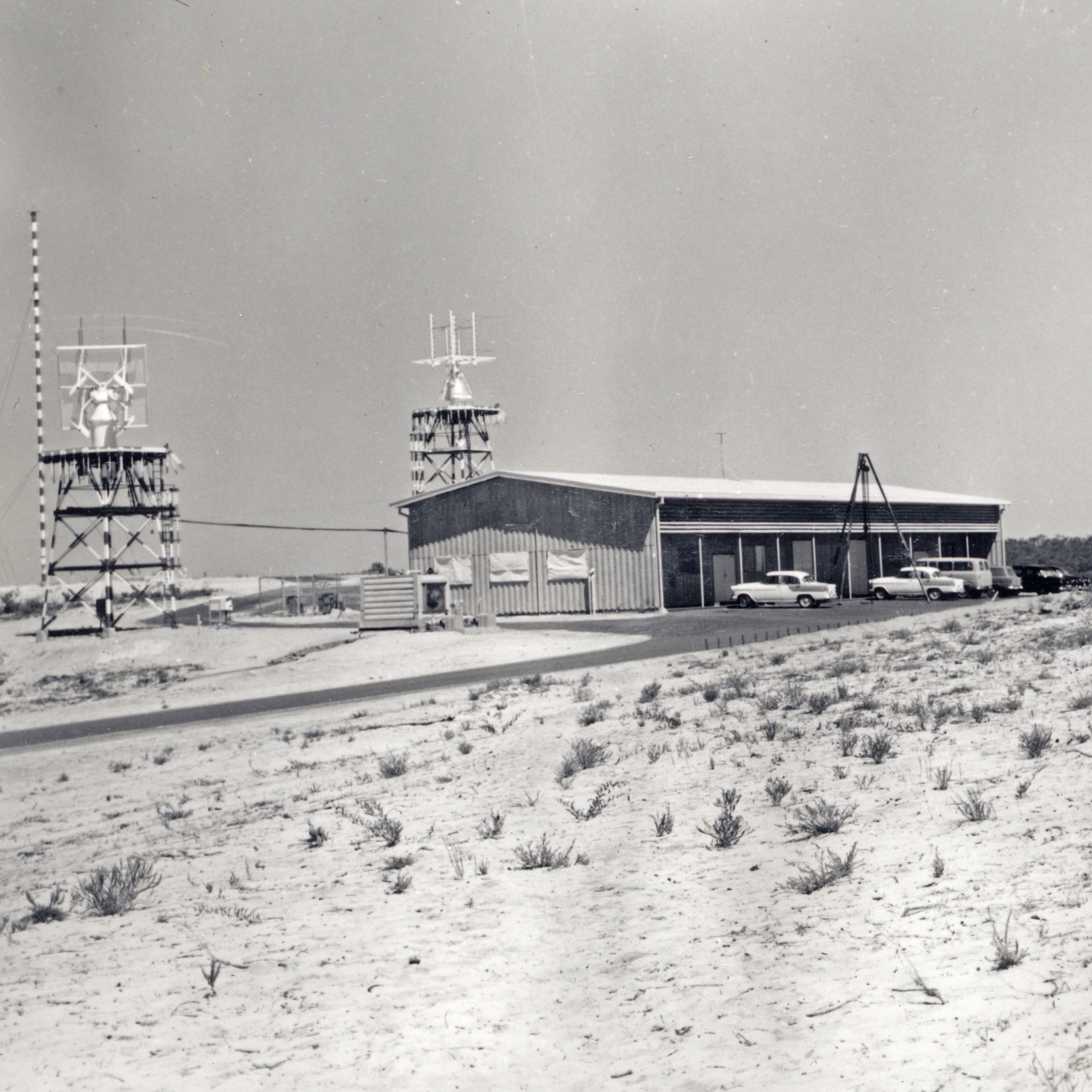
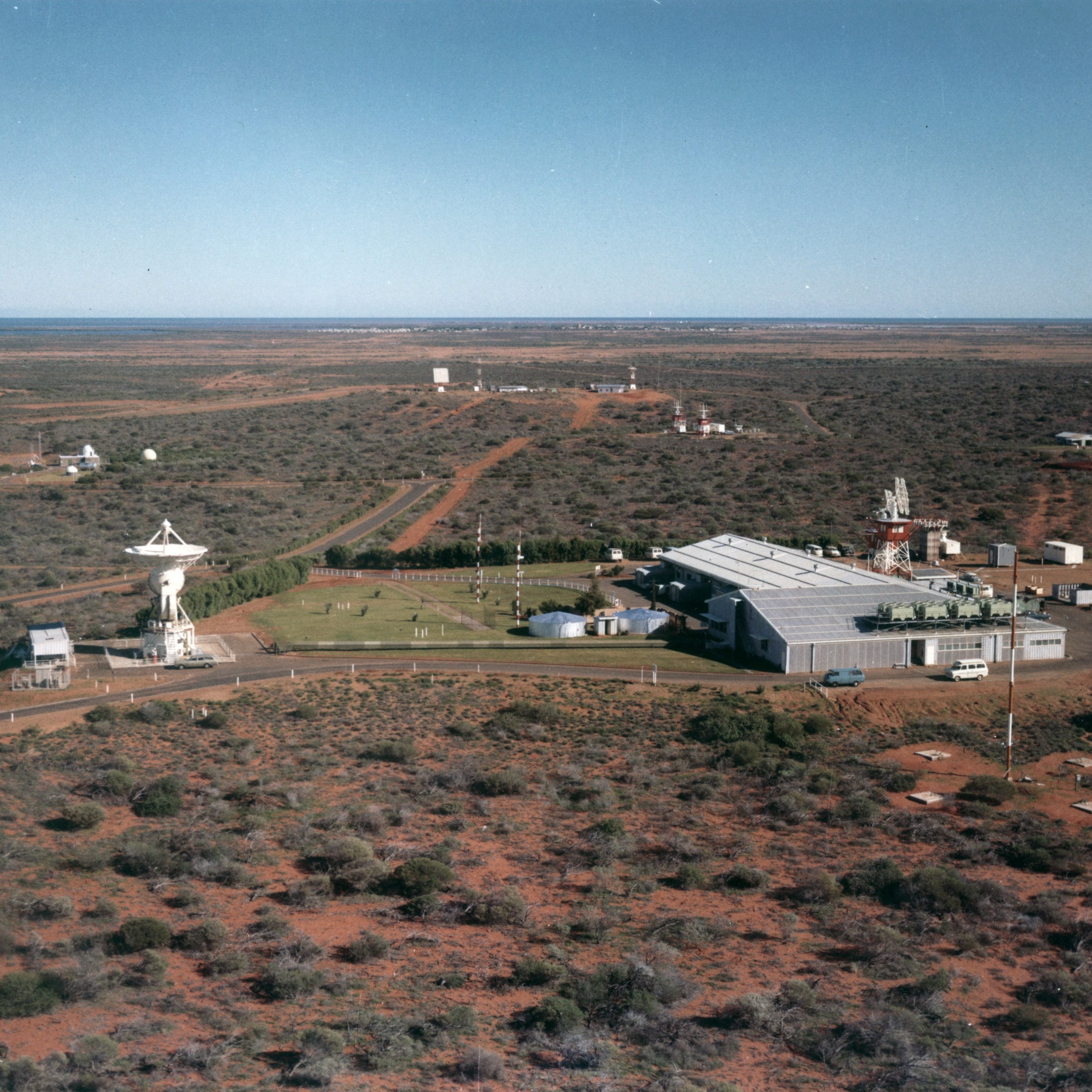
In 1960, NASA established its first Deep Space Instrumentation Facility outside the United States at Island Lagoon near Woomera in South Australia. The station helped support the Ranger and Lunar Orbiter missions, which photographed the Moon’s surface in detail and helped identify landing sites for Apollo.
Australia also became vital to human spaceflight during Project Mercury. Tracking stations at Muchea, north of Perth, and Red Lake in South Australia monitored astronauts in orbit, with aeromedical doctors on hand and even Mercury astronauts stationed in Australia as Capsule Communicator.
Perth earned a lasting place in space folklore in 1962 when astronaut John Glenn thanked the city from orbit after residents famously lit it up for his pass overhead.
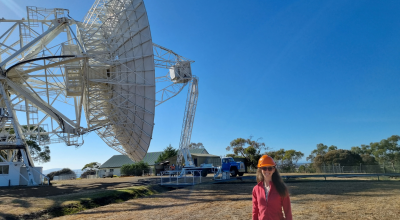
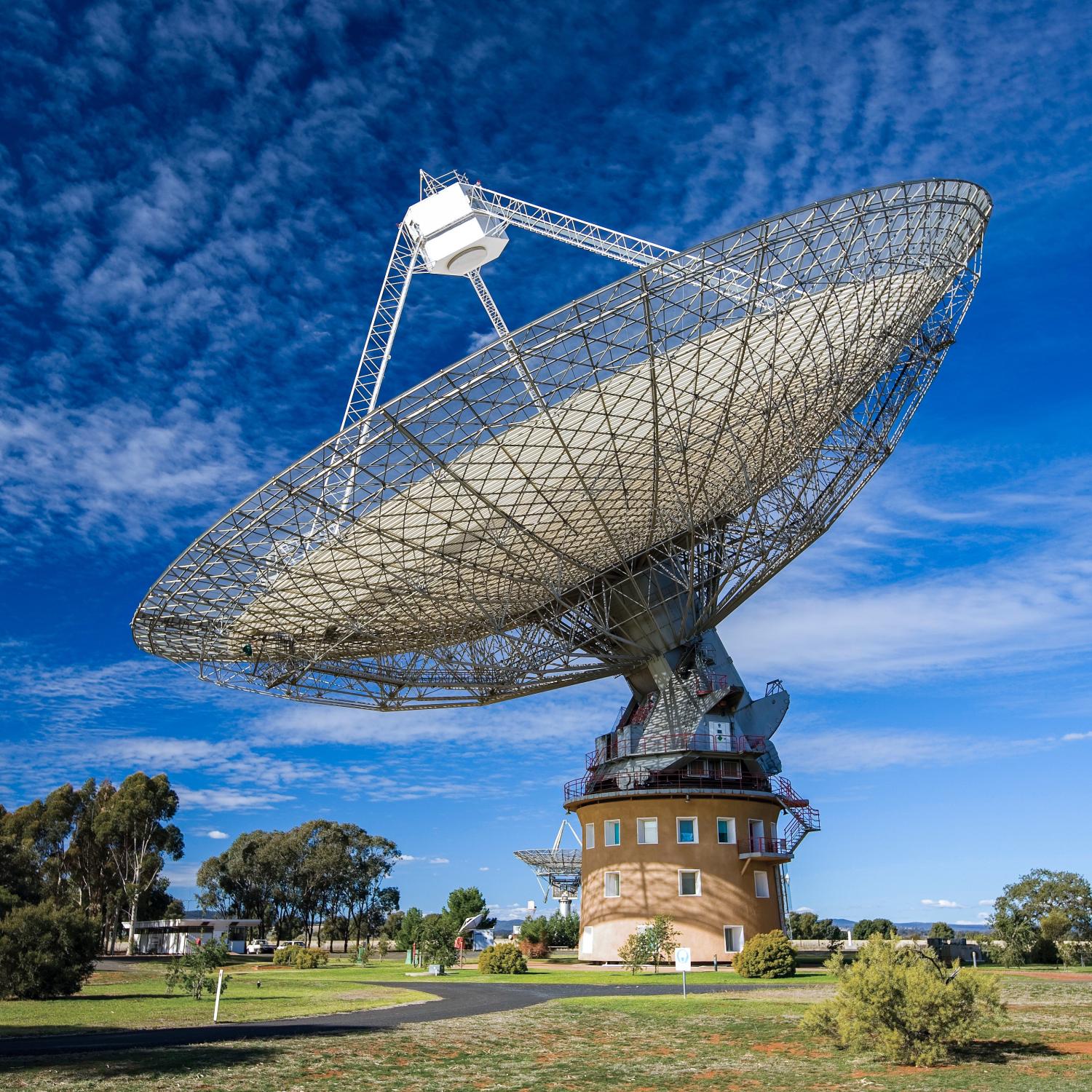
Then came one of Australia’s most celebrated contributions to space history. CSIRO’s 64-metre Murriyang Parkes Radio Telescope – lovingly referred to as “the Dish” – along with NASA’s Honeysuckle Creek tracking station, helped deliver television pictures of the Apollo 11 Moonwalk to the world. Parkes later supported other Apollo missions, including the rescue of Apollo 13.
Australia's proud lunar legacy
Today, that legacy continues in new and exciting ways. Parkes now supports lunar missions linked to NASA’s Artemis campaign through Intuitive Machines and the Commercial Lunar Payload Services initiative. During Artemis II, Parkes also passively tracked the Orion spacecraft on its journey.
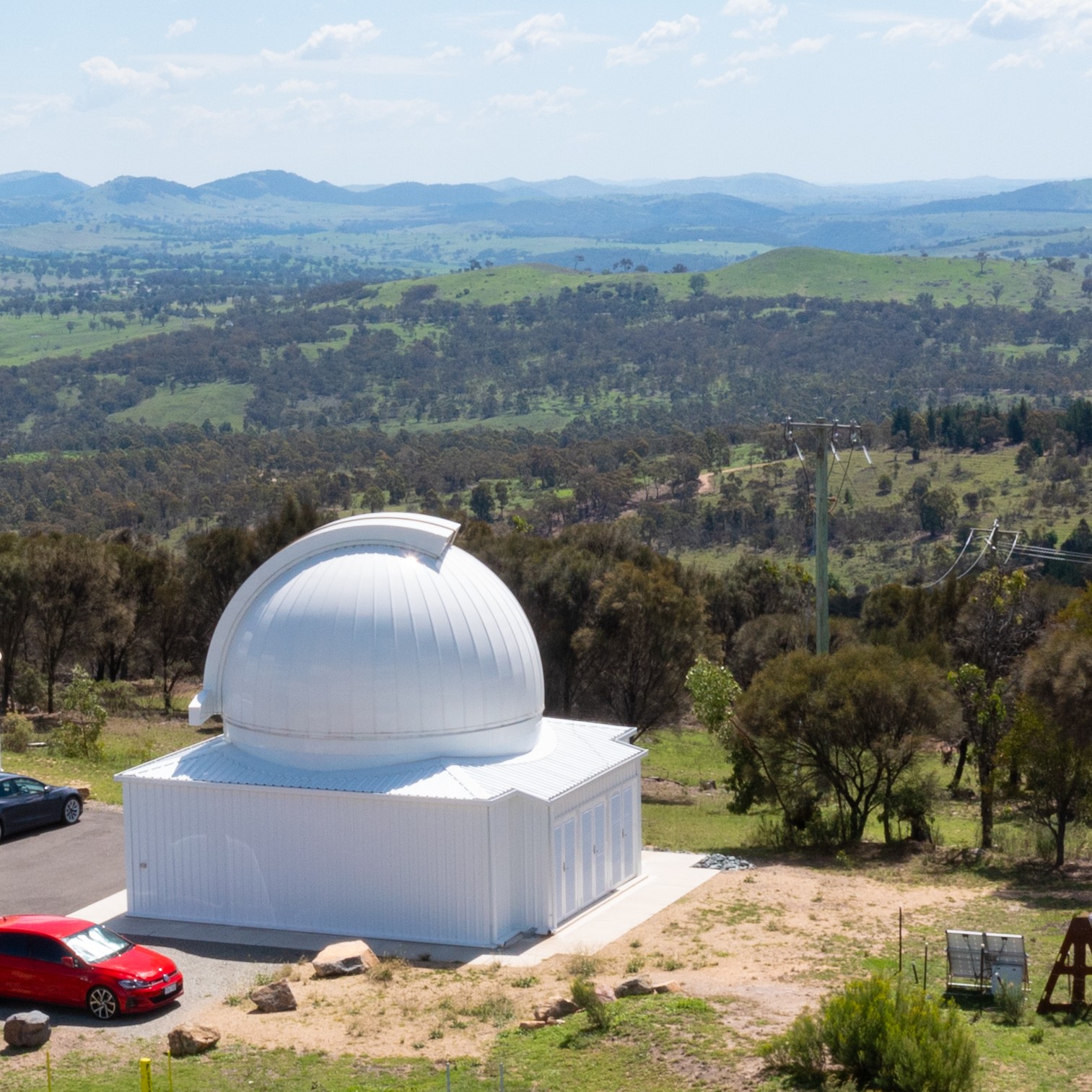
Australia’s next-generation capabilities are also stepping up. At Mount Stromlo near Canberra, the Australian National University’s Quantum Optical Ground Station has demonstrated cutting-edge laser communications technology, sending and receiving optical signals from Orion. The station received many of the mission’s striking high-definition images, while CSIRO’s mobile Mission Operations Centre provided mission control support.
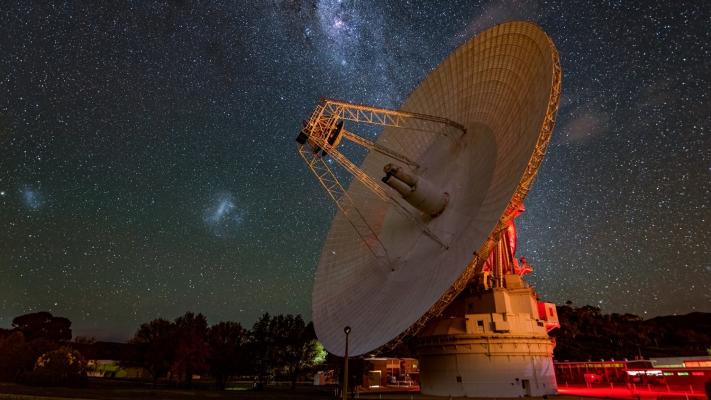
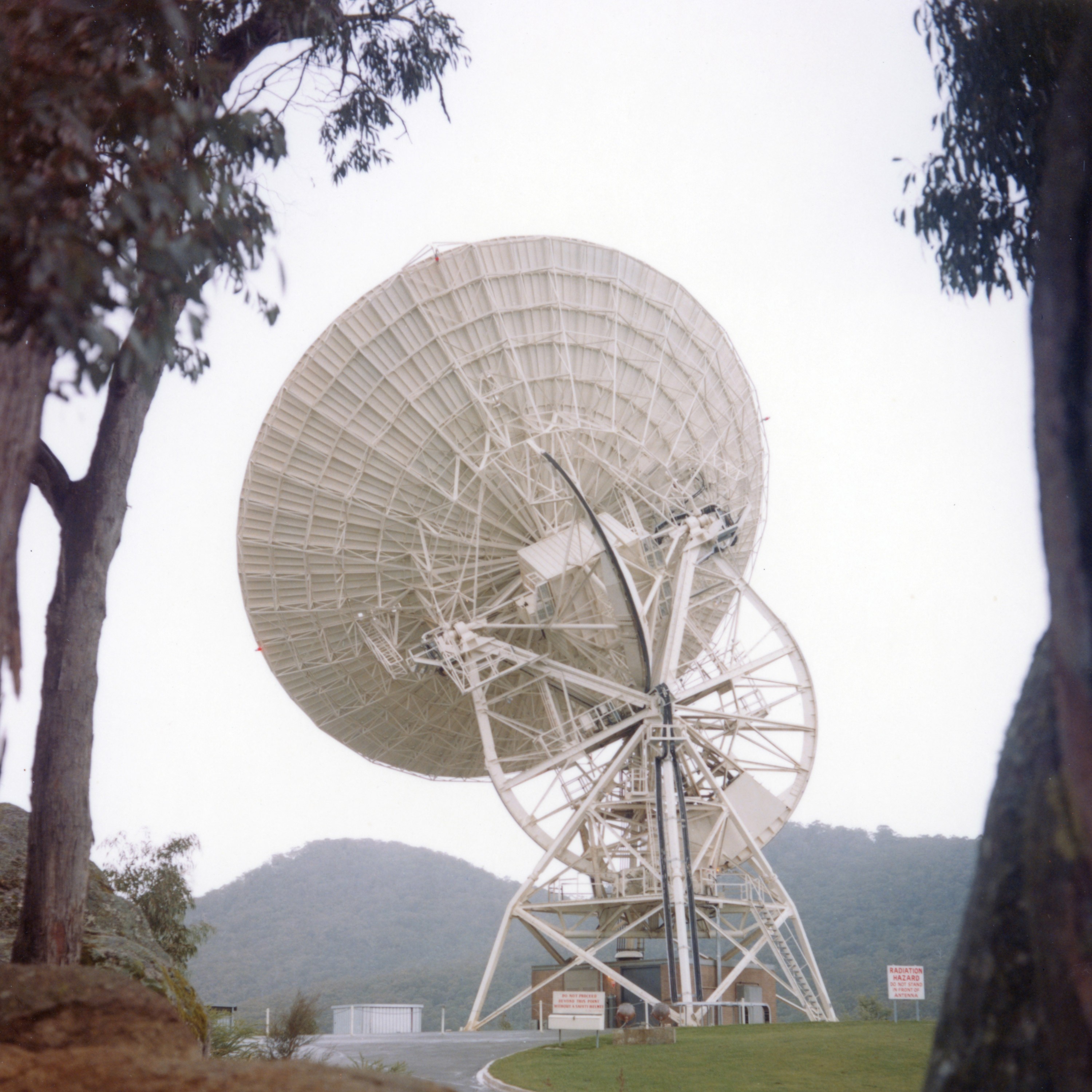
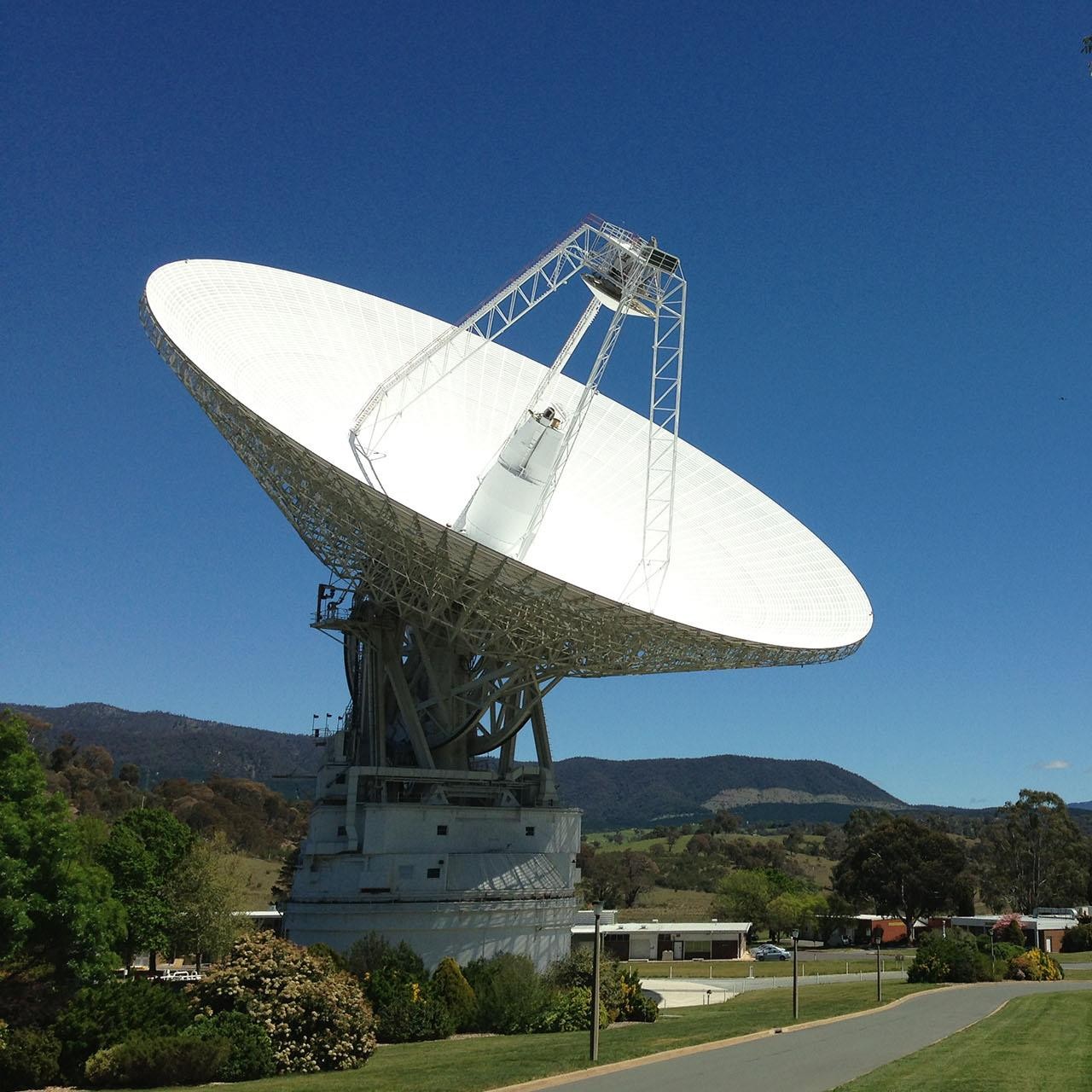
Meanwhile, NASA’s Canberra Deep Space Communication Complex at Tidbinbilla remains one of the agency’s most important global assets. Its giant Ballima antenna – at 70m the largest steerable dish in the Southern Hemisphere – is a cornerstone of the Deep Space Network and plays a crucial role in communicating with Orion and dozens of other deep space missions.
As the world looks to the Moon again, Australia is not just watching from the sidelines – it is helping lead the way.

Photo essay
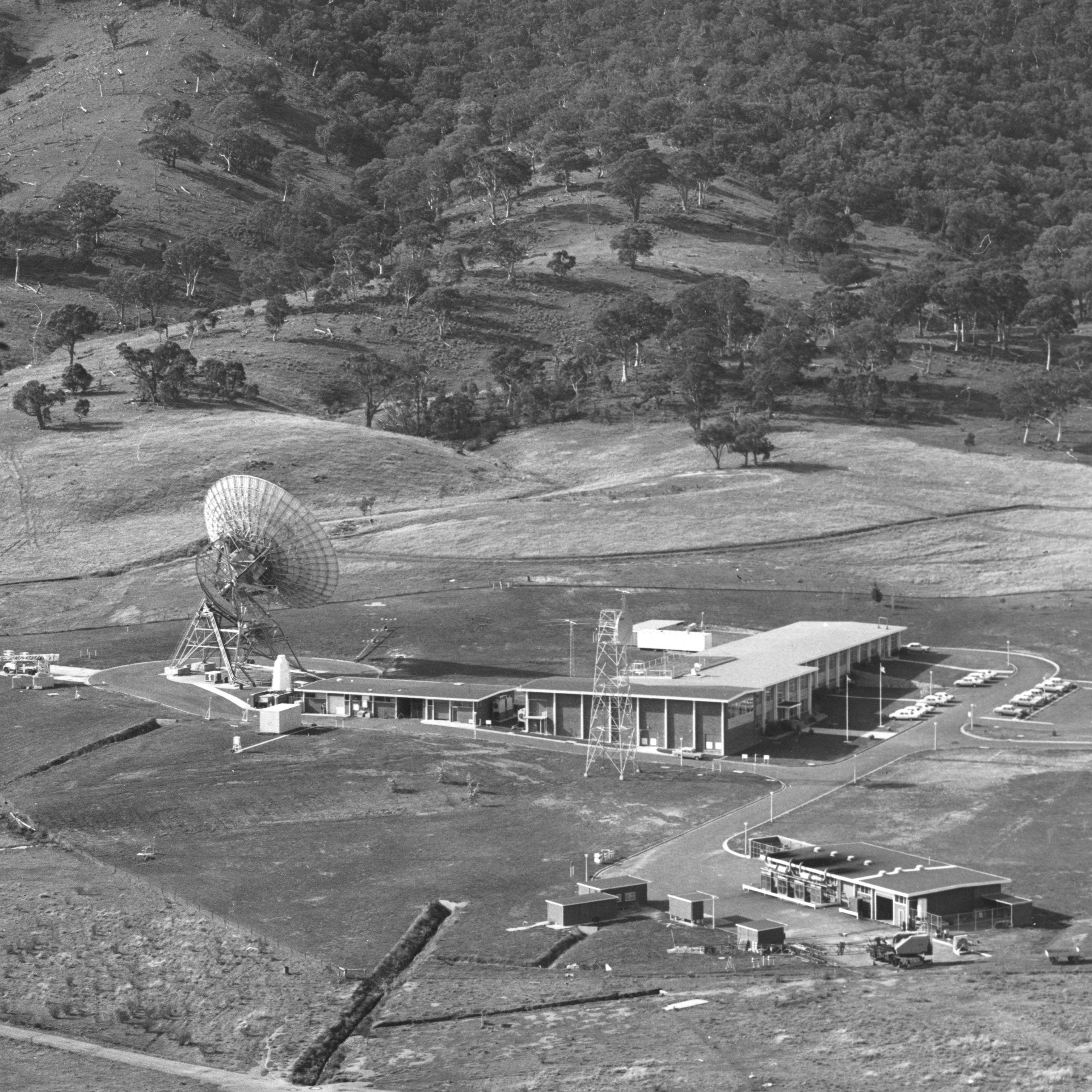
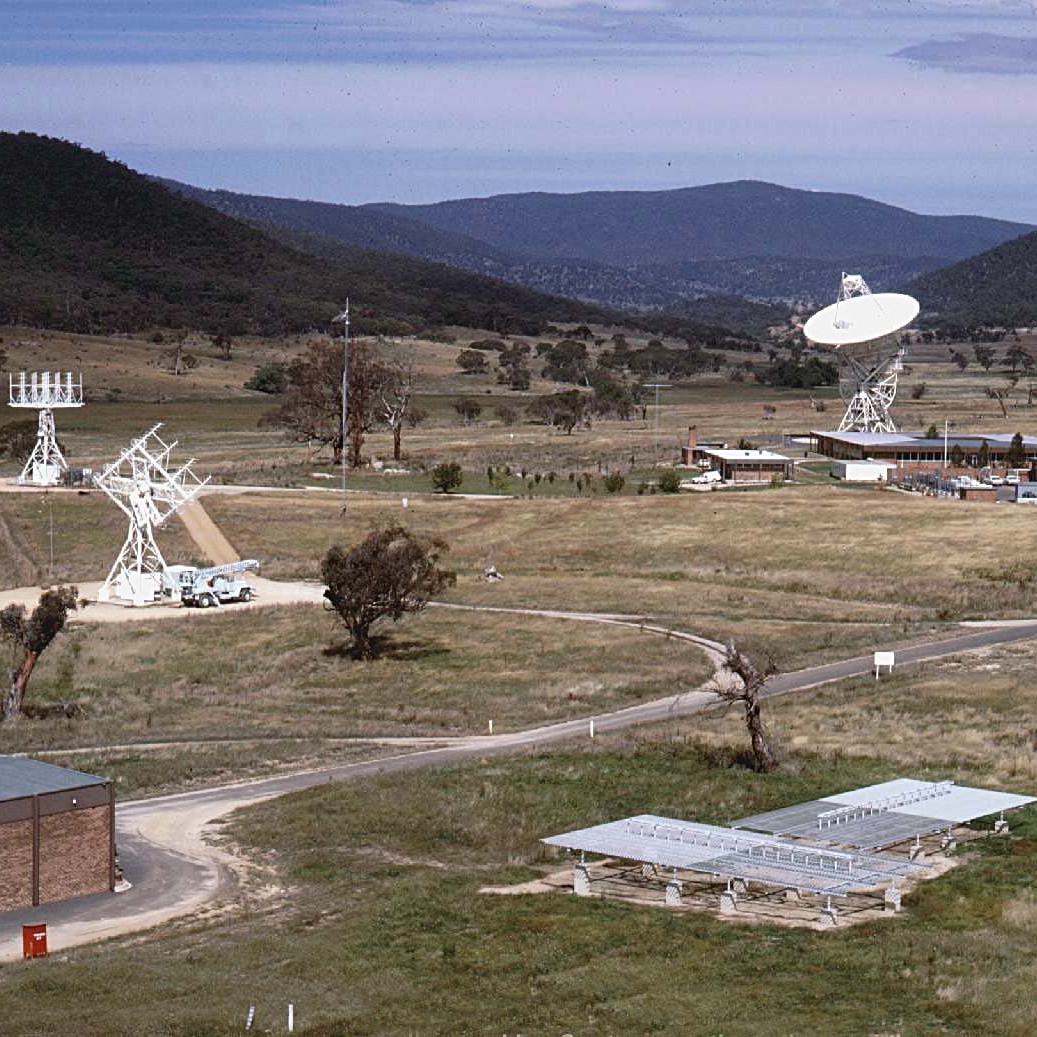
Explore with our interactive image gallery Australia's space tracking capabilities have evolved since the 1960s.

Australia in the Artemis era
We backed Apollo, now we are backing a new era in lunar exploration.
Main image caption: The 70m antenna at NASA’s Canberra Deep Space Communication Complex, which supported the recent Artemis II mission. Credit: NASA