Here’s a recap of some of the key developments and capabilities from June that are shaping Australia’s space industry.
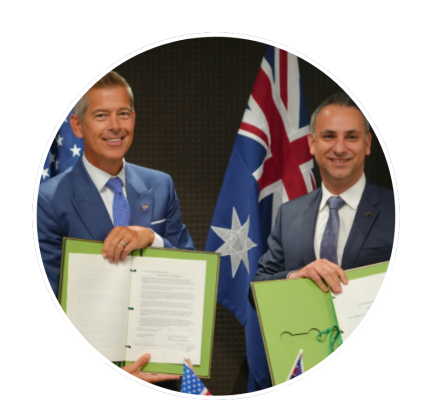
The Australia–United States Space Framework Agreement has now been tabled in the Australian Parliament.
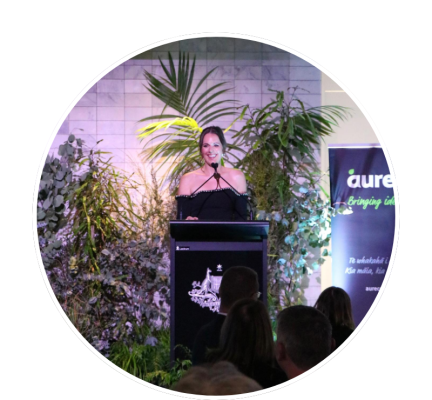
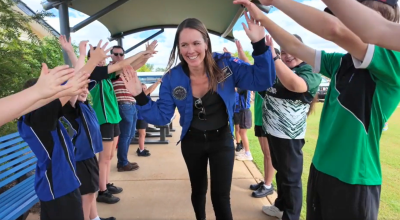
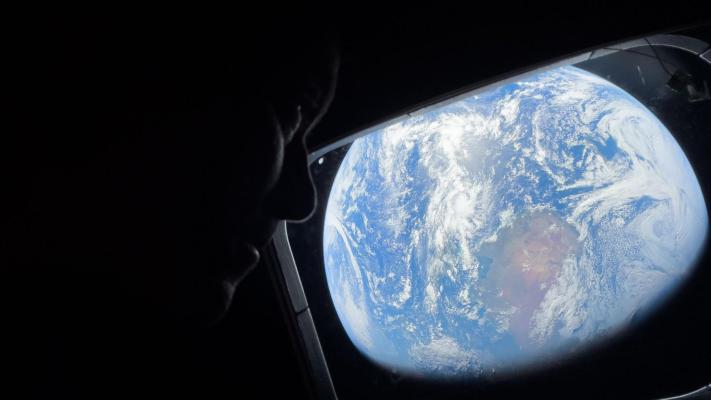
Our astronaut Katherine Bennell-Pegg’s New Zealand visit has highlighted the growing impact of Australia and New Zealand’s space sectors.

At the 63rd UNCOPUOS, Australia supported responsible, sustainable space activities, and radio quiet environments.
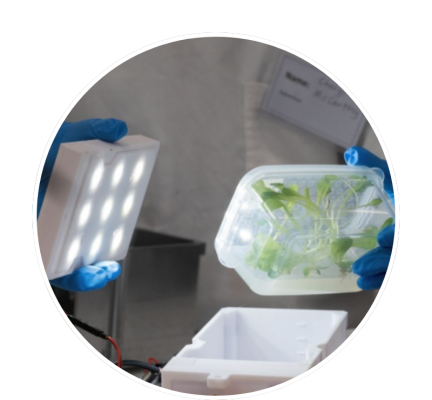
The Australian Space Agency is seeking information from the sector on Australia’s microgravity and space payload state of the art.
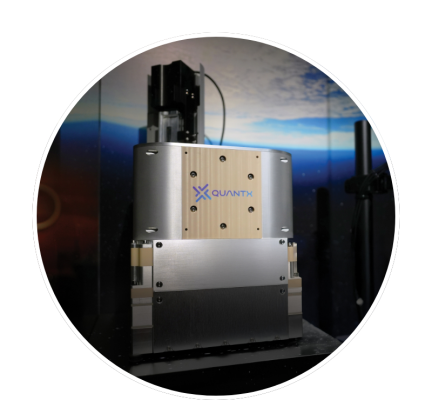
Serendipity Capital has led the investment round for QuantX Labs. $7 million in funding that will advance its optical atomic clock systems.

Backing from the NRFC helps Southern Launch raise $25 million that will scale launch, re-entry and range services in South Australia.
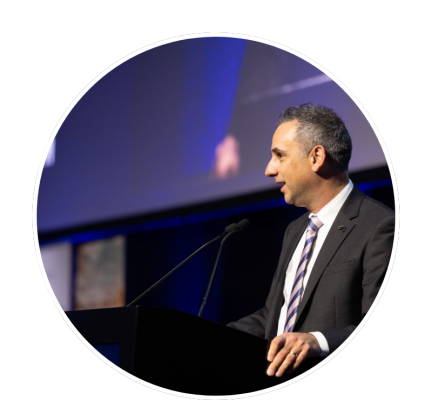
The Agency supported Australian Space Forum will be held 21–22 July and will explore the partnerships and innovations shaping the future of the sector.
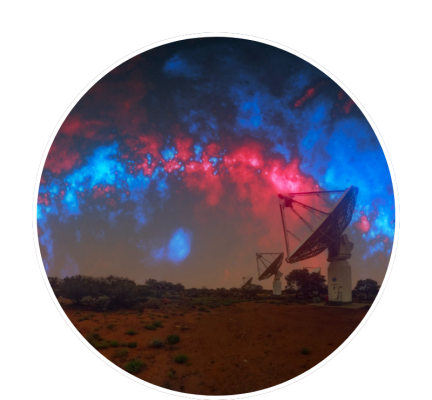
An international team led by researchers at CSIRO and the SKA Observatory has produced the largest magnetic map of the Universe ever created.

Congratulations to the recipients of The King’s Birthday 2026 Honours List. Eight professionals from across the Australian space sector were recognised.
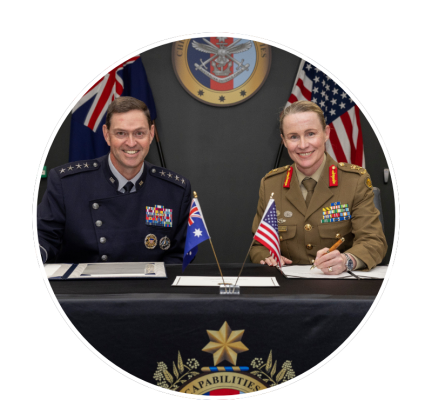
The signing of a Statement of Intent has strengthened Australia’s partnership with the United States and will deepen cooperation in military space operations.

Gilmour Space Technologies has appointed former NASA Deputy Administrator, astronaut and retired US Air Force Colonel Pam Melroy to its board of directors.

Fleet Space Technologies has signed an agreement with France’s national geological survey, BRGM, to help map critical minerals in French Guiana.
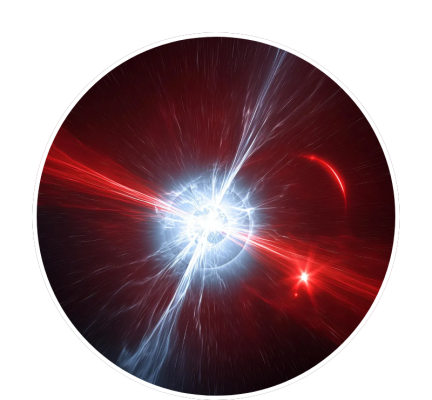
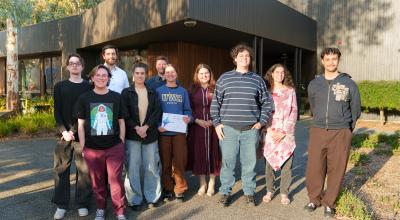
University of Sydney-led researchers, using CSIRO’s ASKAP radio telescope, have discovered the source of rare long-period radio transients.
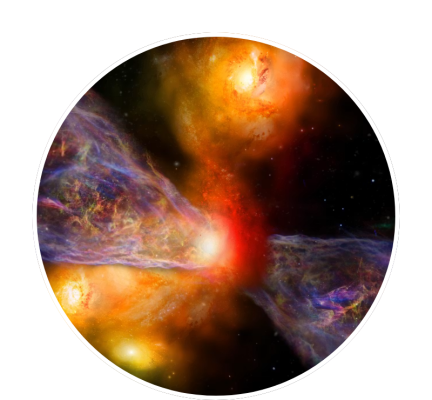
Researchers at Swinburne University of Technology have produced the most complete picture yet of galaxy winds in the early Universe.
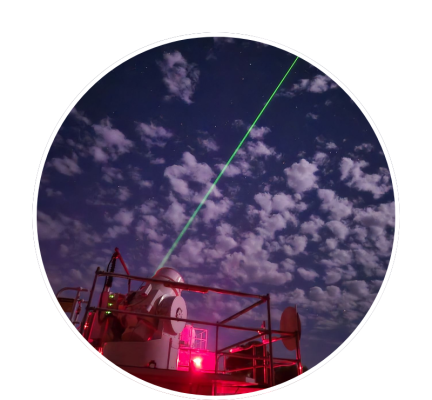
Geoscience Australia's Yarragadee Geodetic Observatory reached a major milestone: its 100,000th normal point measurement for the ICESat-2 mission.
Get in touch
The Australian space industry is invited to share with us their recent developments.