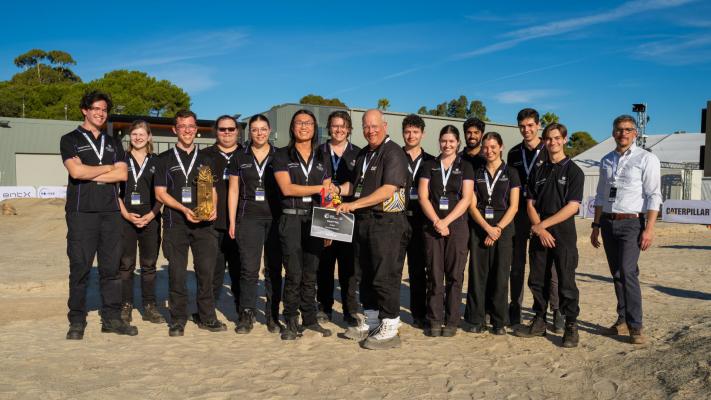
Next gen space engineers give a glimpse into what the future of Australia's space workforce will look like.
UQ Space from the University of Queensland claimed first place at the 2026 Australian Rover Challenge (ARCh) after competing with 17 university teams.
ARCh, now in its sixth year, is led by Adelaide University (AU) and supported by the Australian Space Agency and industry consortium ELO2 that is building the nation's first Moon rover.
Held from 26–29 March at AU’s Roseworthy campus, the global event tasked students – from Australia, India, Indonesia, Kazakhstan and Poland – with running full‑scale simulated lunar missions using semi‑autonomous rovers they designed and built.
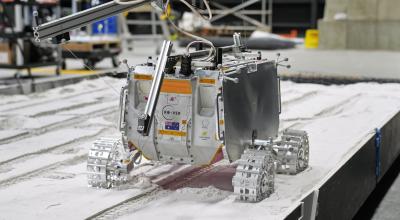
The competing teams showcased their skills in a custom built simulated lunar environment, and complete a range of tasks including navigation, resource, and construction.
Unlike many other rover competitions across the world that focus on Martian exploration, ARCh is focused specifically on completing tasks on a simulated lunar surface.
Special events powered by the Australian Space Agency
As a major partner for the 2026 Australian Rover Challenge, the Agency turned its Australian Space Discovery Centre as the official city-based viewing hub – live streaming the global event across each day for the public.
Together with ELO2, the Agency organised two special events to put Roo-ver – our first Aussie Moon rover – front and centre as part of the latest edition of ARCh.
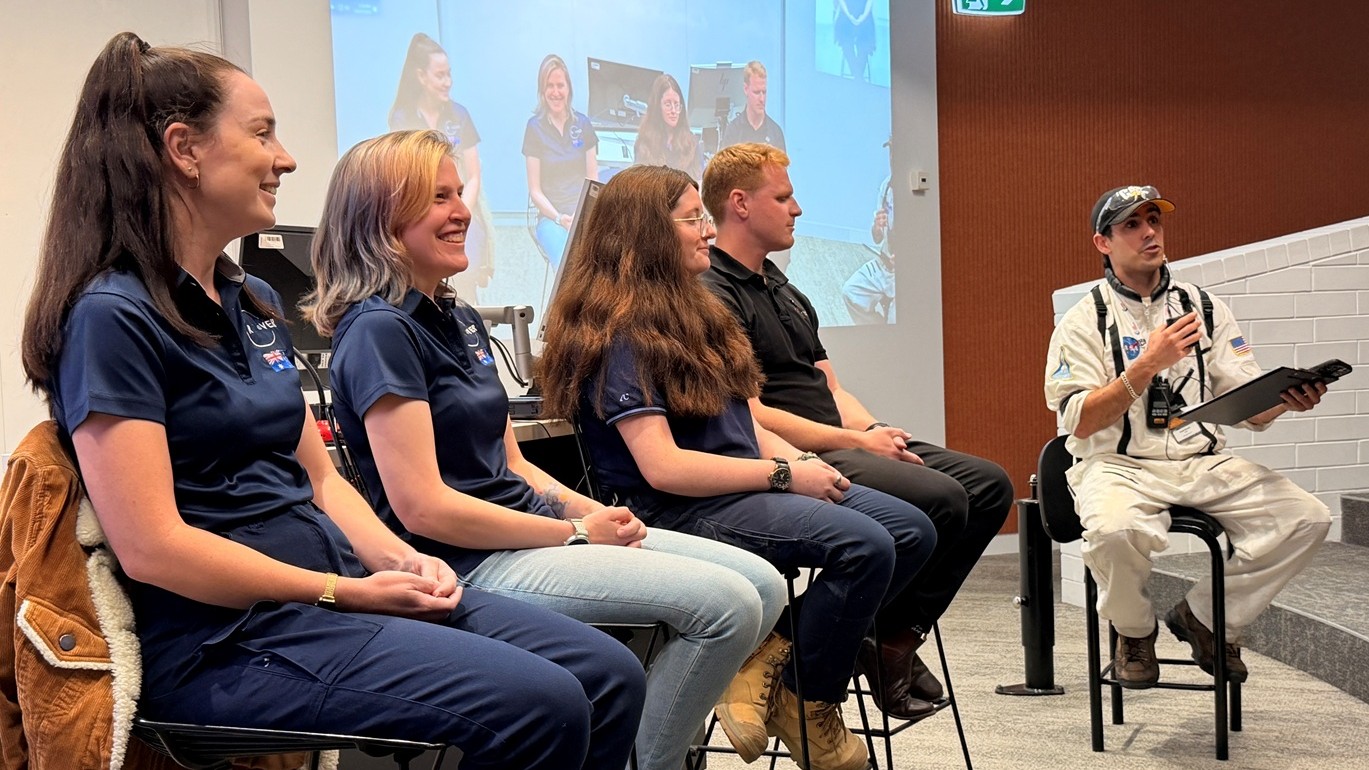
1. Meet the Roo-ver Engineers: A panel discussion held at AU's Roseworthy campus on Thursday 28 March. It was moderated by Daniel Ricardo from Swinburne University of Technology, who spoke with the talent developing Roo-ver. The panellists were:
- Sami Raines, Senior Software Engineer, EPE Oceania
- Raewyn Duvall, Principal Software Engineer, Lunar Outpost Oceania
- Rebecca Muir, Mechanical Engineer, Adelaide University
- Jack Rintoul, Assistant Director – Space Programs, Australian Space Agency
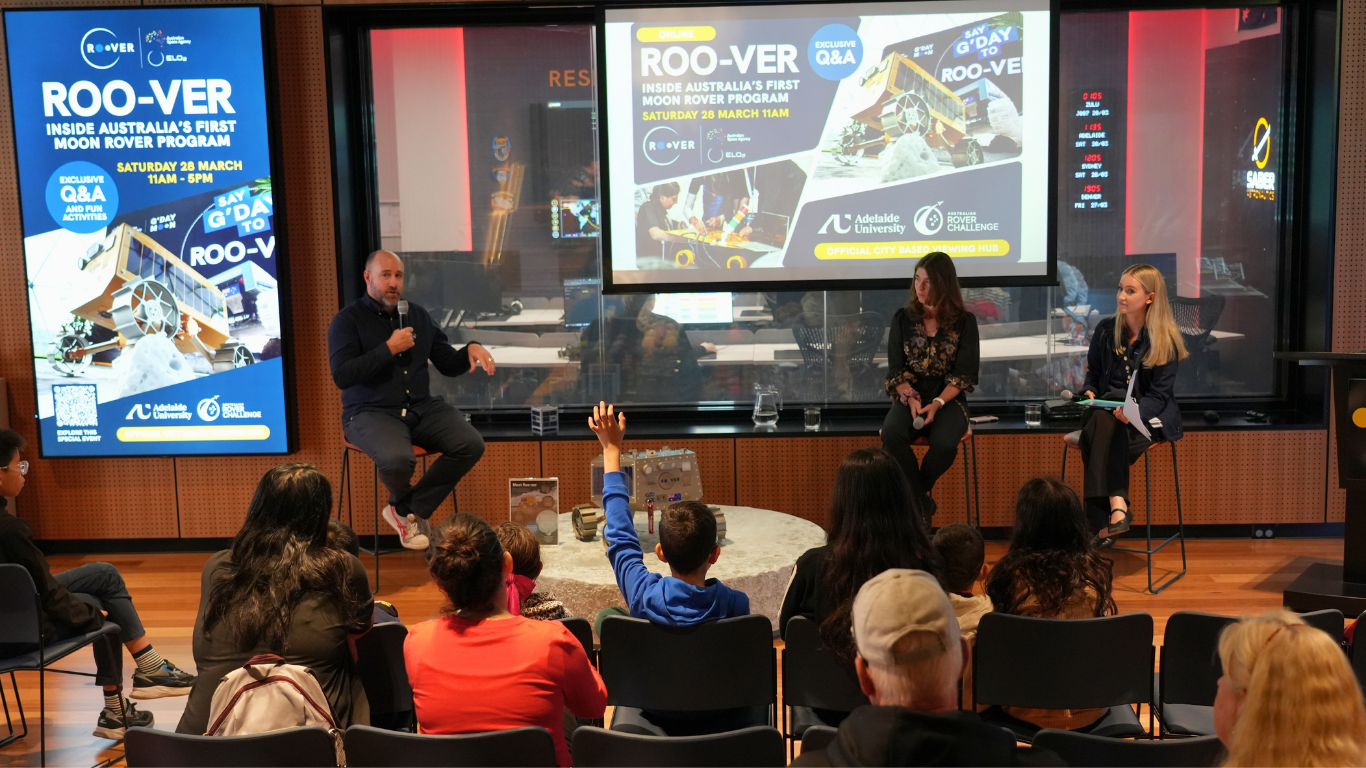
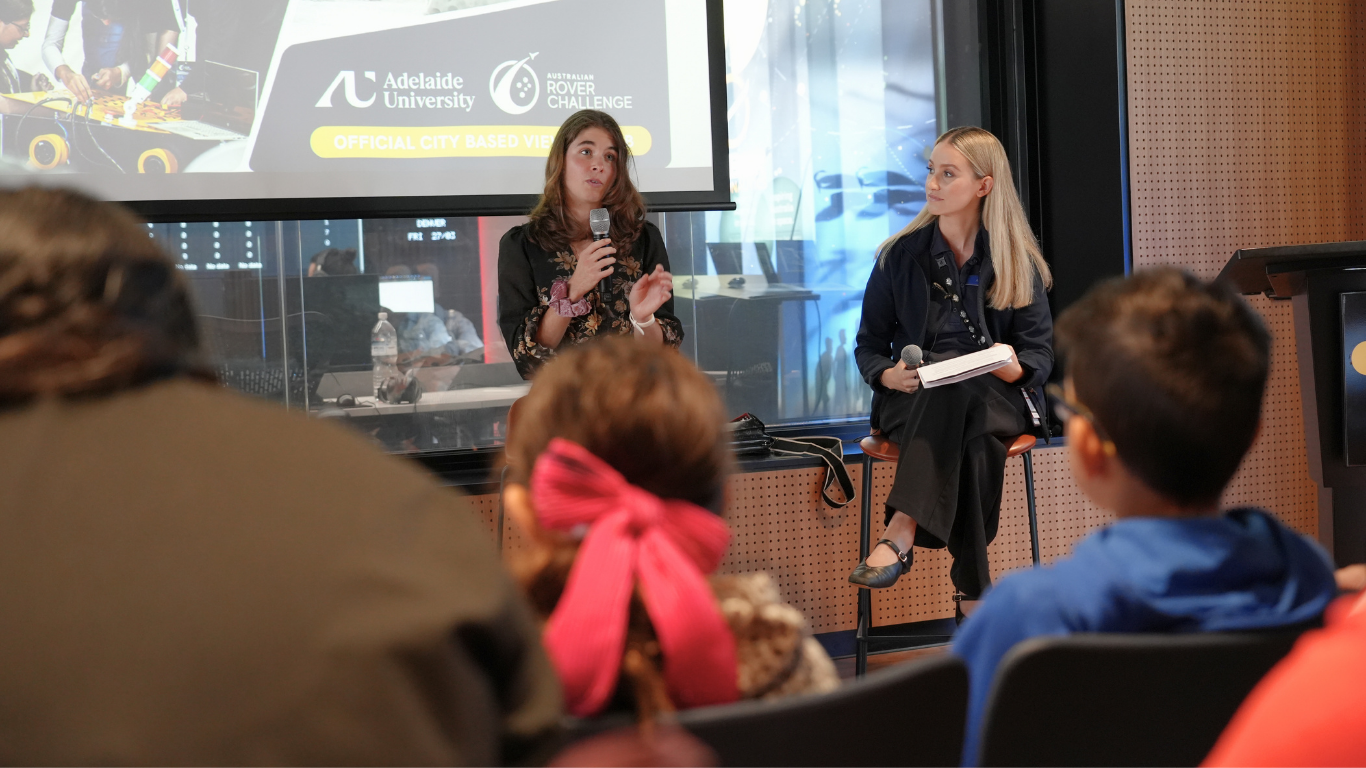
2. Q&A session about Australia's history-making Roo-ver program: This hybrid event saw ELO2 Consortium Director Ben Sorenson and the Agency's Lauren Springer take the in-centre and online audiences behind the scenes of the Roo-ver program.
It was a timely event on Saturday 28 March as NASA revealed that Intuitive Machines will carry Roo‑ver to Moon in 2030.
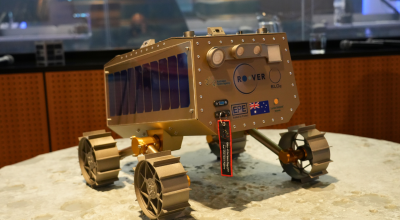
Meet Roo-ver
Stay up to date with our Australian-made rover that will go to the Moon with NASA.
Main image caption: A group photo of UQ of Space, the winners of the 2026 Australian Rover Challenge.
Credit: Adelaide University