
Here’s a recap of some of the key developments and capabilities from April that are shaping Australia’s space industry.

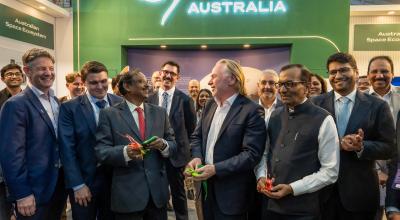
At the 41st Space Symposium, the Australian Space Agency partnered with Austrade and over 30 Aussie companies, strengthening global partnerships and showcasing our space capabilities.
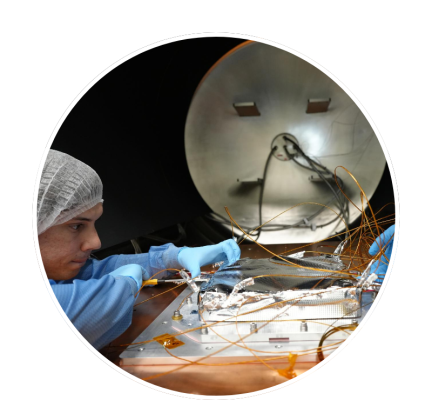
A sub-system payload of TEMPO, the compact optical atomic clock developed by QuantX Labs, is now in orbit. This technology is backed by an Australian Space Agency program.
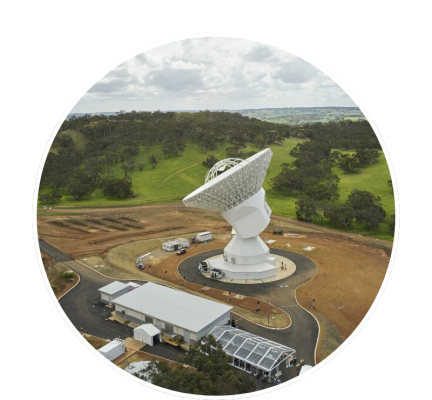
The European Space Agency's newest deep space antenna – New Norcia 3 – entered nominal operations. The Western Australia based capability is co‑funded by the Australian Space Agency.
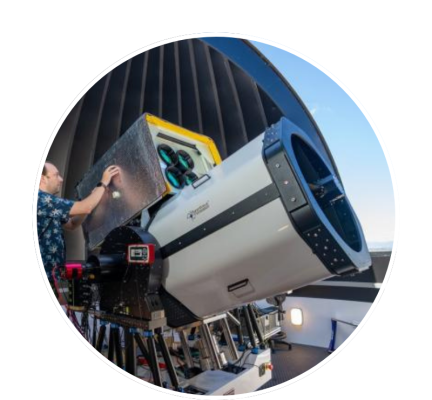
The ANU Quantum Optical Ground Station demonstrated advanced laser (optical) communications for NASA's historic Artemis II mission.
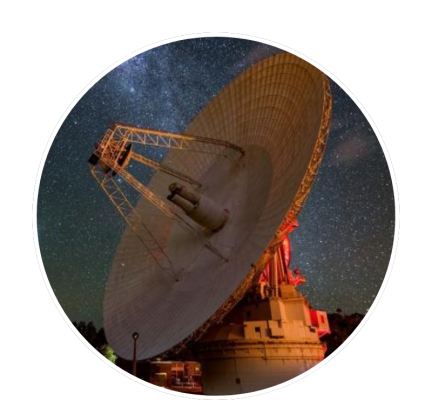
For Artemis II, CSIRO brought its tracking expertise through the antennas and facilities it operates across the country.
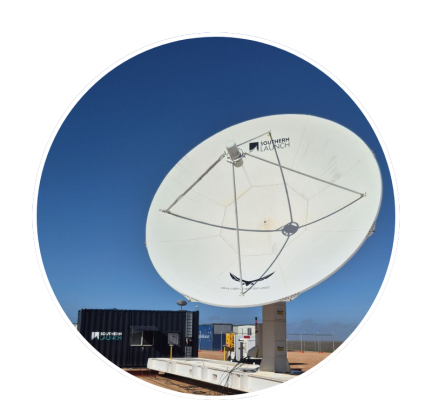
Southern Launch helped track the Artemis II mission from their jointly operated TALON telemetry dish in regional South Australia.

At the latest UN COPUOS Legal Subcommittee, Australia reaffirmed its commitment to support the safety and sustainability of outer space.
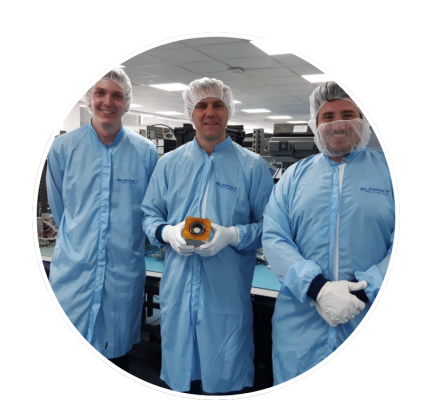
On-orbit deployment of Neumann Space's propulsion systems that was aboard SpaceX’s Transporter-16 rideshare mission, supporting commercial satellites.
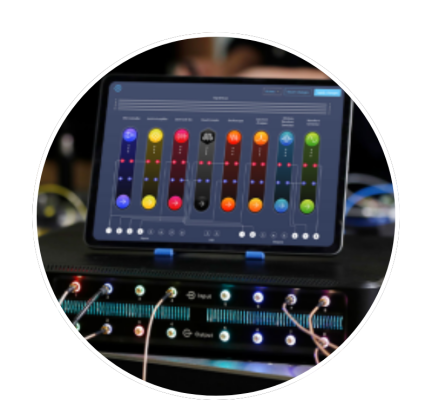
NRFC's $28.45 million investment in Liquid Instruments will strengthen Australia’s capability to support future lunar and deep space exploration.
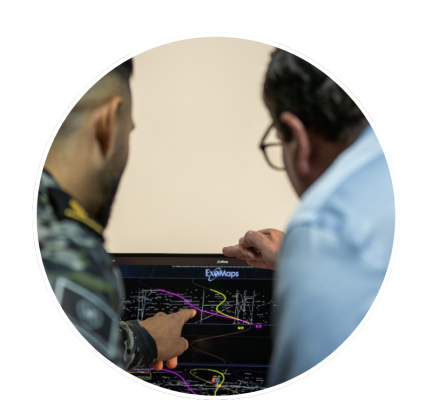
The Australian Government released its 2026 Integrated Investment Program and among its priorities is to advance the country's space-based capabilities.

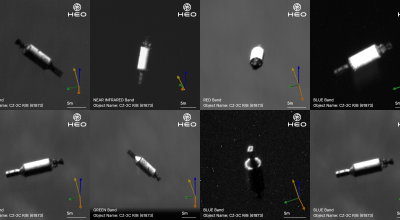
Saber Astronautics revealed the successful operations of its technology, WINDU, which is built to automate high-tempo Space Domain Awareness decision-making.

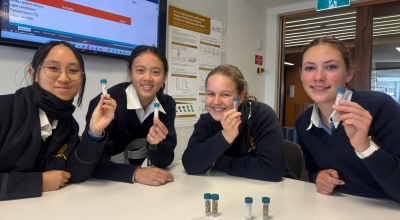
Adelaide University will send living cancer cells into space – an experiment that could reveal new insights into how cancer develops and survives under extreme conditions.
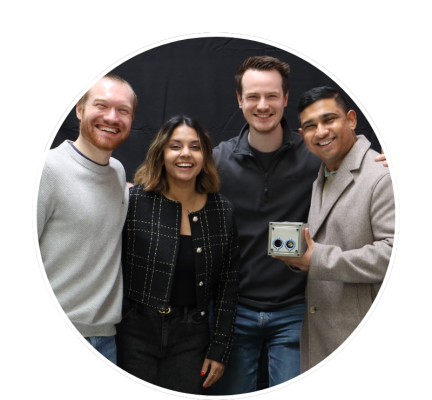
Spiral Blue strengthens Australia-UK Space Bridge partnership by exporting first Aussie space defence LiDAR to UK Partner.
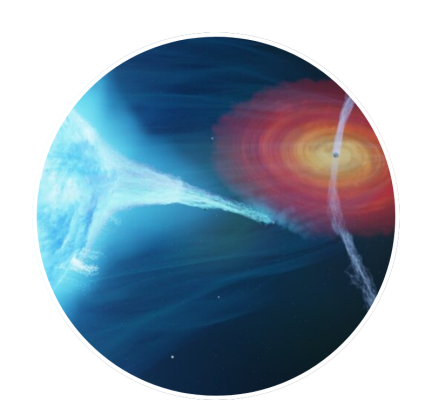
Curtin University used a radio telescope to snap images that measure the immense power of jets from black holes confirming several scientific theories
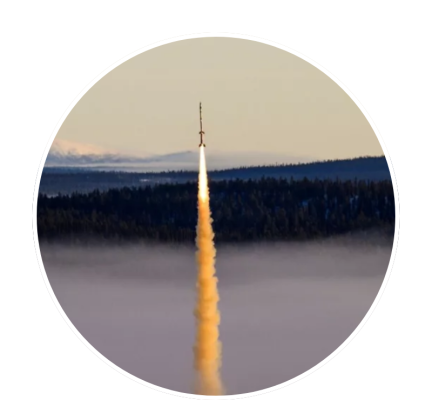
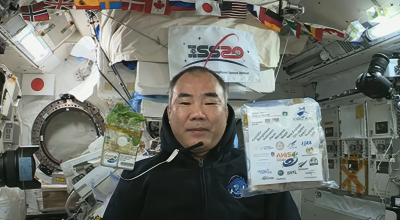
SSC Space partners with Cambrian Defence & Space to deliver a fully integrated, end-to-end pathway for Australian microgravity research.

Get in touch
The Australian space industry is invited to share with us their recent developments.