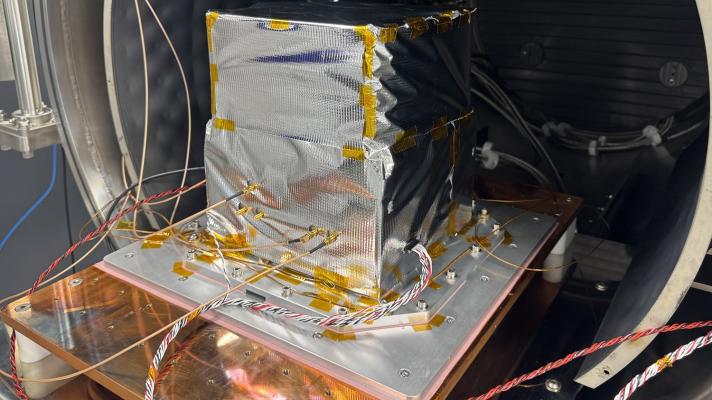
The launch of a novel Australian technology could create a new era of ultra‑precise timekeeping in space.
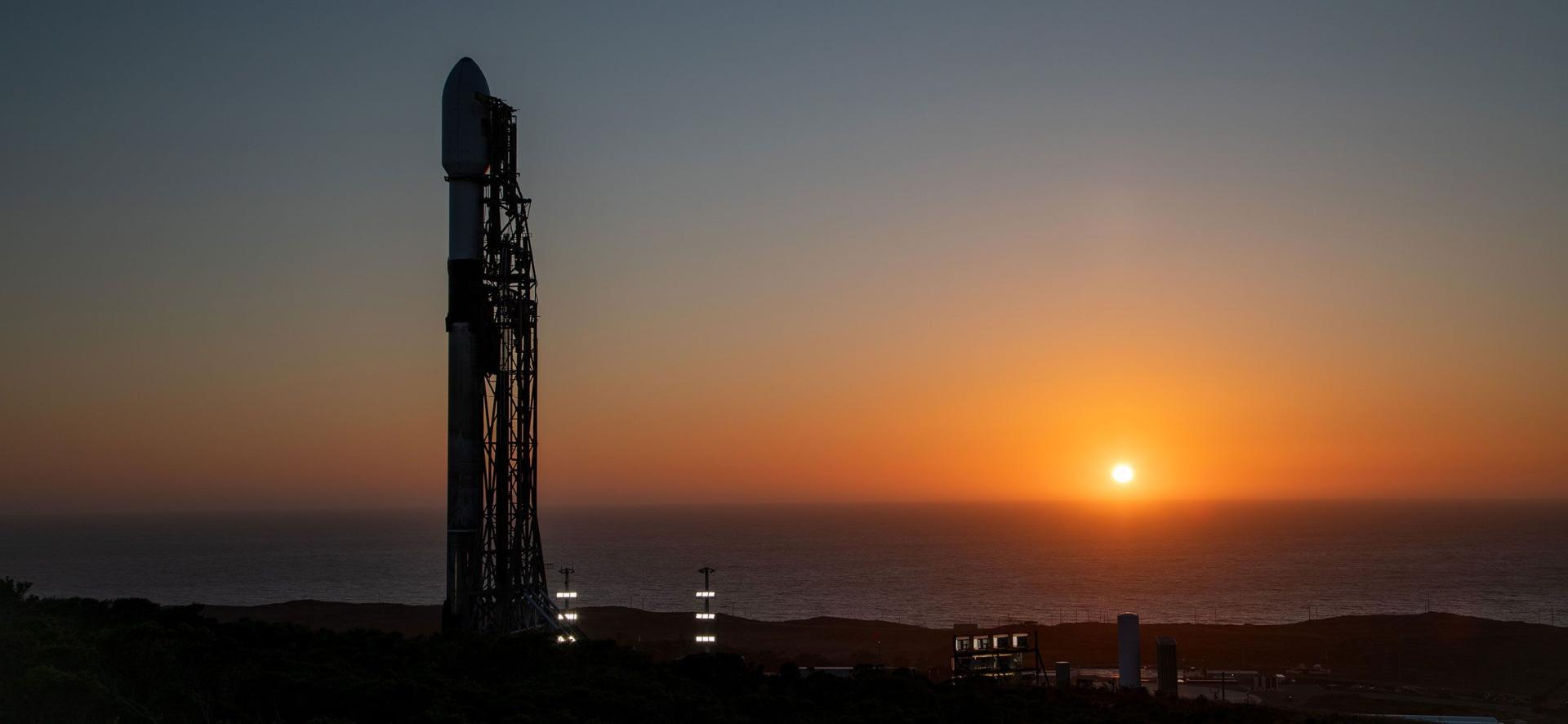
QuantX Labs' optical frequency comb was lifted into orbit from the Vandenberg Space Force Base in the US — paving the way for a new level of security for the navigation and timing services we rely every day on Earth.
The next-generation Aussie technology was aboard Exotrail’s spacevan™ orbital transfer vehicle that was launched on Transporter-16, SpaceX's latest rideshare mission. Varda Space Industries' W-6 mission was also part of the same SpaceX launch, its W-5 space capsule landed in the outback earlier this year.
The Australian Space Agency-backed optical frequency comb is a critical subsystem, an essential building block, for Quantx's TEMPO.Space optical atomic clock. The launched innovation is part of the Aussie company’s KAIROS program that will show how the comb performs in the harsh conditions of space.
Optical frequency combs are a Nobel Prize‑winning technology that enable extraordinarily precise measurement of time and frequency. Testing and utilising the capability could advance positioning, navigation and timing services that support transport, emergency response, agriculture, defence, and communications.
"The Australian Space Agency is proud to have invested in the quantum clock technology developed by QuantX Labs, building on Australia’s rich heritage in quantum and accurate timing technologies.
"This optical frequency comb mission will take QuantX Labs a step closer to realising the full suite of capabilities it has been developing – which are designed to enhance the positioning, navigation, and timing services Australians depend on."
~ Head of the Australian Space Agency Enrico Palermo
A new ticktock in space
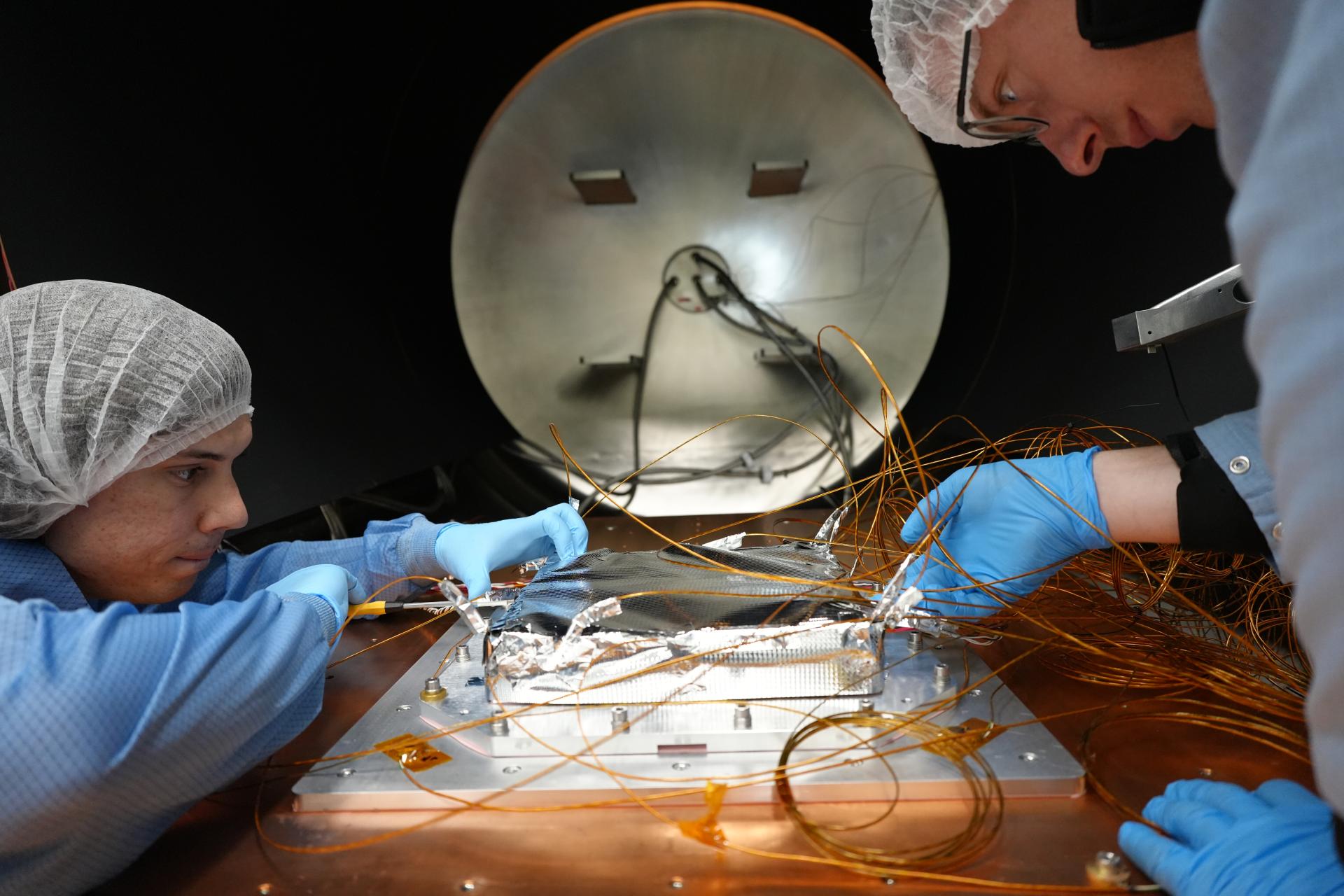
The launched Aussie technology will validate the performance of an optical frequency comb in space for the first time while also testing key elements of QuantX Labs’ satellite interface, including communications, mechanical, thermal and environmental systems.
The in-orbit data will prove to be critical as it will support the full TEMPO.Space optical atomic clock later this year.
“Successfully demonstrating this technology in orbit represents a major step toward deploying the world’s first optical atomic clock in space.
This increased accuracy will support the next generation of positioning, navigation and timing systems, improving navigation resilience, enabling advanced space missions and supporting emerging technologies that rely on ultra-precise time synchronisation including synchronised Earth observation networks and advanced communications infrastructure."
~ QuantX Labs, Chief Executive Officer, Professor Andre Luiten
Industry showcase
Australian space innovations making an impact.
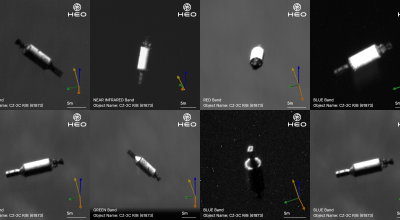
Main image caption: QuantX Labs' technology that was launched into space from the US.
Credit: QuantX Labs