Australia’s quiet lunar legacy is finally getting its moment in the spotlight, with home-grown expertise once again helping power humanity’s return to the Moon.

From the earliest days of the Space Age to NASA’s modern Artemis program, Australia has played a pivotal role in lunar exploration – tracking spacecraft, relaying communications, receiving images, and helping keep astronauts safe.

Long before the Apollo Moon landings captured the world’s imagination, Australia was already embedded in NASA’s plans.  

In 1960, NASA established its first Deep Space Instrumentation Facility outside the United States at Island Lagoon near Woomera in South Australia. The station helped support the Ranger and Lunar Orbiter missions, which photographed the Moon’s surface in detail and helped identify landing sites for Apollo.

Australia also became vital to human spaceflight during Project Mercury. Tracking stations at Muchea, north of Perth, and Red Lake in South Australia monitored astronauts in orbit, with aeromedical doctors on hand and even Mercury astronauts stationed in Australia as Capsule Communicator. 

Perth earned a lasting place in space folklore in 1962 when astronaut John Glenn thanked the city from orbit after residents famously lit it up for his pass overhead.

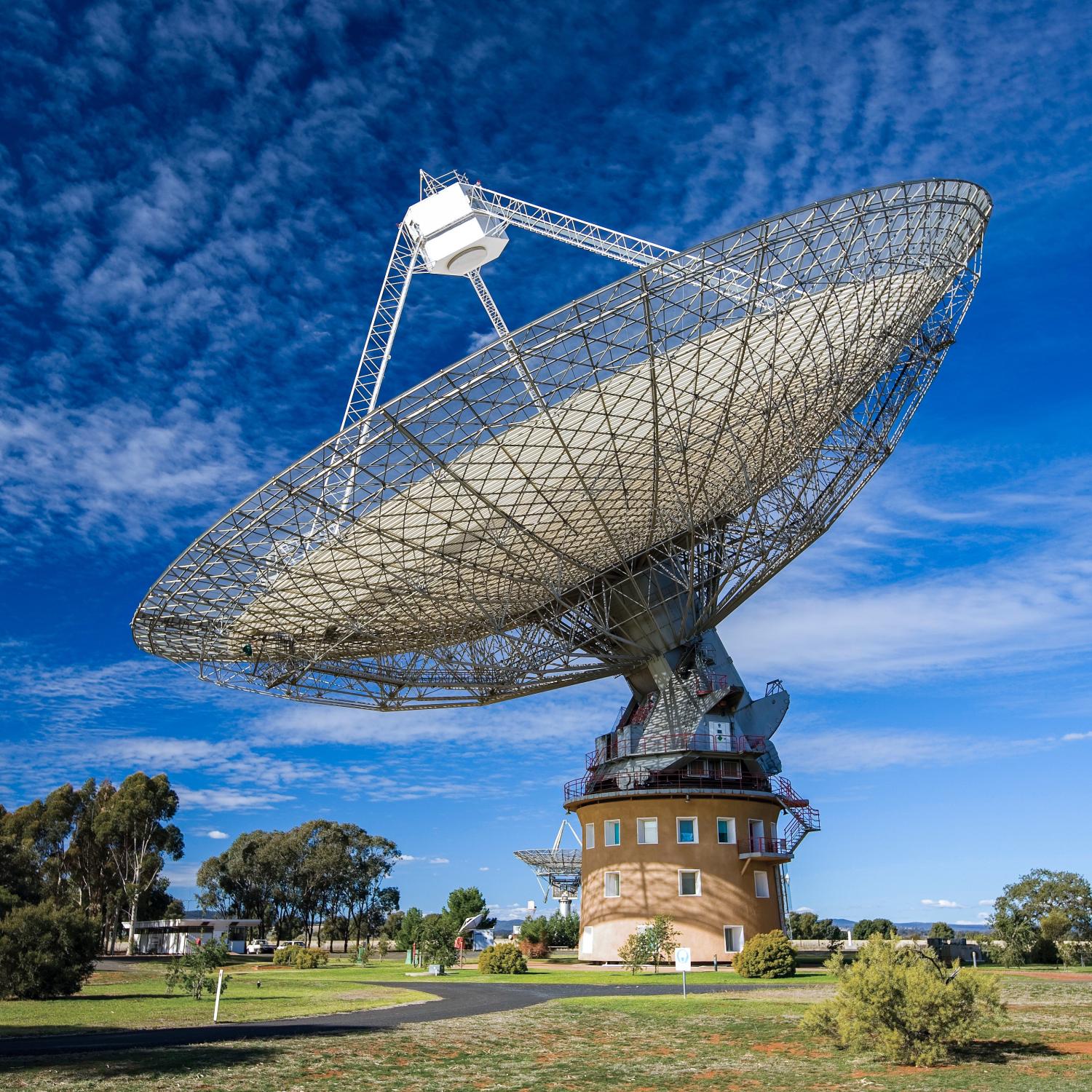
Then came one of Australia’s most celebrated contributions to space history. CSIRO’s 64-metre Murriyang Parkes Radio Telescope – lovingly referred to as “the Dish” – along with NASA’s Honeysuckle Creek tracking station, helped deliver television pictures of the Apollo 11 Moonwalk to the world. Parkes later supported other Apollo missions, including the rescue of Apollo 13.

Australia's proud lunar legacy

Today, that legacy continues in new and exciting ways. Parkes now supports lunar missions linked to NASA’s Artemis campaign through Intuitive Machines and the Commercial Lunar Payload Services initiative. During Artemis II, Parkes also passively tracked the Orion spacecraft on its journey.

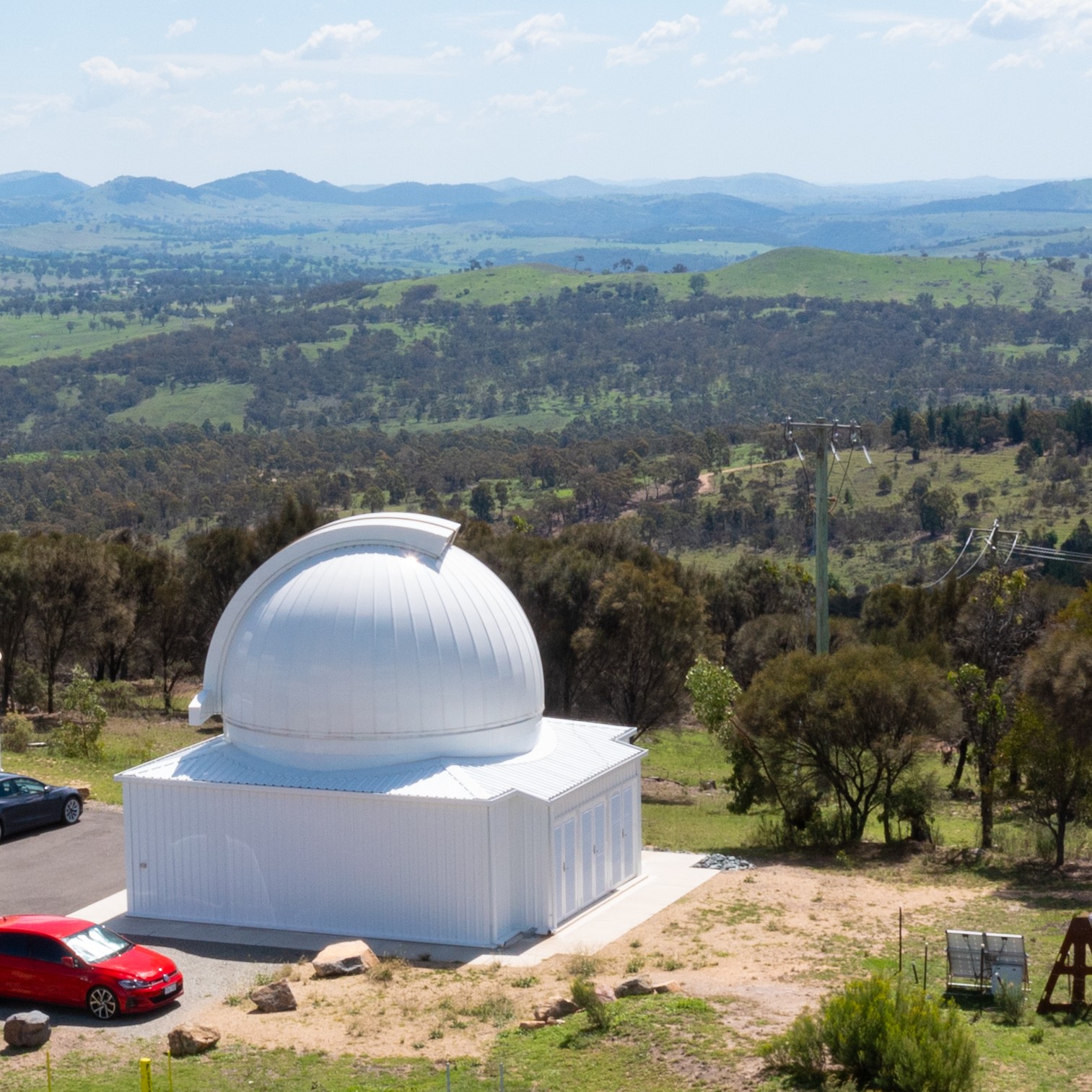
Australia’s next-generation capabilities are also stepping up. At Mount Stromlo near Canberra, the Australian National University’s Quantum Optical Ground Station has demonstrated cutting-edge laser communications technology, sending and receiving optical signals from Orion. The station received many of the mission’s striking high-definition images, while CSIRO’s mobile Mission Operations Centre provided mission control support.

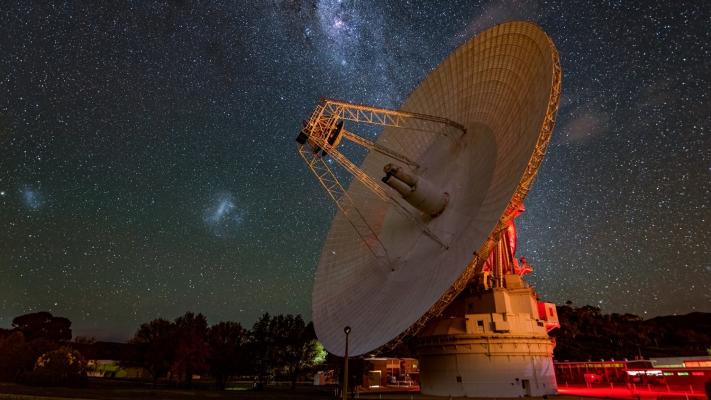
Meanwhile, NASA’s Canberra Deep Space Communication Complex at Tidbinbilla remains one of the agency’s most important global assets. Its giant Ballima antenna – at 70m the largest steerable dish in the Southern Hemisphere – is a cornerstone of the Deep Space Network and plays a crucial role in communicating with Orion and dozens of other deep space missions.

As the world looks to the Moon again, Australia is not just watching from the sidelines – it is helping lead the way. 

Photo essay

Explore with our interactive image gallery Australia's space tracking capabilities have evolved since the 1960s.
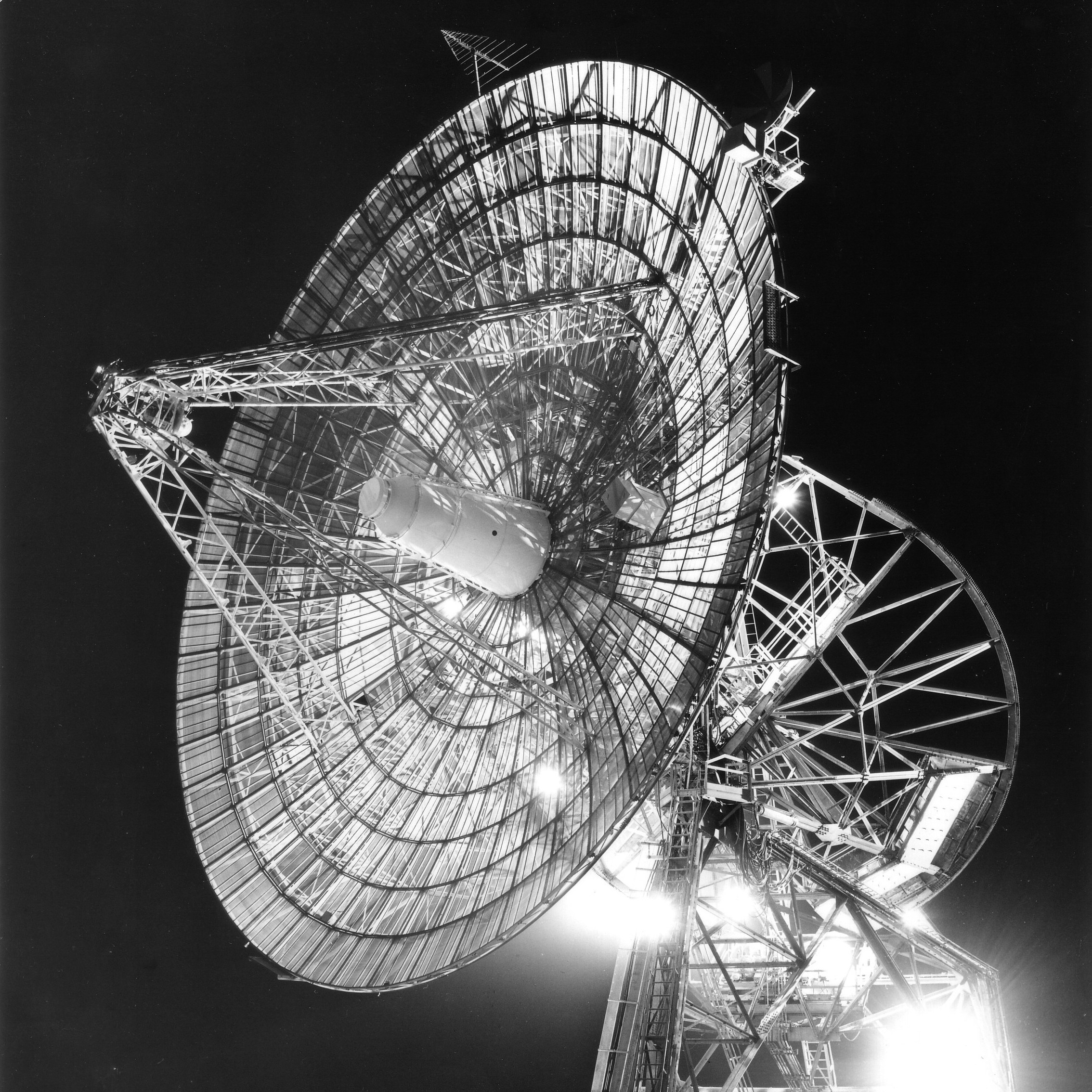
Expand  Island Lagoon’s 26m antenna is dramatically illuminated in this night-time image from 1964. Credit: NASA

NASA’s first Deep Space Instrumentation Facility outside the United States, for tracking spacecraft heading beyond Earth’s orbit to the Moon and planets, was established at Island Lagoon, near Woomera in South Australia, in 1960. 

Officially opened in 1961, with a message bounced from the US to Australia via the Moon, the Island Lagoon station supported the automated Ranger and Lunar Orbiter missions, which obtained detailed images of the Moon’s surface to help determine landing sites for the Apollo missions. 

This station also played a significant role in the early exploration of Venus, Mars and Jupiter.

Credit: NASA

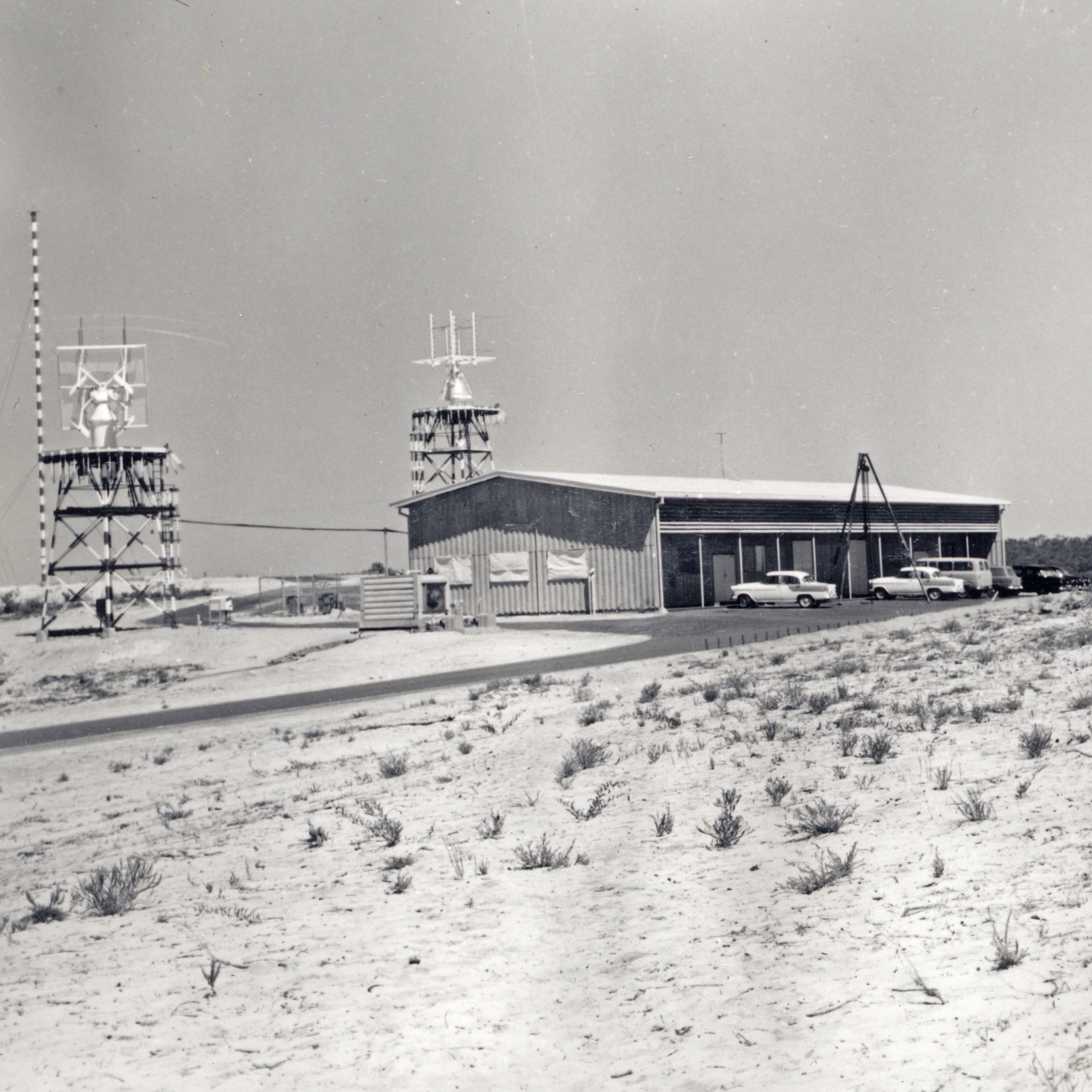
Expand The Telemetry and Control building at NASA’s Mercury Space Flight Network station in Muchea, WA. Credit: Defence Science and Technology Group, courtesy www.honeysucklecreek.net

To support Project Mercury, its initial human spaceflight program, NASA established two tracking stations in Australia in 1960.

Muchea, about 60km north of Perth, was the only spacecraft command facility outside the US, with the ability to remotely control the Mercury capsule to return to Earth in the event of an emergency.

Both Muchea and Red Lake, on the Woomera Range, included aeromedical doctors to monitor the astronaut’s health and reactions in orbit. One of the Mercury astronauts was stationed at Muchea for each orbital flight as Capsule Communicator to speak directly with his colleague in orbit. 

Astronaut John Glenn famously thanked Perth from orbit for turning on its lights for him as he passed over during the first orbital Mercury mission in February 1962. 

Credit: Defence Science and Technology Group and courtesy of www.honeysucklecreek.net

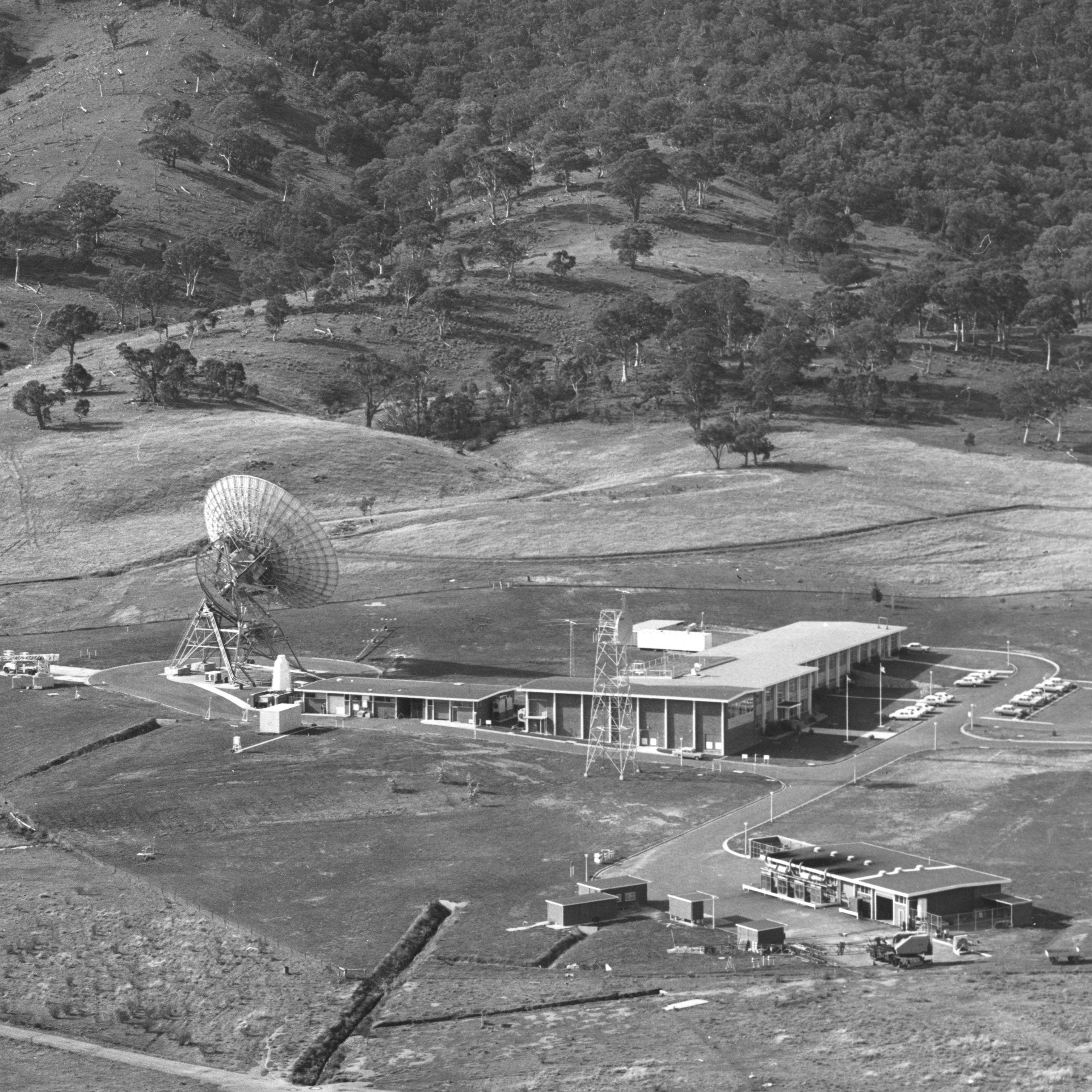
Expand : Tidbinbilla Deep Space Network station, located about 35km southwest of Canberra, during the Apollo missions. Credit: NASA, courtesy www.honeysucklecreek.net

When NASA decided to expand its Deep Space Network in the mid-1960s, a new facility was established at Tidbinbilla in the Australian Capital Territory.

Tidbinbilla complemented Island Lagoon on lunar and planetary exploration and was the prime Australian support station for the Surveyor missions, which landed on the Moon’s surface to test that conditions were safe for the Apollo Lunar Module to land and for astronauts to leave the spacecraft. 

Tidbinbilla also played a significant role in the Apollo program, working in conjunction with the Honeysuckle Creek tracking station so that the two facilities could each support one spacecraft while the Apollo Command and Lunar Modules were operating separately during lunar missions. Initially equipped with a 26m antenna, the station was expanded with a new 64m dish in 1972.

Credit: Defence Science and Technology Group, courtesy of www.honeysucklecreek.net

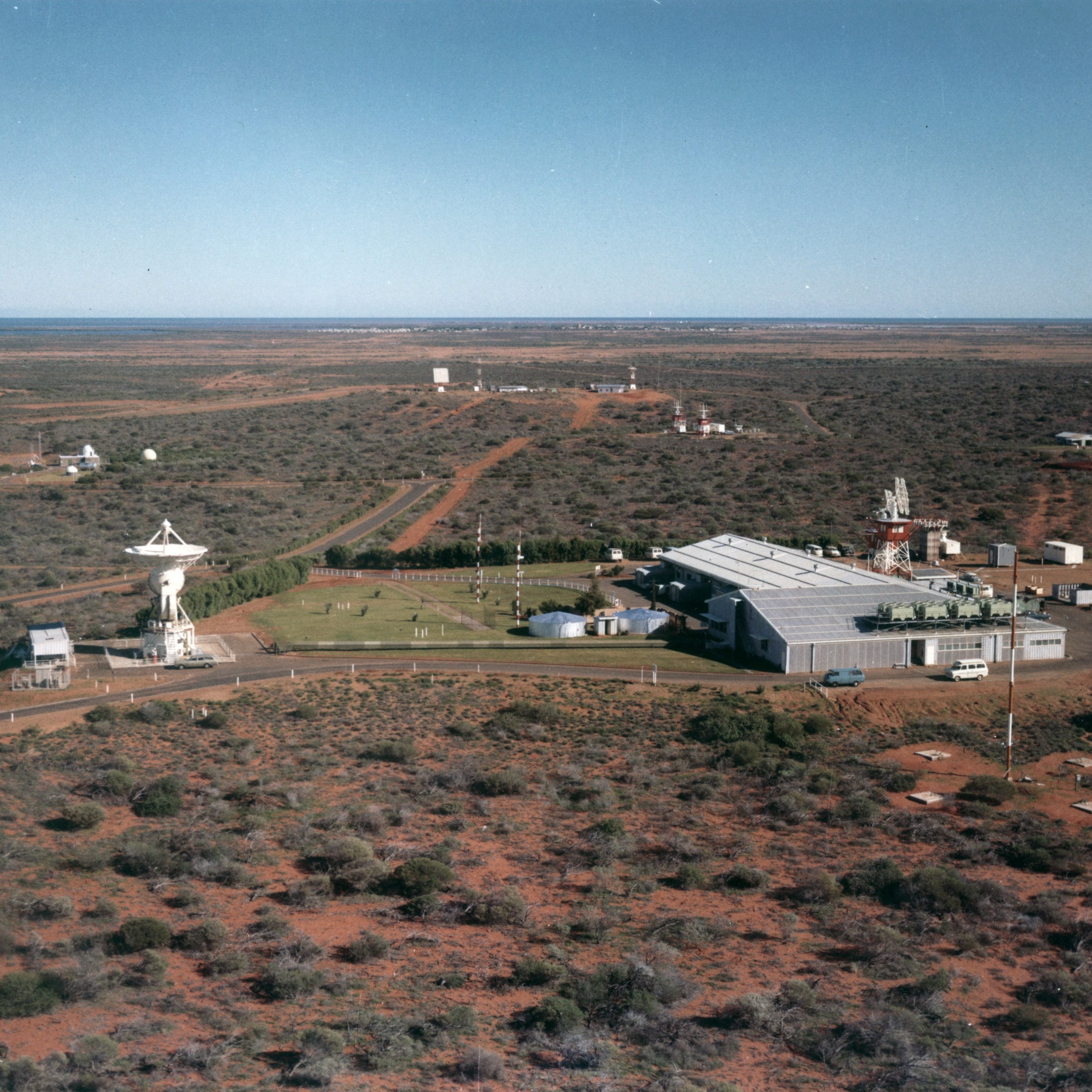
Expand View looking across part of the NASA Manned Spaceflight Network station outside Carnarvon, WA, showing the Telemetry and Control Building and FPQ-6 radar. Credit: NASA, courtesy www.honeysucklecreek.net

Replacing Muchea in 1964, Carnarvon, Western Australia, became the home of the largest NASA facility outside the United States, combining a Manned Space Flight Network station (MSFN) and a Space Tracking and Data Acquisition Network (STADAN) ground station for Earth Orbiting satellites. 

The Carnarvon MSFN station supported the Gemini, Apollo and Skylab programs, playing a vital role for both Earth orbiting and lunar missions during Apollo. 

Its powerful FPQ-6 radar could track the early trans-lunar phases of Moon-bound missions, and the station provided the go/no-go confirmation for Lunar Orbit Insertion, the rocket engine burn that sent Apollo spacecraft on the way to the Moon. 

The facility was closed in 1975.

Credit: NASA, courtesy of www.honeysucklecreek.net

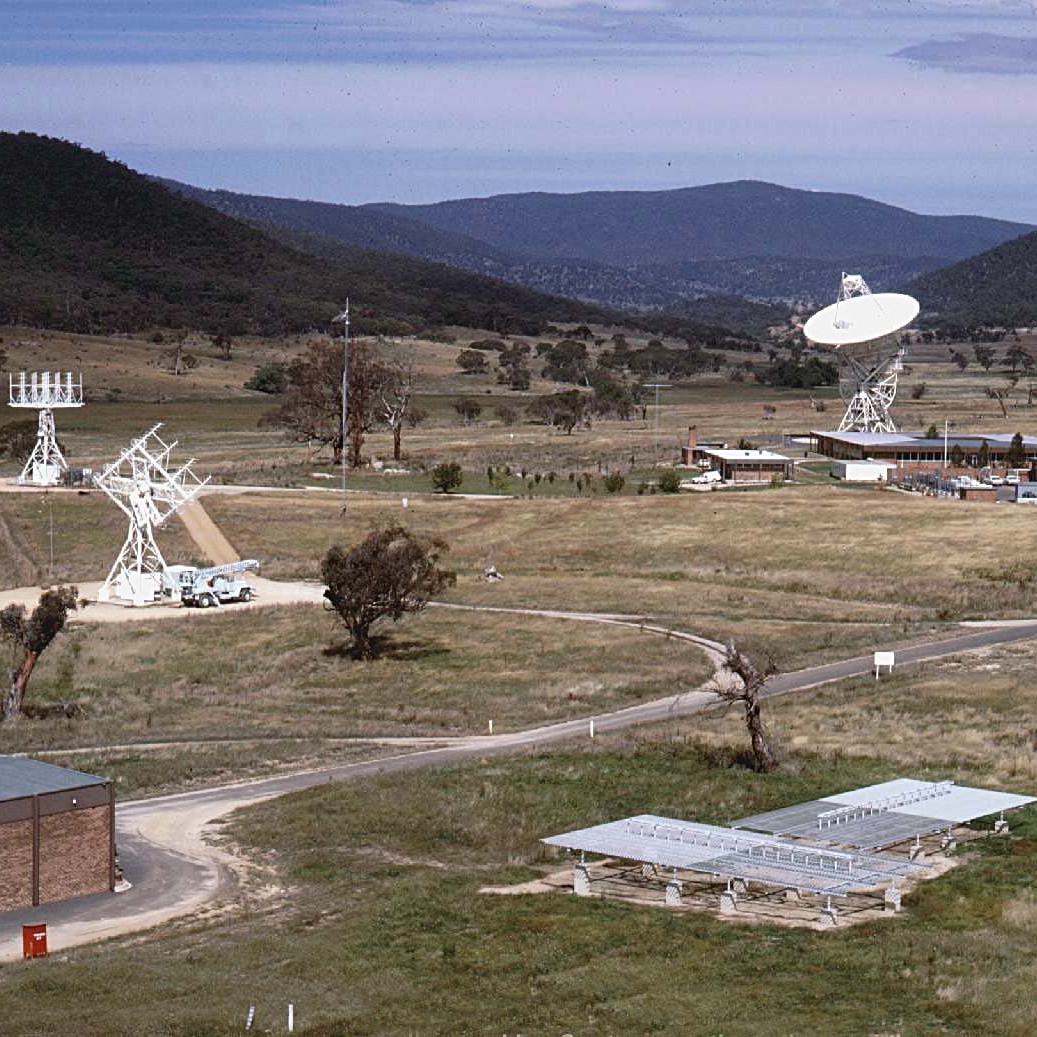
Expand A view across the Orroral Valley STADAN station, with the Minitrack radio interferometry tracking system in the foreground, and the 26-metre antenna in the distance. Credit: www.honeysucklecreek.net

The task of collecting data from the scientific instrument packages left on the Moon by each Apollo landing mission was shared between Carnarvon and NASA’s Orroral Valley Space Tracking and Data Acquisition Network (STADAN) station. 

Primarily focussed on supporting NASA’s growing armada of Earth orbiting scientific and experimental applications satellites in the 1960s, Orroral Valley commenced operation in 1965. 

Located about 60km south-west of Canberra by road, the station also provided tracking and communication for the Apollo-Soyuz Test Project (the first space link-up between the USSR and the US, in 1975) and early Space Shuttle missions. 

It was closed in 1985 and the main 26-metre antenna relocated to the Mount Pleasant Observatory near Hobart, run by the University of Tasmania, where it is still used as a radio astronomy instrument.

Credit: www.honeysucklecreek.net 

Expand The antenna at Honeysuckle Creek tracking Apollo-11 moments before Armstrong stepped onto the Moon, 21 July 1969. Credit: Hamish Lindsay, courtesy www.honeysucklecreek.net

For the Apollo program, NASA paired dedicated Manned Space Flight Network (MSFN) stations with its Deep Space Network (DSN) facilities, so that the DSN stations could act as back-ups for the MSFN facilities. 

Opened in 1967, NASA’s Honeysuckle Creek Apollo station, south of Canberra, was “twinned” with the Tidbinbilla DSN station. With the Command Module (CM) in orbit around the Moon, while the Lunar Module (LM) was on the Moon with astronauts conducting operations on the lunar surface, Tidbinbilla would support the CM and Honeysuckle Creek, the LM. 

Honeysuckle Creek was the prime receiving station for the television signals from the Moon when Neil Armstrong took that “one small step”. 

The station also played a critical role in the rescue of Apollo-13 when an in-flight explosion crippled the spacecraft. After Apollo, Honeysuckle Creek supported the Skylab missions and then became a DSN station from 1974 until final closure in 1981. The antenna was moved to Tidbinblla used to support Earth orbiting satellites and the Space Shuttle. Retired in 2010, it is now preserved as a heritage monument.

Credit: Hamish Lindsay, courtesy www.honeysucklecreek.net 

Expand CSIRO's Parkes telescope

CSIRO’s 64-metre Murriyang Parkes Radio Telescope is one of the world’s leading radio astronomy instruments. 

Opened in 1961, “the Dish” became the prototype for the 64-metre antennae of NASA’s Deep Space Network, and has provided support to lunar and deep space exploration missions. Together with NASA’s Honeysuckle Creek tracking station, Parkes provided television coverage of the historic Apollo-11 Moonwalk, and supported later Apollo missions, including the rescue of Apollo-13. 

Parkes now supports lunar missions linked to NASA’s Artemis campaign through Intuitive Machines and the Commercial Lunar Payload Services initiative. During Artemis II, Parkes also passively tracked the Orion spacecraft on its journey.

Credit: CSIRO

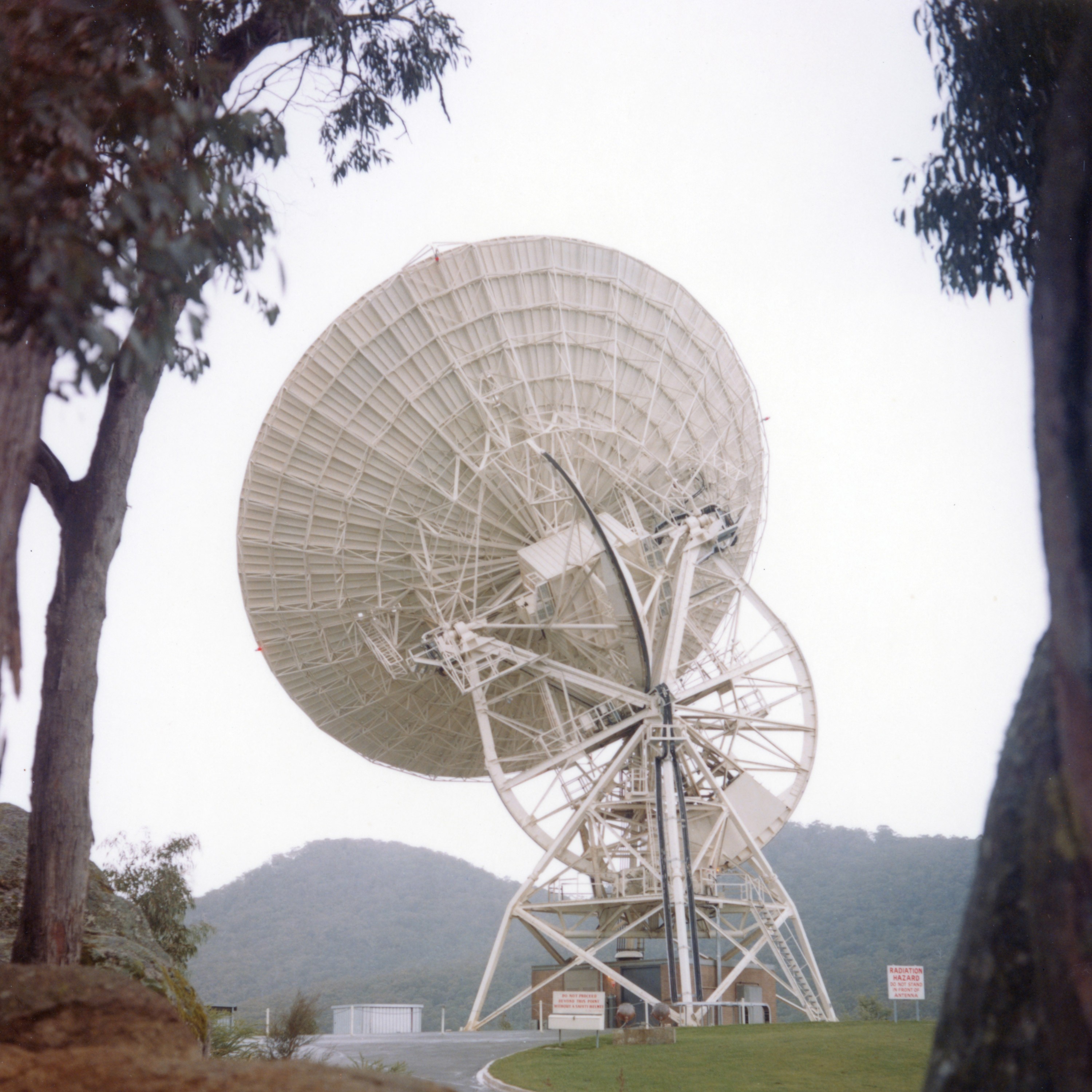
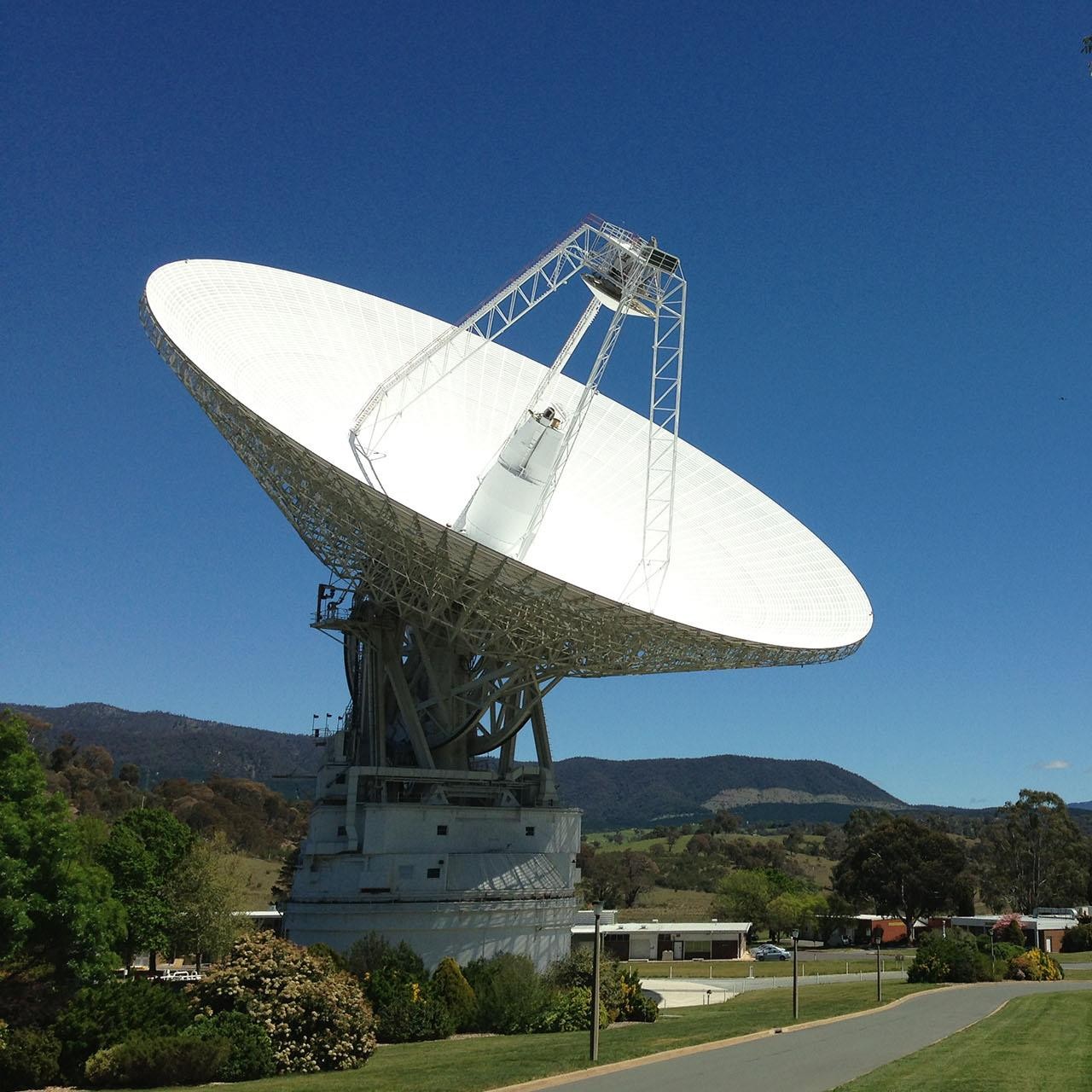
Expand DSS43 is a 70-meter-wide (230-feet-wide) radio antenna at the Deep Space Network's Canberra facility in Australia. It is the only antenna that can send commands to the Voyager 2 spacecraft.

NASA’s Tidbinbilla tracking station has expanded over the decades, adding multiple antennae as the number of missions exploring further into the Solar System and beyond has grown. \

In the 1980s, the station adopted the name Canberra Deep Space Communication Complex (CDSCC). The largest antenna on site carries the Indigenous name Ballima (meaning ‘very far away’). 

Becoming operational in 1972 as a 64-metre dish whose design was based on CSIRO’s Murriyang Parkes Radio Telescope, the antenna was upgraded to 70 metres in diameter in 1987, making it the largest steerable parabolic antenna in the Southern Hemisphere. 

Currently supporting more than 40 deep space missions from many space agencies, when it is on shift the CDSCC team operates all three complexes in the Deep Space Network. 

CSIRO-operated CDSCC plays a crucial role in the Artemis program, as one of NASA’s prime facilities providing tracking and communications for the Orion spacecraft.

Credit: NASA

Expand : A view of the ANU Quantum Optical Ground Station (QOGS) laser communication equipment at Mount Stromlo Observatory.

The Australian National University (ANU) has developed unique expertise in laser (optical) communications technologies. 

The university has established a Quantum Optical Ground Station (QOGS) at Mount Stromlo Observatory near Canberra, supported by $4.5 million in funding from the Australian Space Agency’s Moon to Mars Demonstrator Mission Grant program.  

During the Artemis II mission, ANU’s QOGS tracked the Orion spacecraft, transmitting and receiving communications from an optical communications system aboard the Orion spacecraft. 

Many of the spectacular HD images taken by the Orion crew were received at Mt Stromlo. ANU’s ground station was supported by CSIRO’s mobile mission operations centre, which provided sophisticated mission control facilities. 

High-speed, high-capacity optical communications have the potential to support future lunar-based missions for NASA. 

Credit: ANU

Main image caption: The 70m antenna at NASA’s Canberra Deep Space Communication Complex, which supported the recent Artemis II mission. Credit: NASA 

Latest from the Australian space sector

Our department recognises the First Peoples of this Nation and their ongoing cultural and spiritual connections to the lands, waters, seas, skies, and communities.

We Acknowledge First Nations Peoples as the Traditional Custodians and Lore Keepers of the oldest living culture and pay respects to their Elders past and present. We extend that respect to all First Nations Peoples.

Back to top