Whether we call it the Moon in English, markeri in Ngarrindjeri (South Australia), or merrk in Murrinhpatha (Northern Territory), its glow connects us under the same sky.
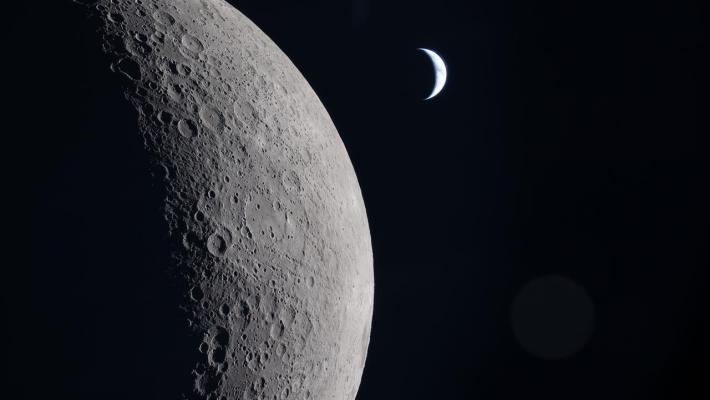
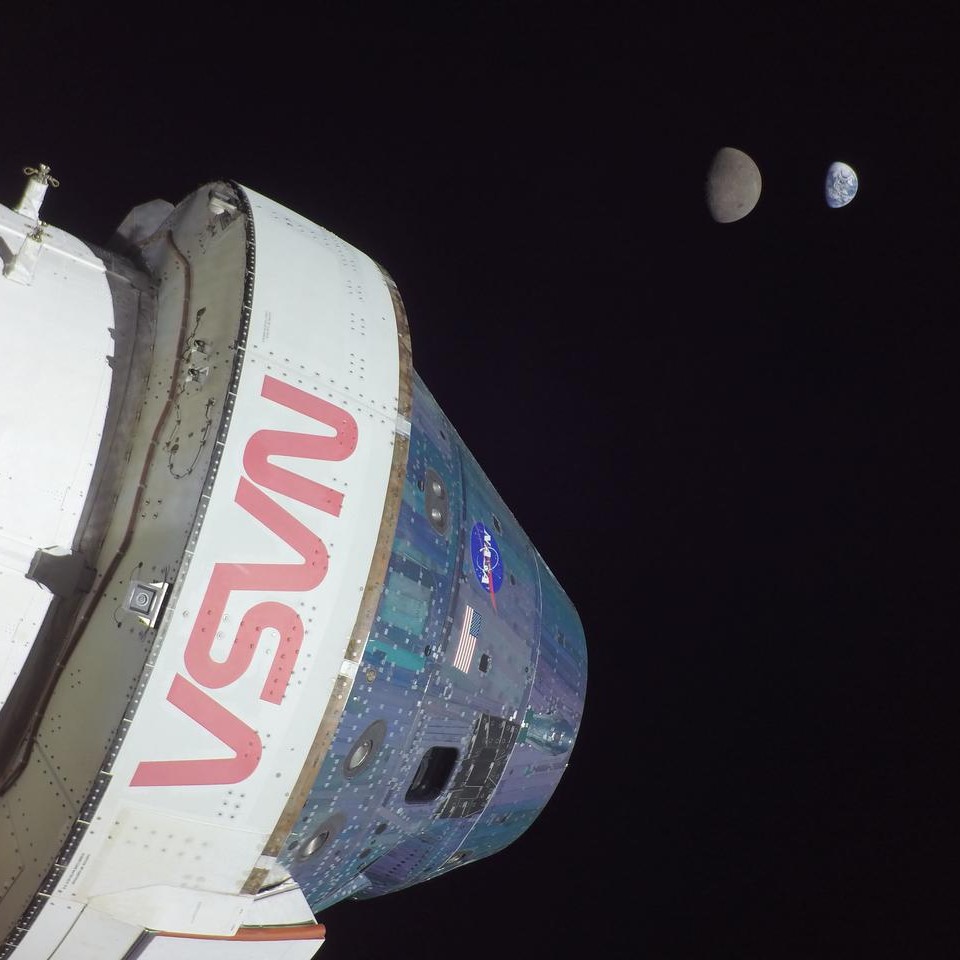
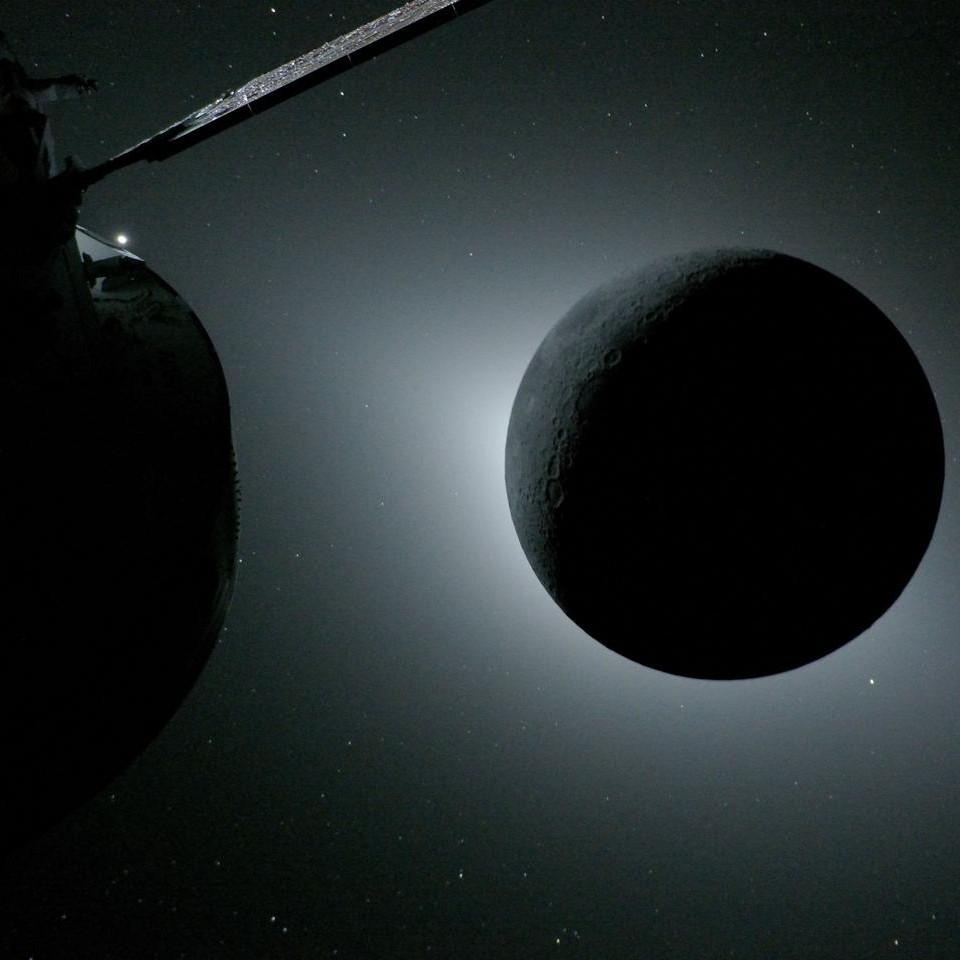
Now, our celestial neighbour is back in the spotlight, with Artemis II capturing breathtaking close-up images from humanity’s first crewed lunar flyby in more than 50 years.
These remarkable photographs reveal details that even the best Earth-based telescopes cannot capture – from rugged craters to sweeping lunar landscapes shaped over billions of years.
The renewed excitement comes as NASA this month announced the Artemis III crew for a 2027 mission that will test key systems needed for future lunar exploration.
For Australians watching from Earth, they are a powerful reminder that every generation of lunar imagery has brought the Moon closer – and helped place the next era of discovery within reach.
Photo essay
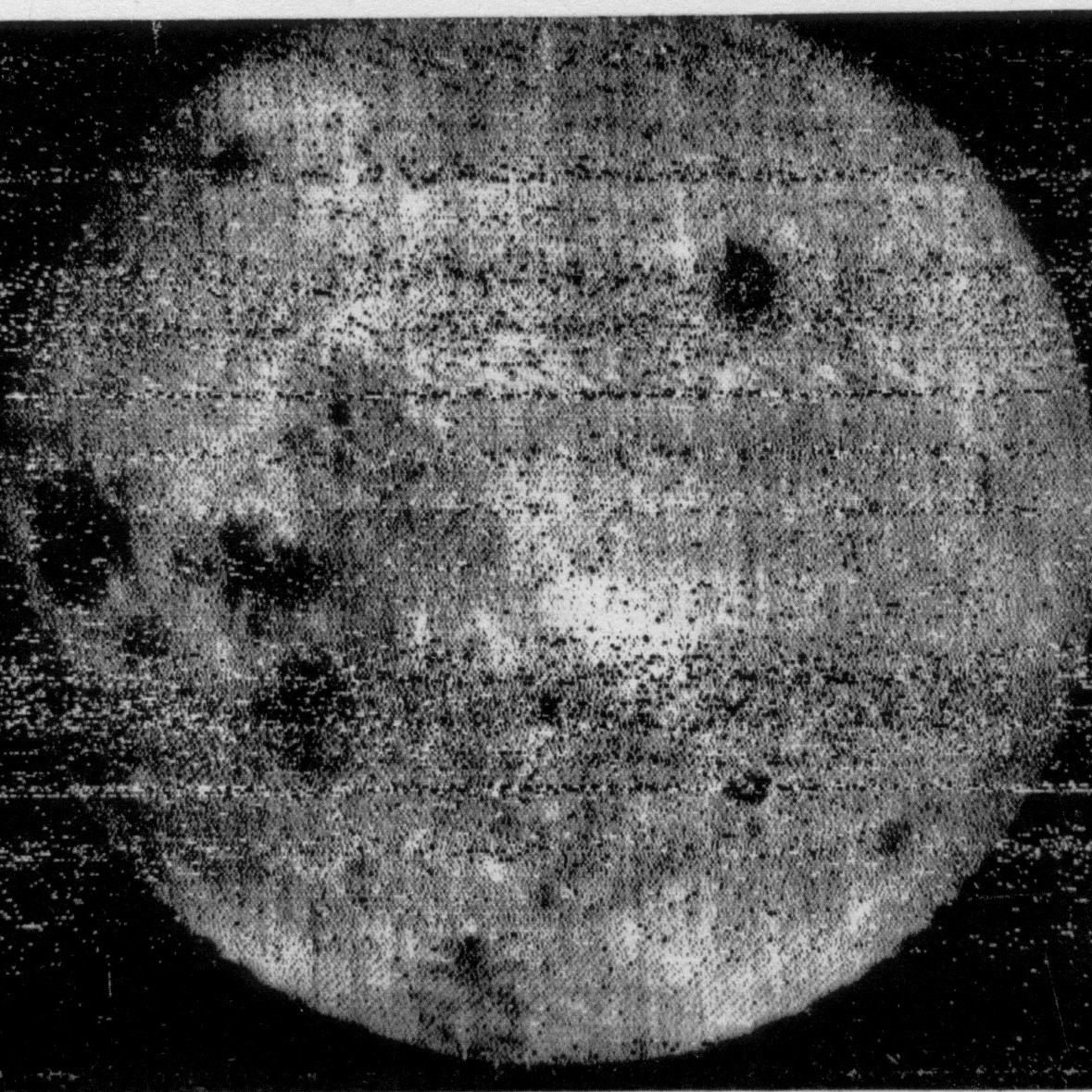
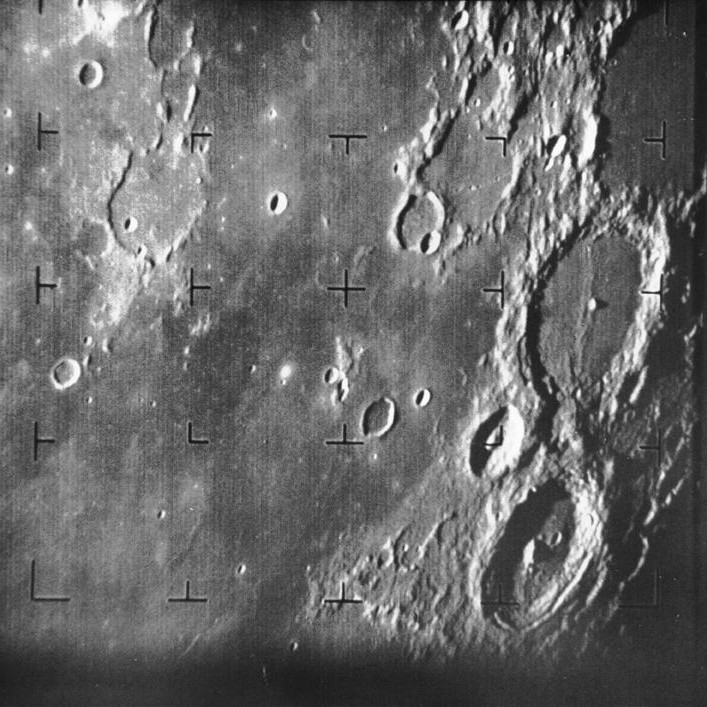
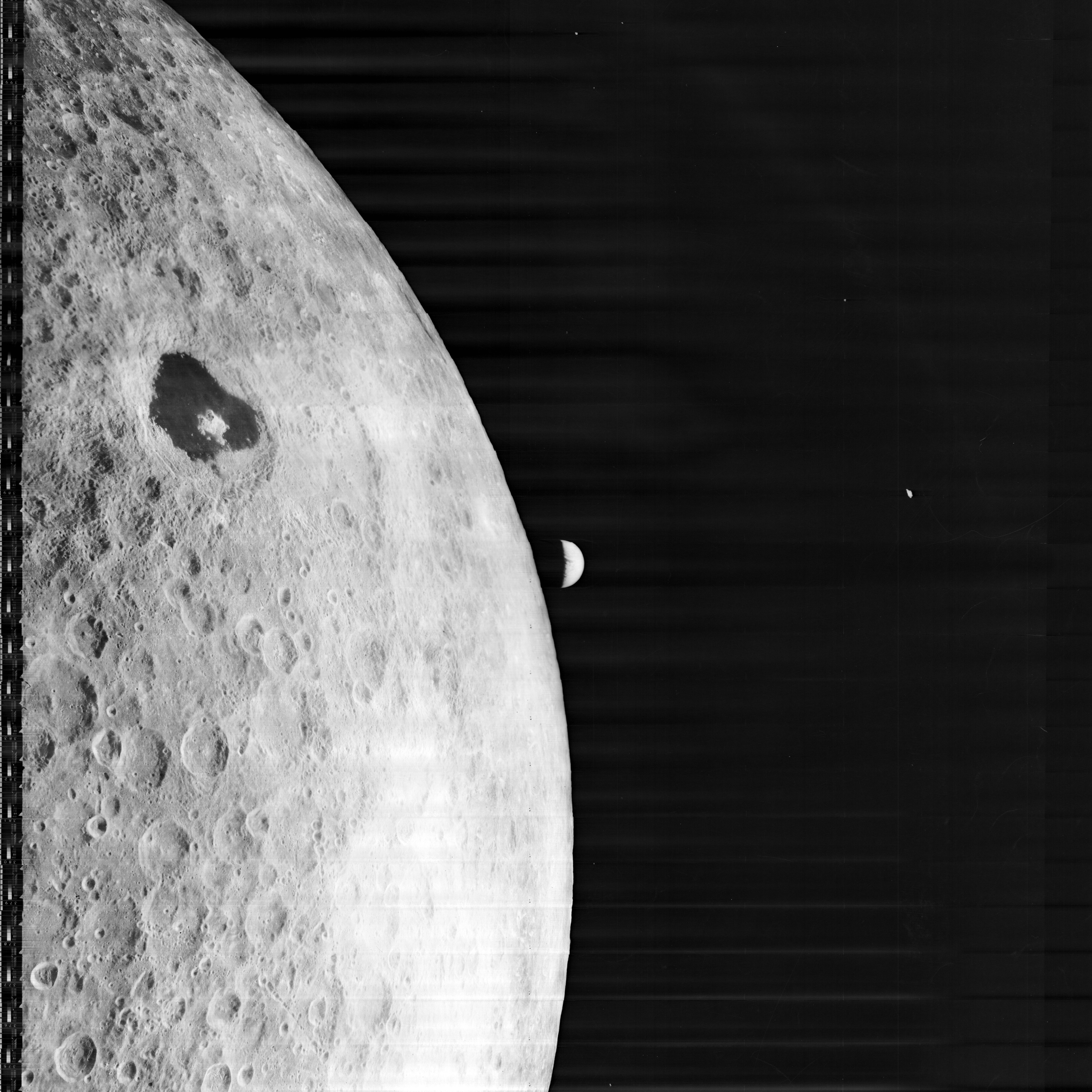
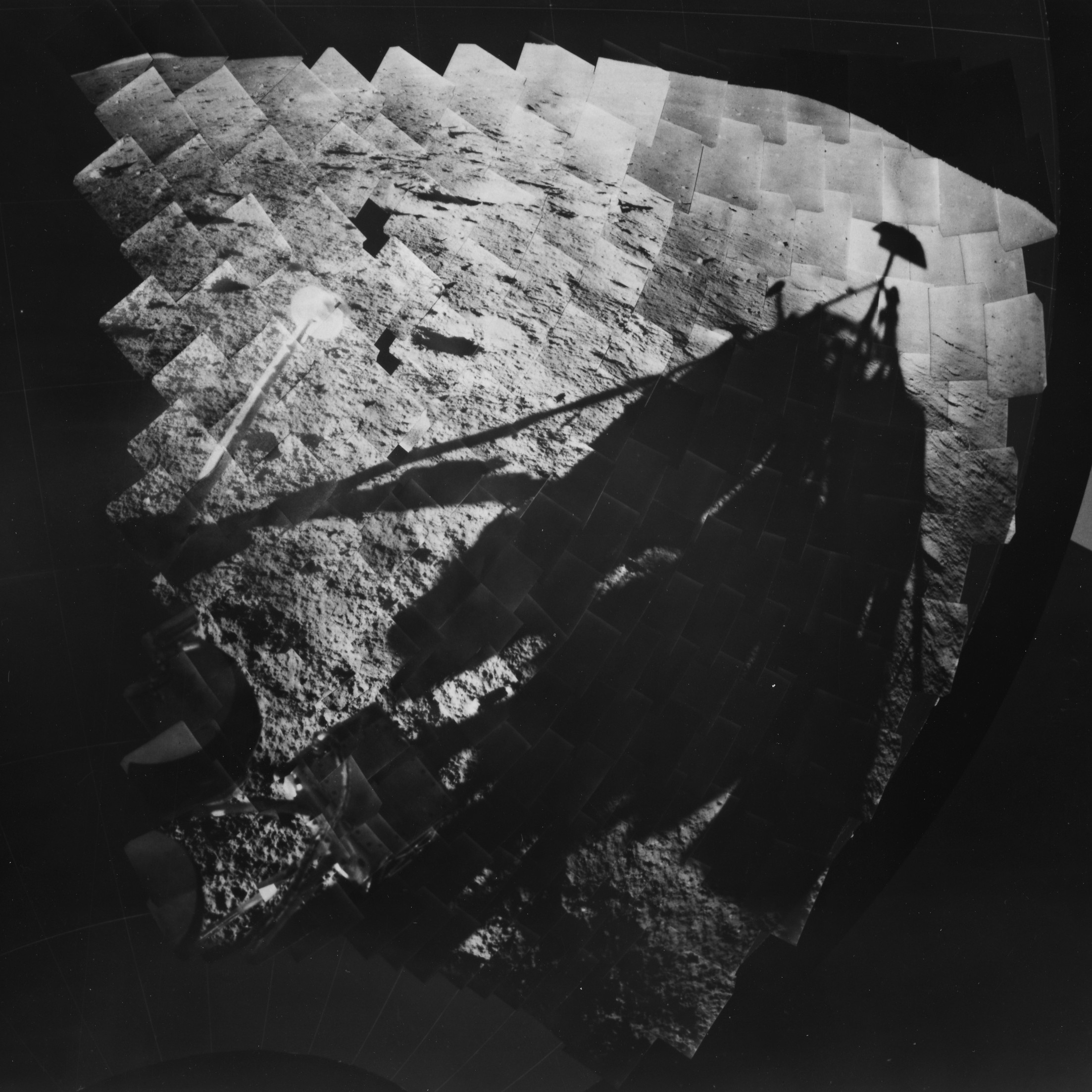
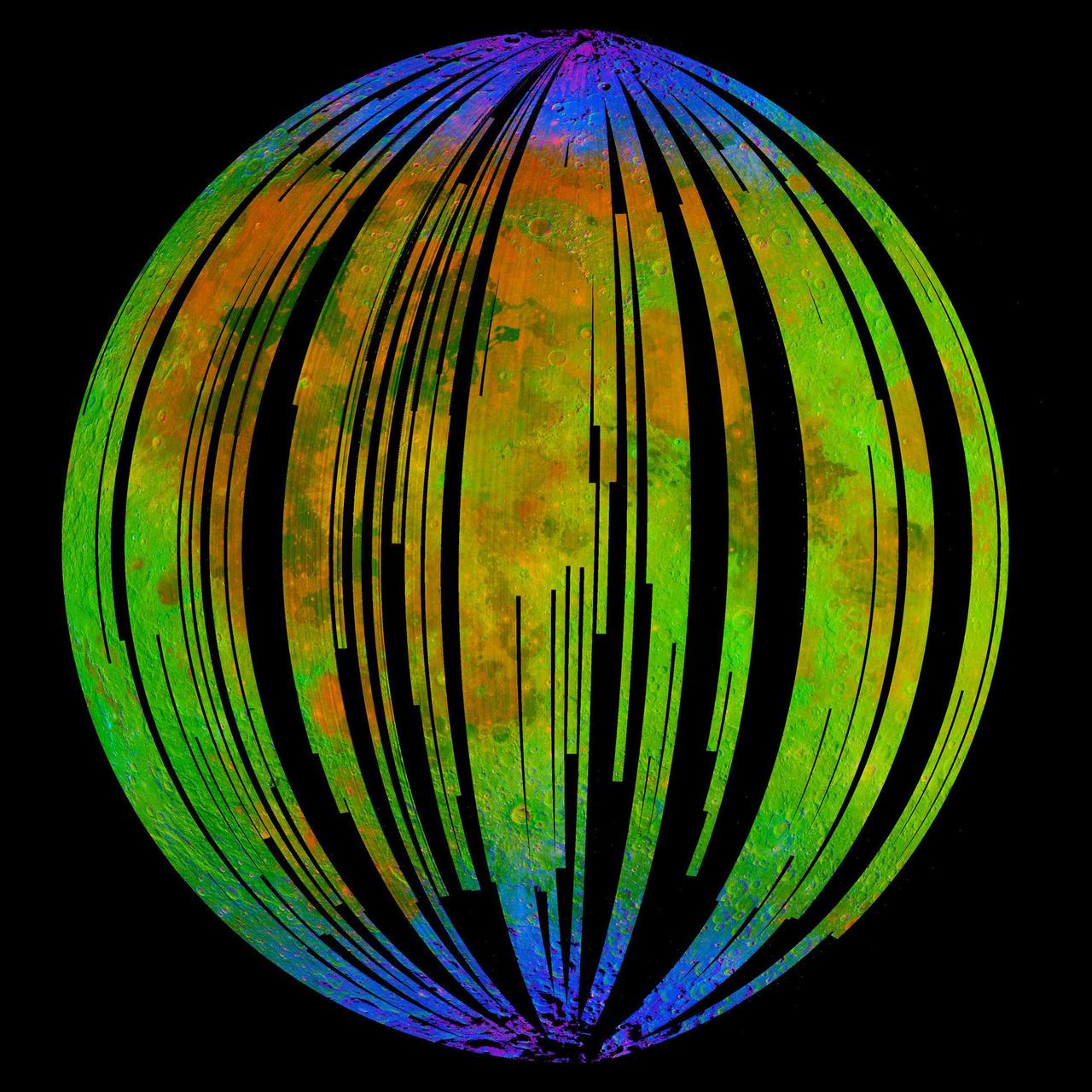
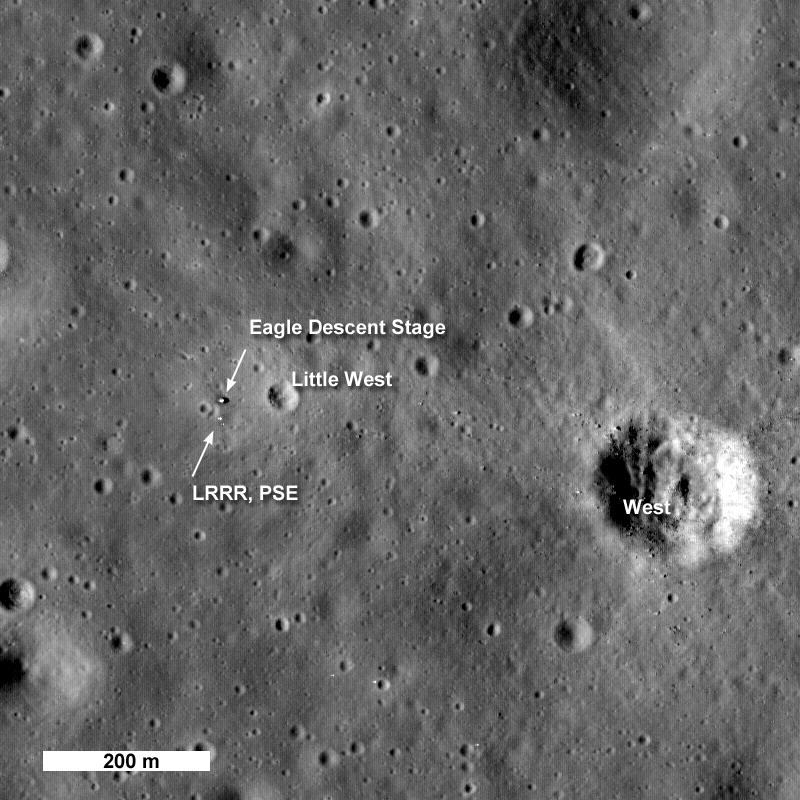
Explore our interactive photo gallery to see how nearly 70 years of Moon photography has changed the way we see our nearest celestial neighbour.
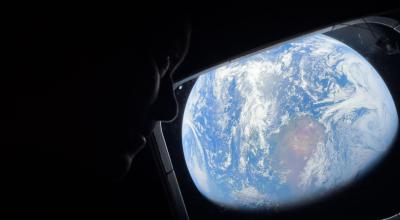
Australia in the Artemis era
We backed Apollo, now we are backing a new era in lunar exploration.
Main image caption: As the Artemis II crew came close to passing behind the Moon and experiencing a planned loss of signal, they captured this image of a crescent Earth.
Seen from afar, it almost looks like a circular arc – except when backlit, as in other images captured by the Artemis II crew. Earth is in a crescent phase, with sunlight coming from the right. The dark portion of Earth is experiencing nighttime.
Credit: NASA