Homegrown space innovations are shaping the future of science, education and sustainability.
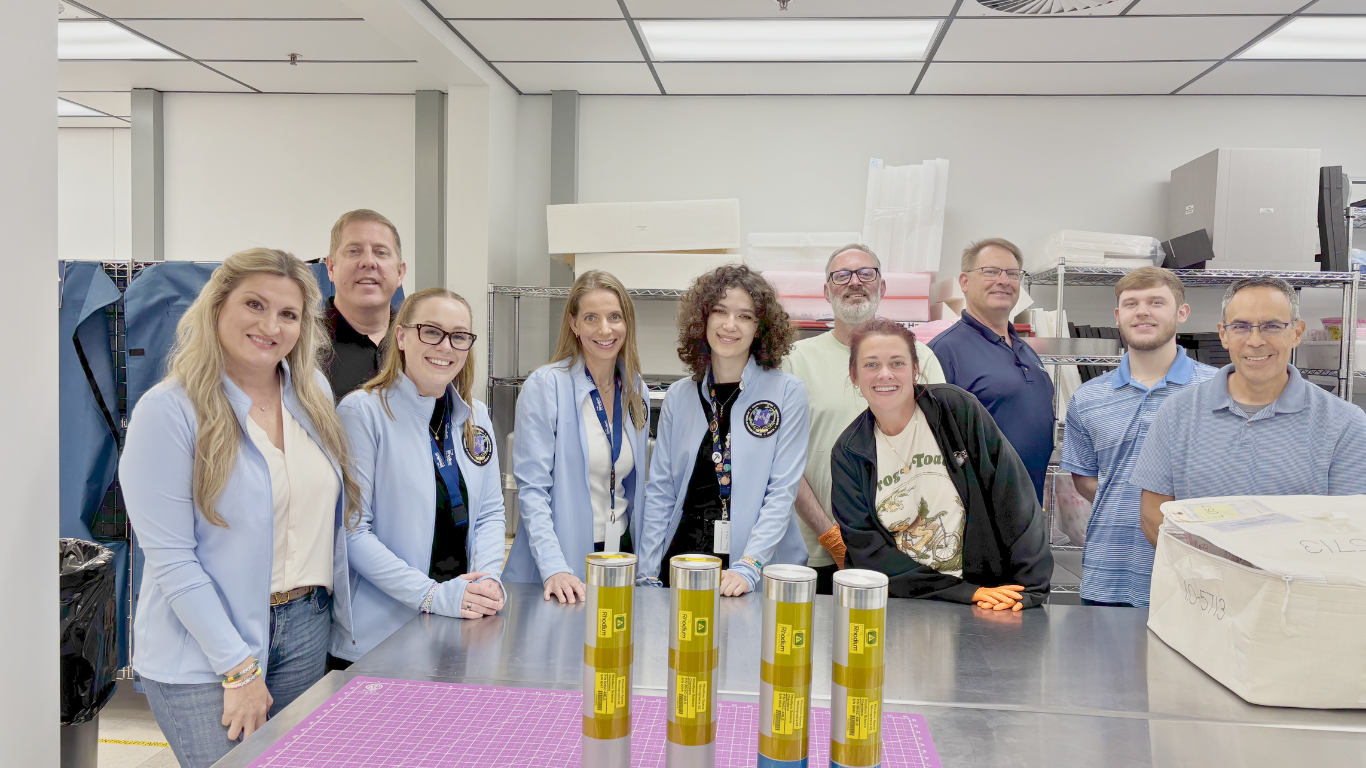
Two plant science payloads led by the Swinburne University of Technology have successfully docked and been integrated aboard the International Space Station (ISS).
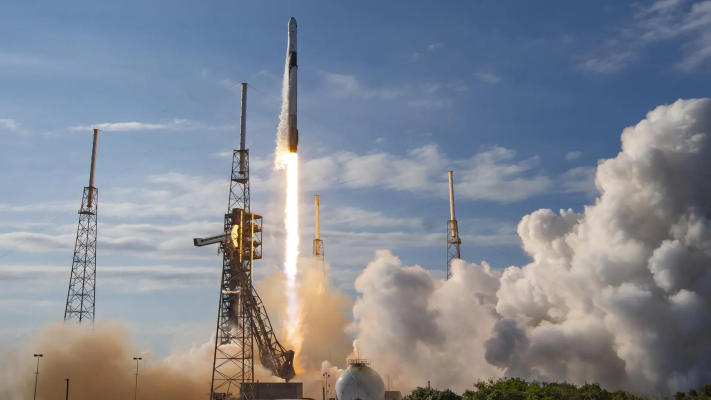
Launched on NASA’s 34th SpaceX resupply mission, the experiments are now in astronauts’ hands, marking another significant moment for Australia’s growing space heritage.
At the heart of the mission are Australian-grown seeds from two separate projects designed to test how plants respond to microgravity and other stressful space conditions.
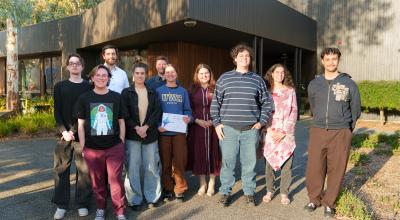
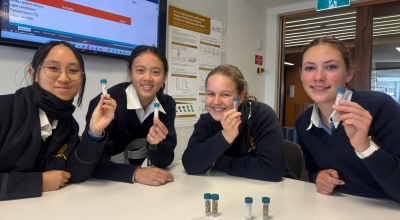
One seed project is part of the Swinburne Youth Space Innovation Challenge (SYSIC), a national education program in which high school teams design experiments focused on microgravity. The other is a research payload from LaunchLabz, a commercial company spun out of the Melbourne-based university.
Together, these Australian-led experiments will examine how roots develop in the absence of gravity, generating valuable knowledge for future long-duration space missions while also offering insights that could improve crop growth on Earth.
Shaping the future of space science
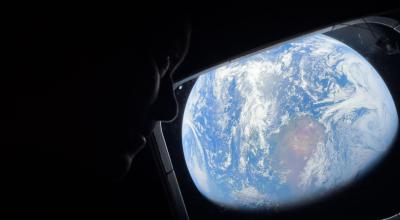
For more than 25 years, people have lived and worked continuously aboard the ISS – an orbiting laboratory that has advanced scientific knowledge and enabled research breakthroughs not possible on Earth.
From student-designed research to real-world spaceflight, Swinburne’s latest success shows that Australian ingenuity is not only reaching orbit, but also contributing to the future of space science.
“We cannot wait to watch these little Aussie seeds fly to space and back, and straight into the classrooms of our Australian students,” said Dr Rebecca Allen, Co-Director Swinburne Space Technology and Industry Institute.
The space station helps the global space sector understand and overcome the challenges of human spaceflight, expand commercial opportunities in low Earth orbit, and build on the foundation for long-duration missions to the Moon, as part of the Artemis program.
Dr Sara Webb, Associate Dean of Innovation & Engagement at Swinburne University of Technology, said the mission reflects the ambition and momentum of Australia’s innovation ecosystem.
“What we learn from this experiment won’t just help future space explorers, but has the potential to help us grow better plants on Earth,” said Dr. Webb.
In addition to the Swinburne payloads, the ISS also received several other experiments, including a project examining how well Earth-based simulators replicate microgravity conditions; a bone scaffold made from wood that could support new treatments for fragile bone conditions such as osteoporosis; and equipment to help researchers evaluate how red blood cells and the spleen change in space.
The orbiting laboratory was also supplied with a new instrument to study charged particles around Earth that can affect power grids and satellites, an investigation that could improve understanding of how planets form, and a device designed to take highly accurate measurements of sunlight reflected by Earth and the Moon.
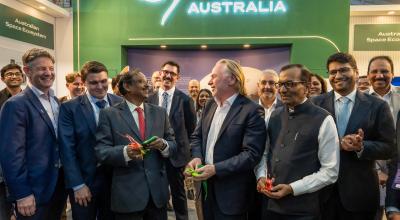
Industry showcase
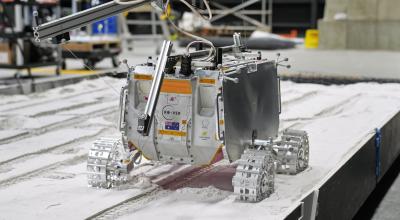
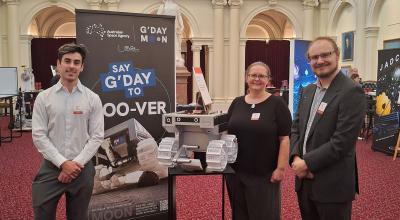
Swinburne University of Technology is making a two-pronged contribution to Australia’s first lunar rover – by tackling the threats of dust and radiation on the Moon.
Main image: A SpaceX Falcon 9 rocket, with the company’s Dragon spacecraft atop, launched on 15 May 2026, from Space Launch Complex 40 at Cape Canaveral Space Force Station in Florida. This was the 34th commercial resupply services mission to the International Space Station for NASA.
Credit: NASA