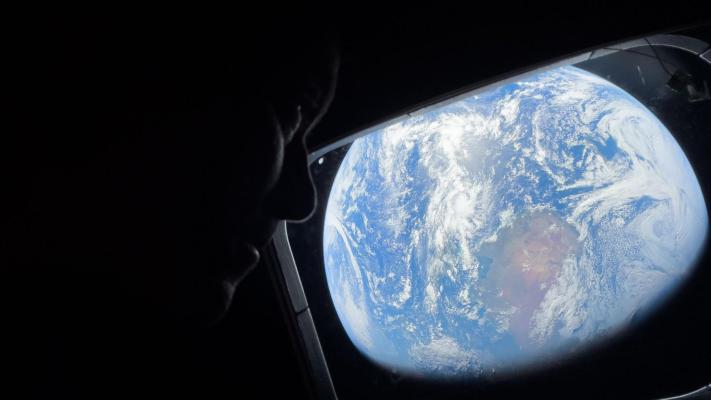
Here’s a recap of some of the key developments and capabilities from September that are shaping Australia’s space industry.
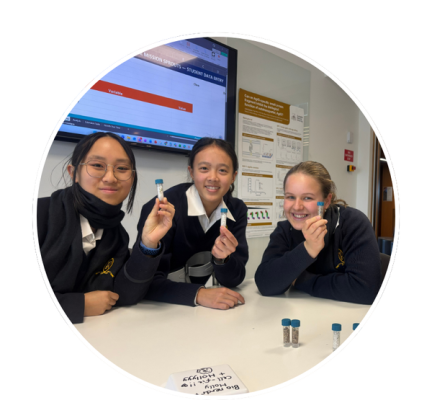
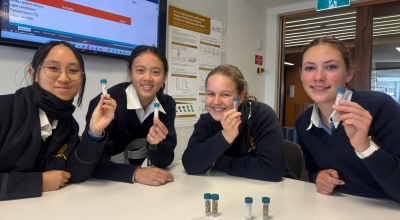
After receiving more than 1,400 Expressions of Interest from Australian schools since launching in July, Mission Sprout kits will now reach around 100,000 students nationwide.
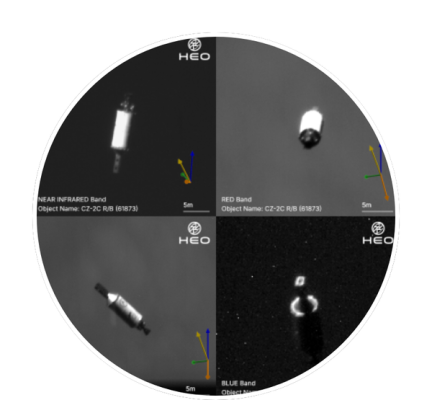
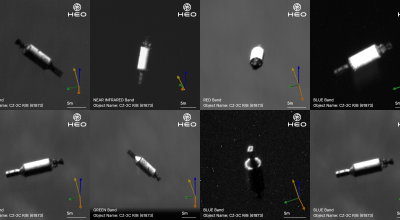
The National Reconstruction Fund Corporation helps HEO raise $37 million. This investment has also helped support capital raises across the Australian space sector to be worth over $600 million.

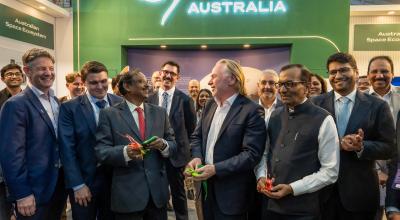
At the latest Bengaluru Space Expo, Australia’s partnership with India was elevated with new agreements signed – underscoring the growing depth of collaboration between the two countries.
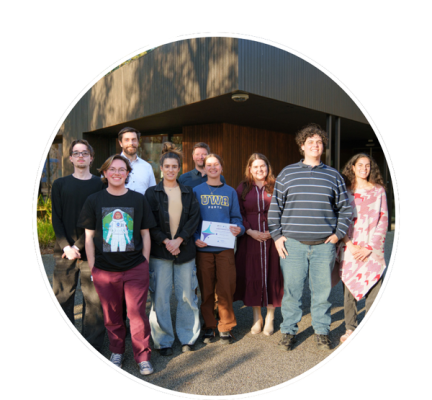
Monash University’s National Indigenous Space Academy is underway with eight First Nations students starting a 10-week placement at NASA’s Jet Propulsion Laboratory and two more interning UK's RAL Space.
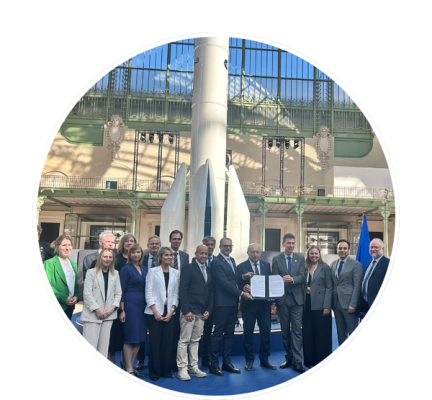
At the latest International Space Summit held in Paris, Australia joined global declarations supporting sustainable outer space use, space-based scientific data and Copernicus.
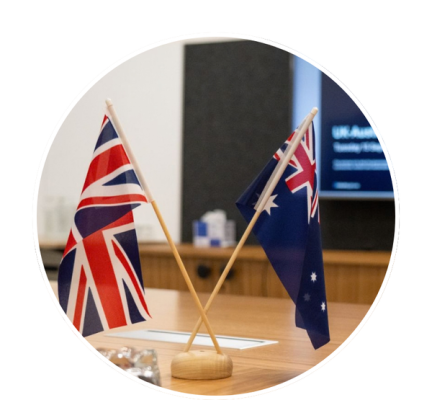
As part of the 2nd UK-Australia Strategic Innovation Dialogue in Canberra, the partner nations considered innovation priorities for renewable energy, life sciences and space.

The Australian Defence Force’s Space Command and Royal New Zealand Air Force have formally endorsed a shared Space Vision Statement – reinforcing the Anzac partnership.
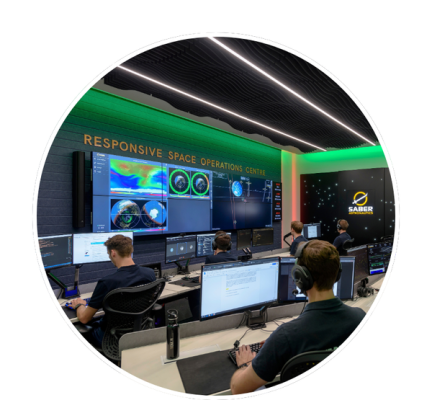
Saber Astronautics welcomed French aerospace firm HEMERIA to its Responsive Space Operations Centre based in Adelaide, which is supported by the Australian Space Agency.
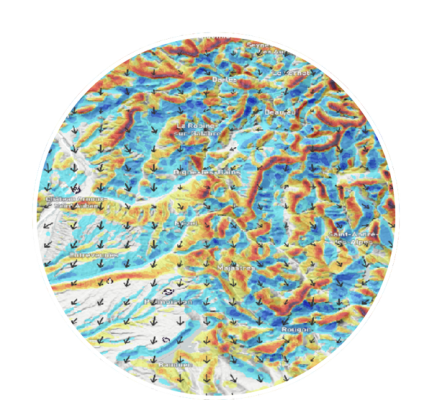
SkySight received a grant from the UK's Advanced Research and Invention Agency to develop a unified weather forecasting and flight-planning platform for High Altitude Pseudo-Satellites.
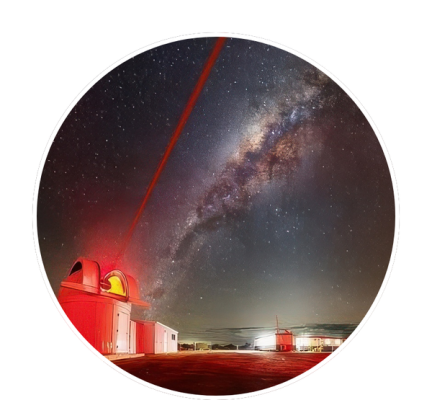
The International Centre for Radio Astronomy Research in partnership with Northrop Grumman Corporation marked a significant milestone in laser communications.
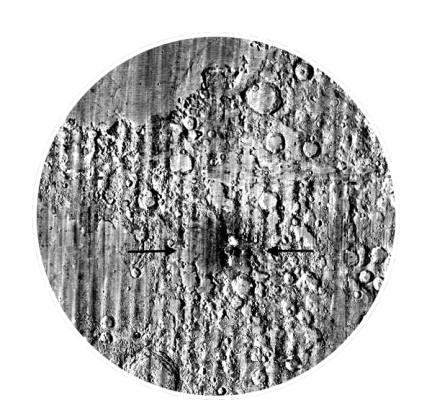
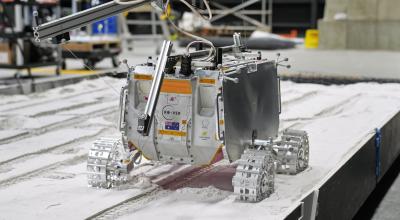
Adelaide University’s Australian Institute for Machine Learning and the Andy Thomas Centre for Space Resources have developed a new crater-based navigation system.
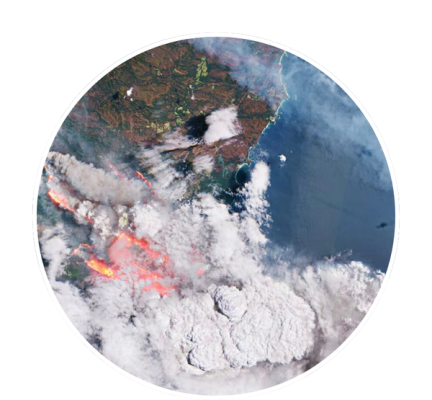
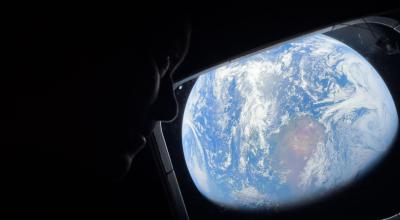
The Australian National University is developing a national satellite mission for Earth observation, with world-first technology to monitor the flammability of eucalypt forests from space.
Get in touch
The Australian space industry is invited to share with us their recent developments.