Australia is strengthening its ability to operate safely and responsibly in an increasingly crowded space environment.
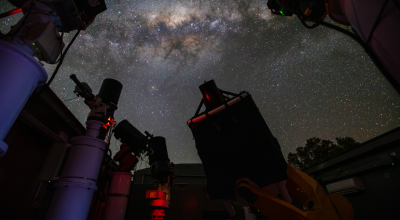
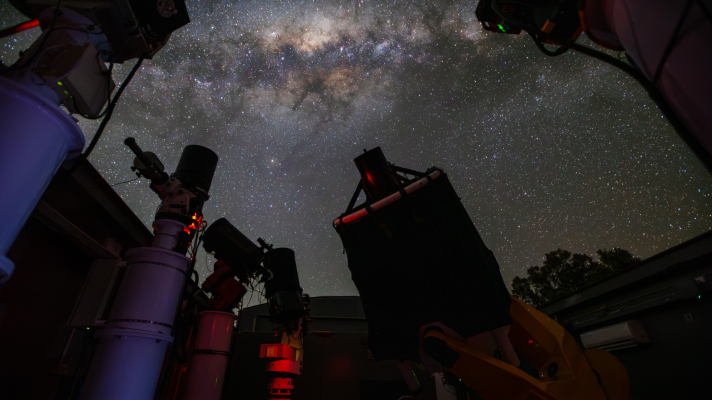
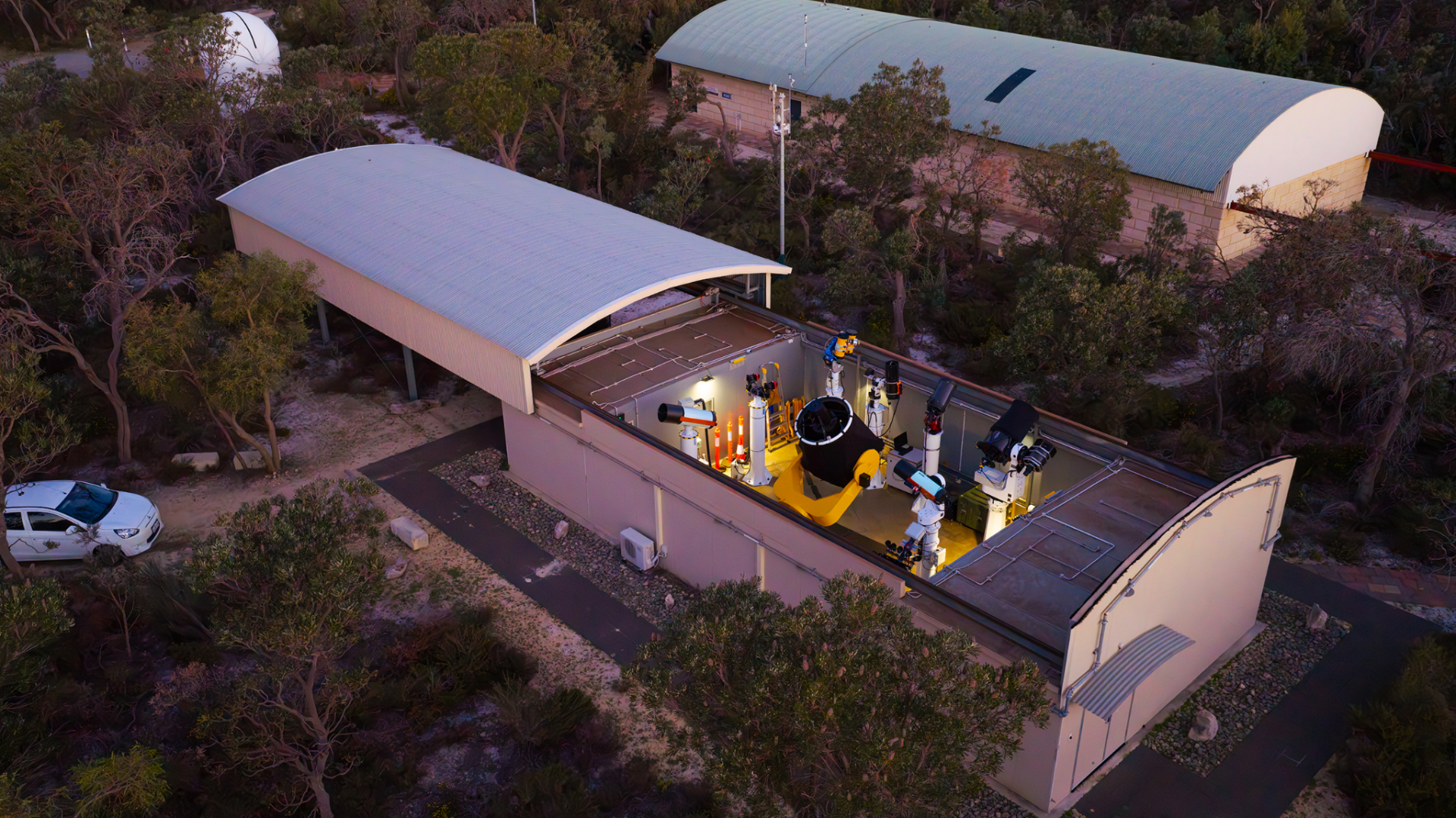
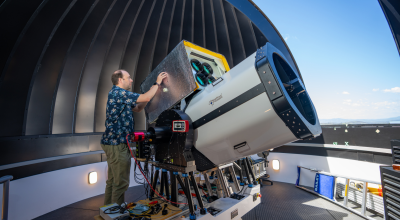
A new ARC Training Centre for Space Domain Awareness has been unveiled that will bring together researchers, industry and government to improve how Australia manages satellites, space traffic and space hazards.
Led by the University of Western Australia (UWA), the Centre is the latest in a growing network of Australian Research Council (ARC)-backed initiatives advancing space research, developing skilled workers and turning homegrown innovation into practical capabilities.
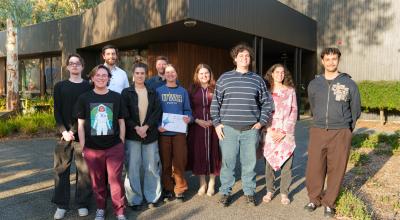
Associate Professor David Coward said that the Centre brings together three university nodes – UWA, UNSW Canberra and the University of Tasmania – and 22 partner organisations, connecting researchers with industry, government and international expertise.
"This Centre will bring together expertise in sensing, data analysis and hazard assessment to give operators a clearer picture of the space environment and help them make timely, informed decisions.
“By training researchers alongside industry, we will build both the technology, and the workforce Australia needs to strengthen its own space capabilities.”
~ Associate Professor Coward from the International Space Centre at The University of Western Australia, who will lead the ARC Training Centre for Space Domain Awareness.
Boosting Aussie space research, tech, and talent
The new ARC Training Centre for Space Domain Awareness Centre joins a network of ARC-backed initiatives advancing Australia’s space capabilities, such as:
- The ARC Centre of Excellence for Gravitational Wave Discovery is positioning Australia as a leader in gravitational-wave science while inspiring young Australians to explore physics and astronomy.
- The ARC Centre of Excellence in Plants for Space is developing high-efficiency, zero-waste plant systems for future space missions, with potential applications for sustainable food production on Earth.
- The ARC Training Centre for High-Speed Propulsion Rocket and Launch Systems is bringing together universities, industry, small and medium-sized businesses, and government organisations to advance Australia’s rocket and launch capabilities.
Turning Aussie innovation into global opportunity
Australian Government investment is also helping local space companies commercialise their technologies and pursue opportunities in global markets.
Since December 2024, the National Reconstruction Fund Corporation has participated in seven space-sector capital raises. More than $200 million in NRFC investment has helped support combined capital raises valued at over $600 million.
Together, research funding and commercial investment are strengthening Australia’s space ecosystem, helping ideas progress from early-stage research to practical capabilities, skilled jobs and international opportunities.
Investing and strengthening Australia’s position in the global space sector
From growing food for astronauts to developing faster rockets, detecting gravitational waves and protecting satellites, Australian researchers are tackling some of space’s biggest challenges.
Backing from the ARC is helping transform these bold ideas into new national capabilities.
The following Australian Government investments are accelerating scientific discovery, supporting commercial innovation and developing the highly skilled workforce needed to shape our nation's future in STEM and space.
The ARC Centre of Excellence for Gravitational Wave Discovery (OzGrav)
Updates from OzGrav
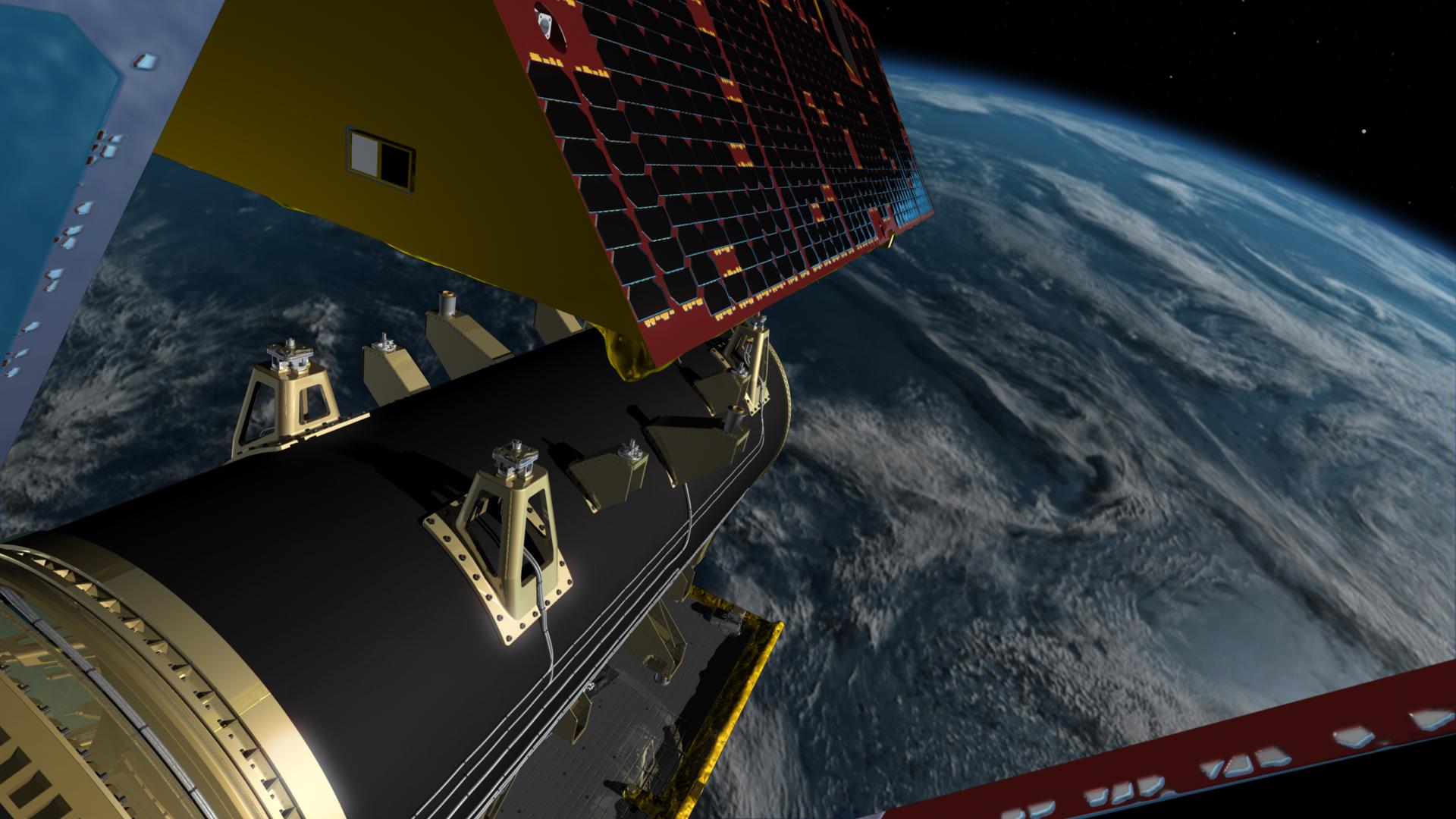
Space mission technology: OzGrav researchers at The Australian National University (ANU) have characterised the phase-tracking limits of NASA's GRACE Follow-On flight laser, advancing precision measurement techniques for future space-based interferometry.
"One of the remarkable things about fundamental research is that solving difficult scientific problems often leads to technological advances with much broader applications.
"At OzGrav, our expertise in laser technology, precision measurement and advanced optics is contributing to capabilities relevant to space missions and future gravitational-wave observatories. ARC funding allows us to pursue these ambitious research challenges while developing expertise that strengthens Australia's space sector."
~ Professor Matthew Bailes, Director, ARC Centre of Excellence for Gravitational Wave Discovery (OzGrav)
The ARC Centre of Excellence in Plants for Space (P4S)
Updates from P4S
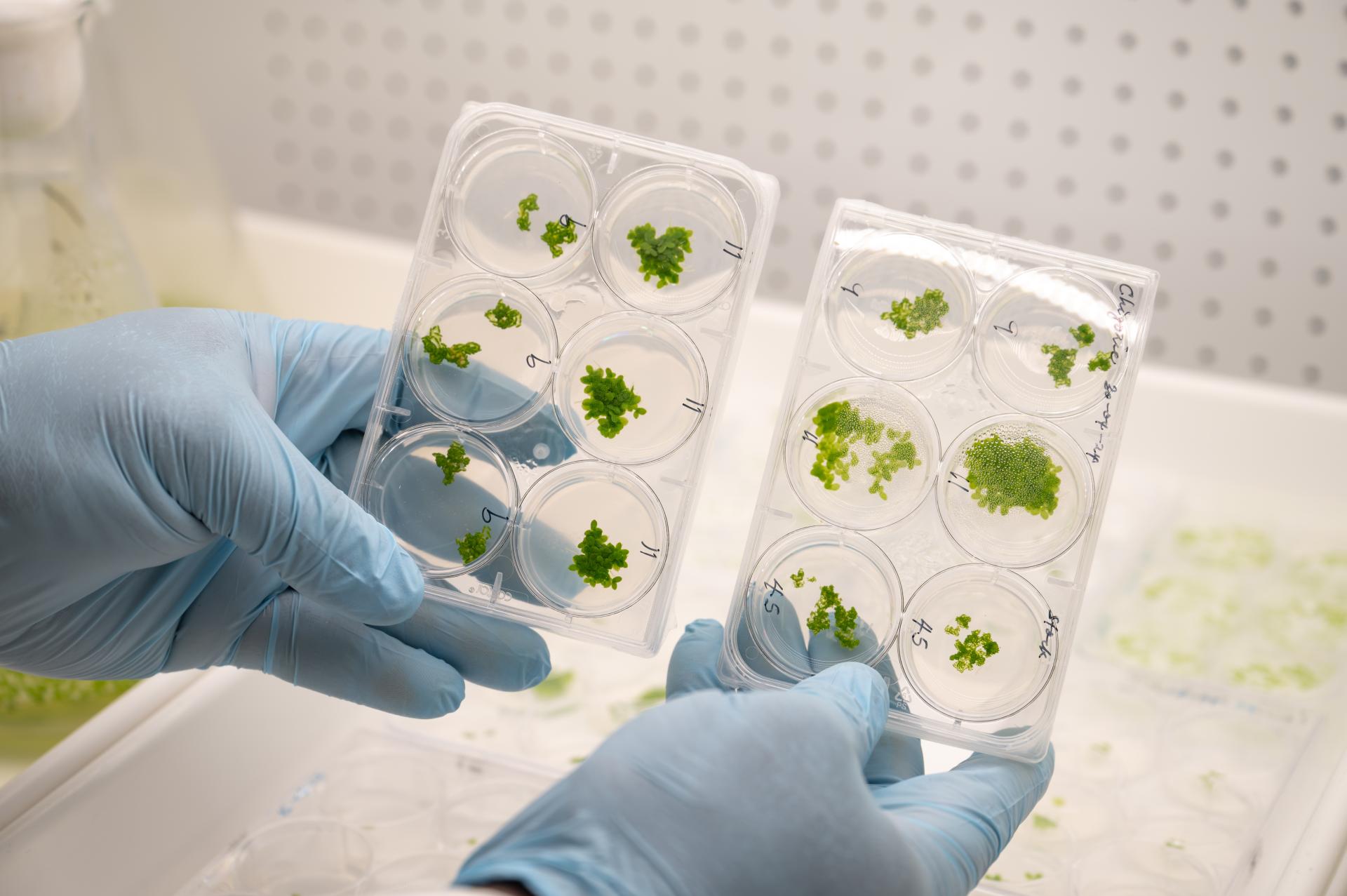
P4S is redesigning plant and food systems to meet the extreme challenges of space habitation, delivering transformative benefits for life on Earth.
Its research spans faster-growing, low-waste crops; nutritionally complete plant-based foods; plants engineered to produce medicines, materials and other high-value products on demand; and the engineering, legal, regulatory and human dimensions of living in space.
With 160 multi-disciplinary researchers, and growing, across five founding Australian universities, P4S leads a network of more than 30 national and international partner organisations.
"ARC Centres of Excellence enable deep interdisciplinary collaboration between universities, industry and governments globally, securing Australia’s leadership in science and technology in areas of competitive advantage.
"By redesigning plant systems to support human habitation of the Moon and Mars, we are developing unique solutions to strengthen food security, biomanufacturing sovereignty, climate resilience and sustainability here on Earth, translating space-driven innovation into tangible benefits for Australia and the world."
~ Professor Matthew Gilliham, Director, ARC Centre of Excellence in Plants for Space (P4S)
The ARC Training Centre for High-Speed Propulsion Rocket and Launch Systems (HiPR-LS)
Updates from HiPR-LS
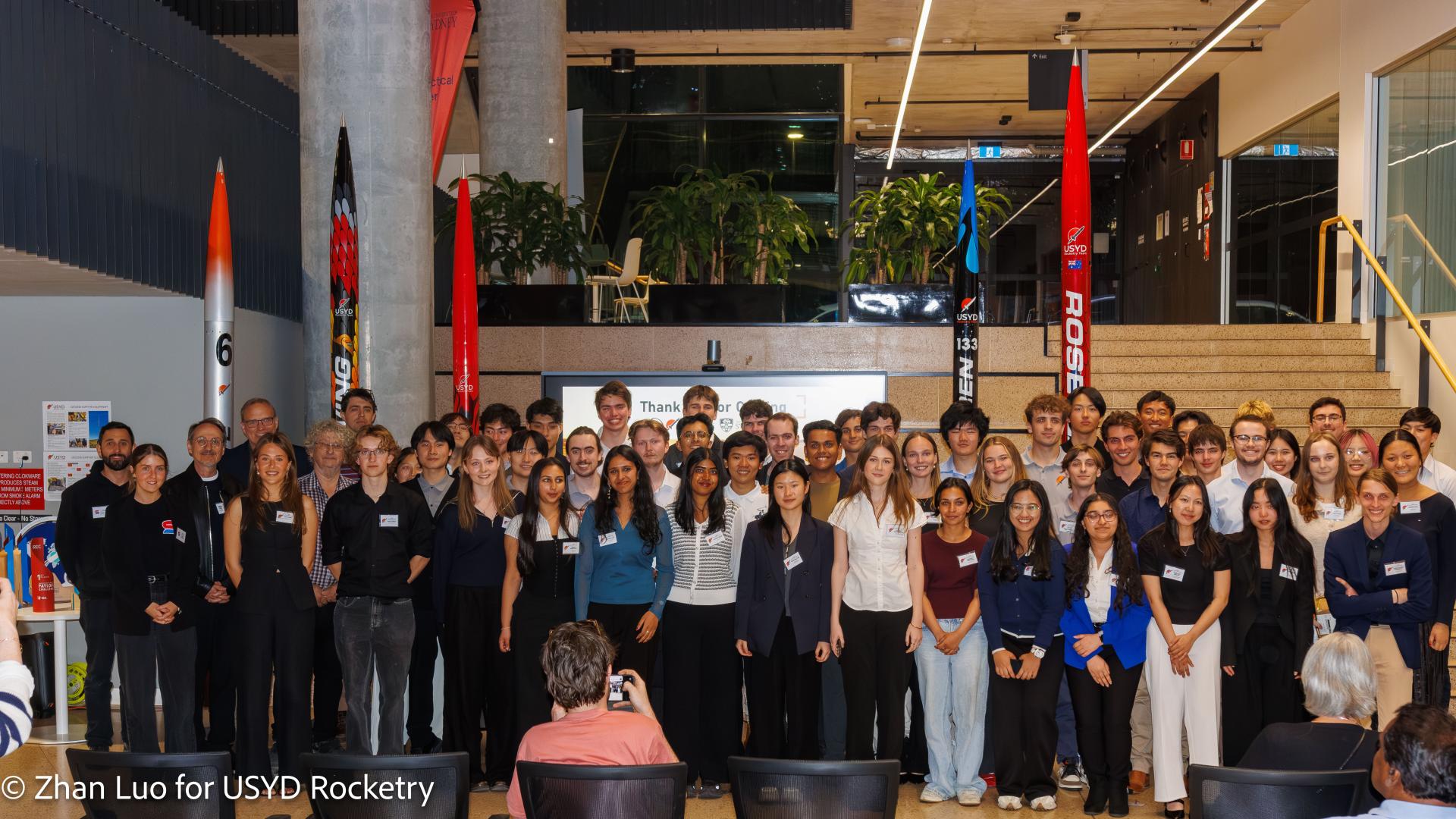
HiPR-LS is led by the University of Sydney’s Faculty of Engineering. It is a collaboration with the University of Queensland, Monash University, RMIT and 24 partner organisations including industry primes, SMEs and government agencies, and 14 additional Australian and international stakeholders.
The centre commenced operations in September and will train a highly-skilled workforce to develop, manufacture, maintain and operate civilian and defence rocket and launch systems.
It is recruiting 15–20 PhD students and four postdoctoral researchers across projects in propulsion systems, airframes and structures, and guidance and control.
HiPR-LS research will translate into practical technologies through industry-relevant research projects, internships, and a centre-wide Grand Challenge systems engineering project.
"At HiPR-LS we are training the generation that will give Australia its own propulsion, rocket and launch capabilities.
"Our mission is to build the sovereign skills and technologies critical to both Australia’s space and defence industries, advancing the national vision for an enduring space ecosystem that underpins economic resilience and security."
~ Professor Matthew Cleary, Director, ARC Training Centre for High-Speed Propulsion Rocket and Launch Systems (HiPR-LS)
Space-adjacent initiatives supported by ARC
Listed below are some more Australian Government-backed projects that are empowering the next generation of Aussie capabilities and expertise:
- ARC Centre of Excellence for Dark Matter Particle Physics
- ARC Centre of Excellence for All Sky Astrophysics in 3 Dimensions
- ARC Centre of Excellence for Engineered Quantum Systems
- ARC Centre of Excellence in Quantum Biotechnology
- ARC Centre of Excellence for Transformative Meta-Optical Systems
- ARC Centre of Excellence in Mathematics for Quantum Era Security and Trust
Industry showcase
Australian space innovations making an impact.
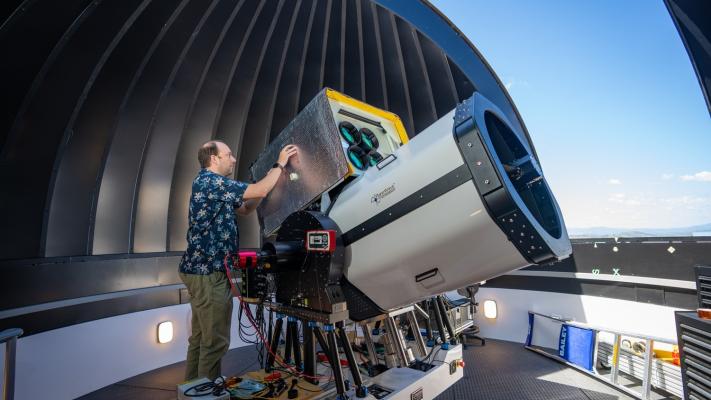
Main image caption: The new ARC Training Centre for Space Domain Awareness.
Credit: University of Western Australia.