Why do astronauts wear blue?
When you picture an astronaut, what do you see? Perhaps it’s someone floating above Earth in a white spacesuit. Or maybe it’s the familiar sight of an astronaut in a blue flight suit, smiling for a photograph or meeting the public.
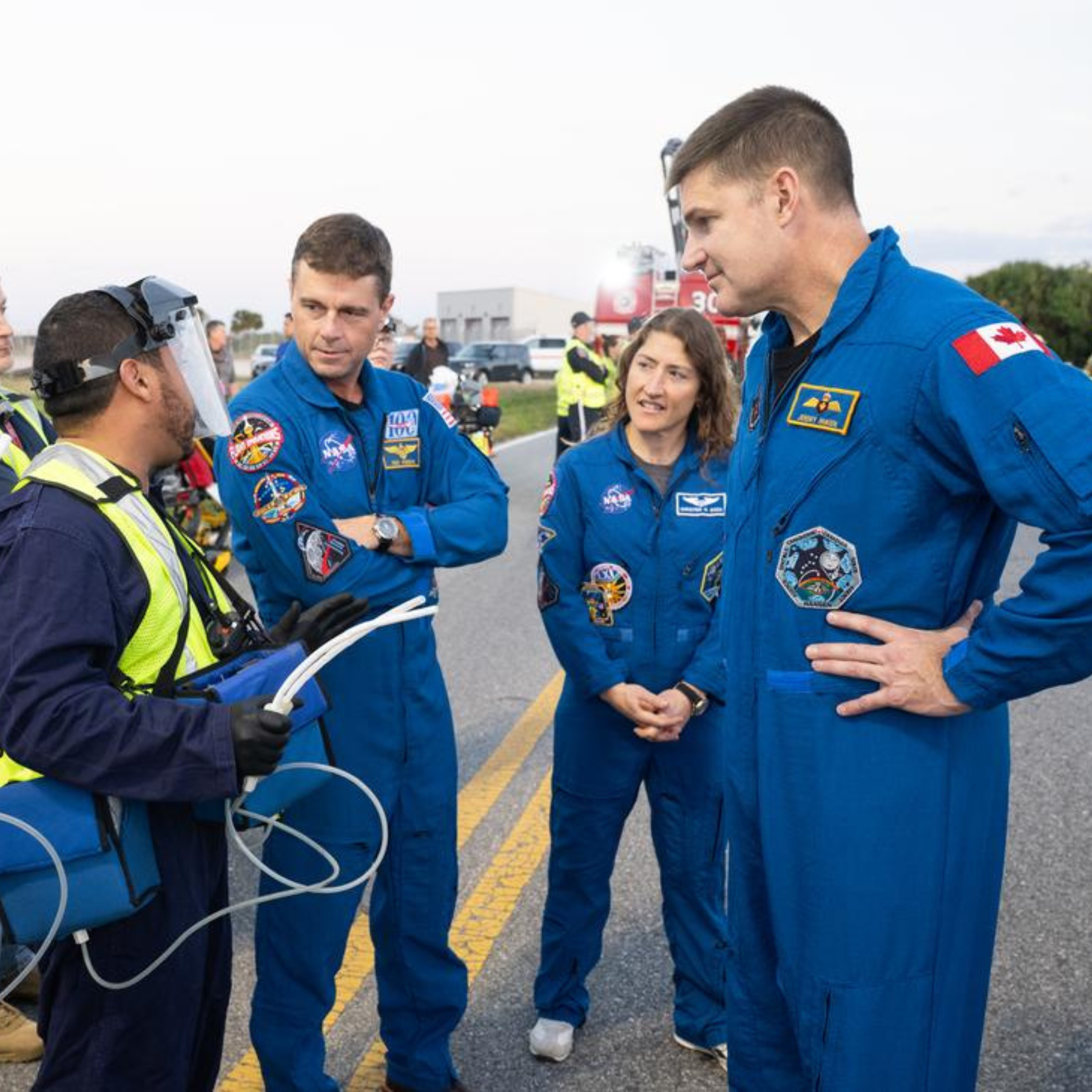
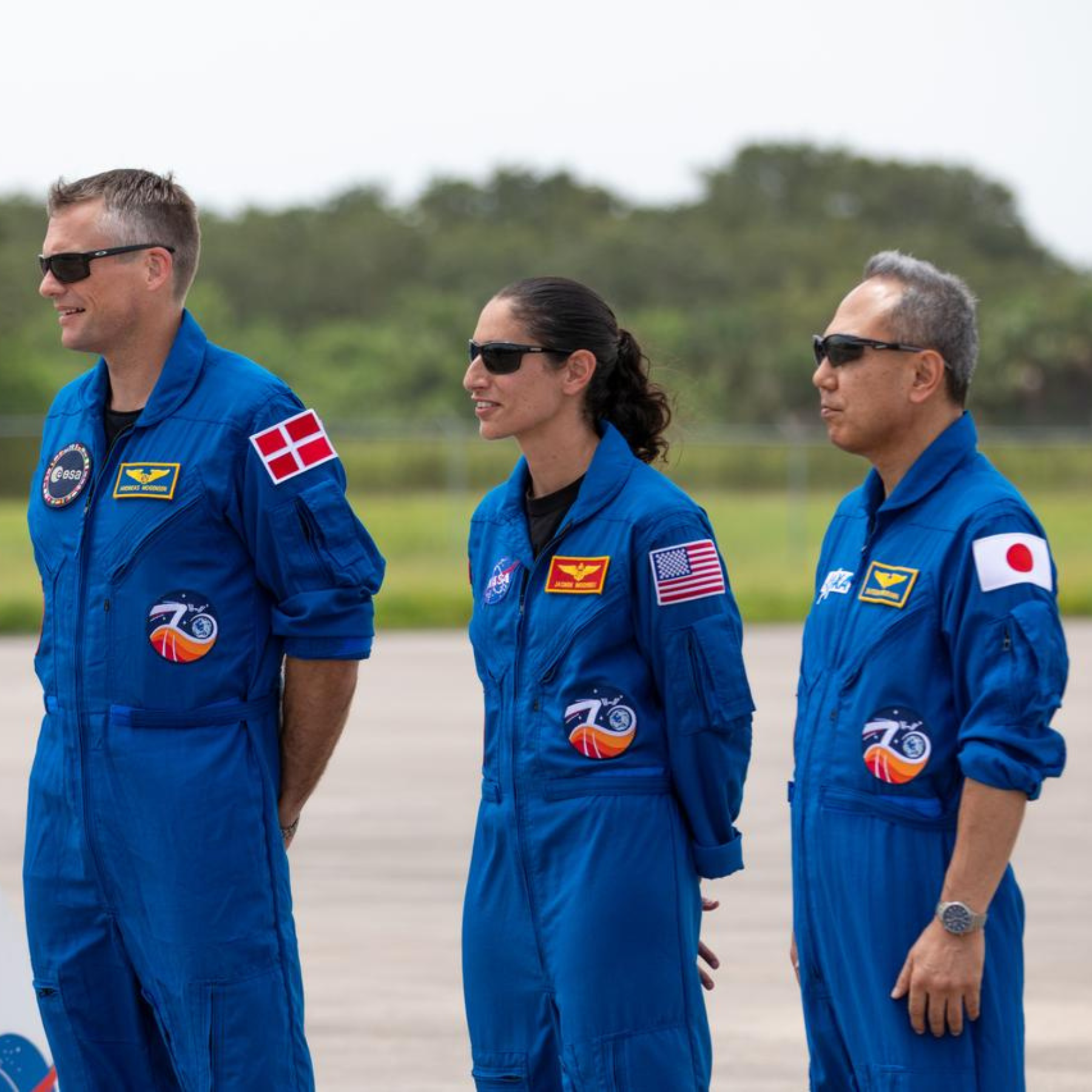
For many of us, that blue suit has become a symbol of the people behind space exploration. It’s worn by astronauts representing NASA, other agencies such as the European Space Agency (ESA), the Canadian Space Agency and, more recently, the Australian Space Agency.
Soon, one very special blue suit will become part of Australia’s space story.
The flight suit worn by Aussie astronaut Katherine Bennell-Pegg during her training with ESA will go on display at Powerhouse Parramatta next month.
It marks her historic achievement as the first astronaut trained under the Australian flag and offers Australians a personal connection to that journey.
But why blue?
While the practice of astronauts wearing flight suits during their training goes back to the very beginnings of human spaceflight, they haven’t always been blue – or even the same shade of blue
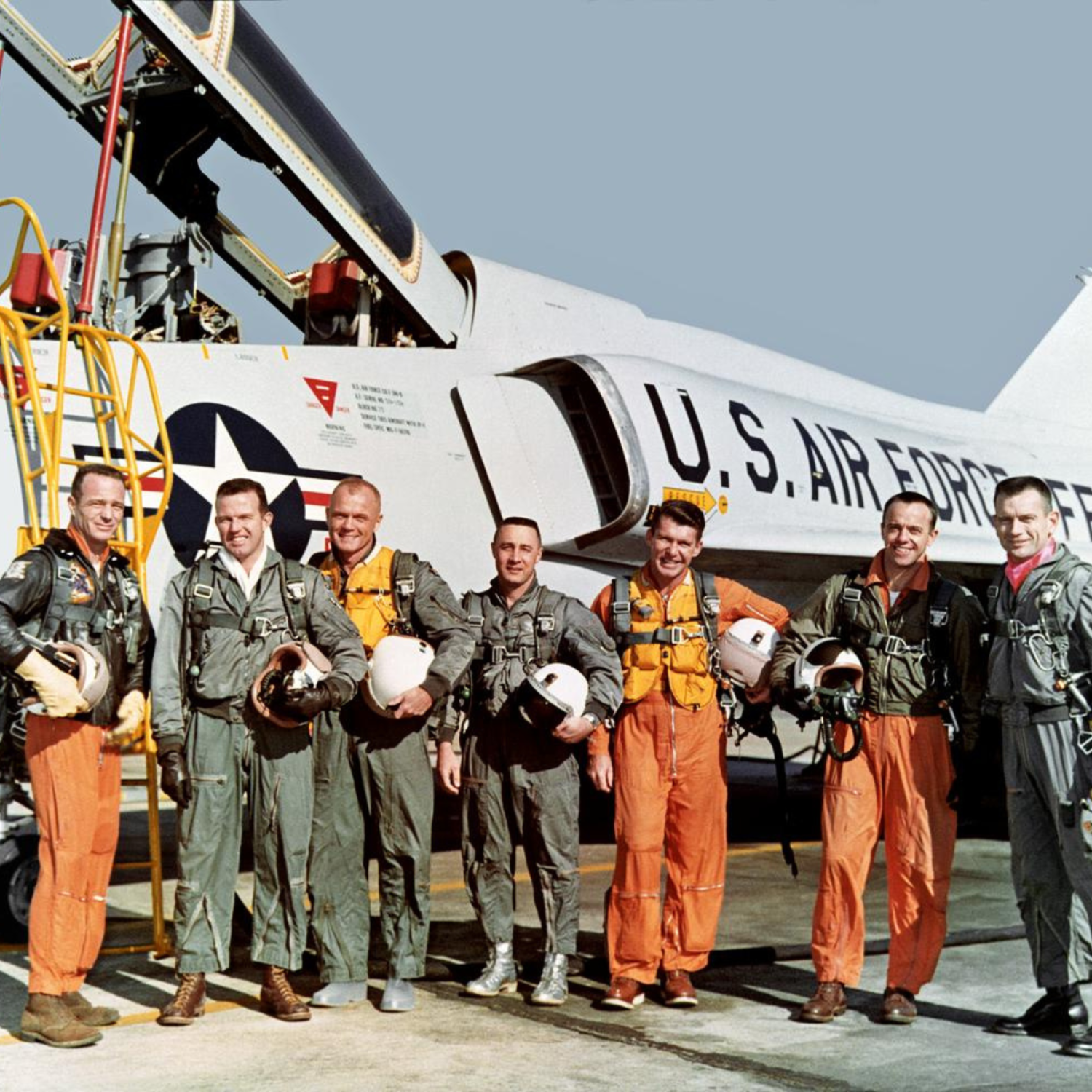
NASA’s earliest astronauts wore their standard military flight suits when flying but were just as likely to wear their own civilian clothes during ground training and usually appeared in business suits for official appearances.
Wearing a blue flight suit during training appears during the Gemini program (1961-66), although it’s not completely clear why blue was the colour chosen: it may have been because many of the astronauts had backgrounds in the US Air Force, which uses the colour blue.
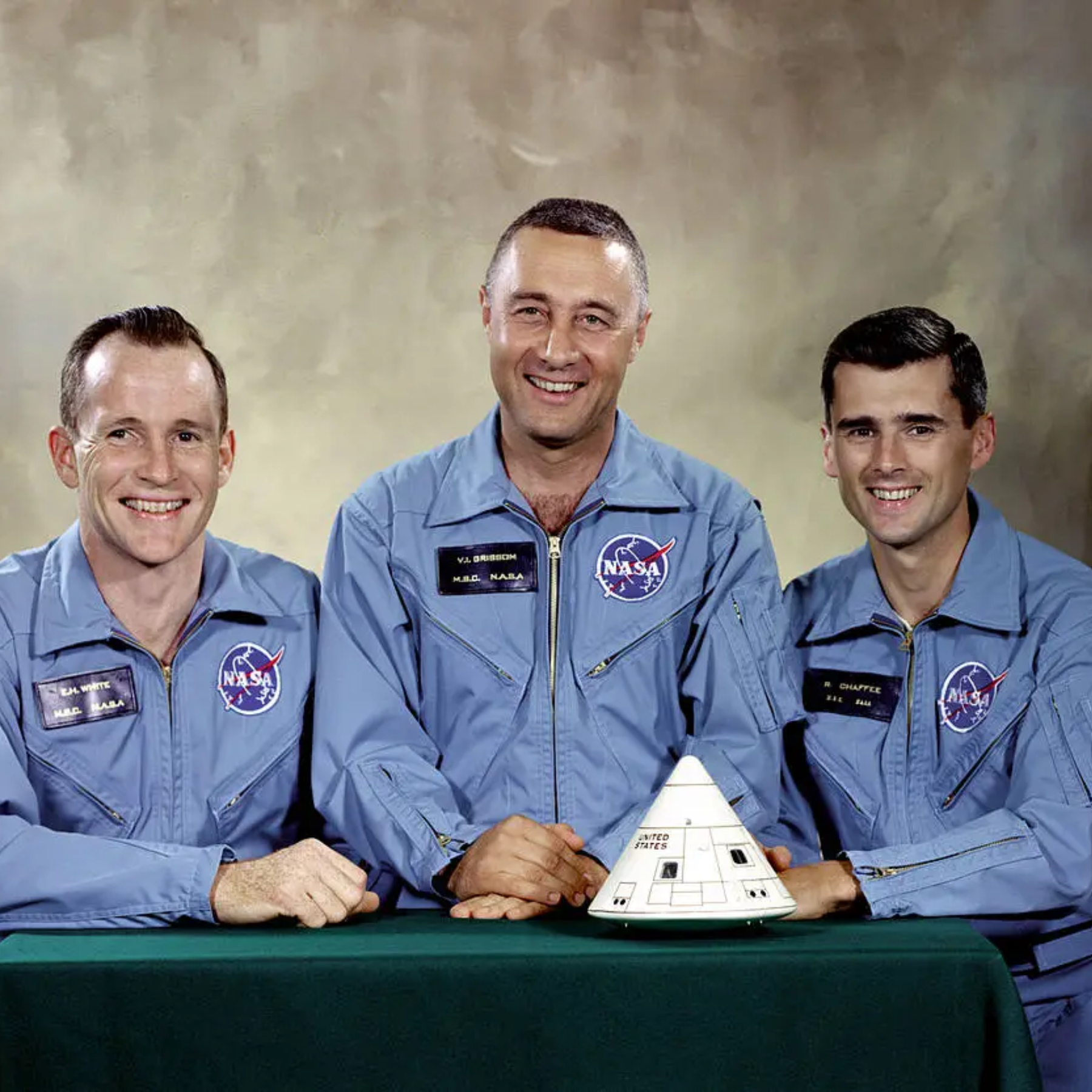
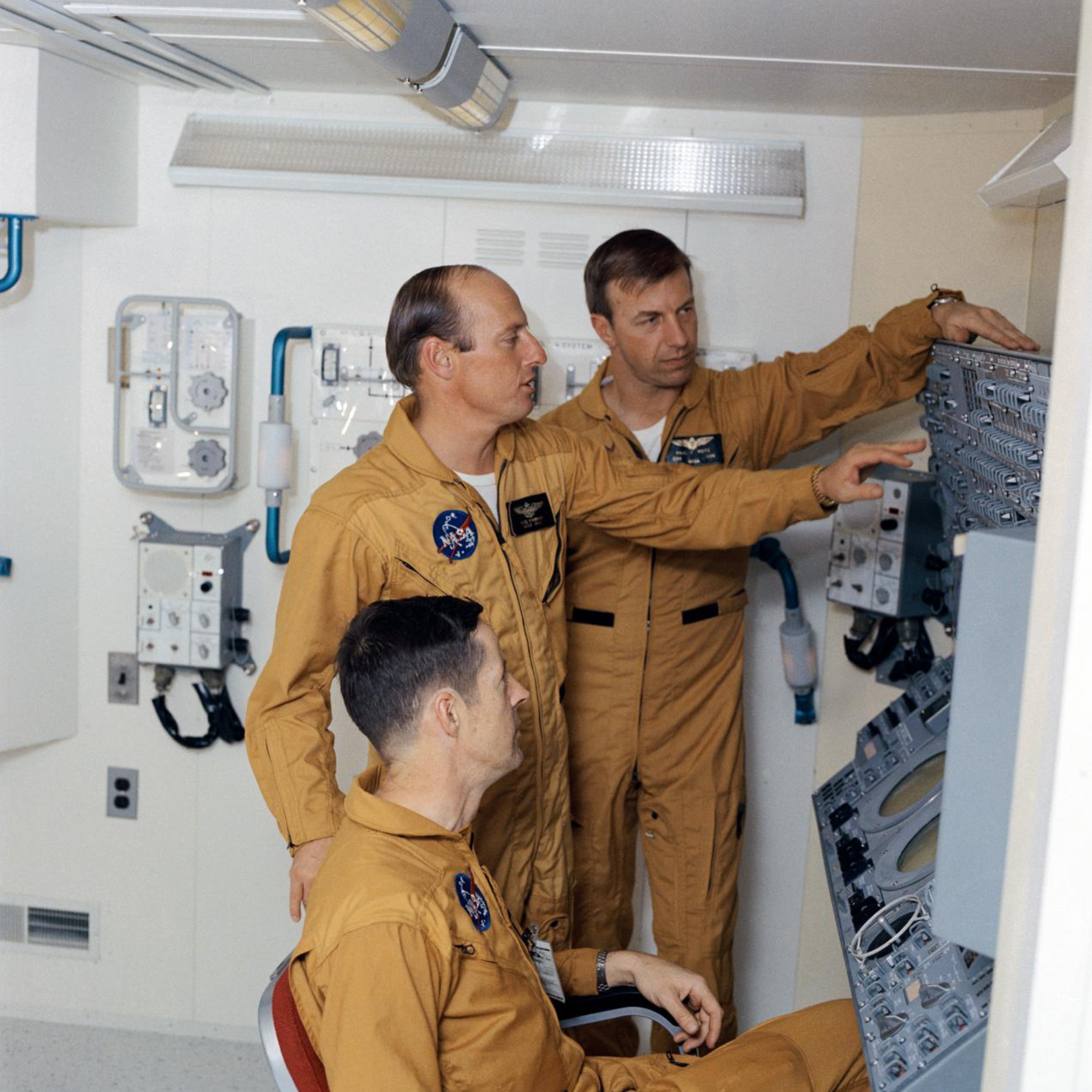
Apollo astronauts frequently wore blue cotton flight suits during their training and for some formal portraits. However, following the loss of the crew in the Apollo-1 pad fire in 1967, the Skylab and Apollo-Soyuz Test Project crews wore tan training coveralls and in-flight suits. This was the natural colour of the fire-retardant material from which they were made.
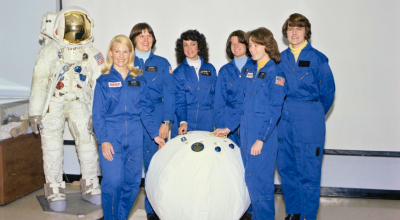
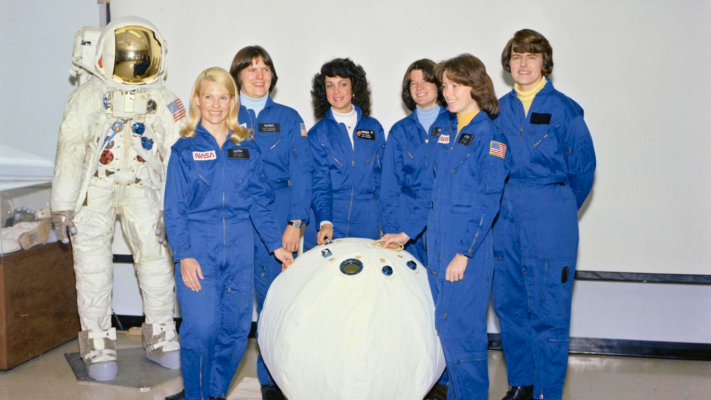
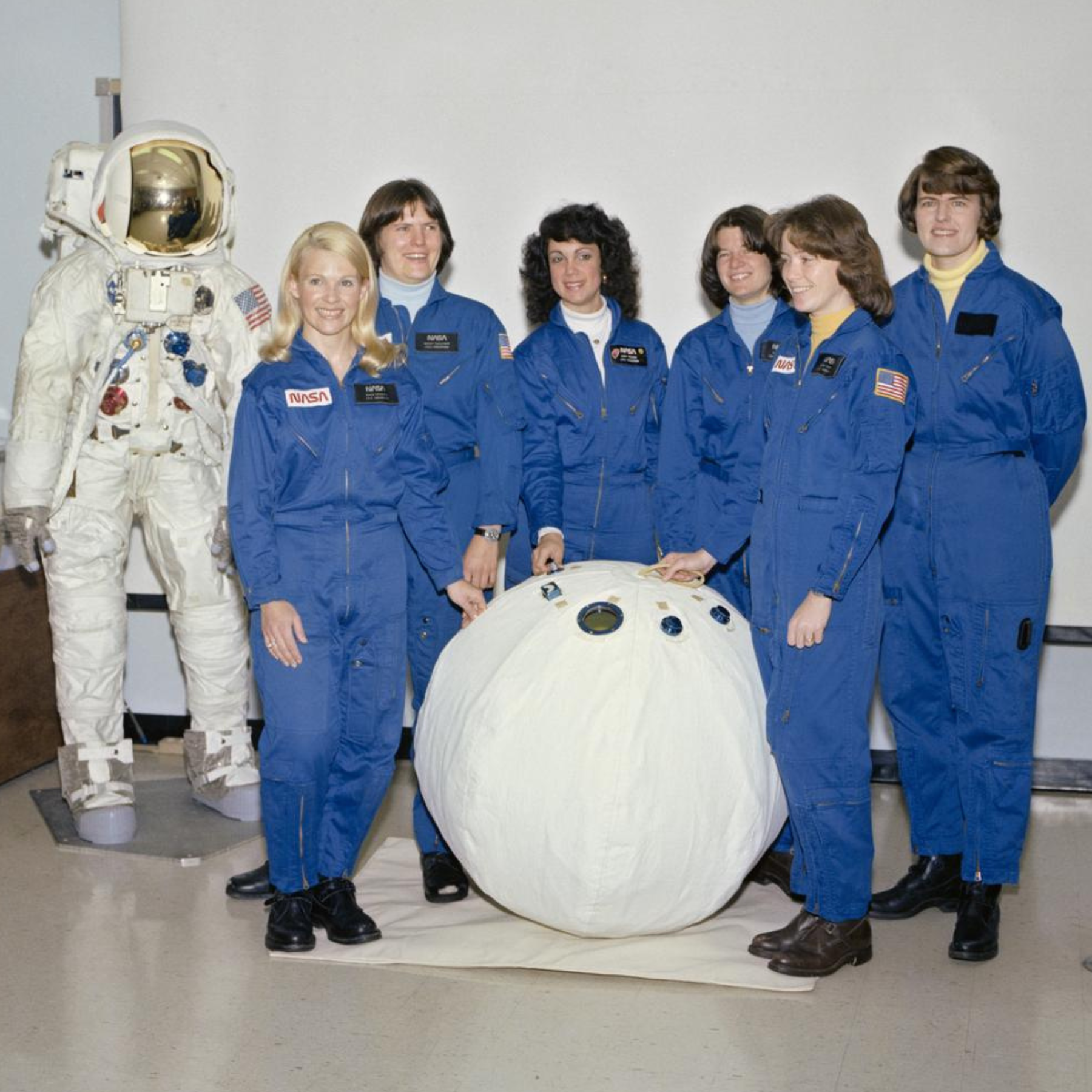
The blue flight suit we recognise today emerged in the late 1970s with the Space Shuttle program.
Made from fire-resistant Nomex, it gave astronauts a comfortable and durable uniform for training, aircraft operations, portraits and public appearances.
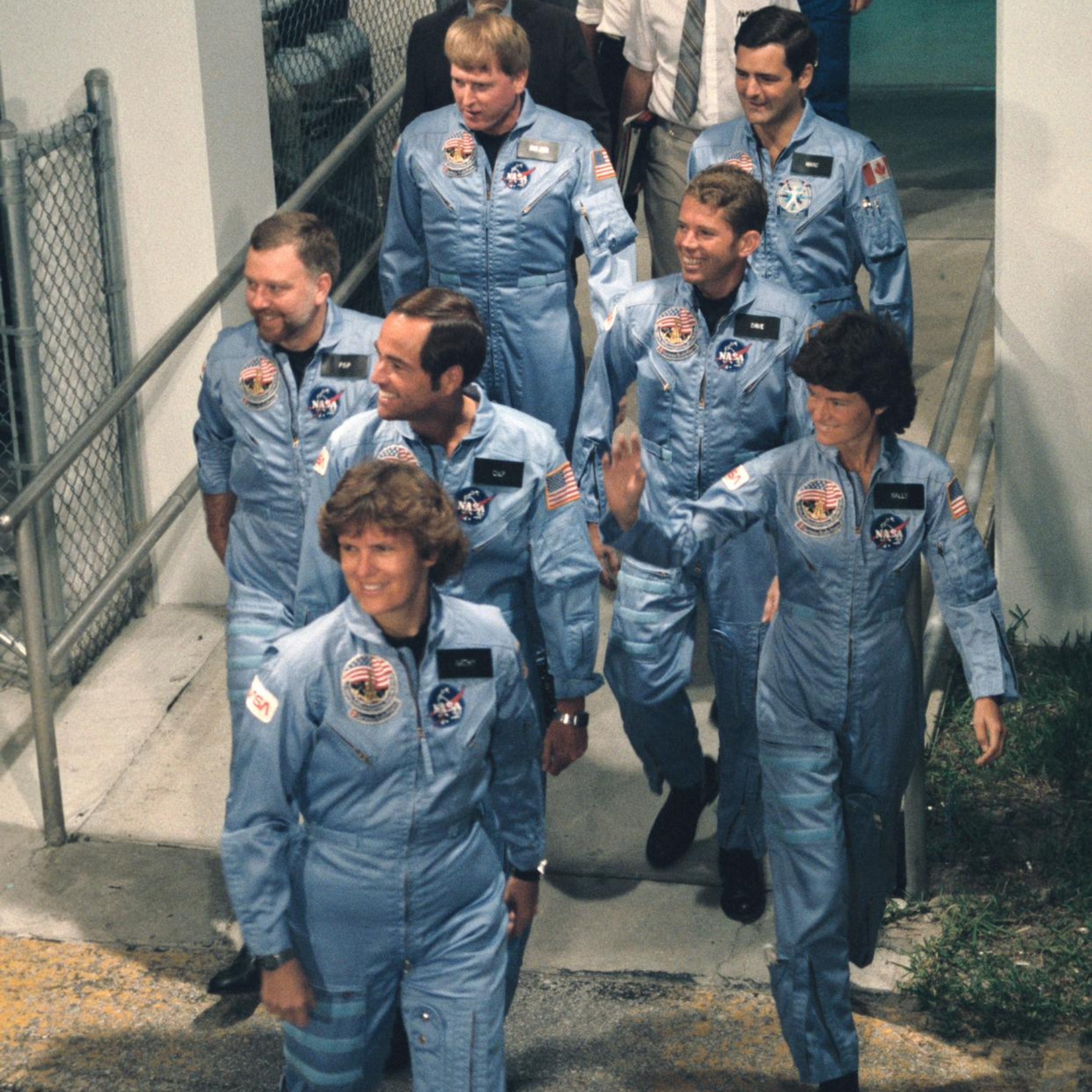
Even the shade has evolved, varying between lighter and darker blues across the Space Shuttle era to the royal blue commonly worn today to the International Space Station.
A powerful symbol of exploration
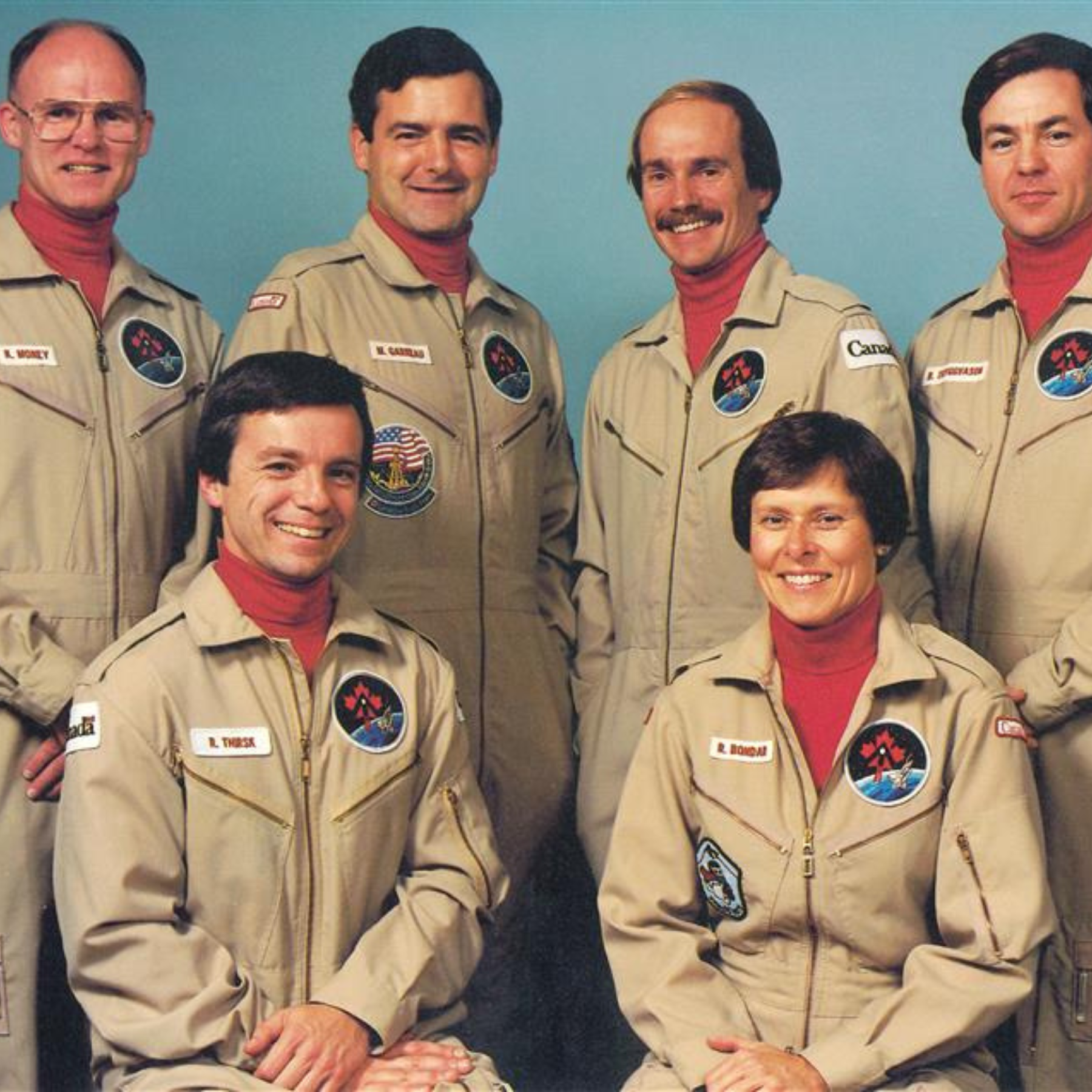
Other space agencies have also brought their own style to the flight suit. Canada’s first astronauts wore fawn suits before adopting NASA blue, which is also worn by ESA and Japanese astronauts. India’s Gaganyaan astronauts, meanwhile, wear a distinctive blue-and-white design.
From practical workwear to a powerful symbol of exploration, the blue flight suit has become part of the astronaut identity.
Photo essay
Explore our interactive photo gallery to learn about the history of astronaut flight suits and the many shades of blue that can be traced back to the 1960s.


Aussie astronaut’s outreach program inspires thousands across the nation
2026 Australian of the Year Katherine Bennell-Pegg has been touring states and territories, empowering students and communities, and promoting Australia's space sector.