
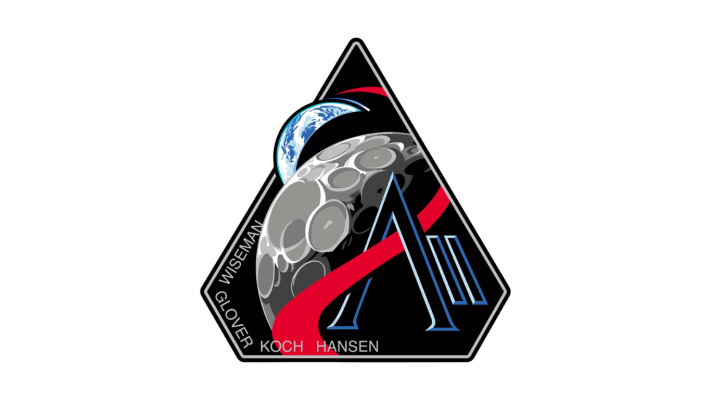
Patching things up – one historical stitch at a time.
Once an astronaut is assigned to a spaceflight, their blue flight suit and other gear soon sport a distinctive mission patch.
But this embroidered emblem is far more than just decoration – it encapsulates the spirit and goals of their space mission at a glance.
Space patches had their origins in the early years of the US space program.
NASA’s initial astronaut groups mostly came from the US military services, where unit insignia and squadron patches were a proud custom.
During the Gemini program, when the astronauts were not permitted to name their spacecraft, the crew of Gemini-5 instead designed a mission patch that would symbolise the purpose of their flight.
The idea was quickly adopted by the crews of subsequent flights, establishing the tradition of space mission patches that still continues today.
Symbolising a space mission
During the Apollo era, each crew was given creative latitude to design their own emblem, often developed with the assistance of a NASA illustrator or professional artist.
Designs incorporated the mission's title, crew names, and imagery representing the purpose of the endevour.
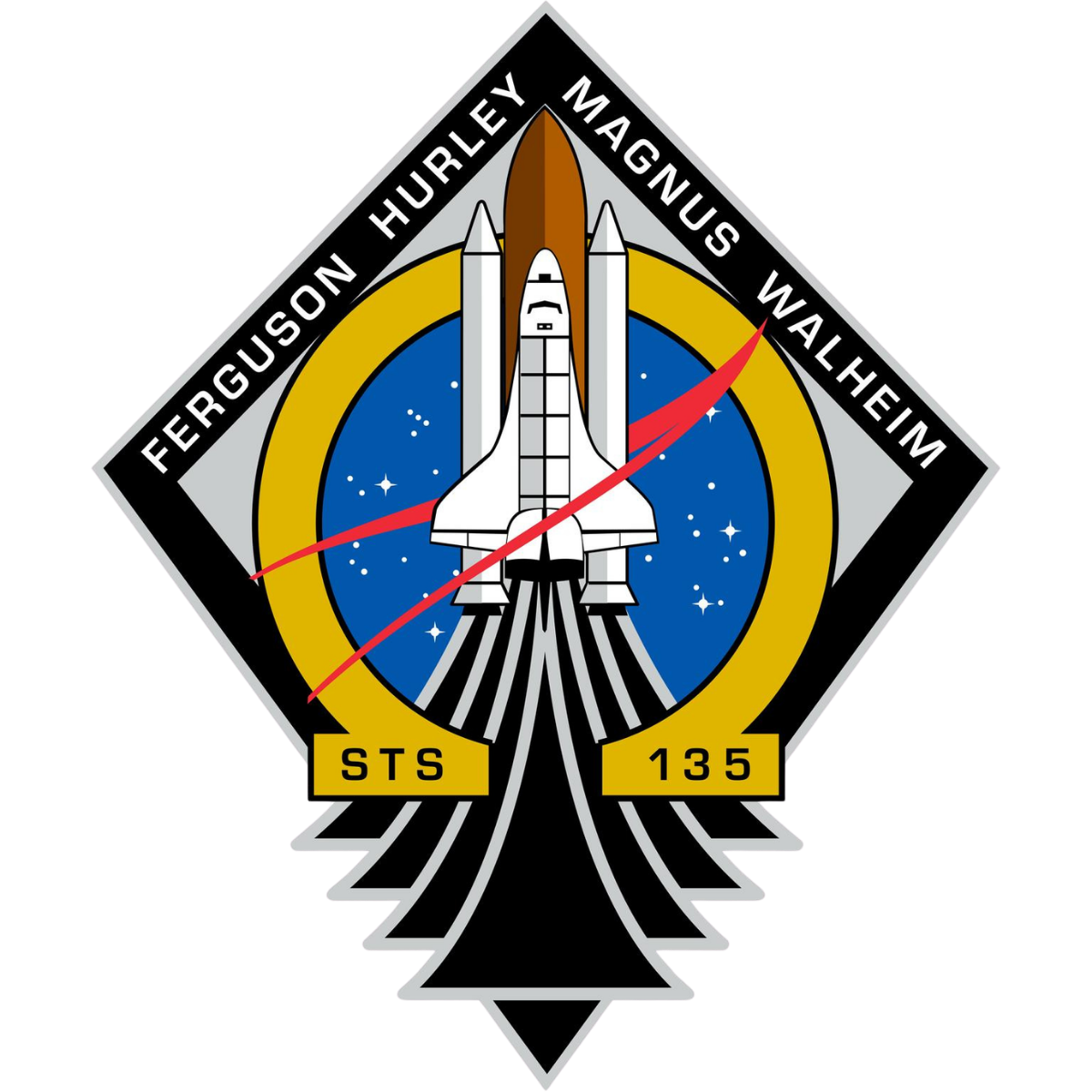
With more frequent missions and larger, more diverse crews during the Space Shuttle program, patches became increasingly elaborate – featuring orbiters, symbolic stars, scientific instruments, even the national flags of international crew members.
Each patch remained a crew-driven design, symbolising the intended achievements of their flight.
Today, with missions to the International Space Station (ISS) and beyond, mission patches represent multinational partnerships, with crew members from different space agencies from across the world – all contributing to a shared design.
Photo essay














Aussie astronaut’s outreach program inspires thousands across the nation
2026 Australian of the Year Katherine Bennell-Pegg has been touring states and territories, empowering students and communities, and promoting Australia's space sector.
Latest from the Australian space sector
Latest from the Australian space sector






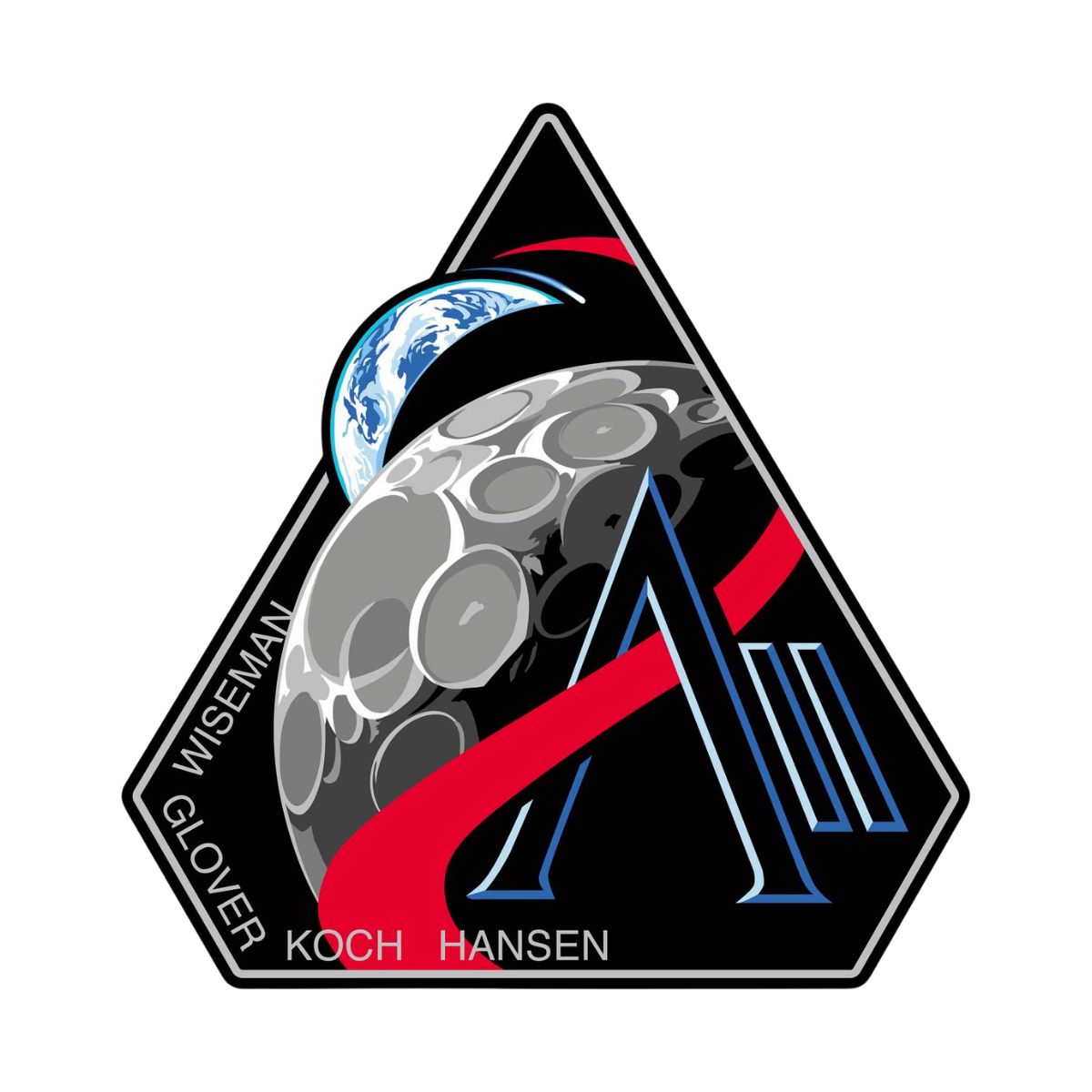
Main image caption: The Artemis II mission patch belies its significance as the first human mission to return to the Moon since 1972.
The mission number, using the Roman numeral “II”, looks like “AII,” signifying exploration for all and by all.
The depiction of the Earth and the Moon draws on Apollo-8’s famous Earthrise photo, and the red “8” path to the Moon and back on its mission patch.
Credit: NASA