Step into the future of Aussie space innovation and see how local ingenuity is reaching beyond Earth.
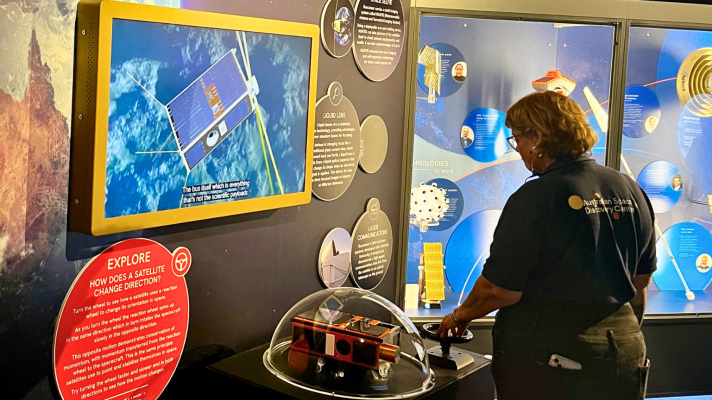
A full-scale model of the Buccaneer Main Mission is now on display at the Australian Space Discovery Centre.
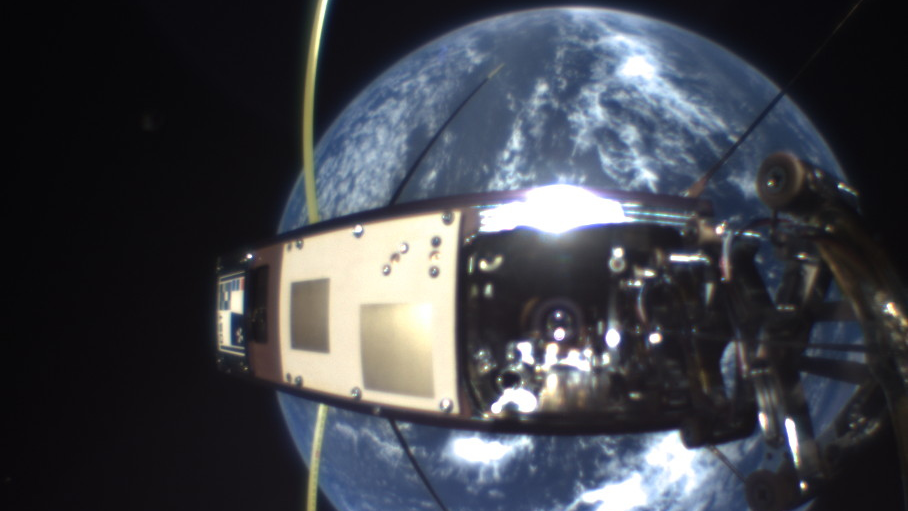
From a pioneering “selfie-stick” imaging system to a deployable antenna, this remarkable mission showcases the best of Australian space technology.
It is helping scientists better understand how radio waves travel through the ionosphere – a region of Earth’s upper atmosphere stretching from about 60 to 1,000 kilometres above the surface.
Space research that could improve technologies that rely on radio signals, including communication and navigation systems.
Orbiting Earth 13 times a day and enduring multiple solar anomalies, the Buccaneer Main Mission has become a standout example of Australian ingenuity in space.
The exhibit at the Discovery Centre in Adelaide showcases the cutting-edge technology behind Buccaneer – a mission designed by Defence Science and Technology Group, with support from the Royal Australian Air Force and Space Command. The satellite bus – the main structural body of the spacecraft – was developed and built by South Australia-based Inovor Technologies.
But this is more than just a model on display. It’s a window into the future of Australian space capability.
Key highlights of the mission so far:
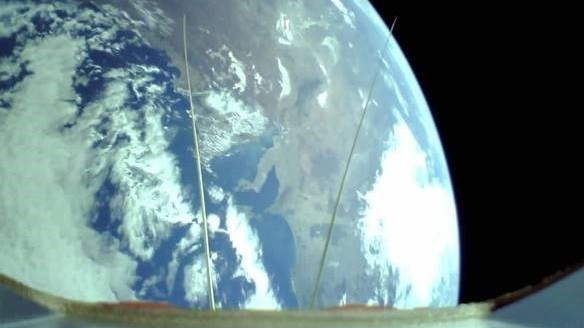
• Manoeuvrable Antenna and Terrestrial Imaging System (MANTIS) (“selfie-stick” system) was the first-ever liquid lens used in space, capturing self-images.
• Buccaneer’s primary system deployed a 3.2m antenna, which is more than 10 times its actual length.
• The primary system has performed on-orbit firmware updates and enabled additional experimental updates.
Discover Aussie space innovations up close

Image gallery
The Buccaneer Main Mission is engineering Aussie resilience in orbit.
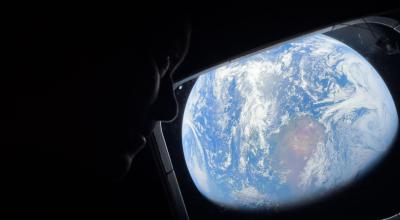
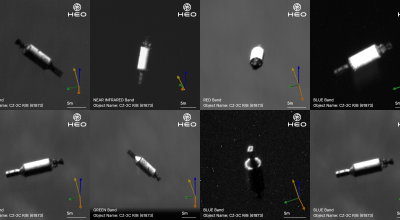
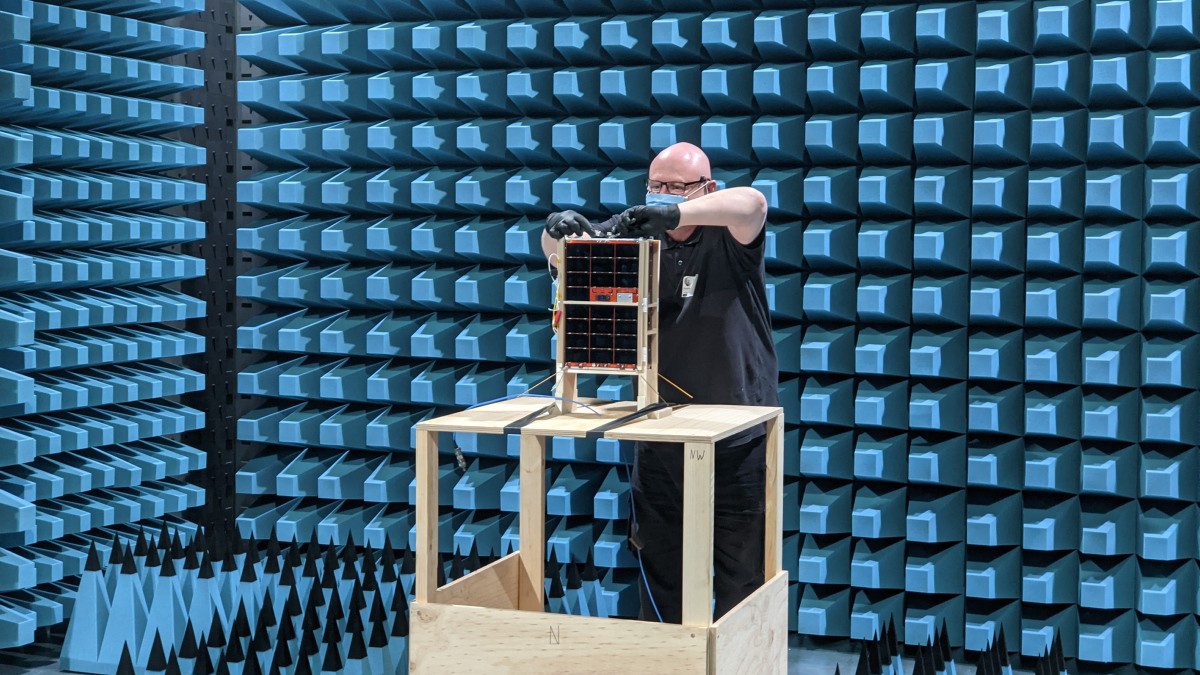
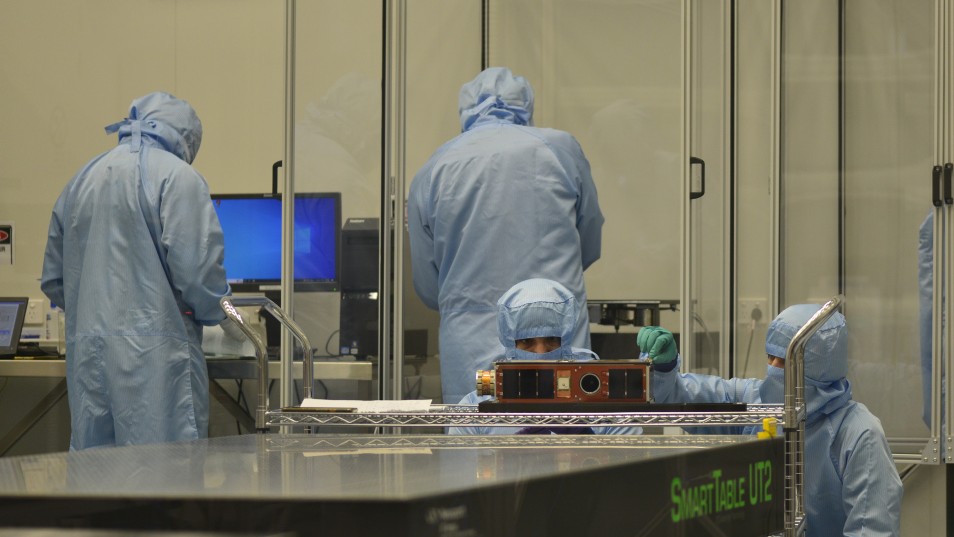
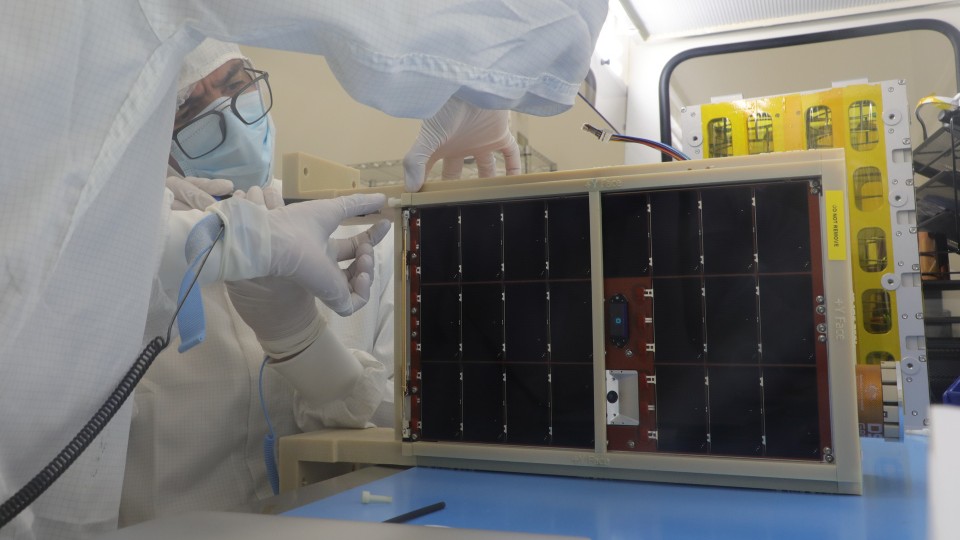
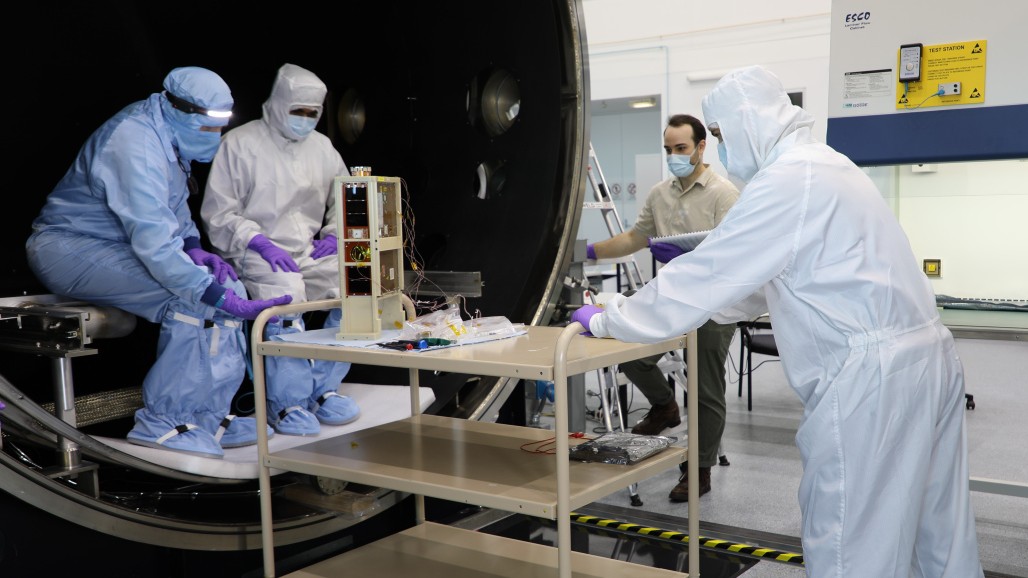
Below is a selection of images from the mission that have been provided by the Australian Defence Force.
Industry showcase
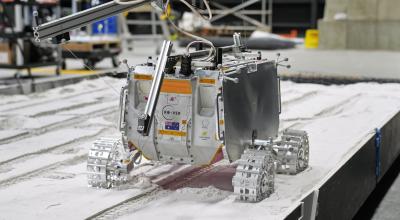
Australian space innovations making an impact.