
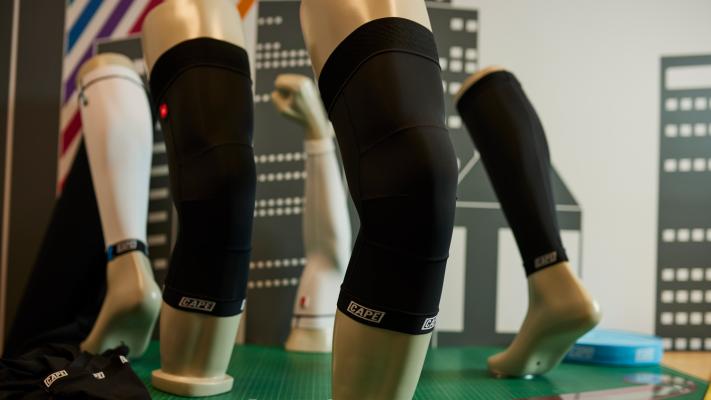
Human Aerospace has spun its International Space Station-proven skinsuit technology into a brand of revolutionary custom-fit compression garments for everyday use.
Key facts
Key facts
- Human Aerospace has developed compression skinsuit technology that simulates gravity, preventing muscle and bone density loss in astronauts.
- This has led to sister company Cape Bionics offering a 3D-scanning and garment tailoring system for medical therapy, sports recovery, and travel comfort.
- The system gives easy access to custom-fit compression as an alternative to generic off-the-shelf sizing, or intensive and costly manual garment tailoring.
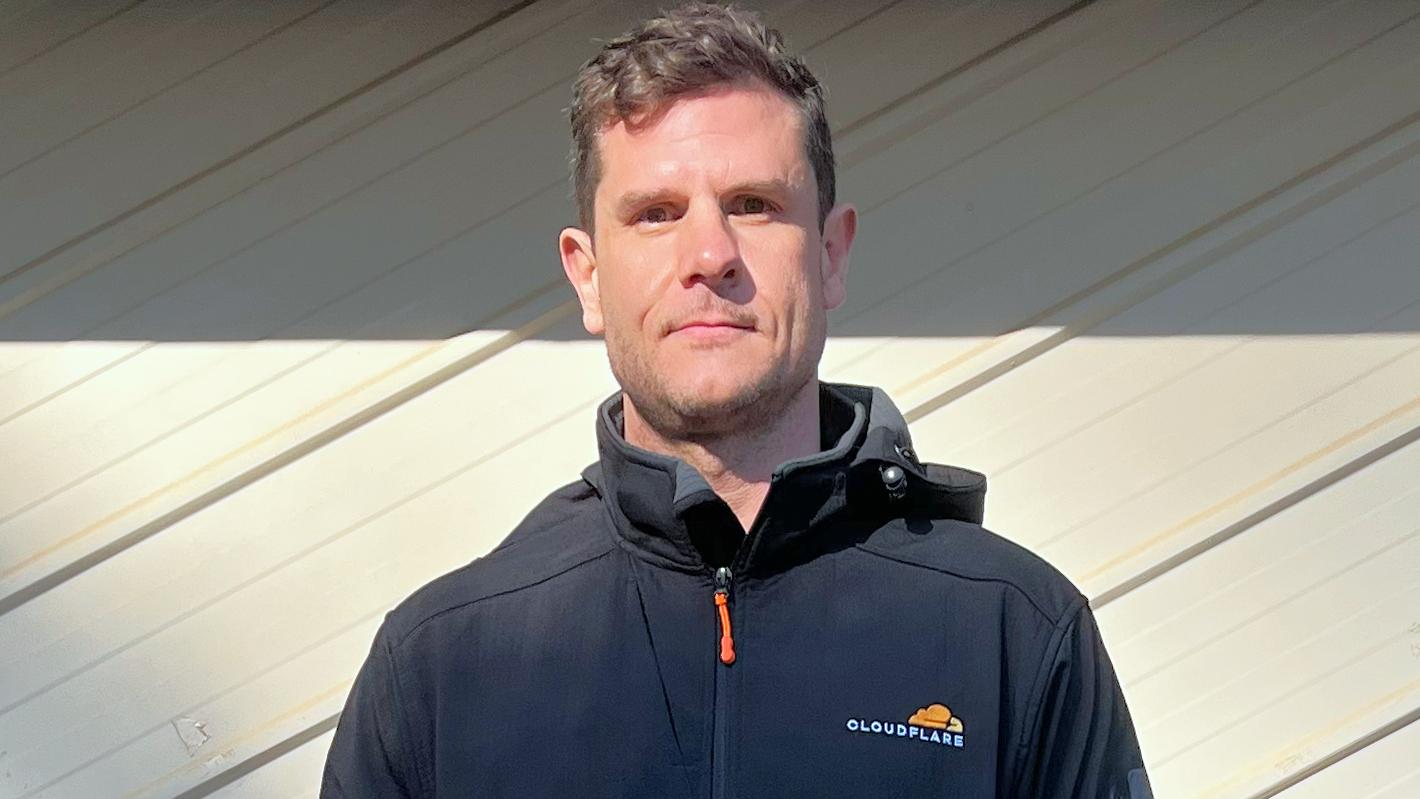
Ed Malone is a 43-year-old IT professional from the Yarra Valley whose life significantly changed in March 2025.
His tibia and fibula were crushed under a farm vehicle – cutting off circulation and causing major trauma to his left leg.
“I had my leg cut off about two or three inches above my ankle… I was stuck there for a couple of hours,” Ed says.
“Surgeons pretty much cut everything out except for some tissue on the outside of my leg, then reconstructed it with an intermedullary nail (titanium rod).”
“I had a big tissue graft put over there to really get blood flow back in there, so it could repair itself, and then there was a whole heap of hardware and surgeries around growing that bone back.”
A full 12 surgeries later, to be exact, Ed is well into the process of rebuilding his leg.
One of the daily rituals of his recovery is wearing compression garments – but they aren’t the standard tubular ones he left the hospital with.
A friend put Ed in touch with Dr James Waldie, co-founder of Human Aerospace and Cape Bionics, to hook him up with technology developed in space.
From space to Cape Bionics
An aerospace engineer by trade, James’ interest in compression for human performance was inspired partly by watching Cathy Freeman and Ian Thorpe compete with their revolutionary competition suits at the Sydney 2000 Olympics.
His ambition quickly evolved into applying compression principles in the extremes of space, to help astronauts live and work every day.
“The idea was to create a skinsuit which would load the body in a similar way as standing on Earth loads the skeletal system,” James says.
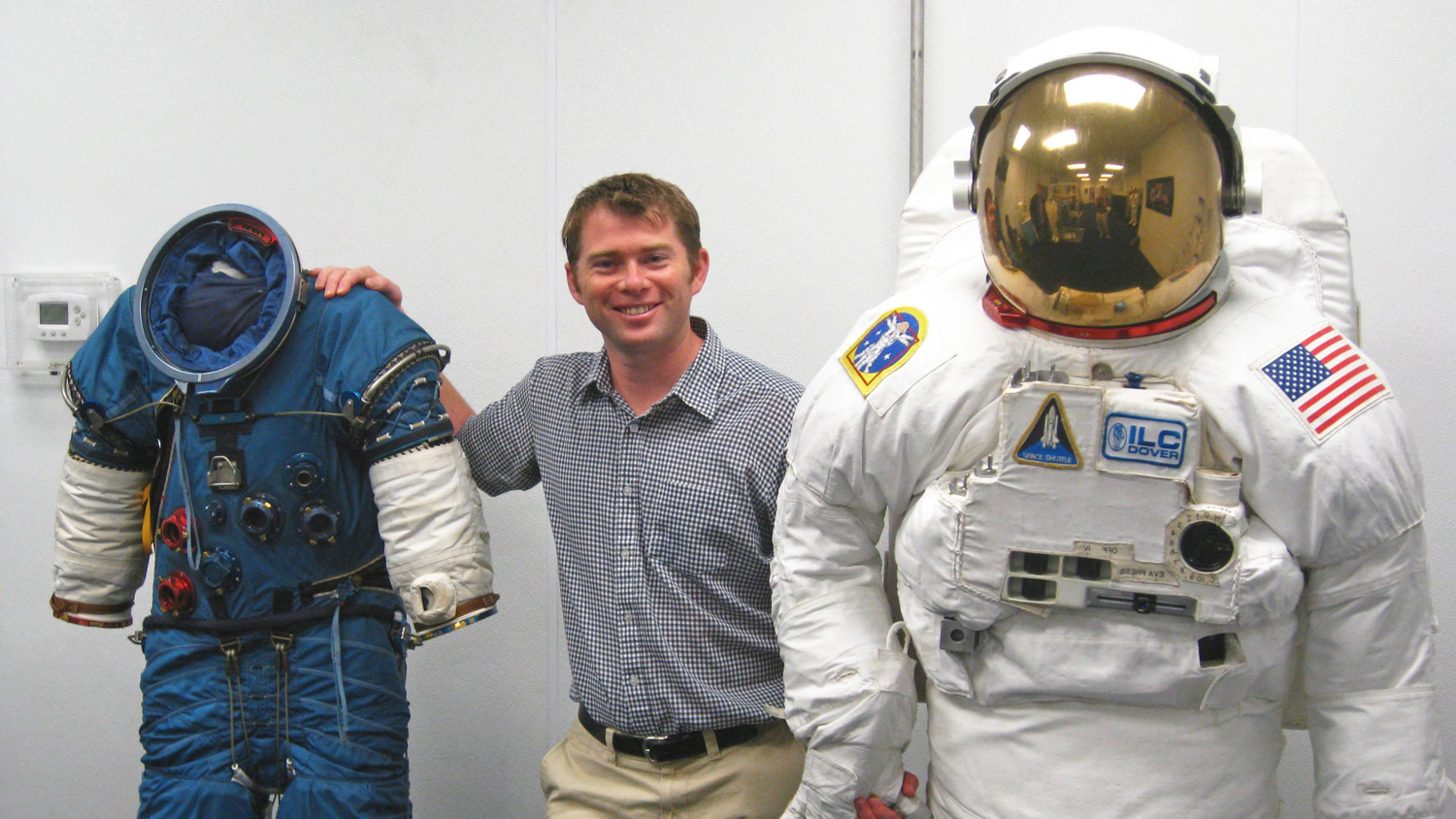
“It tricks an astronaut's body into thinking it's standing on Earth, and goes some way to preserving that normal Earth strength and density.”
“The key concern was to address bone loss, which is at up to 2% bone mass per month.”
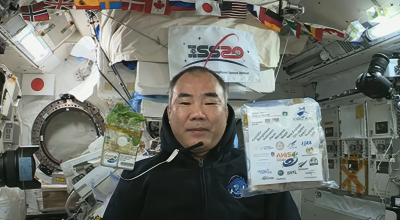
Pursuing the concept took James into collaboration with NASA, research at MIT, and further development with the European Space Agency, which saw it worn on the International Space Station by astronauts Andreas Mogensen in 2015 and Thomas Pesquet in 2017.
Bringing this experience back to Australia, James and his collaborator Dr Gordon Cable set up two new companies – Human Aerospace and Cape Bionics – and received support from the Australian Space Agency’s International Space Investment program.
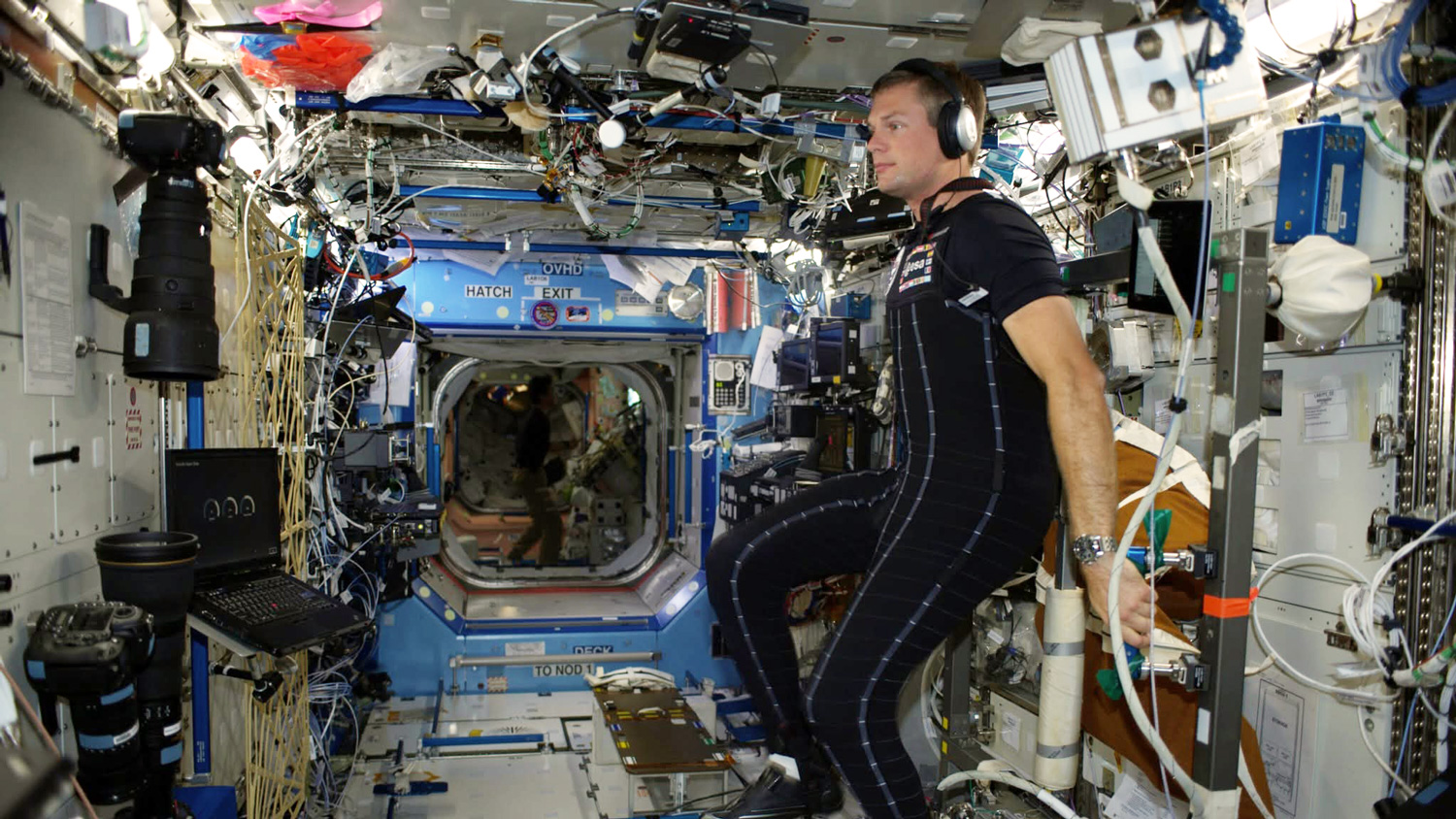
While Human Aerospace specialises in aviation and space medicine services, Cape Bionics channels the space-derived compression expertise into everyday applications.
Those include medical uses – like managing burns, lymphedema, osteoarthritis, hypermobility, POTS, and surgery rehab – along with sports performance and recovery, and even comfort while travelling.
“We wanted to leverage all that we had learnt from developing these new suits for spaceflight for terrestrial benefit,” James says.
The result is a digitally enabled custom-fit solution that’s proving to be a game-changer for medical professionals.
Compression compromise
Peter Tziavrangos is a physiotherapist and owner of Move for Better Health, a group of allied health clinics in Adelaide.
For decades, he’s used compression to treat a wide range of conditions – from acute sports injuries in young athletes to chronic issues affecting people in their 80s and 90s.
However, the products traditionally available to choose from off the shelf come with an unhappy compromise.
“You know the old adage – there's no one-size-fits-all approach… in fact, one-size-fits-no-one is actually the reality,” Peter says.
“We find that knee braces and similar garments always dig in somewhere and become uncomfortable, or they roll down, or slide off once you actually start exercising.”
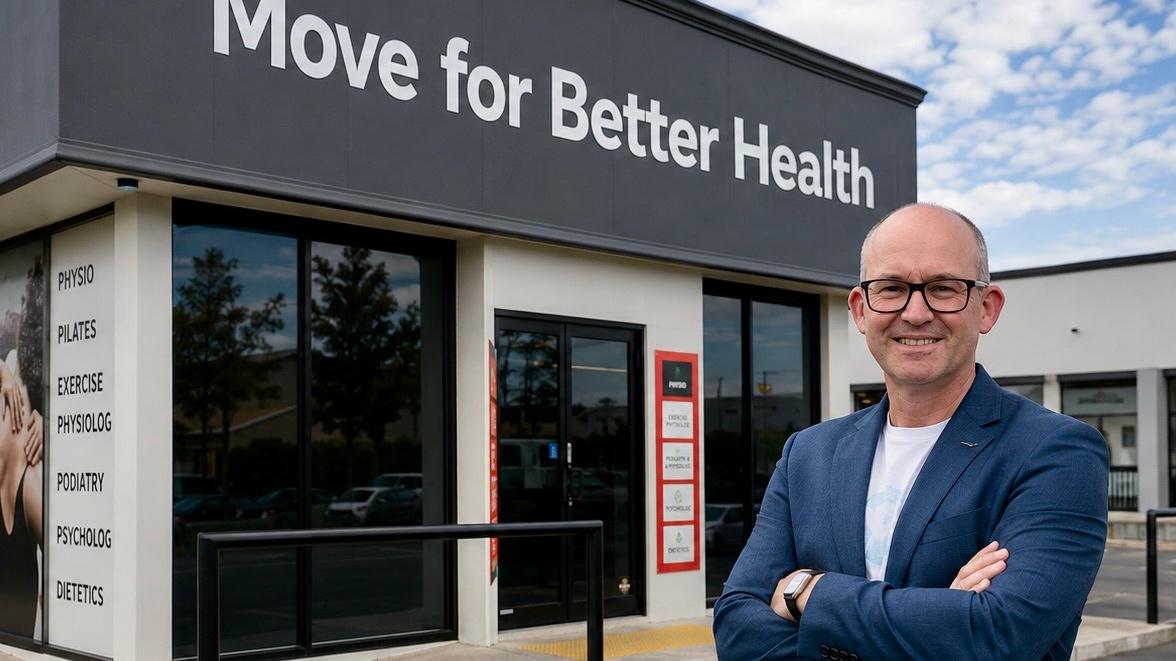
“If it's too constricting in one particular area, it can actually be quite problematic and sometimes dangerous for that person – and if it's too loose in parts, it's probably not doing its job.”
That means the best compression therapy comes from a garment tailored to fit the wearer – but those garments are very hard to get.
The process of measuring a person’s limb with a tailor’s tape, custom-designing a garment to those measurements, and manufacturing the garment – plus the expensive cost of the end product – means a tailored garment is hard to justify in many cases.
“We see a wide variety of types of conditions, but actually the problem we're trying to solve is the same for all of them – it's better-fitting garments,” Peter says.
Fit like a glove, in a flash
Cape Bionics has come up with a solution called AutoTailor.
A scanning app, available on a phone or tablet, enables anyone to quickly scan a limb and get measurements – replacing the laborious process of measuring with a tailor’s tape.
Instead of having to repeatedly tape-measure the circumference of a limb at increments of an inch all the way along, the app only requires a couple of passes around the limb with the device for millimetre-accuracy.
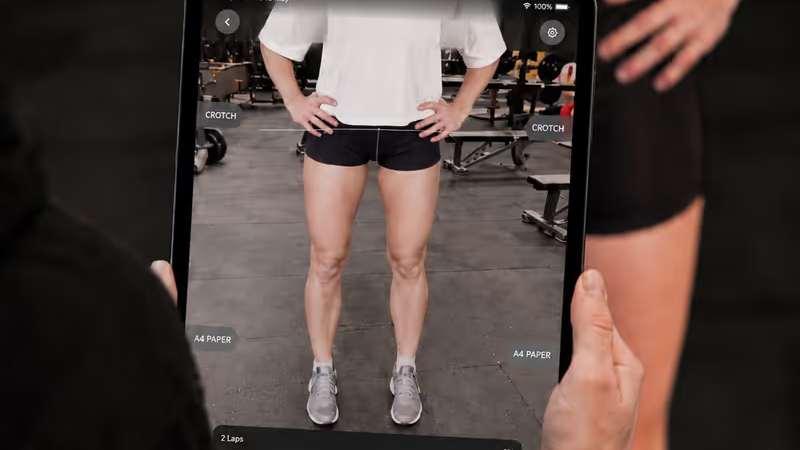
Then, the AutoTailor system uses the measurements to automatically design the custom garment and order it for manufacturing.
James says designing the skinsuit technology for astronauts was a ‘great stimulus’ for the concept.
“The spacesuit needed such a high degree of design – the inspiration for the AutoTailor system was born out of the need to design very accurately for space flight,” he says.
“So, the demands of spaceflight… applying loads and compression in different ways, and having to be accurate and rigorous about that, was the impetus.”
A grant from the Australian Space Agency’s Moon to Mars program in 2024 helped further develop and commercialise the 3D scanning and garment manufacturing technology.
“This new process is not only far more available and easier for coaches and healthcare practitioners to use on their patients, it's also much faster, more accurate, and more affordable,” James says.
“This means that better medical grade compression can be used by Australians now, because of our history in supporting astronauts in space.”
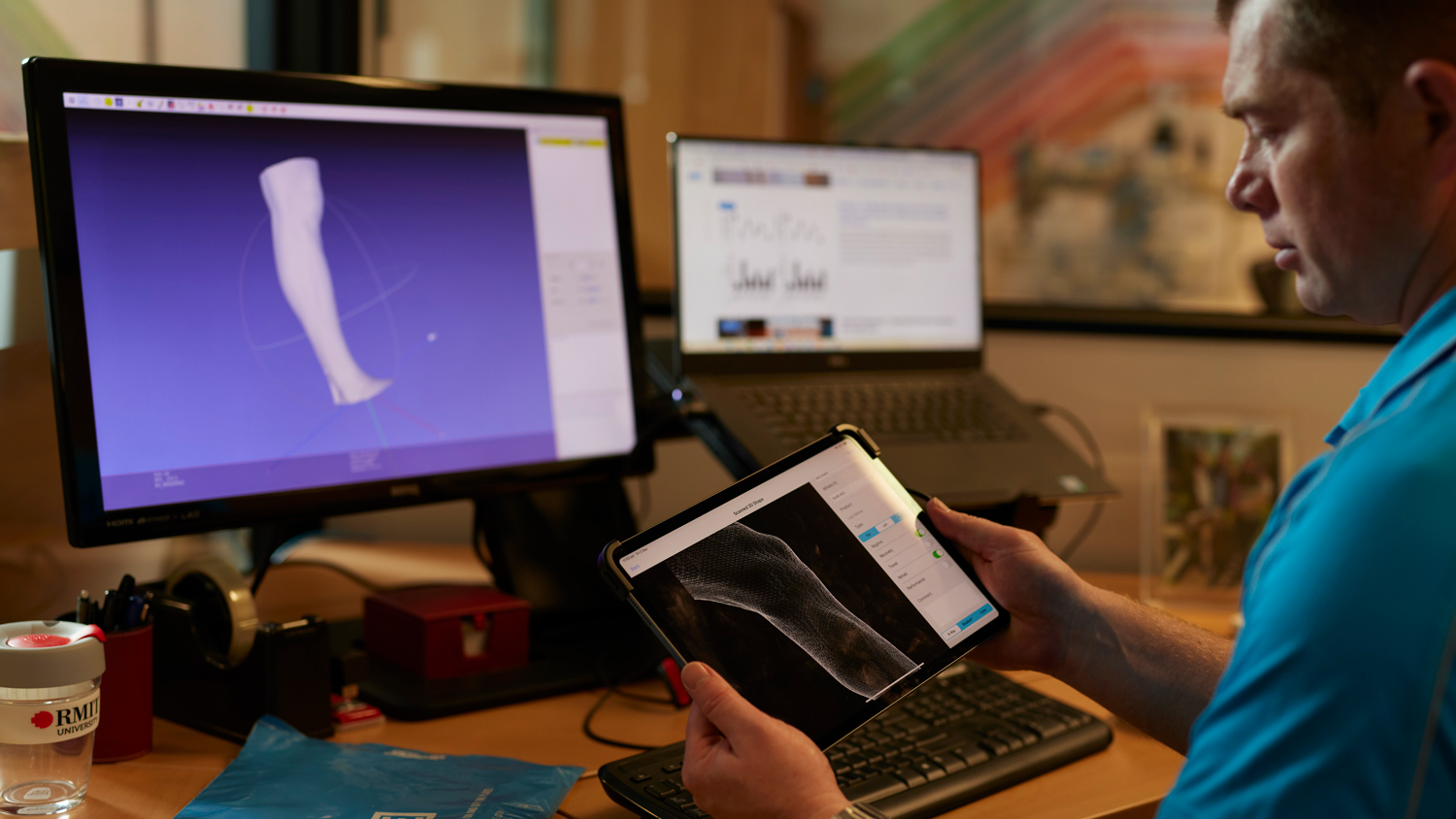
In the clinics of Move for Better Health, Peter Tziavrangos says physios and clients alike are surprised at the efficiency of the scanning process.
“The idea of this technology where it becomes quite easy to measure up and tailor compression to fit the exact problem you're trying to solve is really new, and that was exciting for us,” he says.
“I think now we've got it down to a 15-minute consultation for the measure.”
He’s also seen how better comfort translates into more thorough usage from clients.
“You know, no matter how much you spend on a compression garment, it doesn't work if you're not wearing it for the appropriate time you're supposed to,” Peter says.
“So that's the other difference – the comfort factor… that's what leads to better therapeutic outcomes.”
Everyday impact
Meanwhile, back in the Yarra Valley, Ed Malone says he’s convinced the custom-fit garments are significantly better than the standard off-the-shelf products he was using.
“You don't even know it's on… I literally get up, have a shower, put this thing on, and I'll wear it until I get out to have a shower to go to bed,” Ed says.
“It's super thin. it's easy to wear pants over the top… it has a natural glide, so it doesn't have that friction on it.”
“The store-bought ones… you'd have to keep mucking around with it and rolling it up and making sure, just checking it every now and then, because you didn't want that constriction.”
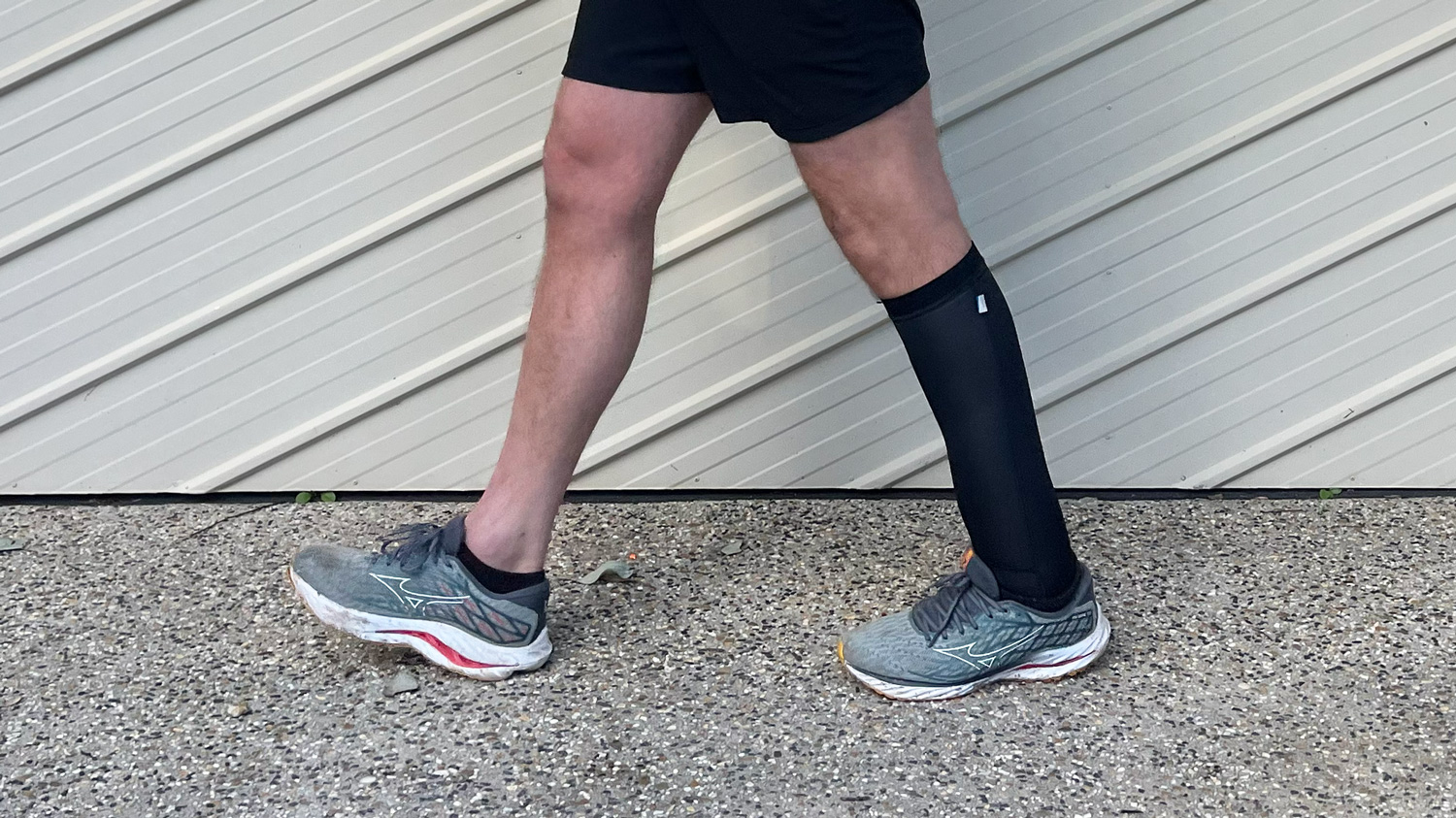
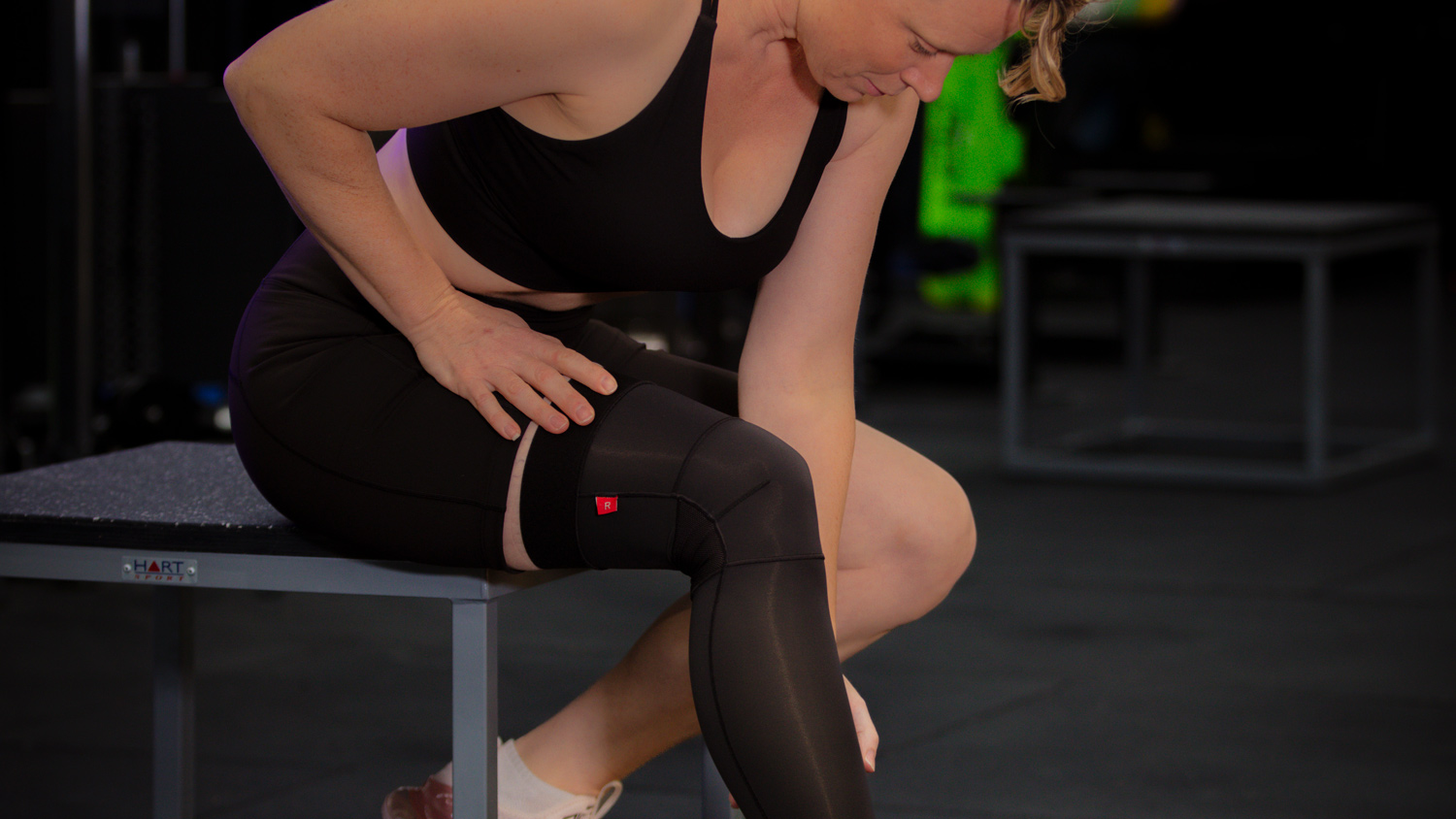
The speedy AutoTailor production has also helped Ed keep up with the evolving shape of his leg.
As his injury heals and his leg gets smaller in stages, he’s gone back to his physio for new measurements, and promptly received new garments that keep the compression consistent.
His experience has even motivated him to lobby his insurer to fund custom-fit garments, instead of providing a regular allowance for off-the-shelf products.
“I'm like, guys, stop paying someone 12 bucks every second day to buy the thing from the chemist,” Ed says.
“Just give them this thing – if there’s anything longer than three months, it pays for itself.”
Industry Showcase
Australian space innovations making an impact.
Latest from the Australian space sector
Latest from the Australian space sector






Main image caption: Examples of Cape Bionics garments.
Credit: Cape Bionics