Where Sea, Sky and Space meet.
The stars above Zenadth Kes, the Torres Strait, have long illuminated much more than the night sky.
Long before there were astronauts, there were navigators. Long before rockets, ocean voyages.
The world’s oldest continuous astronomical knowledge is found right here among First Nations communities across Australia.
For thousands of years, Torres Strait Islanders have closely observed the sky.
Through their enduring relationship with the natural world, they hold a sophisticated and incredibly detailed understanding of how the movements and appearance of specific stars and constellations correspond to changes in weather, marine conditions, and the life cycles and behavior of plants and animals.
This knowledge guides navigation, fishing, trade, and environmental stewardship, and reinforces deep connections between people, culture, and Country.
A four-day visit offered me an unparalleled opportunity to better understand this living knowledge system firsthand.
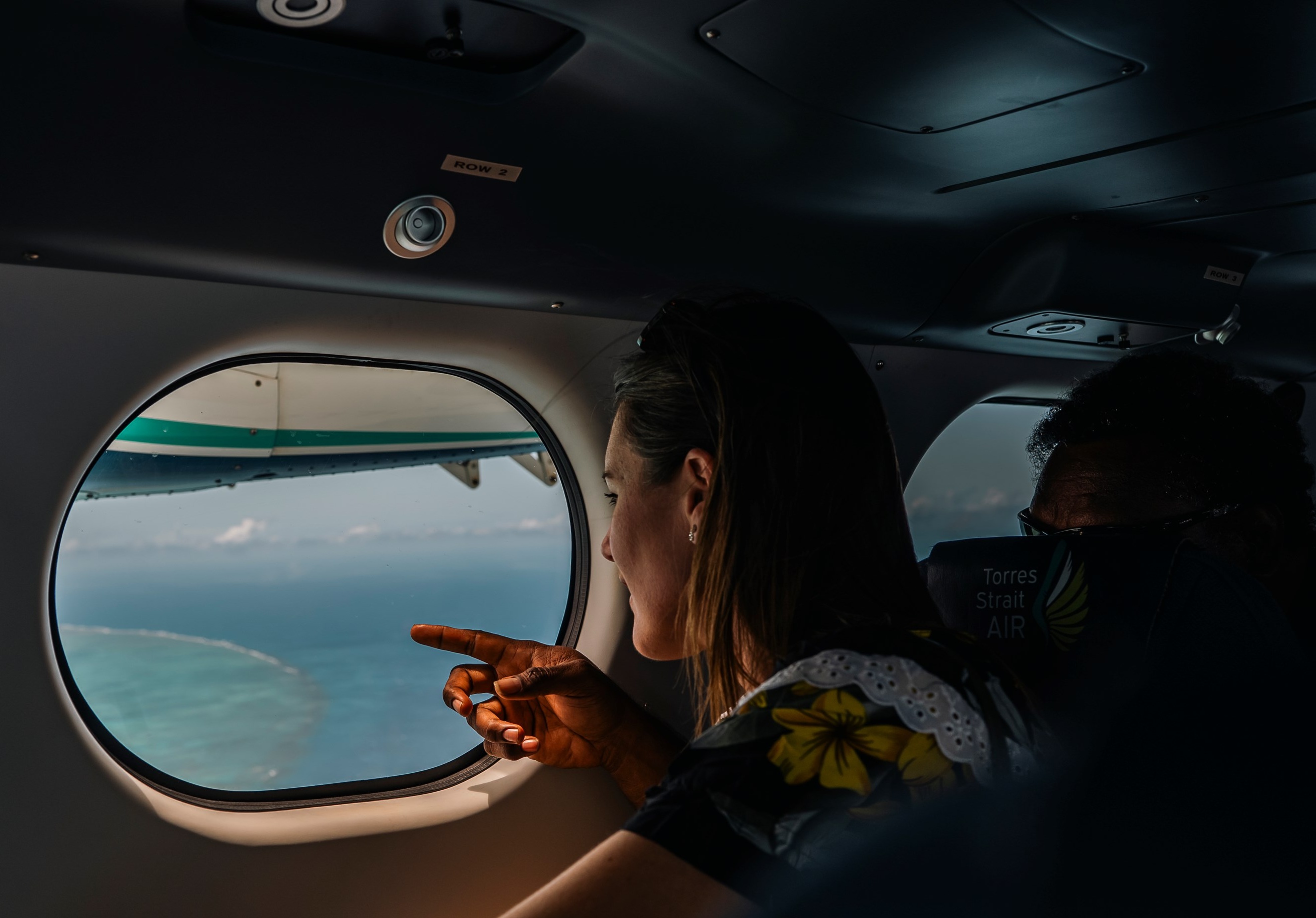
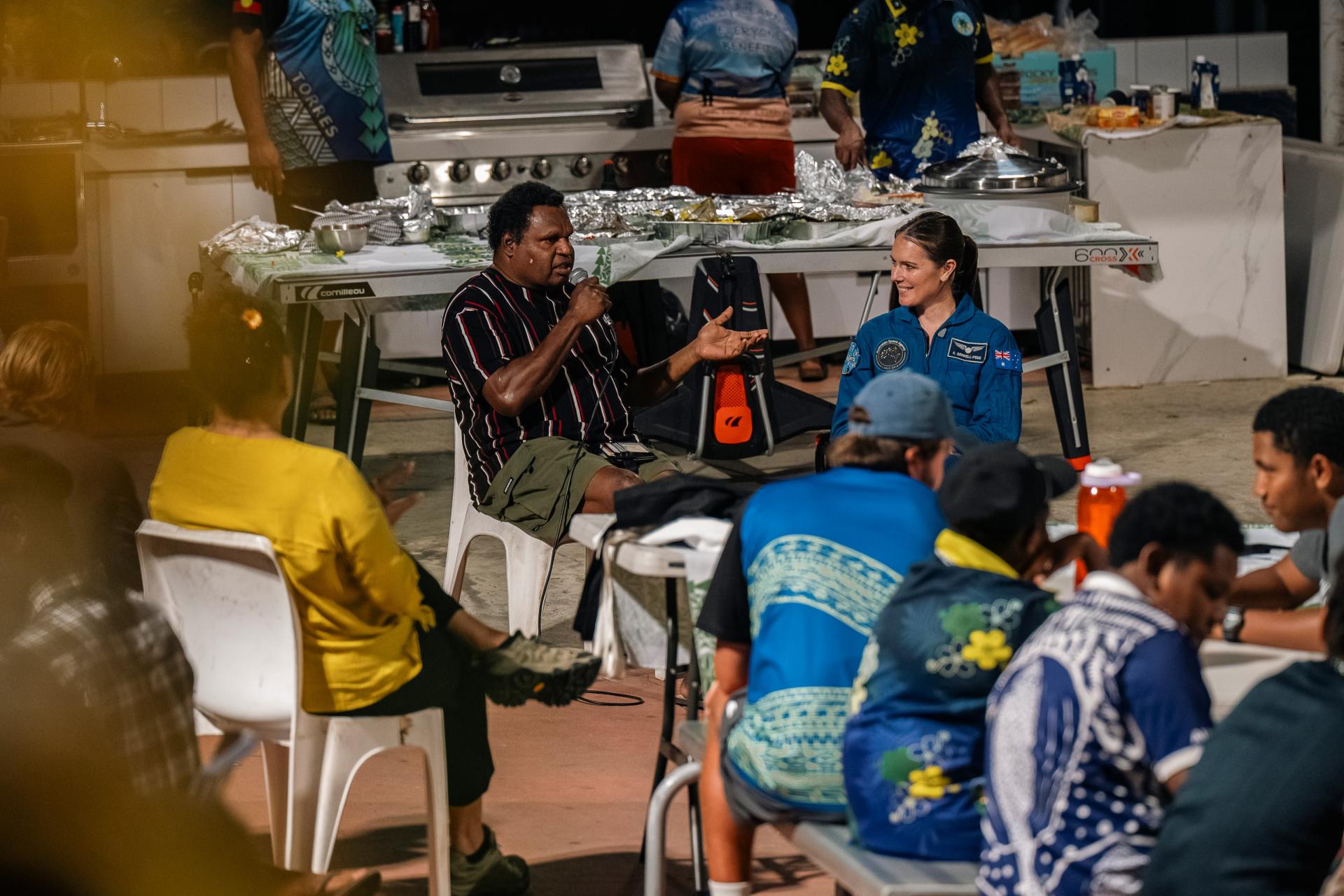
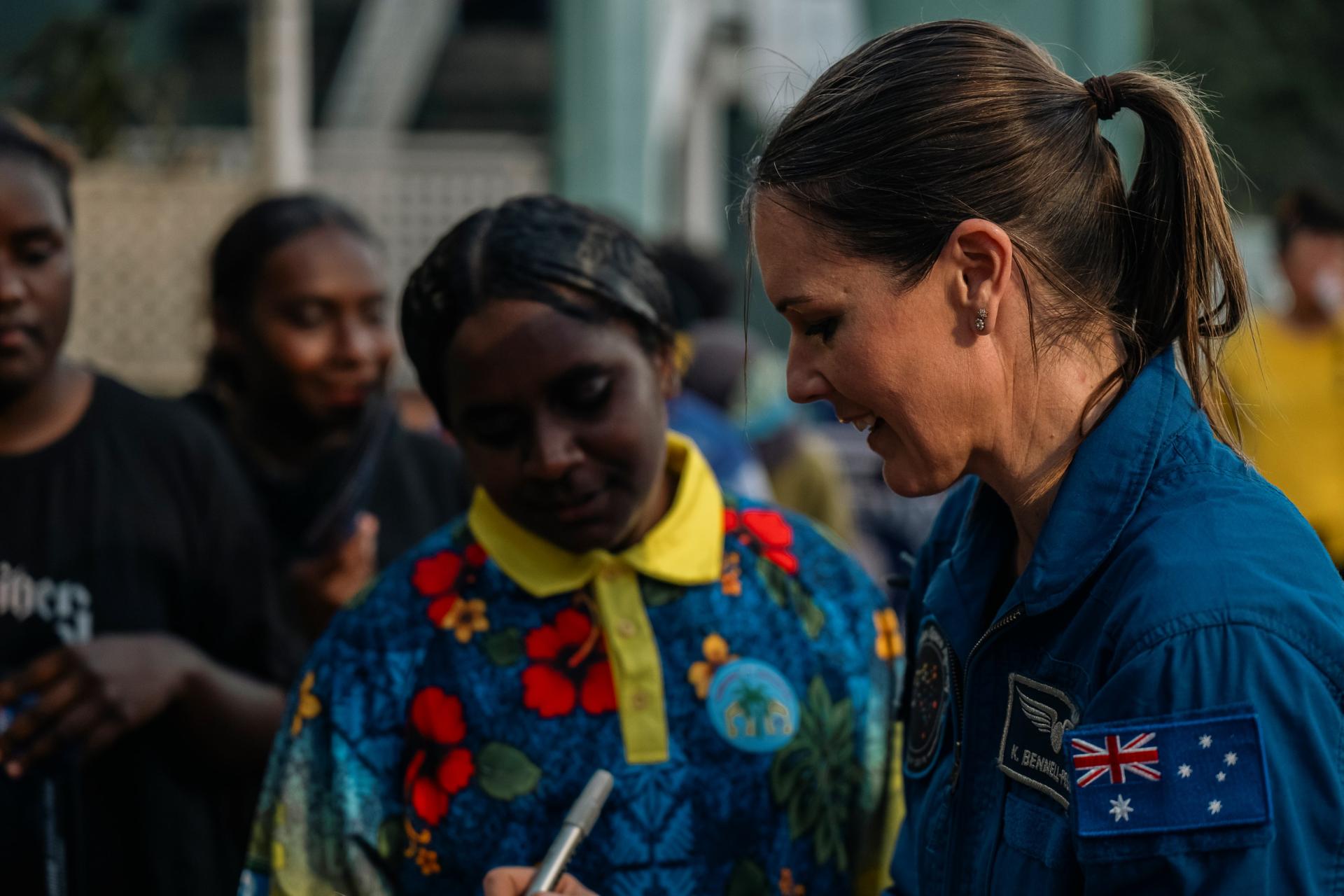
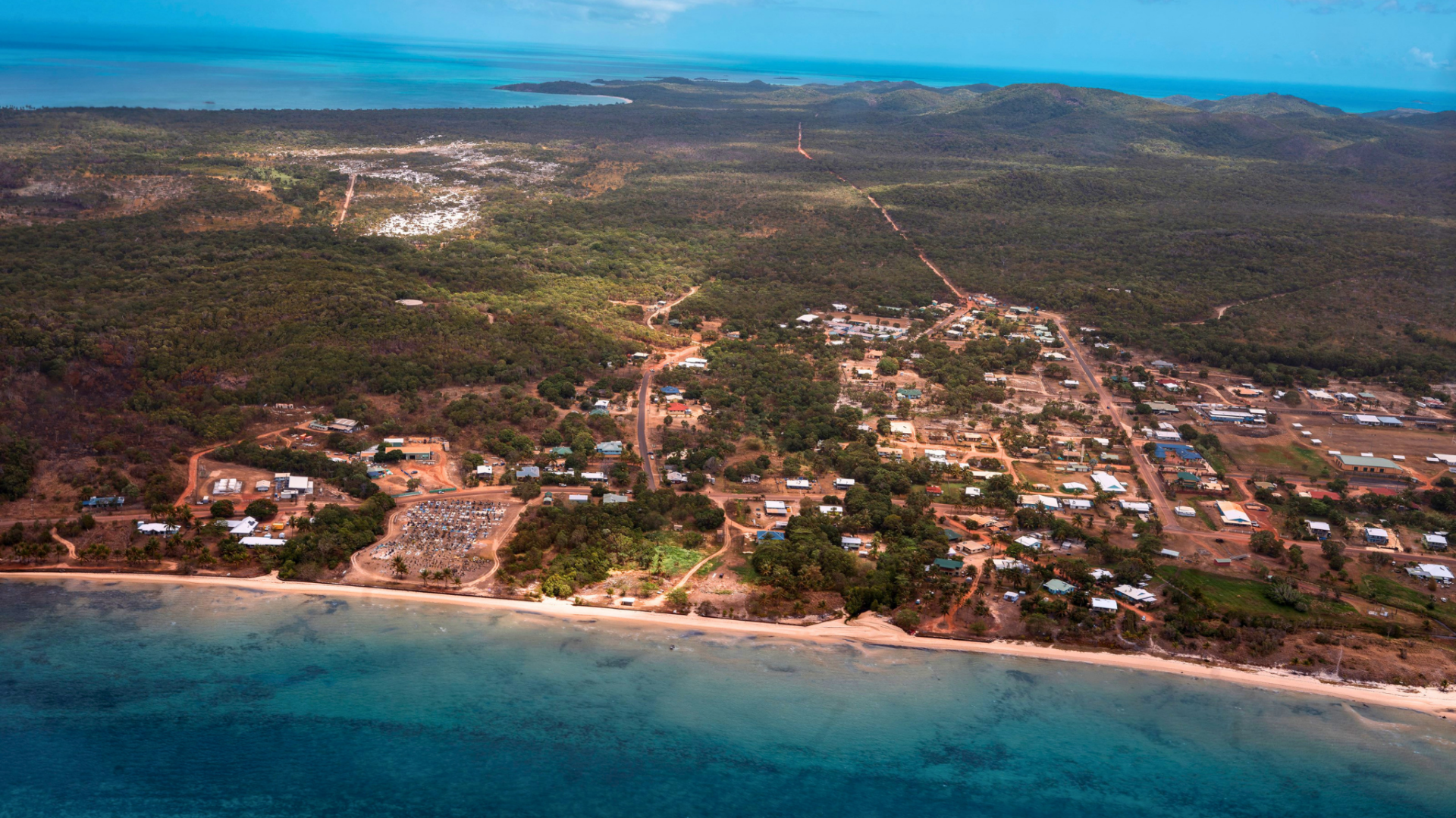
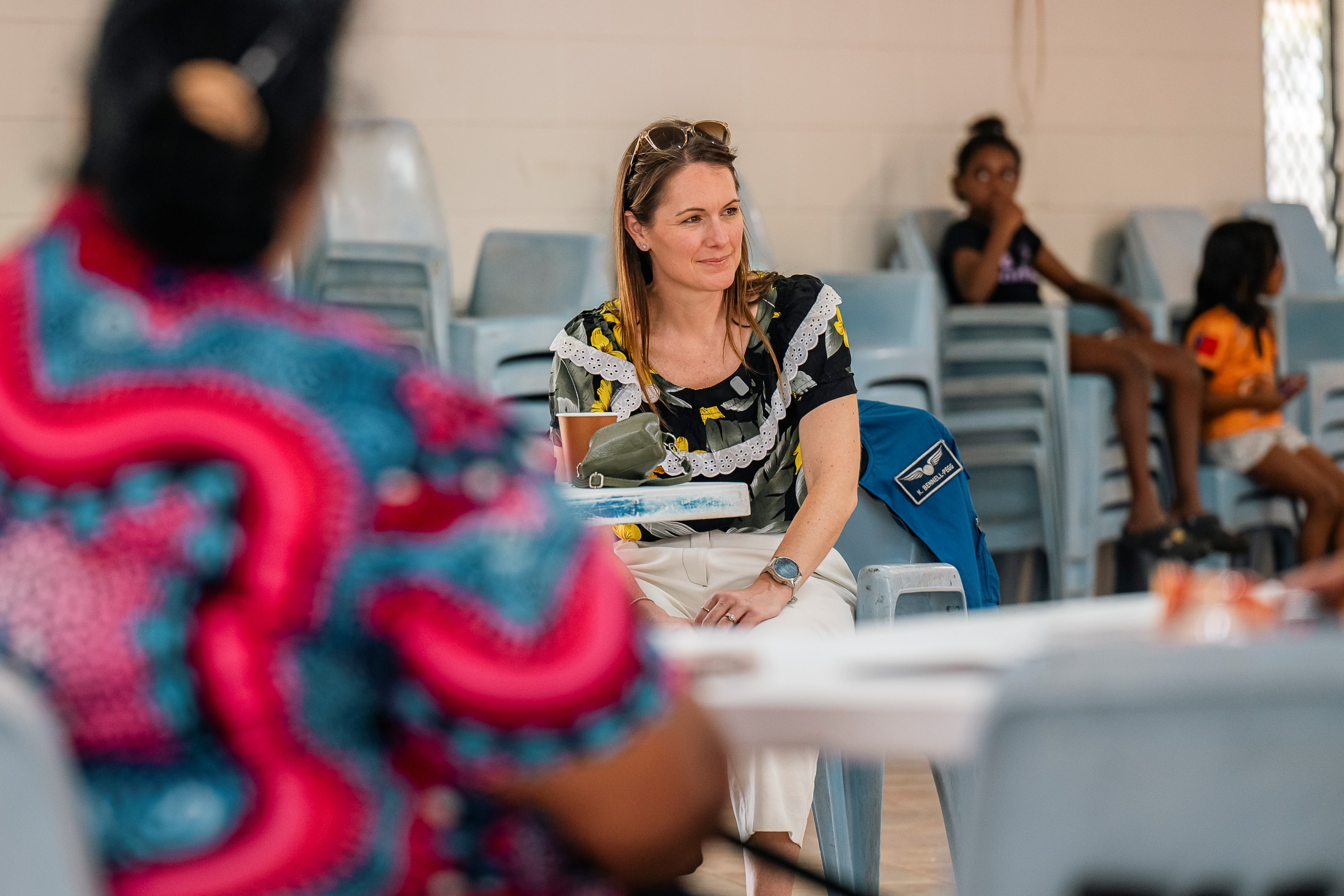
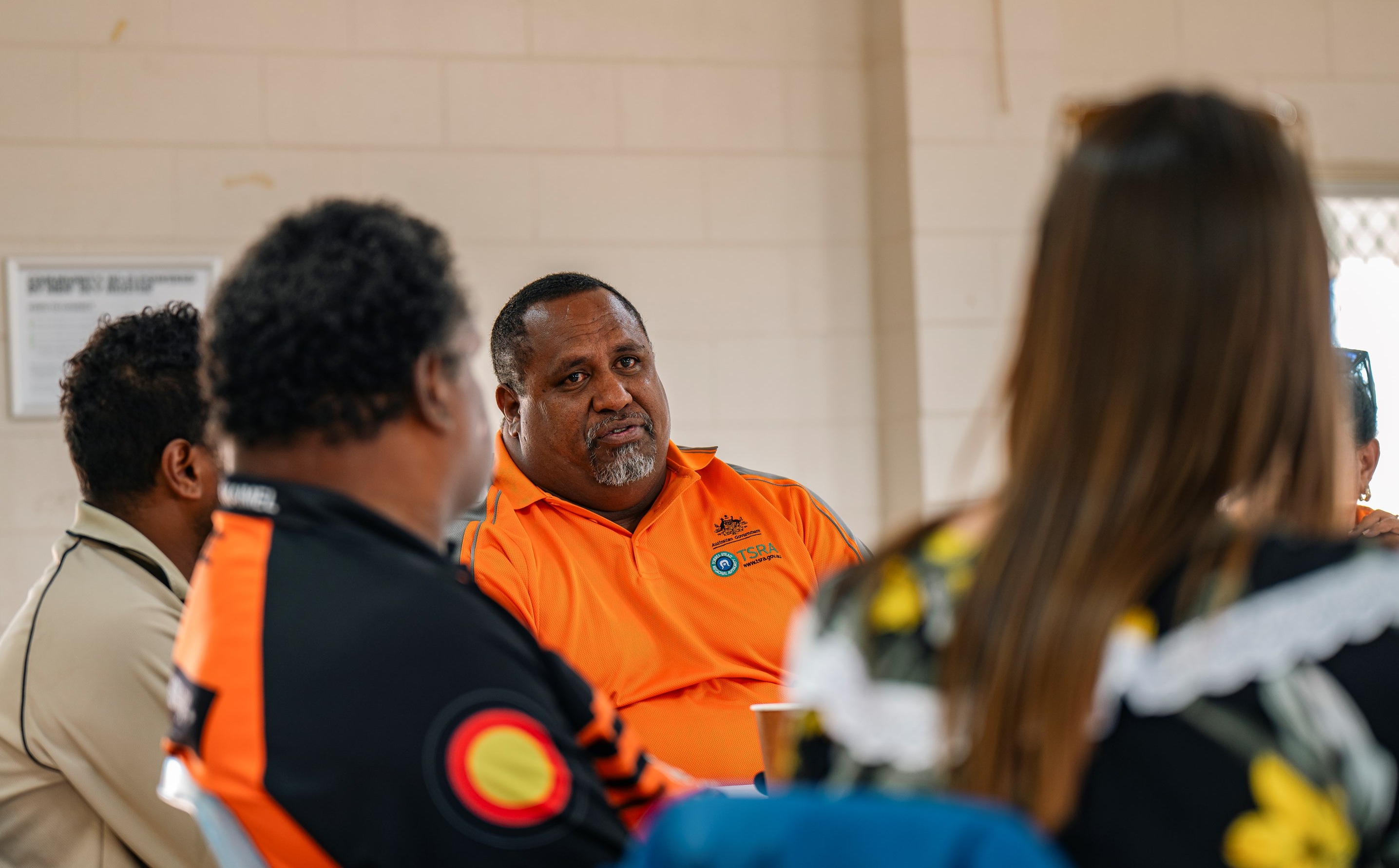
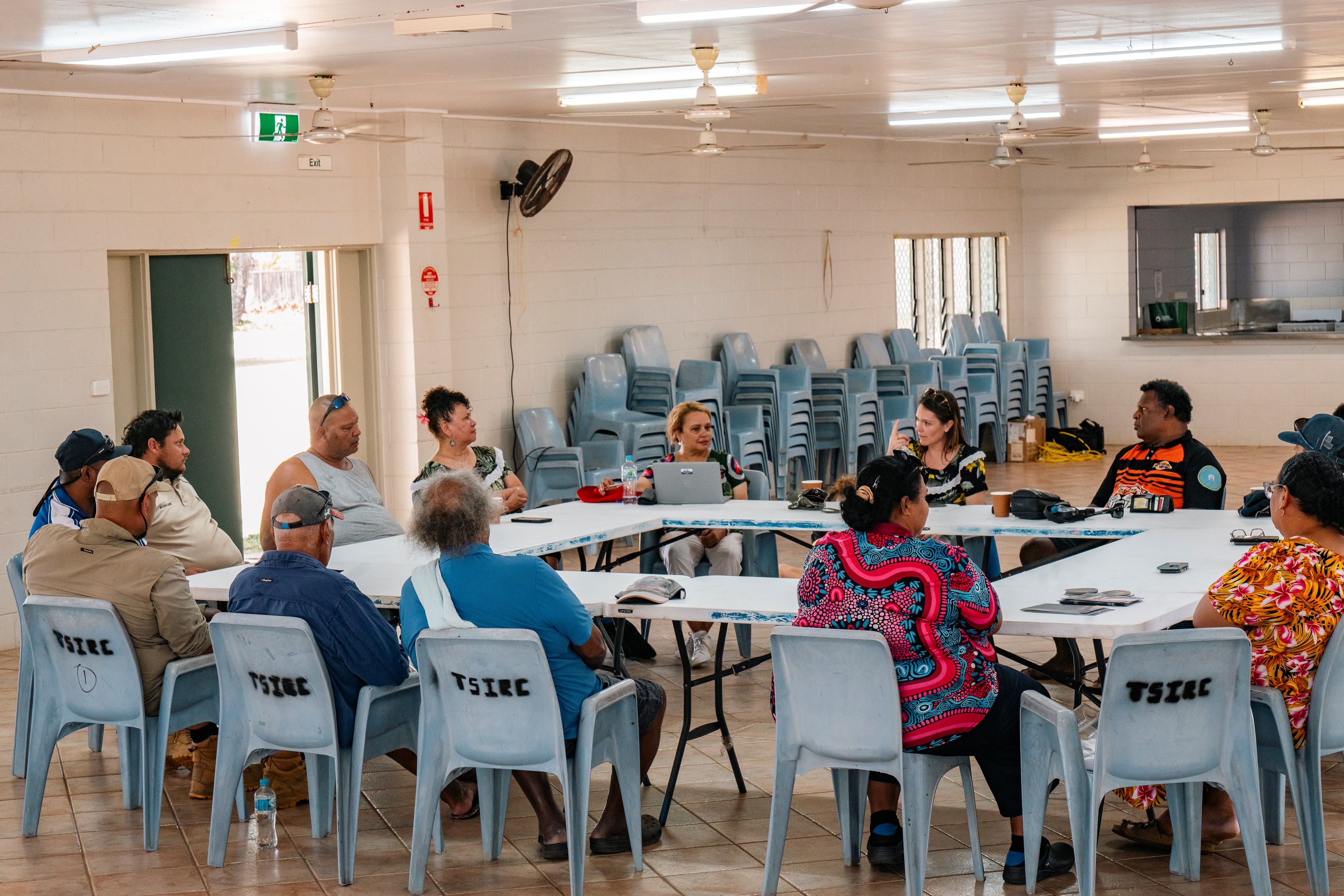
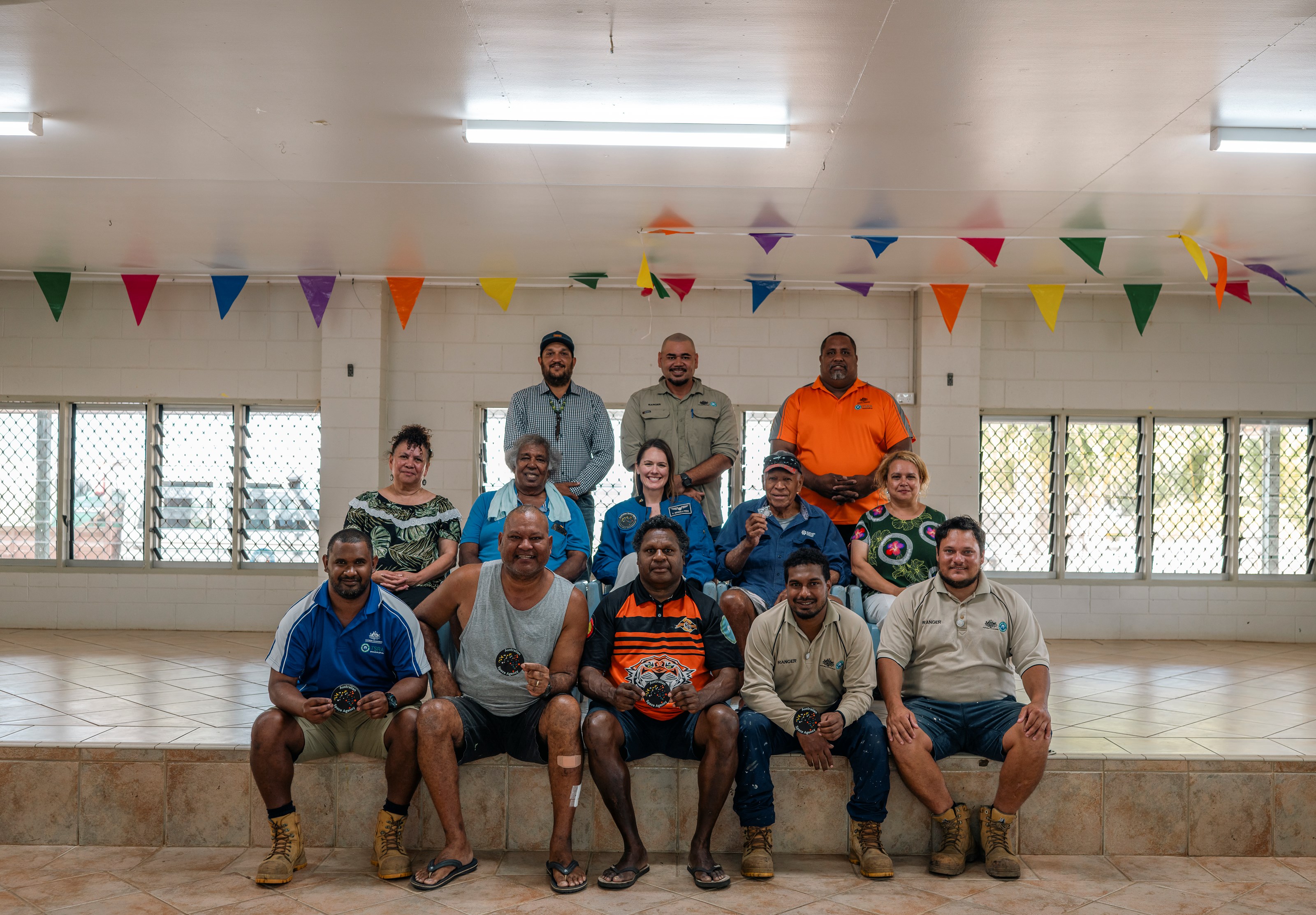
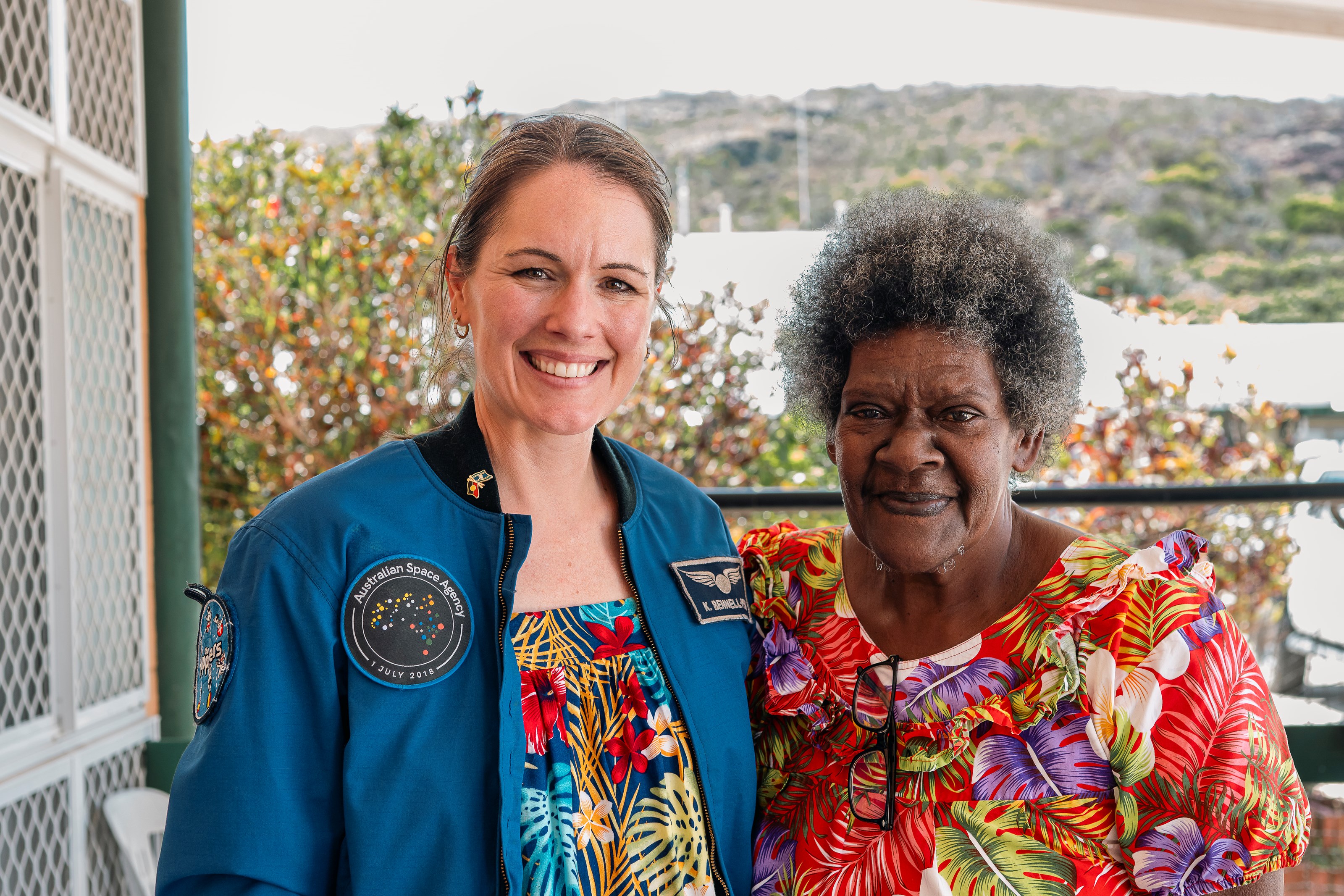
Last month, I travelled to Waiben (Thursday Island), Badu Island, and Mabuiag Island, where I met with Elders, artists, cultural leaders, community members, and students.
The community was generous in sharing their culture and heritage, and there were many deeply insightful exchanges on our respective knowledge systems.
Conversations with Elders and cultural practitioners highlighted how this knowledge continues to be shared and celebrated.
It remains a source of pride and practical guidance for local communities and a powerful foundation for the future.
Katherine's visit to Torres Strait included:
Highlights
Katherine's visit to Torres Strait included:
• Meetings and exchanges with Elders and Community Leaders.
• Visit to Kaziw Meta College.
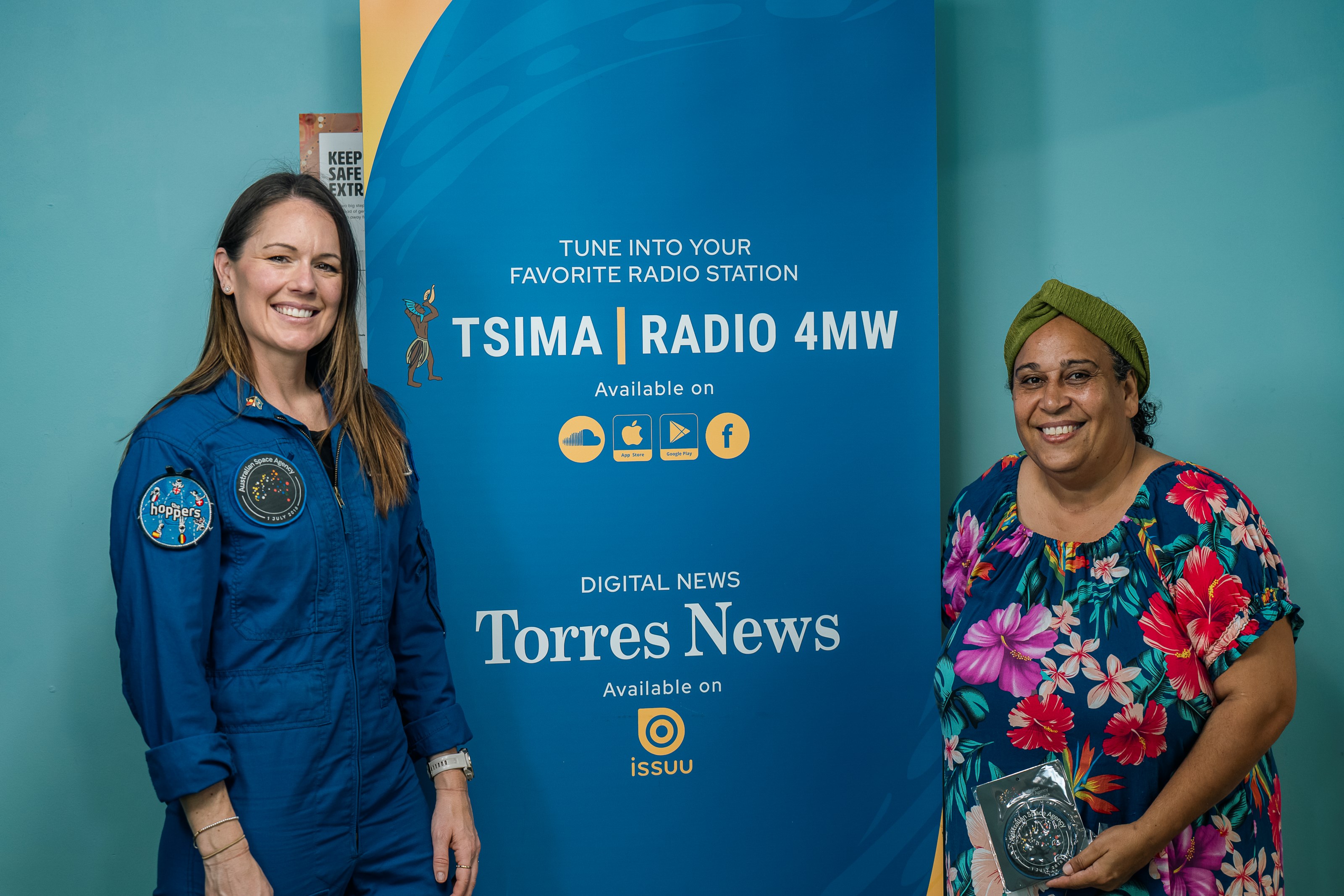
• Radio interview with TSIMA (Torres Strait and Northern Peninsula Area Indigenous Media Association).
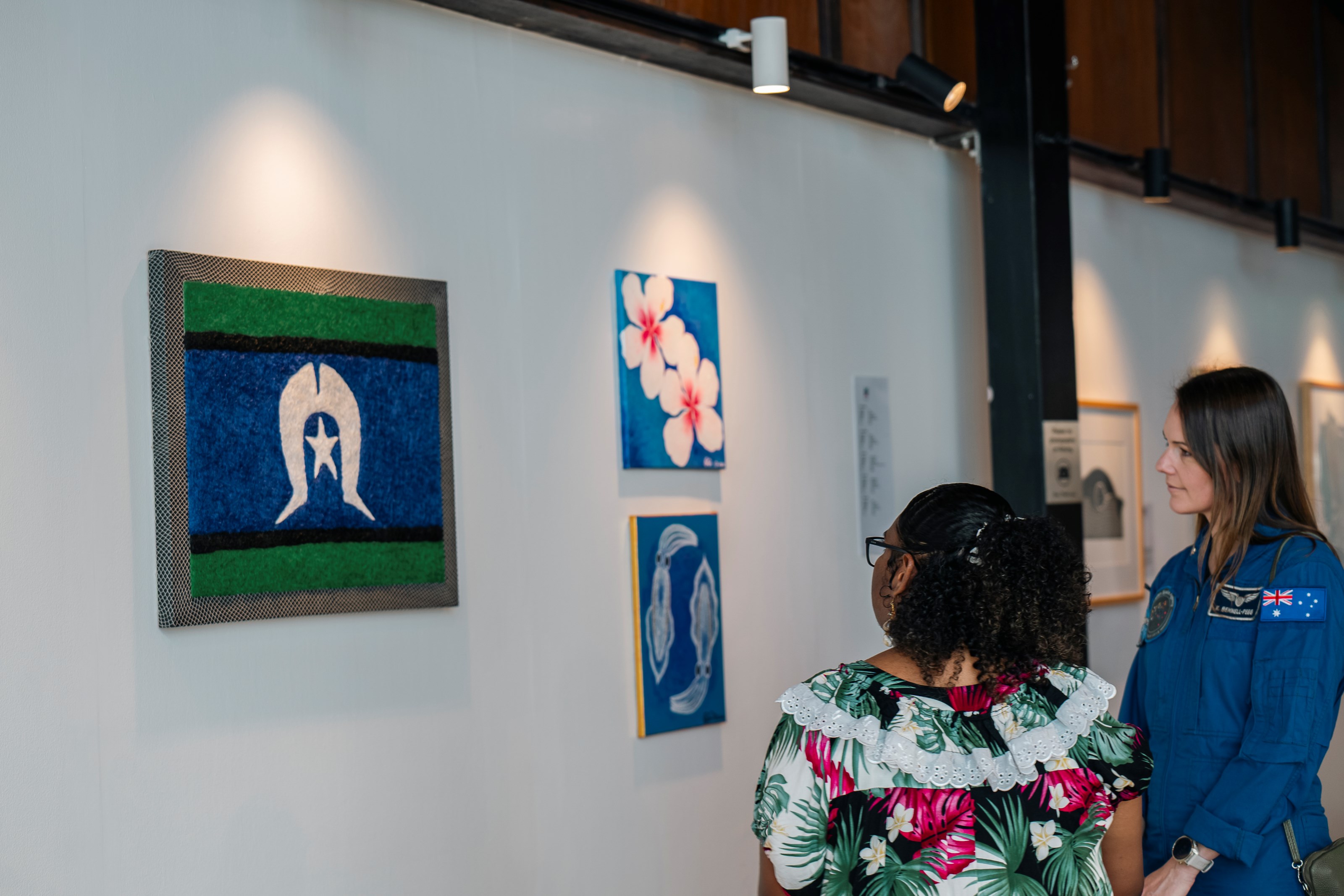
• Visit to Gab Titui (‘Journey of the Stars’) Cultural Centre.
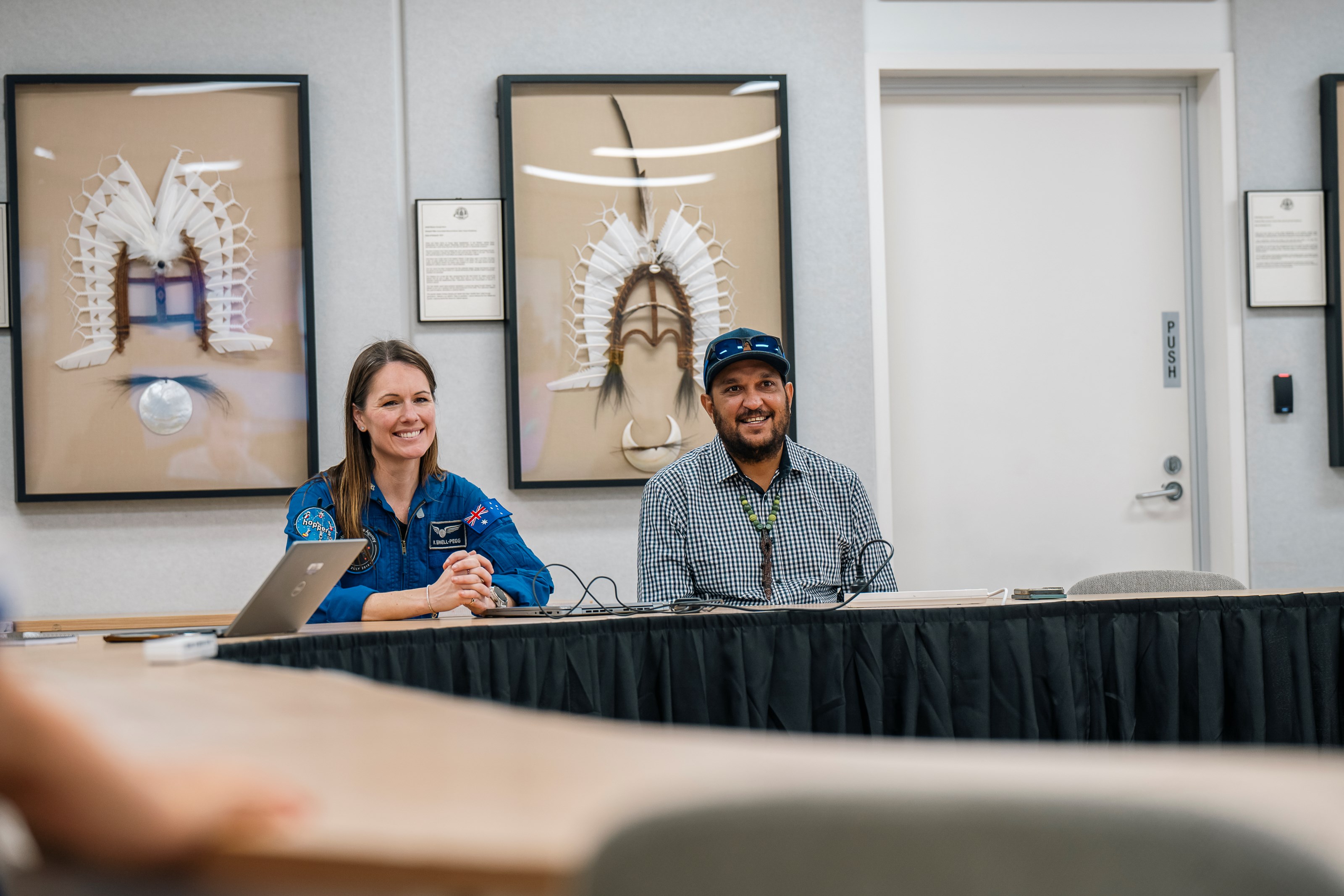
• Meeting with Torres Strait Regional Authority and Rangers.
• Community Engagement activities, sessions with children, community gatherings and discussions
• Visits to artists and cultural practitioners, including a Lagaw Thithui (‘Island Stars’) Dance Group performance.
The sky as a living classroom
Across the Torres Strait, the stars, and constellations in particular, are teachers, guides, and keepers of knowledge.
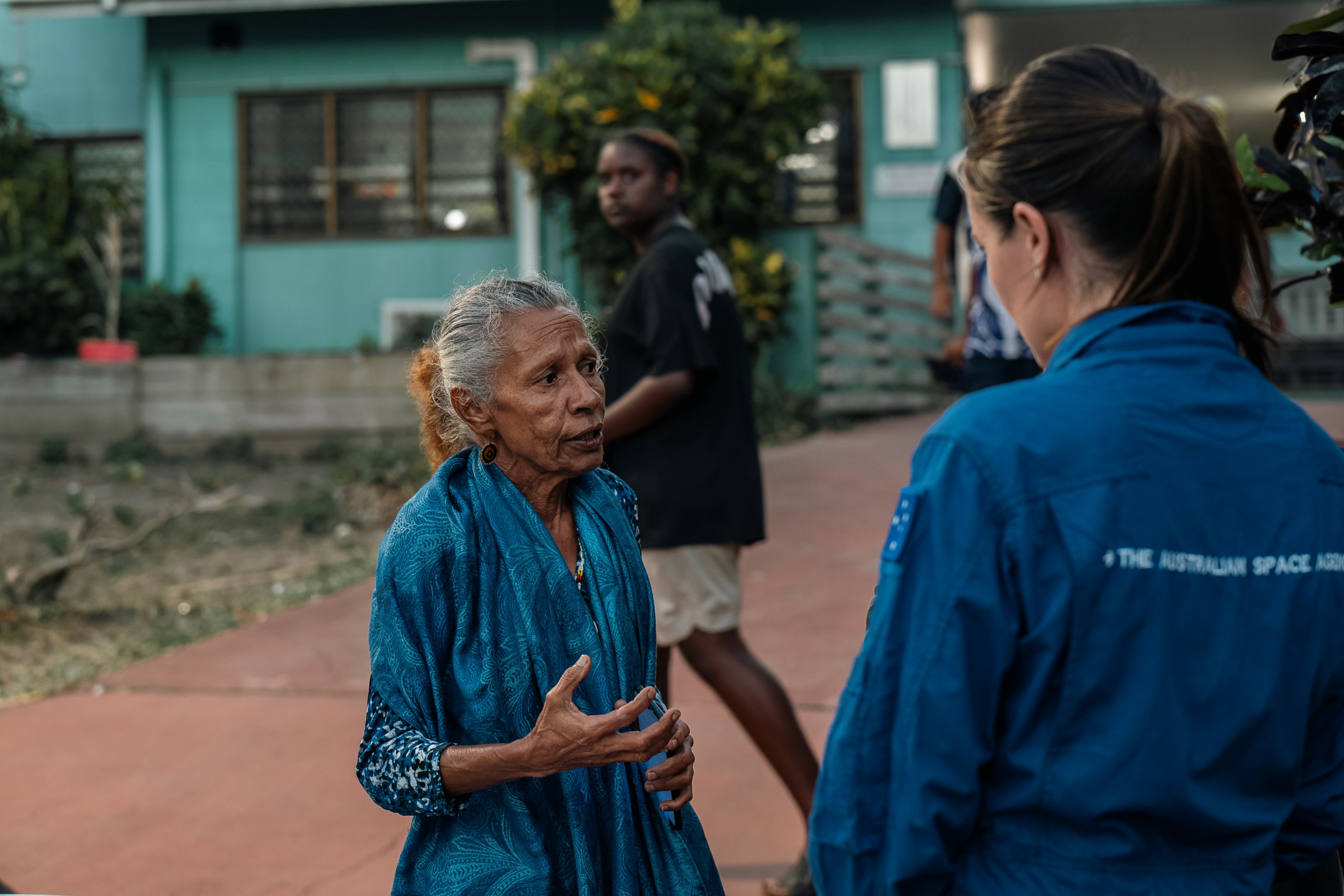
Standing together with Torres Strait Elders under the same sky they’d read for generations was a great honour – hearing about their ancient star knowledge, exchanging our two ways of understanding the universe, was incredibly special, and eye-opening.
There is much to learn from traditional knowledge systems, including how their comprehensive knowledge of place means that knowledge holders can identify and track early and very detailed environmental changes over time.
For instance, changes to the days or times of animal and plant behaviour and currents. Observations would be complementary to our other more macro datasets but mostly today aren’t recorded with them.
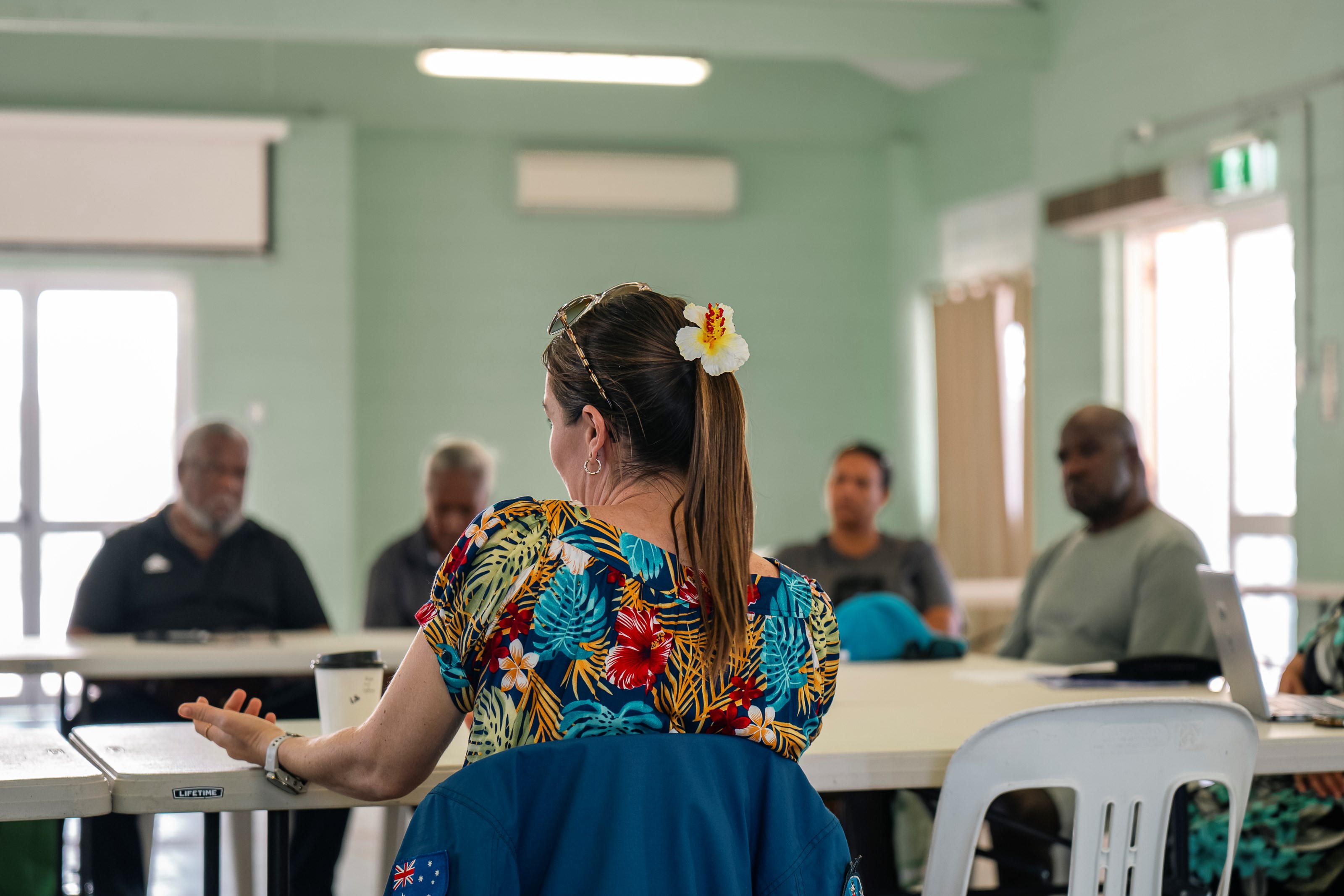
We spoke about progressing that, the challenges of passing on knowledge when the climate and society is shifting so rapidly, brainstormed the development of online educational tools and physical infrastructure to both pass on their traditional knowledge within their communities and to raise the awareness of their heritage to visitors.
We also spoke about pathways for young Torres Strait Islanders into technical fields including space.
Being in a remote location, the Torres Strait relies on satellite data and space services, including for communications, healthcare, logistics, and security.
Having more Torres Strait Islanders in technical fields furthers agency – finding local solutions to local problems and uplifts economic opportunity.
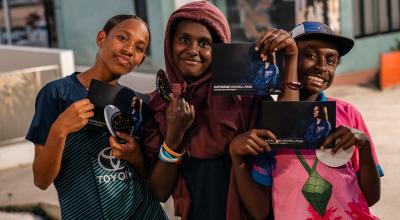
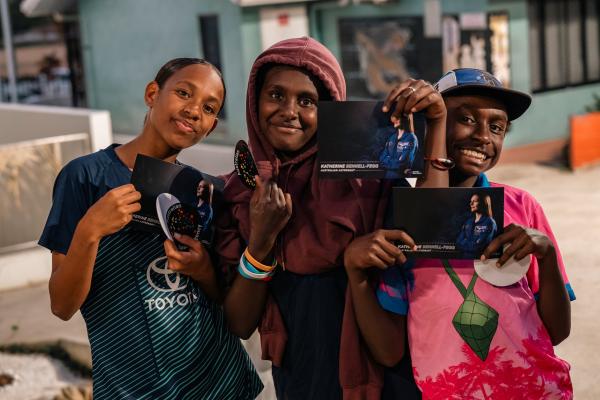
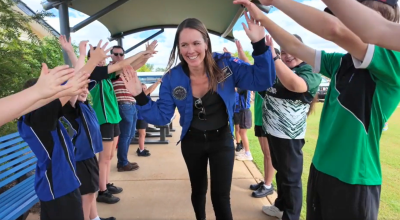
Given the enthusiasm of the kids and their many questions about space and how to get involved – I’m optimistic that we’ll see more coming through.
Inspiration written in the stars
Across Torres Strait, the stars continue to inspire curiosity, confidence, and ambition with the connection to space so apparent.
Streets and schools and dance groups were named after constellations.
The museum and gallery were filled with depictions of the sky.
Even the Ranger’s uniforms, who are members of the Australian Public Service, were adorned with stars.
My visit provided me with the unique opportunity to listen and learn. A big thank you to Elder David Bosun who wrote a song about my visit and shared with me that:
“We could build something extraordinary — a genuine collaboration between traditional and western astronomy that reconciles both cultures through learning, understanding, and mutual respect.”
We have several collaborations and concrete actions underway: stay tuned.
I was especially humbled to be given the blessing of the Elders I met to fly the flag for the Torres Strait in space, and to journey through the realm of their ancestors and return with stories of them.
Thank you to all those I met for being so welcoming, and to the Torres Strait Regional Authority, the National Australia Day Council, and the Australian Space Agency for making this visit possible.
Reflection from the Torres Strait
George Nona, Chair of the Torres Strait Regional Authority, underscored the importance and impact of the Aussie astronaut’s visit.
“Katherine’s visit to the Torres Strait has been both inspiring and significant for our communities.
"By sharing her journey and experiences, she has encouraged our young people to think boldly about their futures and explore opportunities in science, technology and space.
“We are grateful for her willingness to engage with our communities and showcase the possibilities that emerge when talent, determination and education come together.
“Her visit reinforces the importance of creating pathways that empower Torres Strait Islander youth to achieve their aspirations and contribute to Australia's future innovation landscape."
Astro gallery
Credit for all images used in this news article: Kantesha Ward
The Torres Strait and the Stars
One of the most significant and unique aspects of my visit was to first-hand witness the Torres Strait's enduring relationship with astronomy.
The stars are not viewed simply as celestial objects. They form an interconnected knowledge system that guides navigation, seasonal activities, culture, law, ceremony and identity. Torres Strait Islander astronomical knowledge has been developed, refined and passed between generations over thousands of years.
During my visit to Gab Titui Cultural Centre, which translates to "Journey of the Stars", it provided me an opportunity to explore these connections in greater depth.
Central to Torres Strait cosmology is Tagai, a great fisherman, navigator and creator figure whose image is represented through a constellation stretching across the southern night sky.
Tagai is one of the most important ancestral figures in Torres Strait culture and their story provides guidance on:
- responsibility
- leadership
- social order
- respect
- relationships with the natural world
For Torres Strait Islanders, Tagai is both a cultural ancestor and a practical guide. The stars associated with Tagai help determine seasonal changes, navigation routes and harvesting times.
There are significant parallels between modern space exploration and traditional Torres Strait astronomy.
For generations, Islanders have observed the night sky to:
- navigate between islands;
- identify seasonal transitions;
- predict weather patterns;
- determine planting times;
- guide fishing and hunting activities; and
- understand ecological changes.
This knowledge has been passed through stories, songs, dance, carvings and ceremonies and represents one of the world's oldest continuing astronomical traditions.
The reference to Baidam in conversations was very frequent.
The appearance of Baidam in the night sky signals seasonal environmental changes and helps guide community activities. It is an excellent example of how Torres Strait astronomy combines scientific observation, environmental management and cultural practice.