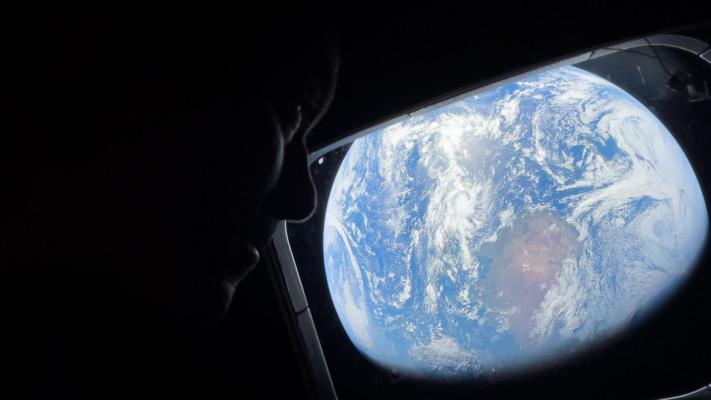
Here’s a recap of some of the key developments and capabilities from October that are shaping Australia’s space industry.
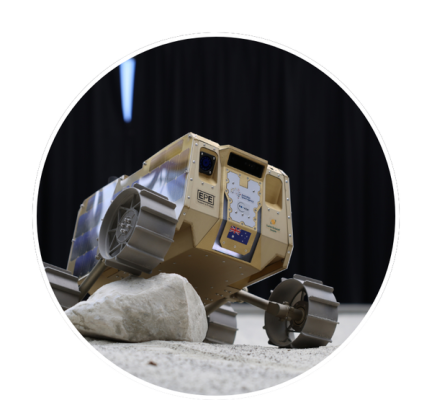
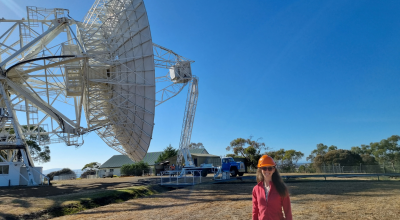
Australia and the world a closer look at Roo-ver’s design and scale as it progresses towards its journey to the Moon in 2030.
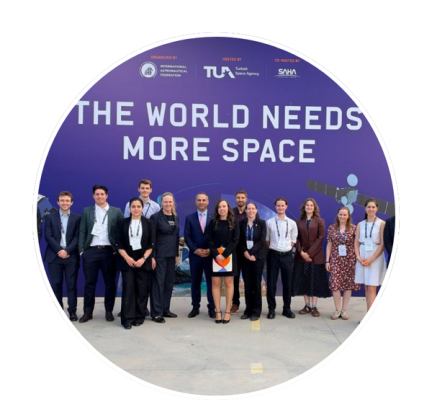
The Australian Space Agency represented Australia at the 77th International Astronautical Congress in Antalya, Türkiye.
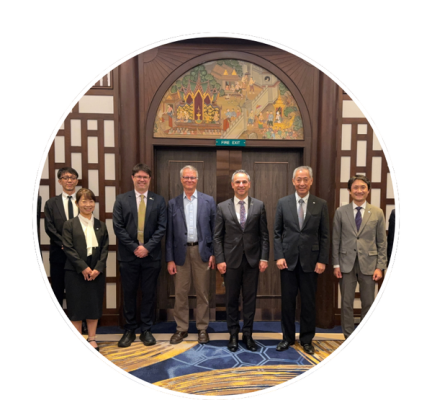
The Australian Space Agency participated in the latest edition of the Asia-Pacific Regional Space Agency Forum in Thailand.
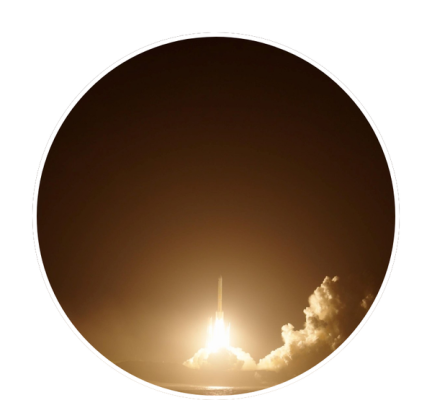
Japan Aerospace Exploration Agency (JAXA) launched its Martian Moons eXploration mission that will unravel mysteries of Mars. Samples from this mission will land in Australia in 2031.
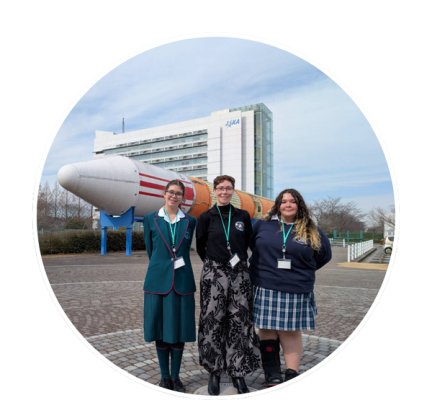
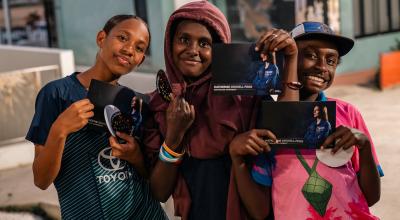
Applications have opened for the latest edition of the Asian Try Zero-G, a space educational program that is led by JAXA and supported by the Australian Space Agency.
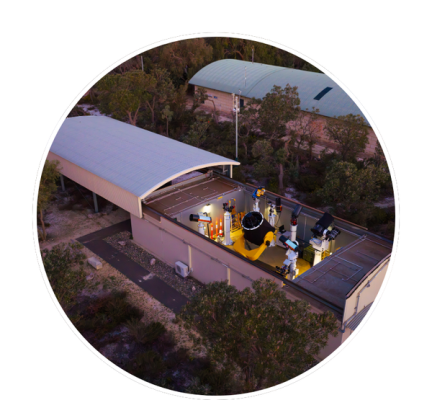
A new ARC Training Centre for Space Domain Awareness in Western Australia has been unveiled that will bring together researchers, industry and government.
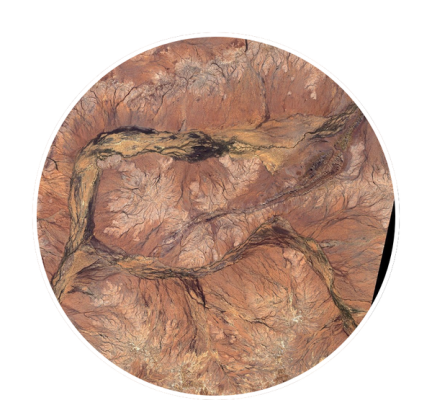
Funded through the ARC, the Australian National University’s GeoPath Hub, supported by Fleet Space, will combine space-enabled exploration, AI and Earth modelling to locate critical minerals.
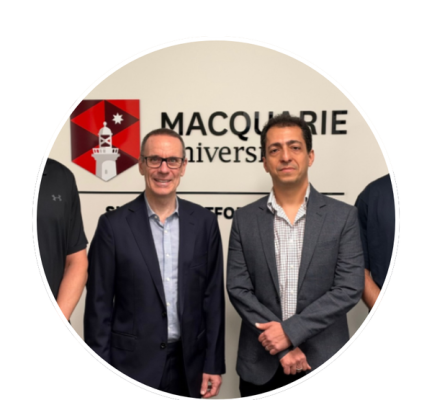
New ARC Training Centre for Advanced Integrated Circuits will support research projects like including satellite internet and radiation-hardened chips for space technologies.
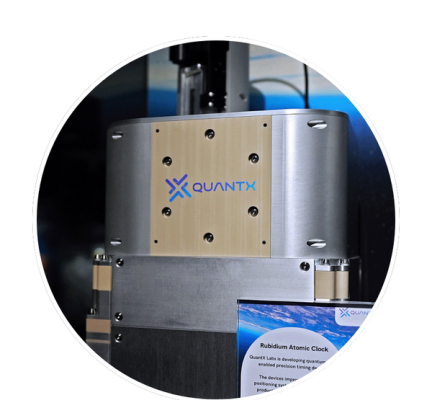
QuantX Labs received an Australian Government grant to build and test an advanced quantum clock that can keep the electricity grid accurately timed without relying on external signals.
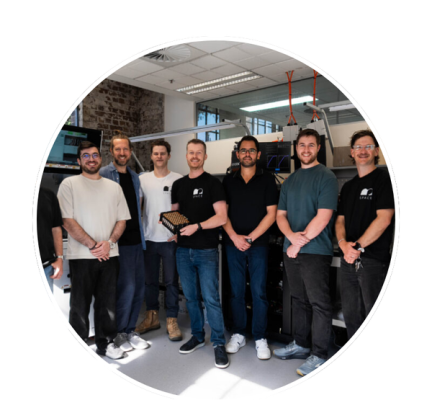
Australian spacecraft power supplier MP Space has raised $23 million to expand manufacturing of battery and power-management systems for satellites and other space missions.
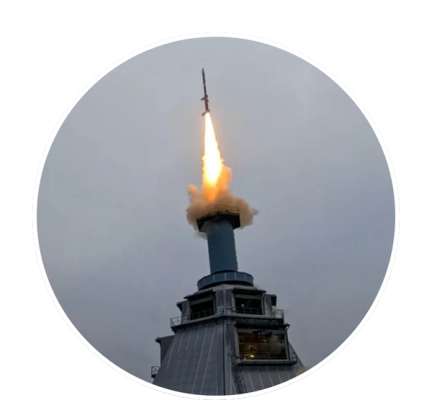
The German Aerospace Center’s MAPHEUS®-17 mission launched from Sweden and carried with it Adelaide University stem cells into space to investigate cancer in microgravity.
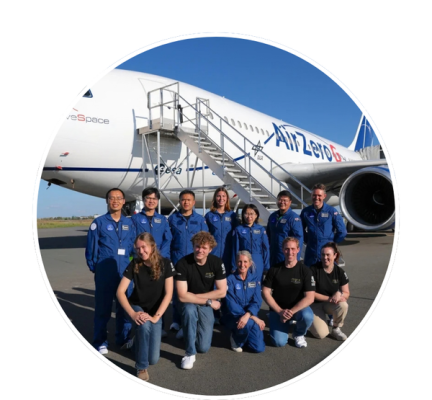
The University of Western Australia’s International Space Centre team participated in three parabolic flights aboard Novespace’s Airbus A310 Zero-G in Bordeaux, France.
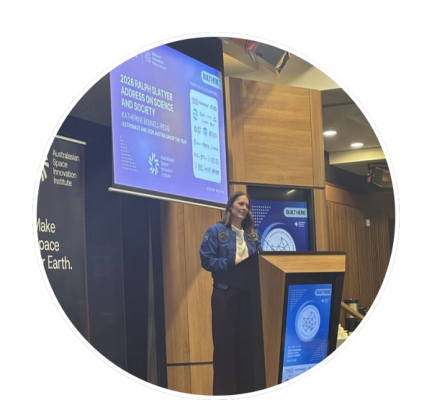
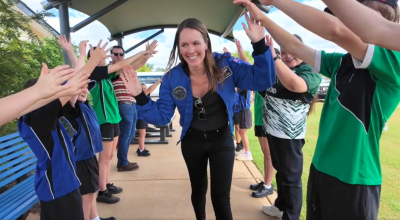
Aussie astronaut and 2026 Australian of the Year Katherine Bennell-Pegg delivered the 2026 Ralph Slatyer Address on Science and Society at the National Press Club of Australia.
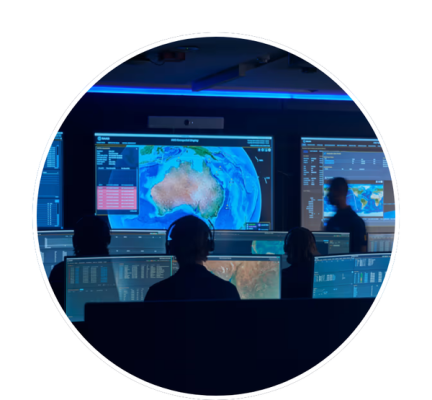
Saab’s cloud-based Allied Mission System integrates space domain awareness, mission management and command capabilities, combining sensor data to enable faster responses to activity in space.
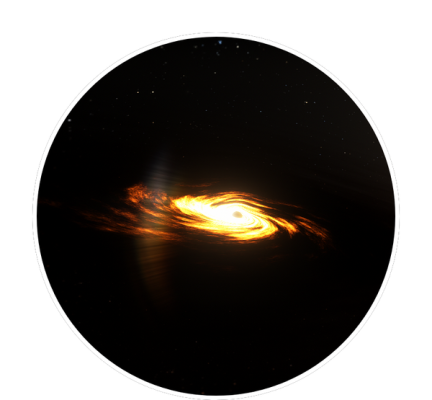
Researchers from ARC Centre of Excellence for Gravitational Wave Discovery have developed and tested a new locking method for gravitational wave detectors.
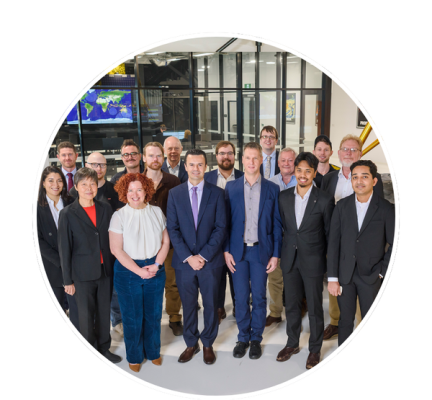
Fleet Space-led SENTRI project combines advanced sensors, Australian satellite technology and AI to strengthen threat detection and response capabilities across national security and critical operations.
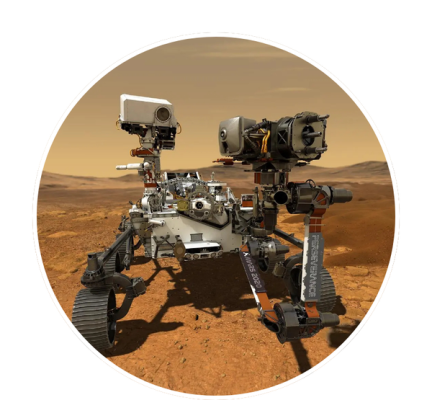
Queensland University of Technology is part of international study that has found that one of the biggest risks to future crewed missions to Mars is going to be the Red Planet’s fine dust.
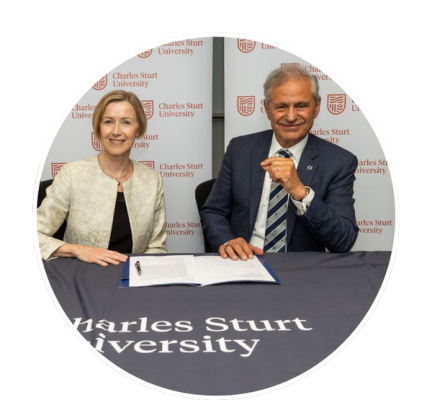
A new partnership between the Charles Sturt University and the Australasian Space Innovation Institute will support the future of Australian agriculture.
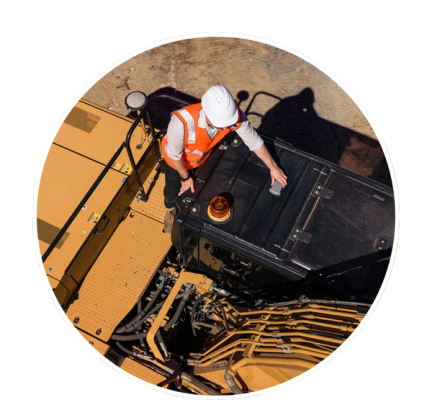
Myriota’s satellite and cellular tracker, AssetHawk, won a Good Design Australia Award for affordable, scalable engineering – integrating its hardware, firmware and satellite communications for asset tracking.
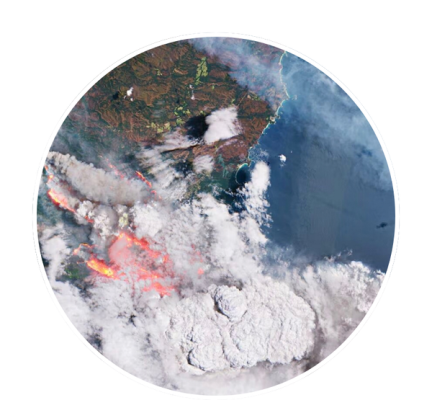
UNSW Sydney researchers involved in the SIRIUS (Space Intelligence for Resilient InfrastrUctureS) Wildfire Alliance won a major award in New York for their approach to detect wildfires using satellite technology.
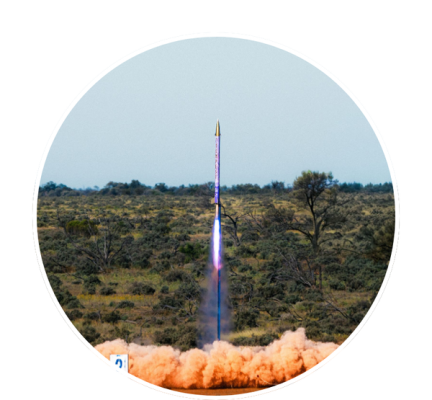
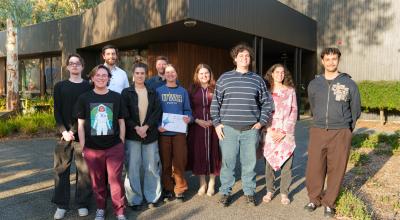
The ANU Rocketry team were named the overall winner of this year's Australian Universities Rocket Competition in White Cliffs (regional NSW). They also claimed first place in the 10,000-foot propulsion category with their rocket, Tempest.
Get in touch
The Australian space industry is invited to share with us their recent developments.