
The National Reconstruction Fund Corporation helps HEO raise $37 million. This investment has also helped support capital raises across the Australian space sector to be worth over $600 million.
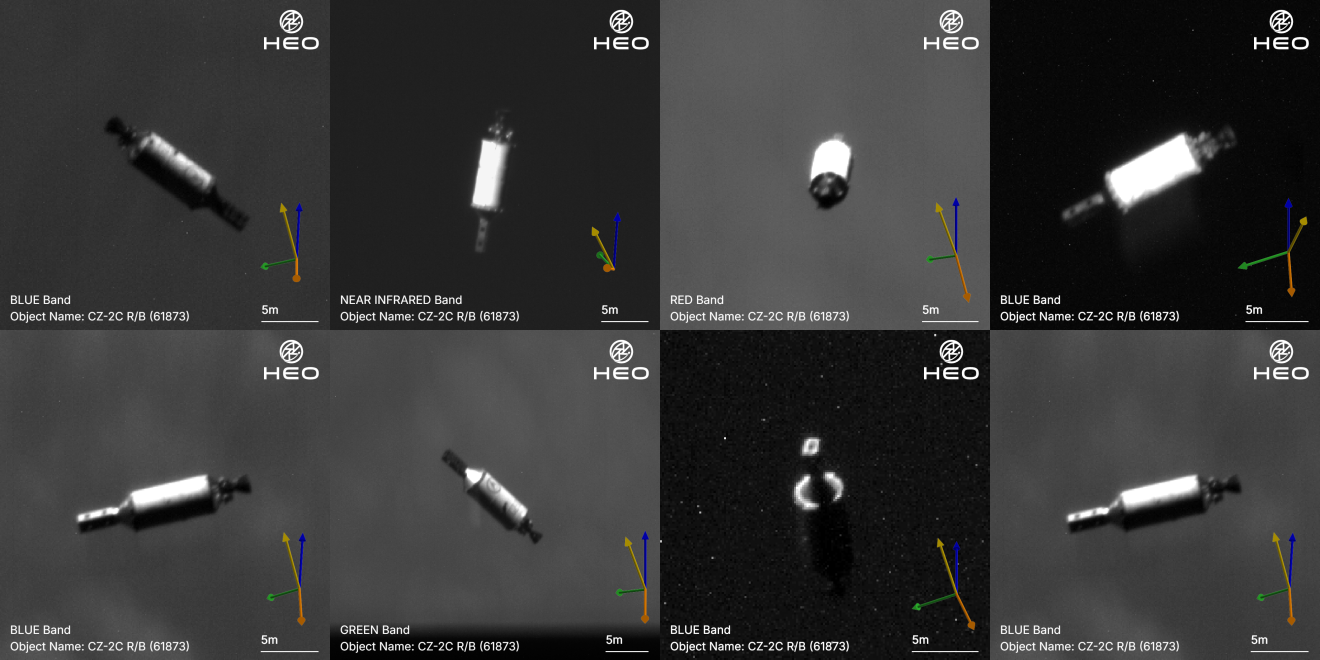
Here’s a recap of some of the key developments and capabilities from August that are shaping Australia’s space industry.

A two-week test campaign for Australia's first lunar rover is underway at Adelaide University’s EXTERRES CRATER Facility. The testing will prove the rover's mobility in a lunar simulated environment.
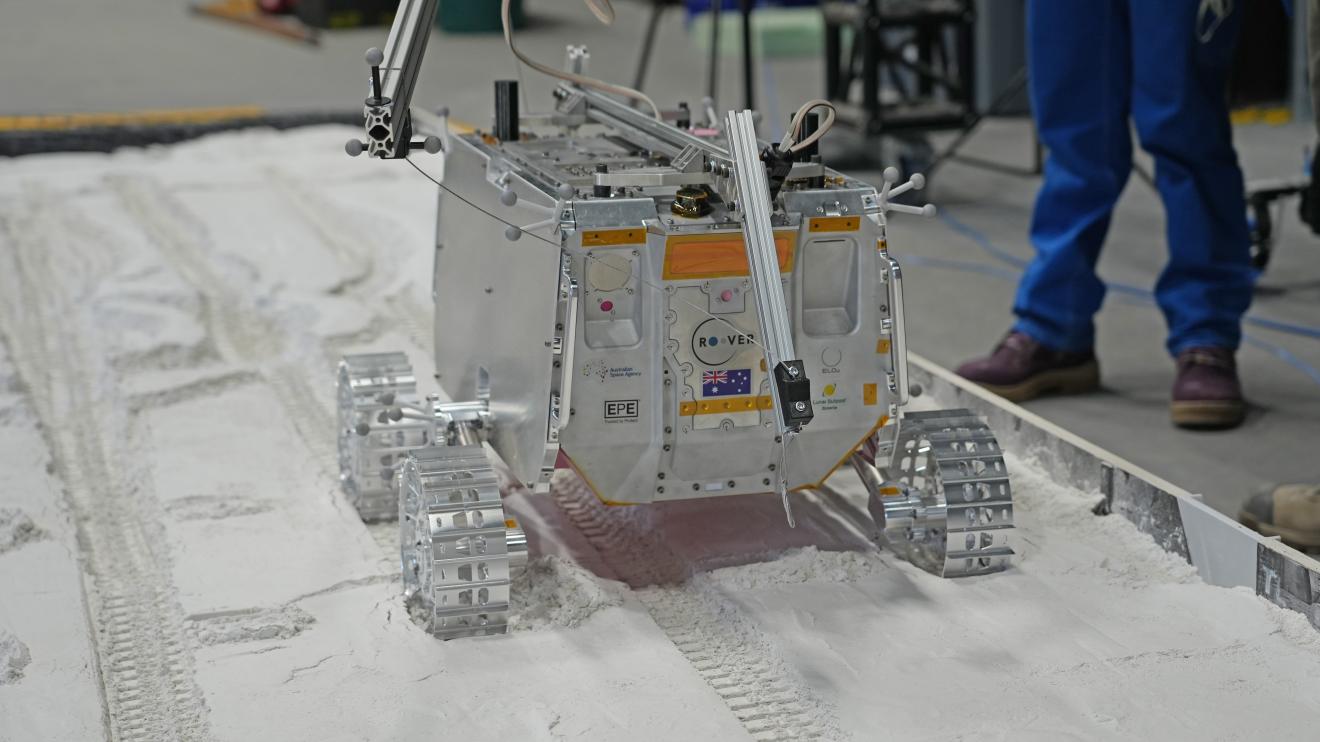
Here’s a recap of some of the key developments and capabilities from July that are shaping Australia’s space industry.
Backed by the Australian Space Agency, the latest edition of the Forum put the spotlight on Aussie space innovations and Indo-Pacific partnerships.
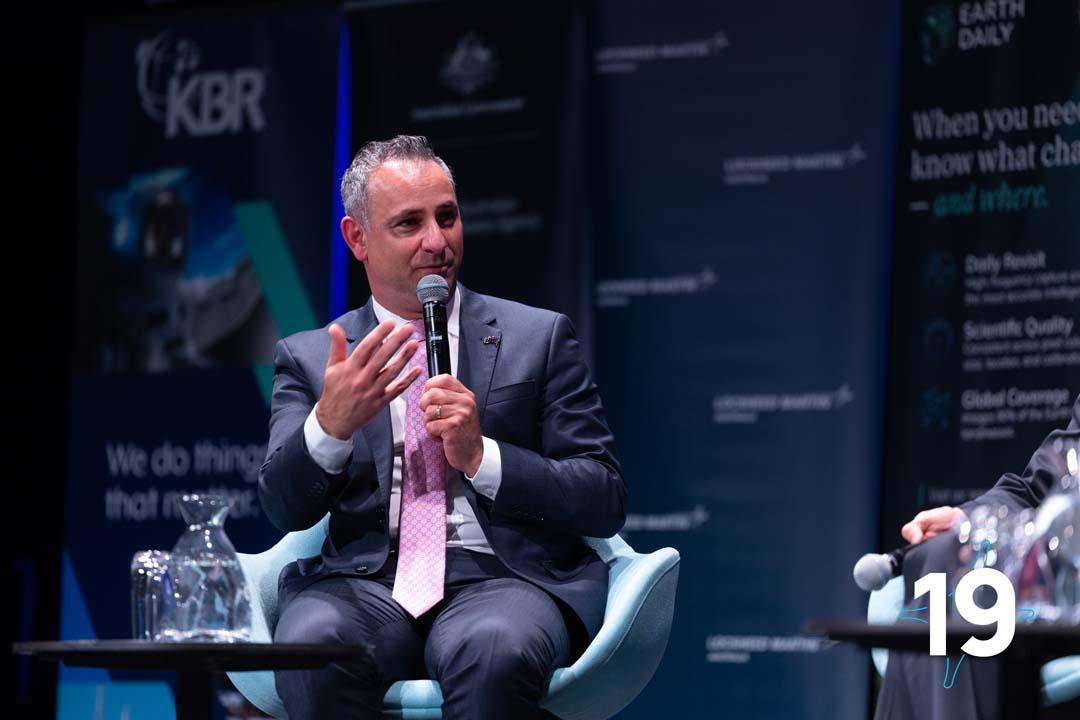
Here’s a recap of some of the key developments and capabilities from June that are shaping Australia’s space industry.
Backing from the National Reconstruction Fund Corporation helps Southern Launch raise $25 million that will scale launch, re-entry and range services in South Australia.
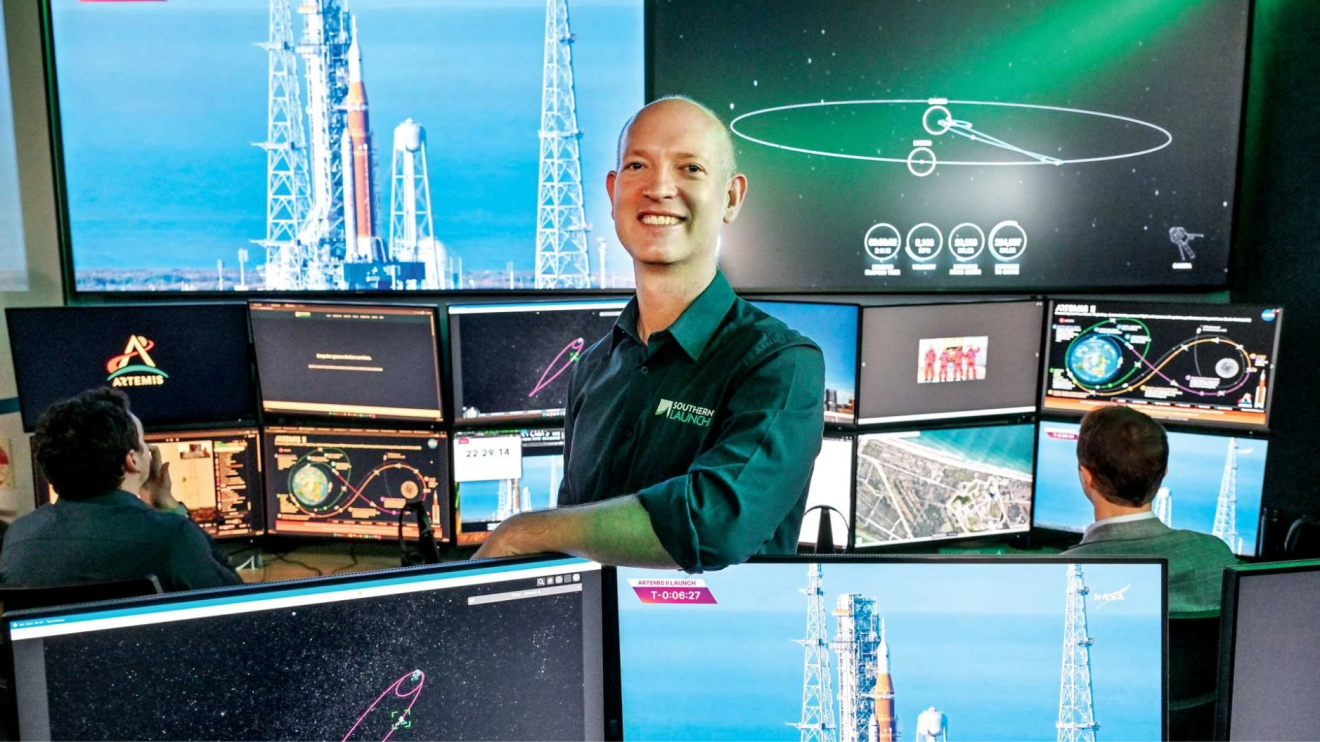
Here’s a recap of some of the key developments and capabilities from May that are shaping Australia’s space industry.
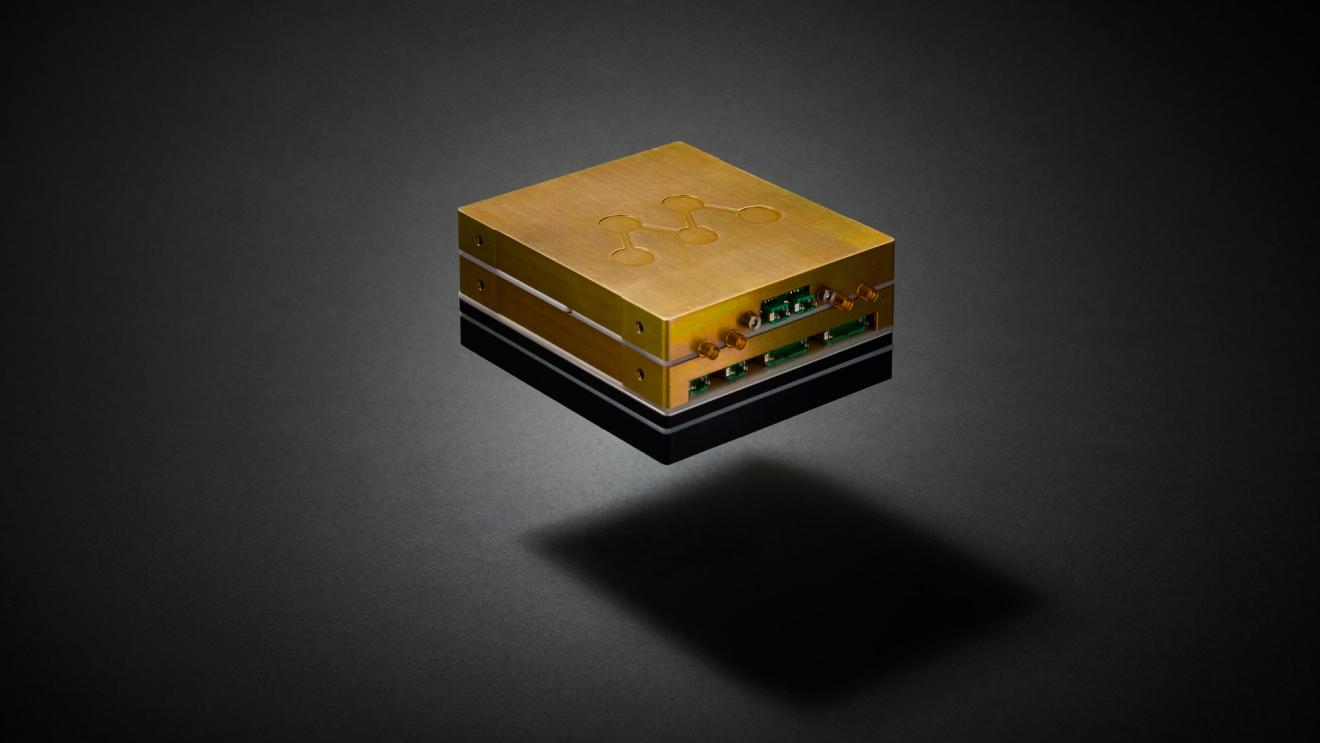
To support space missions with Internet of Things communication, the Aussie company will use space-enabled technology it currently provides on Earth.
Here’s a recap of some of the key developments and capabilities from April that are shaping Australia’s space industry.
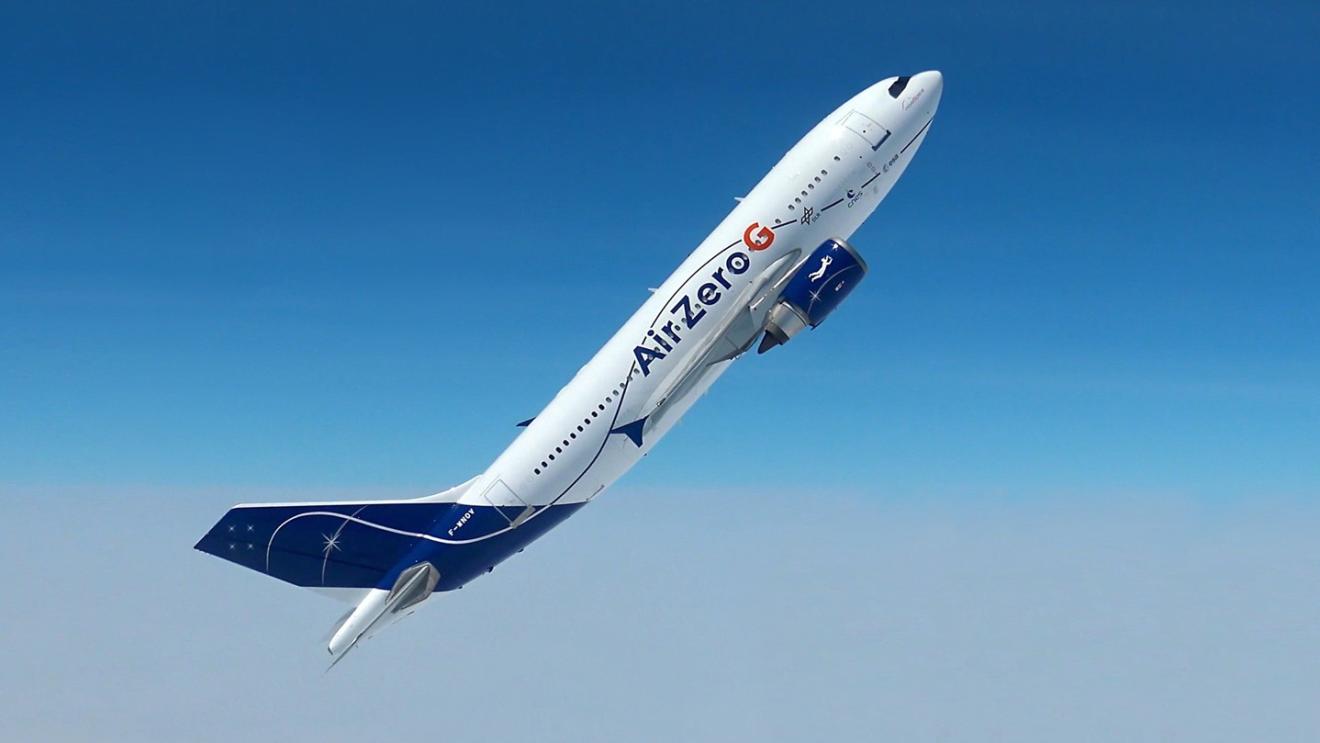
Australia will fly its first zero‑gravity research team in October through a CNES–UWA partnership, positioning Australia as a test bed for space experiments.
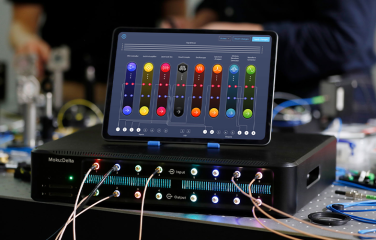
Funding for Canberra‑based Liquid Instruments will strengthen Australia’s national space capability and support future lunar and deep space exploration.
Here’s a recap of some of the key developments and capabilities from March that are shaping Australia’s space industry.
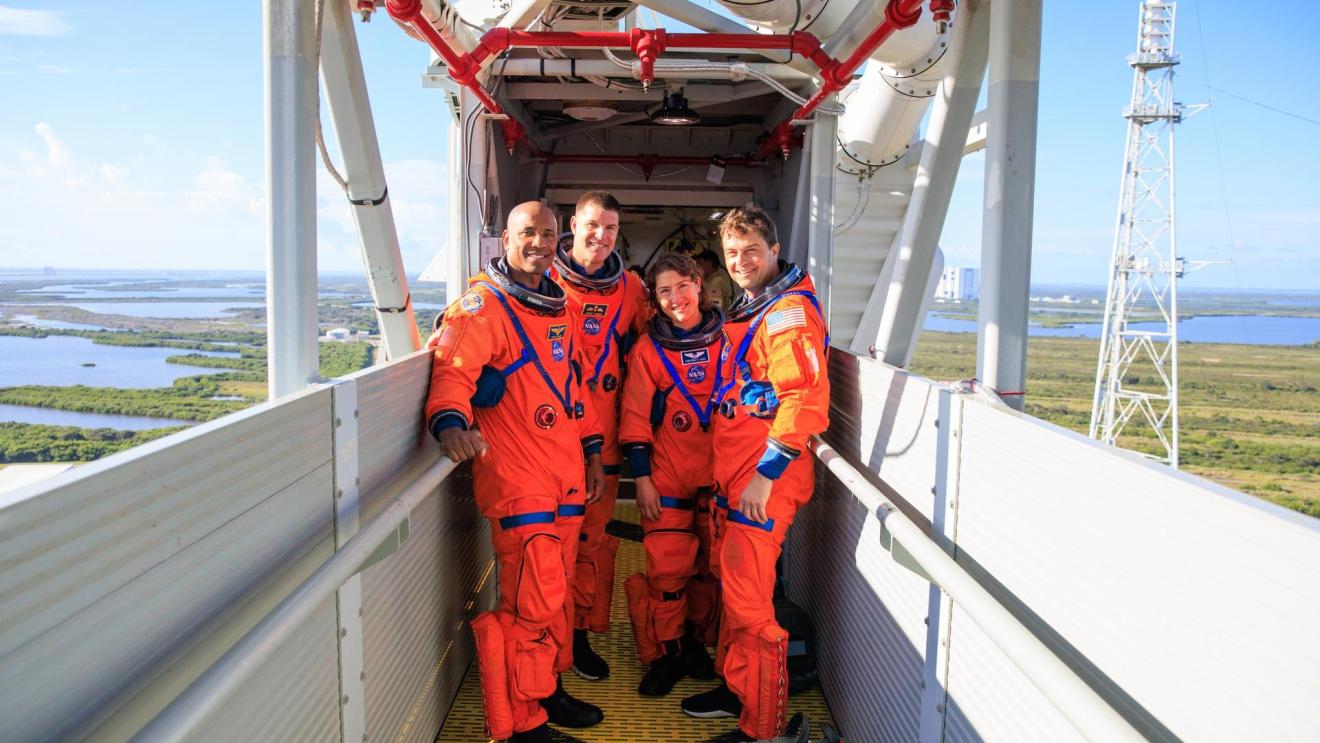
Australia is ready to make its mark as part of NASA’s history-defining Artemis Program.
QuantX Labs launched an optical frequency comb to space — advancing its TEMPO.Space optical atomic clock. This technology is backed by an Australian Space Agency program.
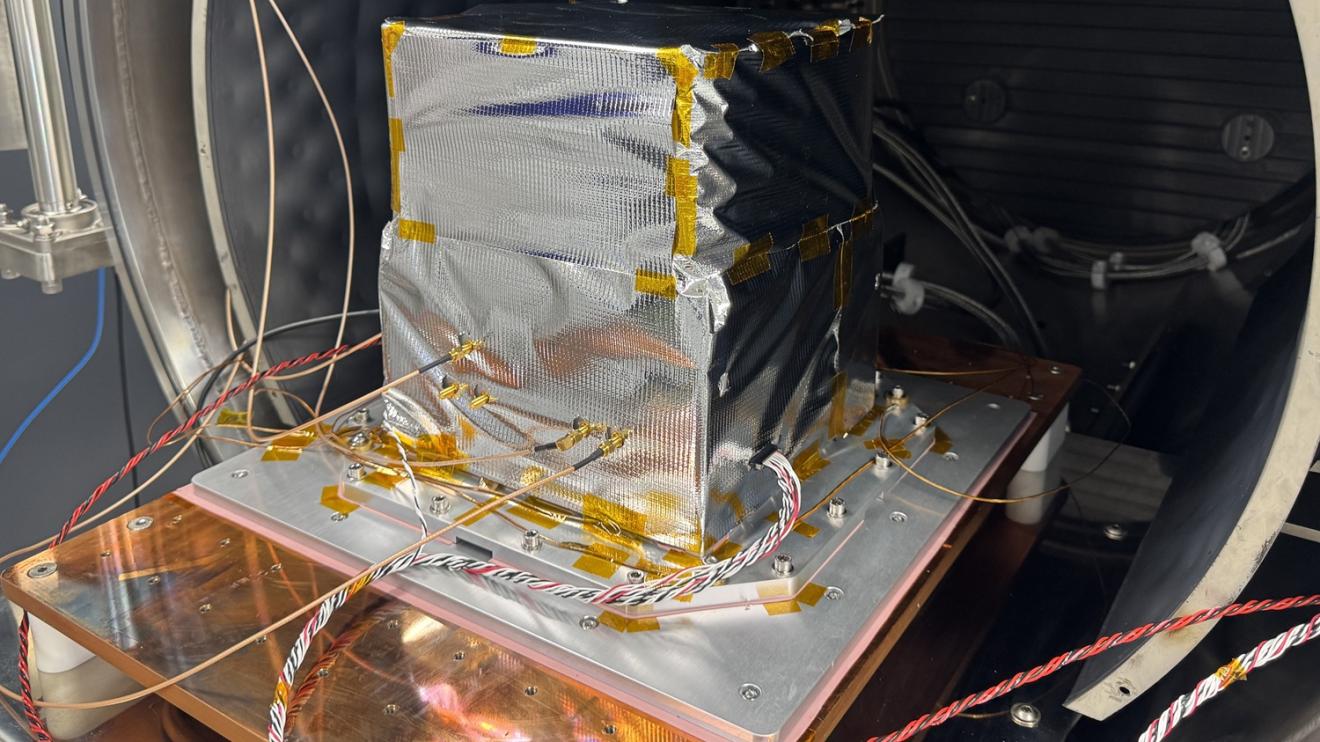
Funding from the National Reconstruction Fund Corporation boosts Advanced Navigation's valuation to more than $1 billion.

Here’s a recap of some of the key developments and capabilities from February that are shaping Australia’s space industry.

Hypersonix’s DART AE completes its first flight, reaching hypersonic speeds greater than Mach 5 after launch from NASA’s Wallops Island in the US.
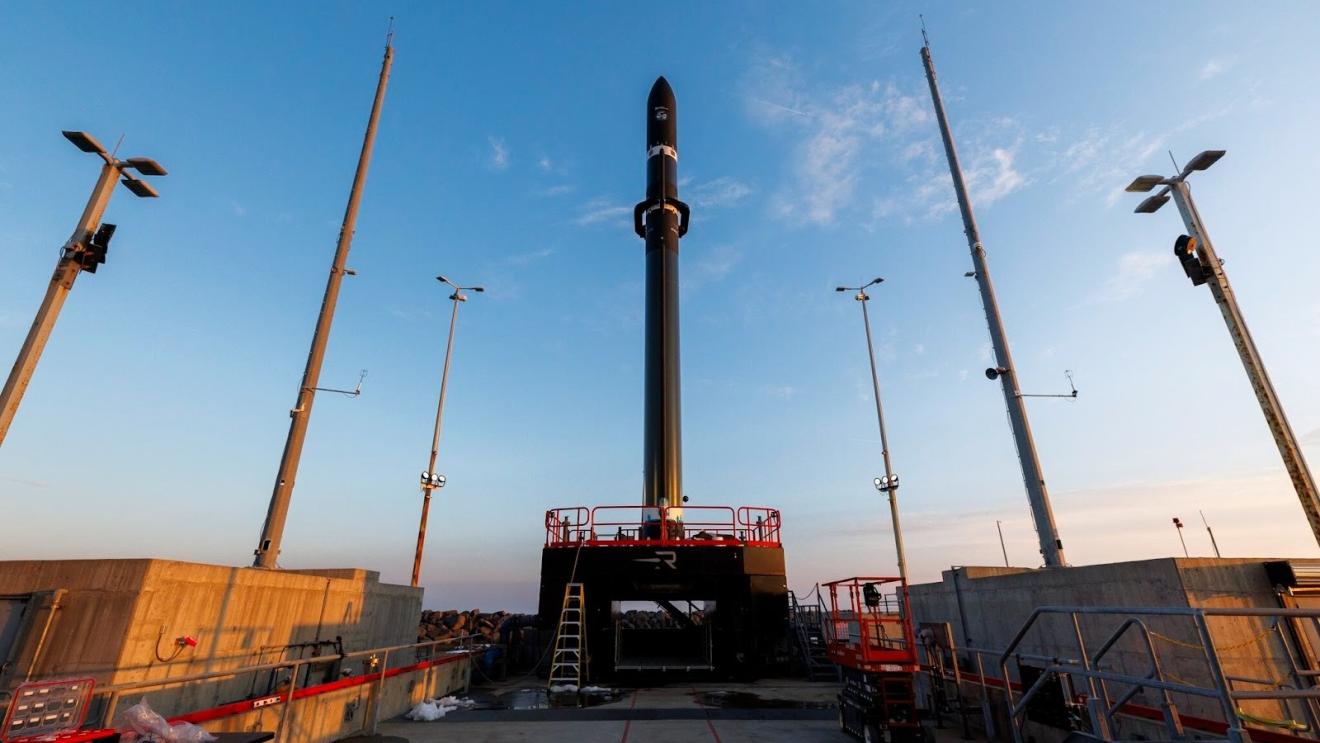
The Australasian Space Innovation Institute announce a $15 million investment that will boost productivity, sustainability and resilience across the nation’s agricultural sector.

The Australian Defence Force announce expansion of space workforce and unveil a new specialist training centre in Canberra.