Launching more space aspirations.
From classrooms across Australia to placements at world-leading space facilities, a growing network of government, research and industry partners is helping the next generation turn inspiration into opportunity.
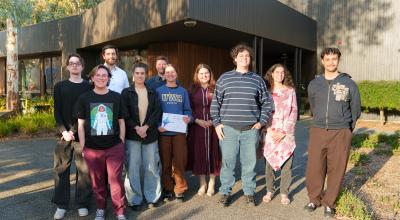
Eight First Nations university students from around the country are taking their talents to the global stage through Monash University’s National Indigenous Space Academy (NISA).
Backed by the Australian Space Agency and additional support from CSIRO, the Andy Thomas Space Foundation (ATSF) and Boeing, NISA is an education program that is now in its fourth edition.
The Agency is the primary supporter of NISA and through its funding support it has enabled six students to gain hands-on experience at NASA’s Jet Propulsion Laboratory (JPL) in the US, while two aerospace engineering students are undertaking placements at the Rutherford Appleton Laboratory near Oxford, UK.
The experience will help the First Nations scholars develop specialist skills, build international networks and explore pathways into space science, engineering and technology.
“Working at JPL proved to me that there is a place for First Nations people in the global space industry.
“Bringing different perspectives and knowledge systems into how we explore and understand space makes way for greater scientific advancement.”
~ Keira Moran, who undertook a 10-week placement as part of NISA's previous edition.
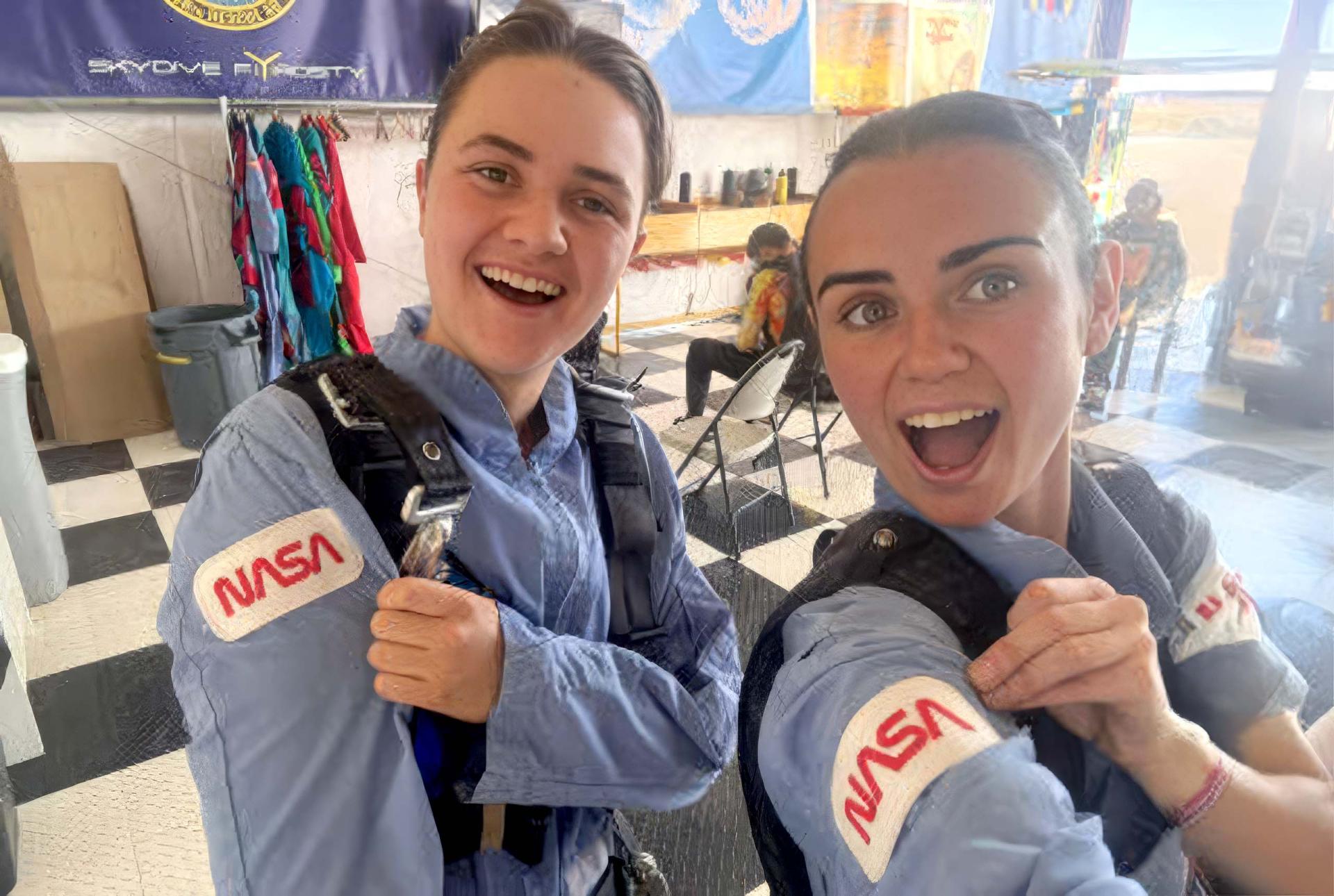
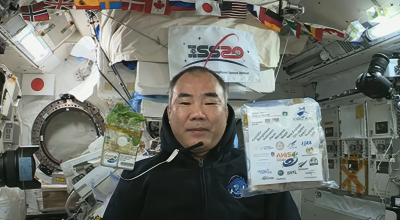
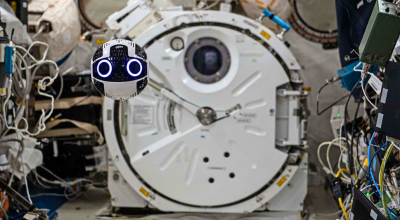
Working alongside scientist and engineer mentors for 10 weeks, the 2026 NISA cohort will contribute to projects such as ocean exploration vehicles and research into microorganisms aboard the International Space Station.
"NISA is a life changing program for the next generation of space explorers."
~ Professor Chris Lawrence, Director of the National Indigenous Space Academy.
A STEM-spirational year opening new pathways into space
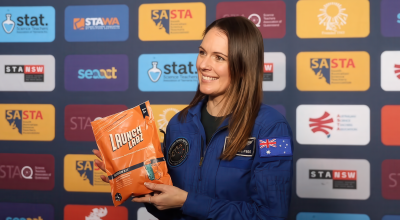
The latest edition of NISA builds on a landmark year for Australian space and STEM outreach, led by astronaut and 2026 Australian of the Year Katherine Bennell-Pegg.
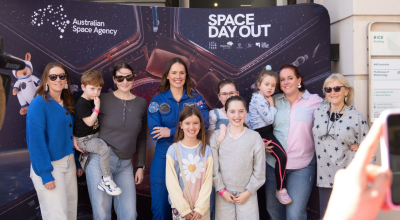
As the first professional astronaut to represent Australia, Katherine has shared her experience with communities, students and industry across the country through a national engagement program developed with state and territory governments and partner organisations.
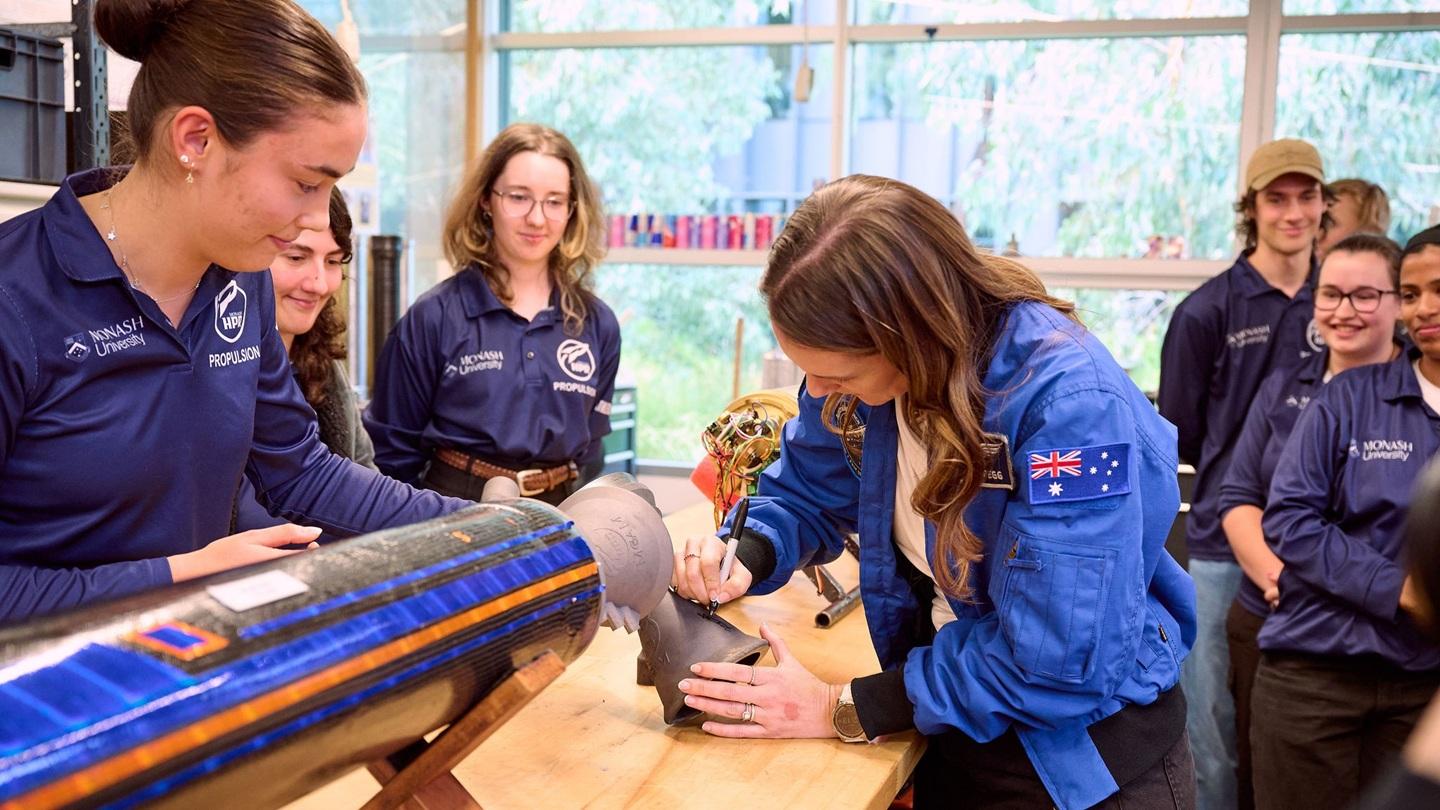
The Aussie astronaut's visit to Monash University in May brought her together with student rocketry teams and underscored the value of programs such as NISA in transforming curiosity into tangible career pathways.
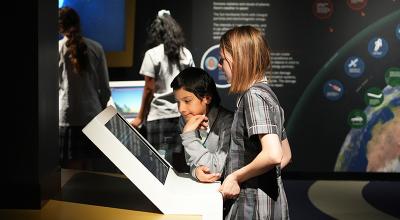
That momentum extends to younger Australians – inspiring students through space to explore, question and imagine where STEM could take them.
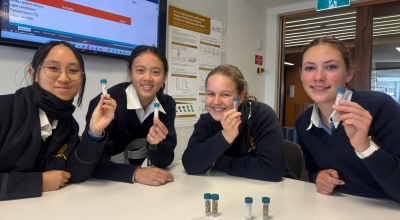
This includes Mission Sprouts, which is expected to reach 100,000 students nationwide.
Industry support helps shape the future workforce
Helping build the diverse, highly skilled workforce needed to support a growing national space sector.
NISA demonstrates what can be achieved when government, universities, research organisations and industry invest together in emerging talent.
Alaxandrea O’Brien, a proud Dulgubarra-Mamu and Jirrbal woman from the University of Western Australia, was announced as the recipient of the Andy Thomas Space Foundation Women’s Leadership NISA Scholarship.
Joining her at JPL is Jordan Roulstone, an engineering and IT student from Queensland University of Technology, who was named the inaugural Boeing NISA Scholar. A proud Warumungu man, Jordan is interested in the application of AI to meteorology and space exploration.
This time last year at the 76th International Astronautical Congress in Sydney, which was co-hosted by the Australian Space Agency, UK’s Science and Technology Facilities Council (STFC) and Monash University signed a new NISA partnership.
This support gives students access to expertise, facilities and professional networks at the UK’s national space laboratory that would otherwise be difficult to reach.
The collaboration aligns with the UK-Australia Space Bridge Framework Arrangement, which aims to strengthen connections, exchanges and investment across both countries’ space sectors.
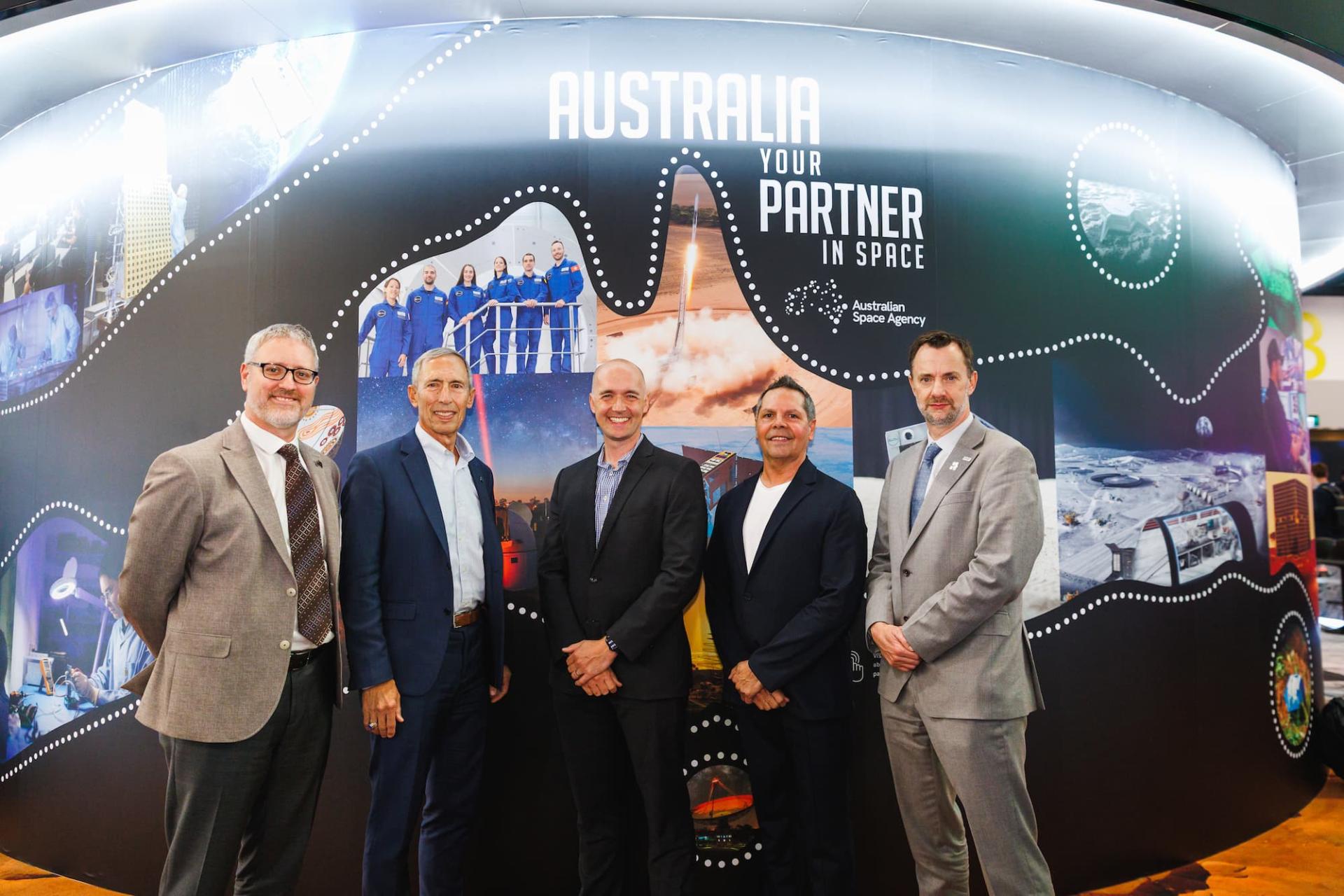
For industry, an Australian-led program such as NISA provides an opportunity to help shape the capabilities and workforce the sector will need in the future.
For students, it offers something equally important: the opportunity to see themselves contributing to global space exploration.
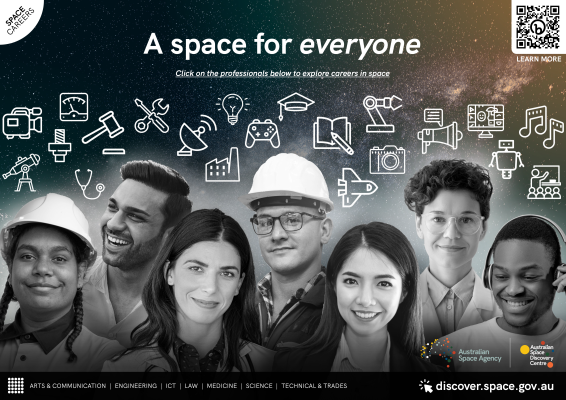
Space career booklet
This resource covers all the space careers we talk about online, and can be downloaded by students, teachers or parents to read, share or use in the classroom.
Which space career is right for you?
Navigate a day on the Moon in our short interactive quiz to find out which role best suits your strengths.
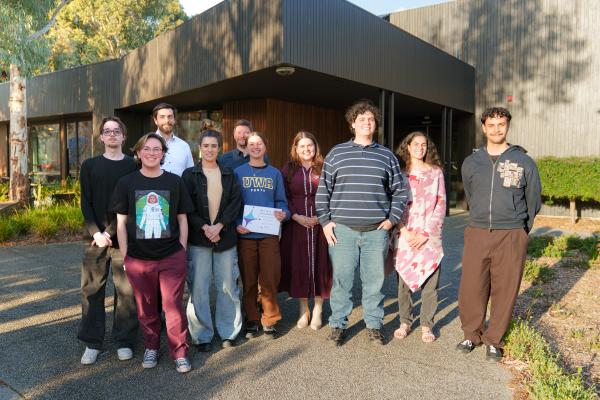
Main image: The NISA 2026 cohort that will travel NASA along with industry partners from the Andy Thomas Space Foundation and Roo-ver consortium.
Credit: Monash University