Here’s a recap of some of the key developments and capabilities from August that are shaping Australia’s space industry.
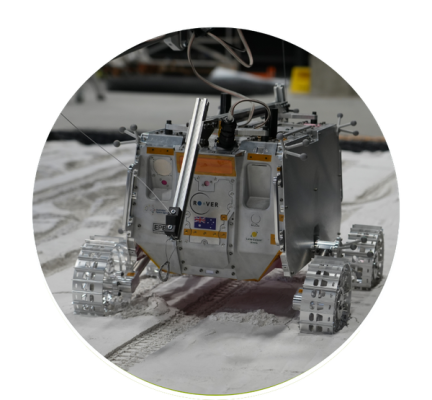
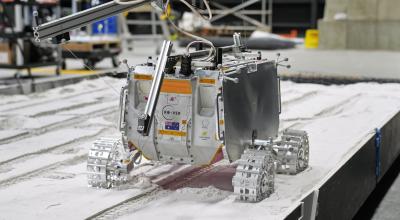
Australia's first lunar rover, Roo-ver, has begun critical mobility testing marking a major technical milestone on its path to a NASA CLPS mission to the Moon’s South Pole region in 2030.
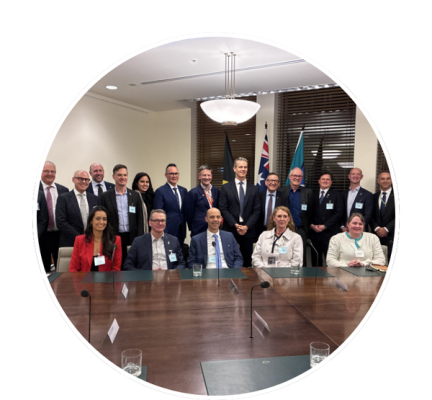
Assistant Minister Dr Andrew Charlton convened a Space Industry Association of Australia-facilitated industry- roundtable to discuss the recently released Statement on Space.
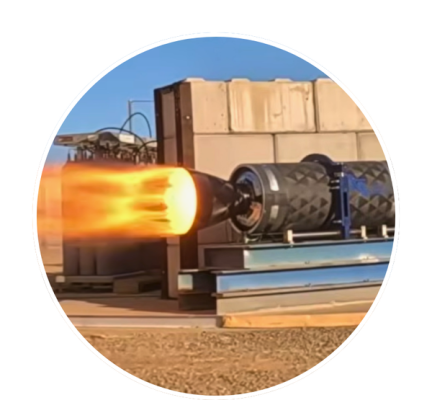
Gilmour Space Technologies completed a 116 second mission duration hot-fire test of its upgraded Sirius hybrid rocket engine at Bowen Orbital Spaceport – validating improvements ahead of the next Eris launch.
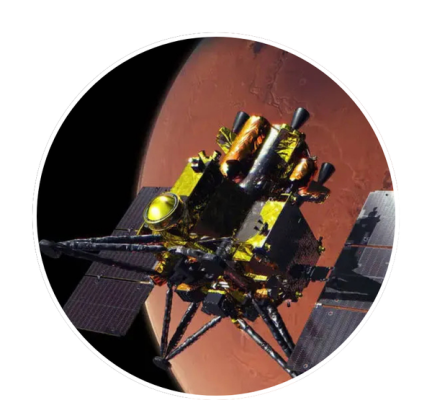
The Japan Aerospace Exploration Agency has announced its Martian Moons eXploration mission will launch next month, with historic samples from Phobos planned to return to South Australia in 2031.
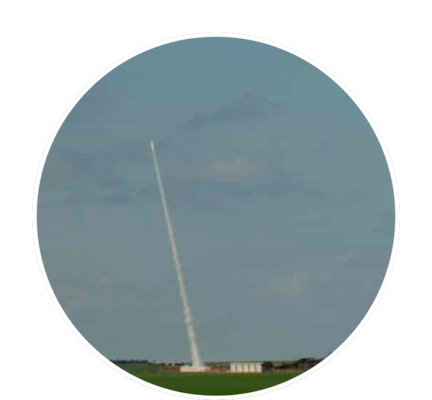
The first successful test flight of a fully Australian-designed and manufactured advanced solid rocket motor took place at the Southern Launch operated Koonibba Test Range in South Australia.
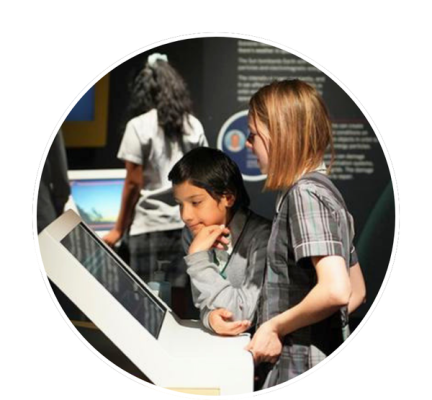
Making more space for schools: The Australian Space Discovery Centre is boosting its educational programs to inspire the next generation of scientists, engineers and innovators with its new operating model.
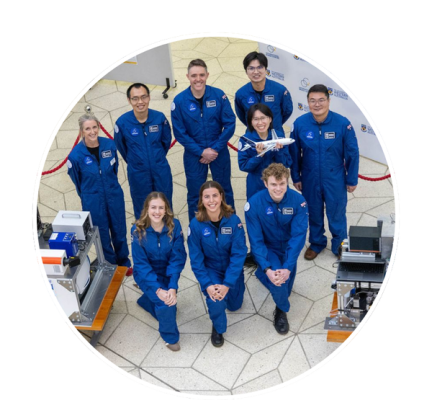
Researchers from the University of Western Australia will conduct a zero-gravity test aboard Novespace’s Airbus A310, exploring chemical reactions to advance space-based resource production.

The Australian Defence Space Command and the Royal New Zealand Air Force endorsed a Space Vision Statement, strengthening Anzac cooperation and supporting outcomes across the space domain.
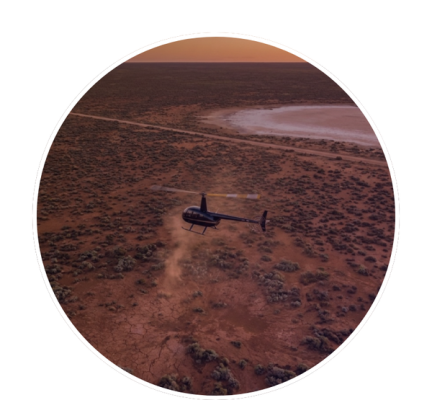
The Western Australian Government has advanced plans for its own spaceport by awarding Perth-based Space Angel a $1.75-million grant for site assessments, approvals and business case development activities.
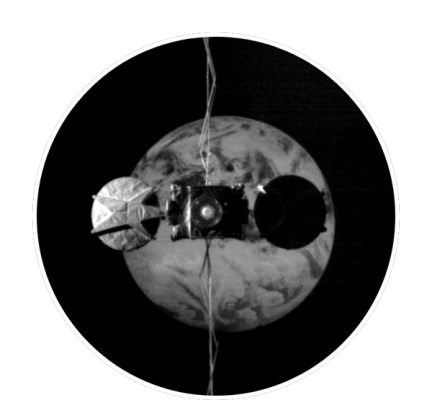
Northrop Grumman’s Mission Extension Vehicle 1 undocked from Optus’ Australian satellite, demonstrating life-extension services that enhance mission longevity and advance sustainable in-orbit satellite operations globally.
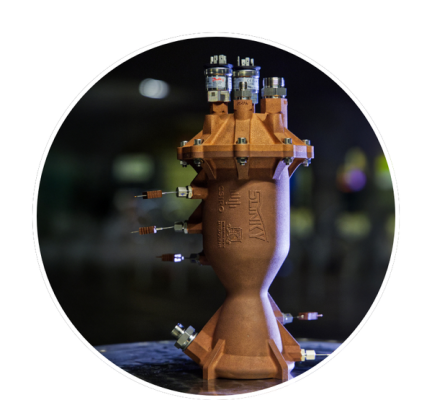
Slinky, the rocket engine made by students from the University of Melbourne with the help of researchers from CSIRO, was successfully fired at Race2Space, one of the world’s premier student rocketry events.
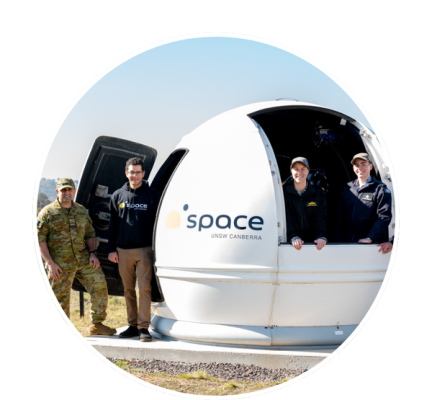
The Australian Defence Force has partnered with the University of New South Wales to trial the Viper telescope to improve monitoring and understanding of activity in Earth’s orbit while strengthening Australia’s space domain awareness capability.
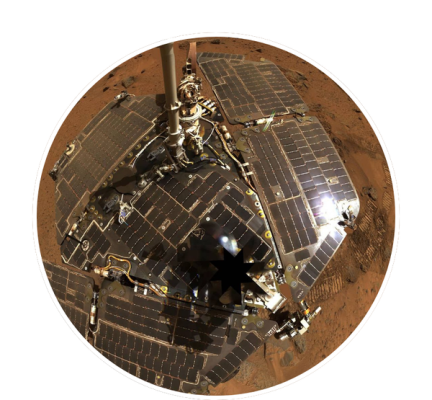
A researcher at Edith Cowan University has identified new evidence suggesting large areas of Mars may once have been covered by water, more than two decades after the data was originally collected by NASA’s Spirit Rover.
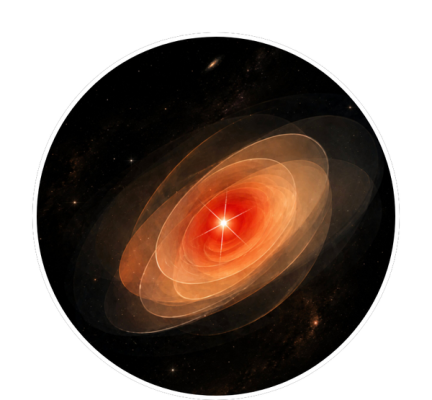
A study co-authored by a researcher from The University of Western Australia and The Australian National University suggests universe’s mysterious “little red dots” may be early supermassive black holes revealing how the first stars and galaxies formed.
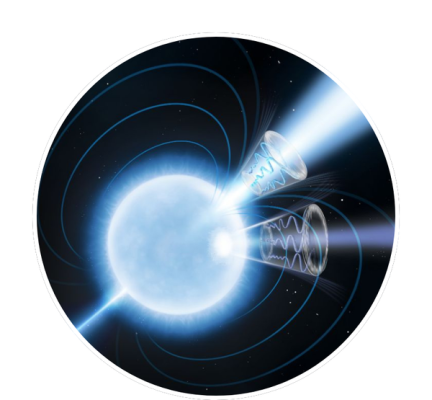
International researchers, including an astronomer from Swinburne University of Technology, may have just confirmed one of the quirkiest aspects of quantum mechanics: that seemingly empty space can alter the behaviour of light.
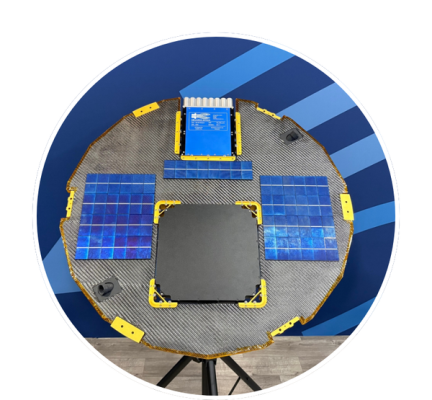
Neumann Space signed a commercial licence agreement with The Aerospace Corporation, combining DiskSat architecture and Neumann’s Flatypus propulsion for scalable next-generation commercial space missions.
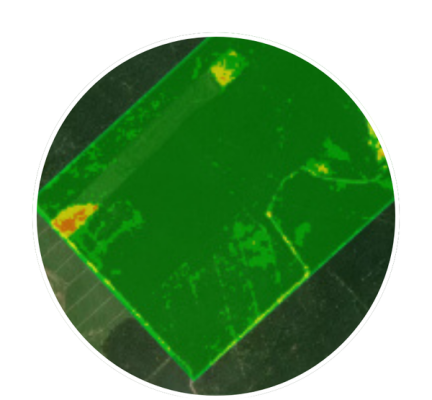
Connecting space and soil: LatConnect 60 has partnered with Singapore-based Phi Earth Technologies to connect satellite observations and field data to strengthen insights for nature, investment and carbon projects.
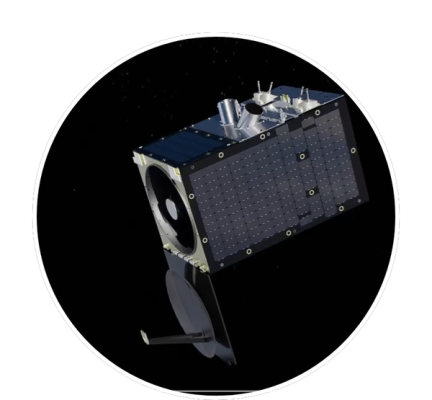
Strengthening space domain capabilities: HEO has announced a partnership with Planet to further enhance its high-resolution SkySat satellite constellation. The partnership expands HEO's sensor network to more than 50 in-orbit sensors.

Get in touch
The Australian space industry is invited to share with us their recent developments.