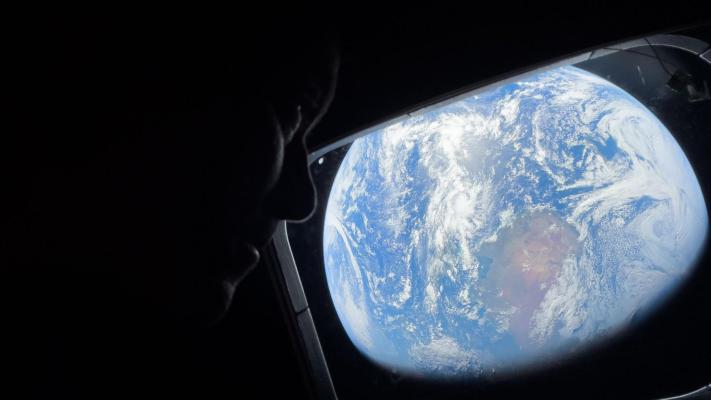
Here’s a recap of some of the key developments and capabilities from May that are shaping Australia’s space industry.
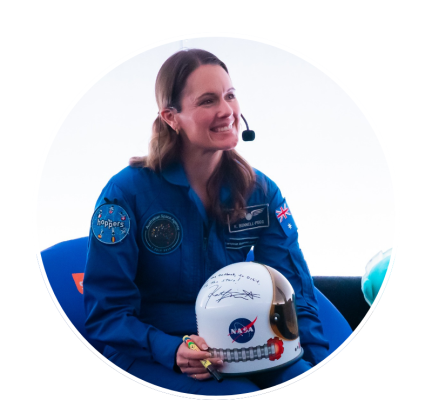
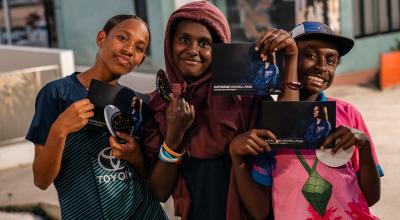
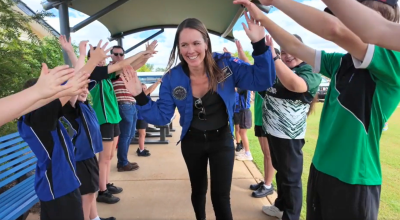
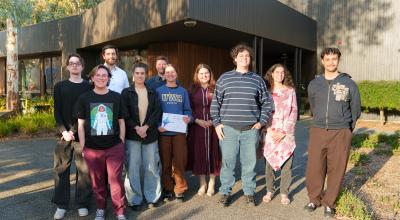
Australian astronaut Katherine Bennell-Pegg has been visiting states and territories, empowering students and communities, and promoting Australia's space sector.
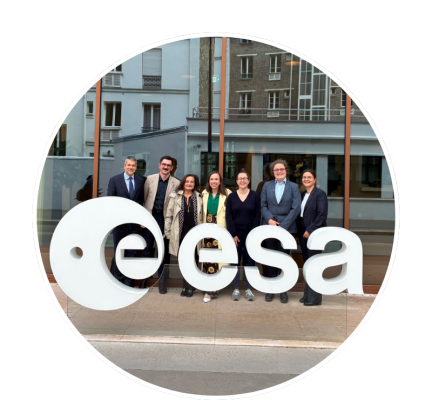
Australian Space Agency-led discussions advanced work on a treaty-level Cooperative Agreement with the European Space Agency.
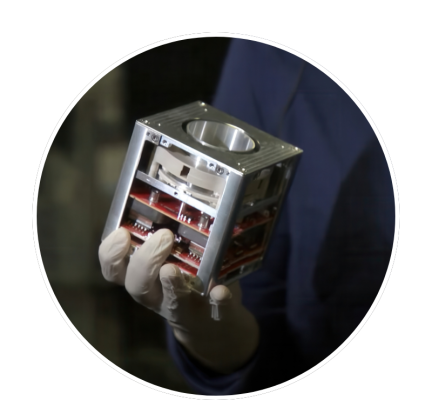
Neumann Space has successfully completed an in-orbit demonstration campaign for the latest version of its electric thruster, which uses solid metal as propellant.
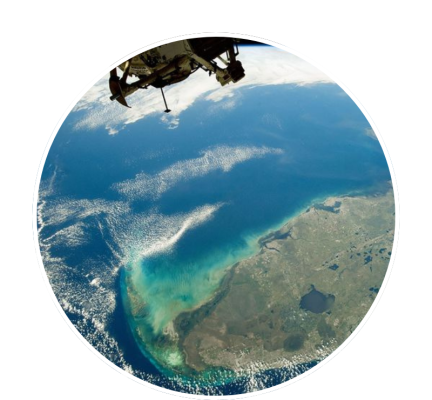
Researchers from Adelaide University and the SmartSat Cooperative Research Center demonstrated NASA and IBM’s open-source model.
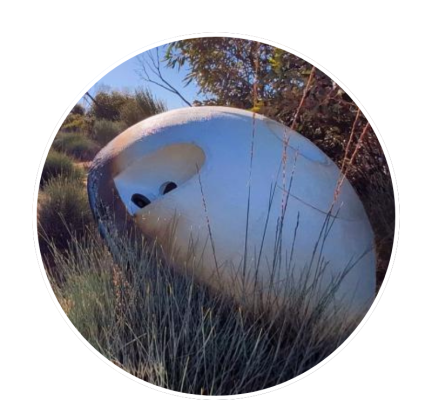
Varda’s W-6 space capsule safely landed at Southern Launch’s Koonibba Test Range in regional South Australia.
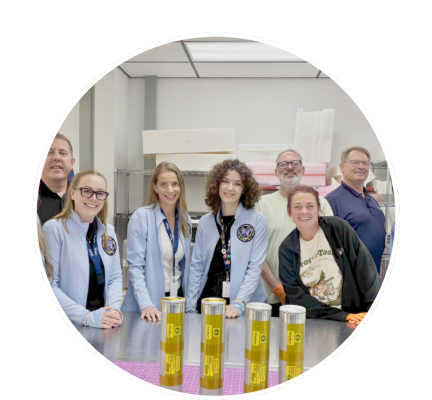
Two plant science payloads led Swinburne University of Technology have been successfully docked and integrated in space.
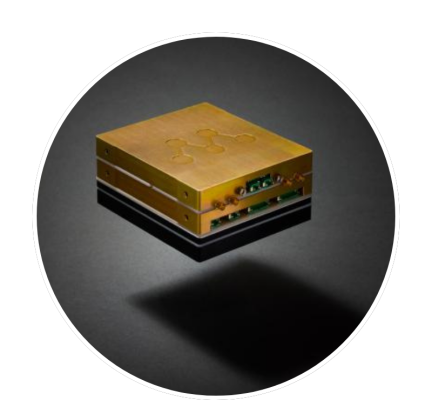
To support space missions with Internet of Things communication, Adelaide-based Myriota will use space-enabled technology it currently provides on Earth.
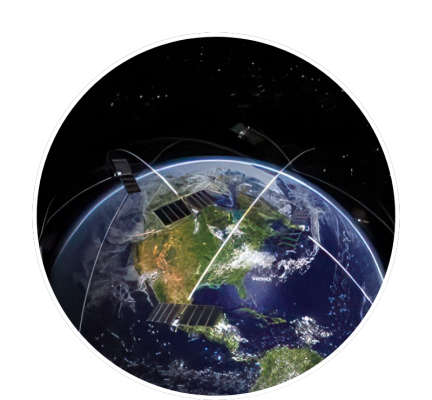
A collaboration between Macquarie University and Republic of Korea will bring AI and machine learning directly onboard LEO satellites.
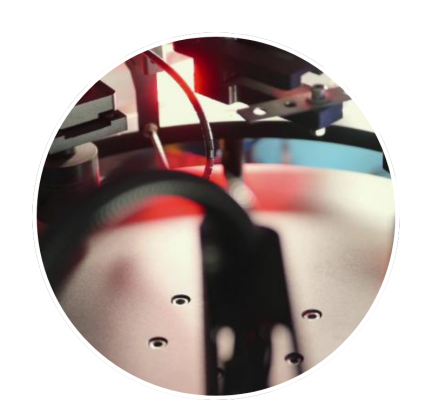
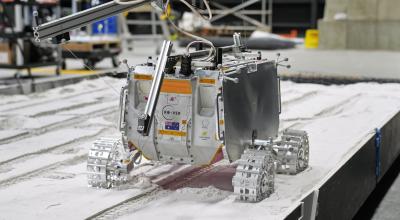
The Australian Institute for Machine Learning will develop advanced, vision-based positioning and navigation technologies for lunar exploration.
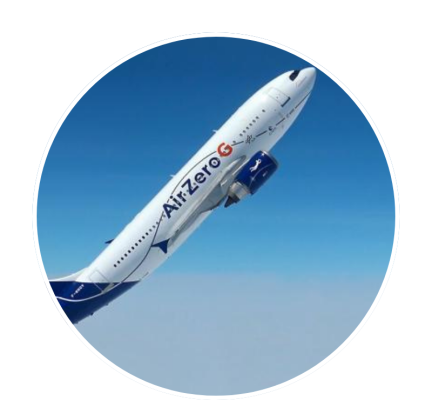
A new tie-up between the French Space Agency and The University of Western Australia will showcase Australia’s growing role in space experiments.
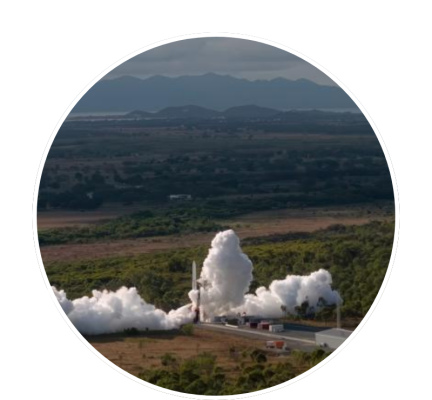
Backed by Australian Retirement Trust, Gilmour Space Technologies secured $14.2 million investment, extending the startup’s $1 billion valuation.
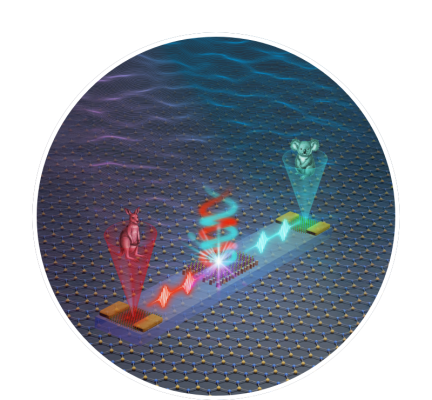
Researchers from Monash University have developed a nanoscale circuit that can generate, direct and read light-based information, all on a single chip.
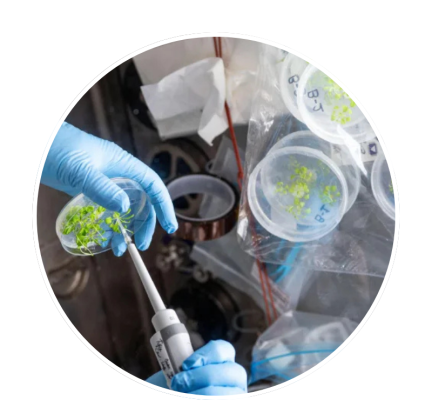
The ARC Centre of Excellence in Plants for Space and Adelaide University have joined the Axiom Space University Alliance.
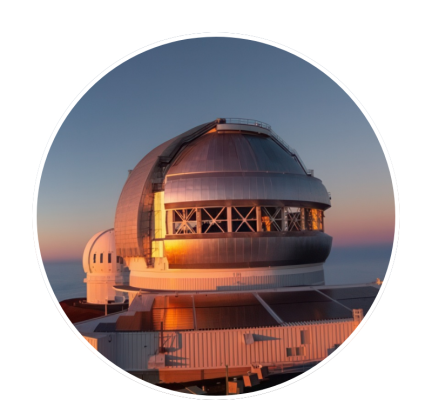
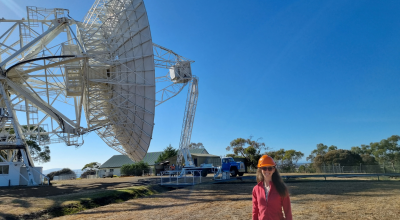
Macquarie University engineers are helping one of the world’s most powerful telescopes view the universe more clearly.
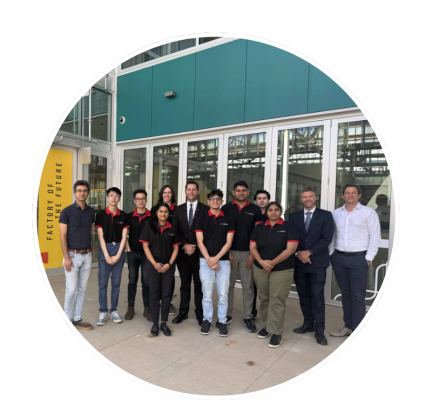
Artificial intelligence company AICRAFT is developing advanced technology to support future spaceborne radar systems.
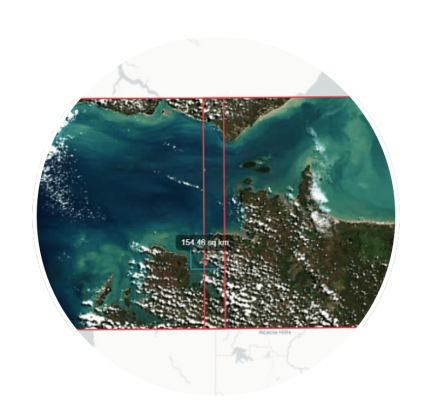
Spiral Blue and Arlula have partnered to strengthen sovereign space-based LiDAR capability for defence, intelligence and critical infrastructure applications.
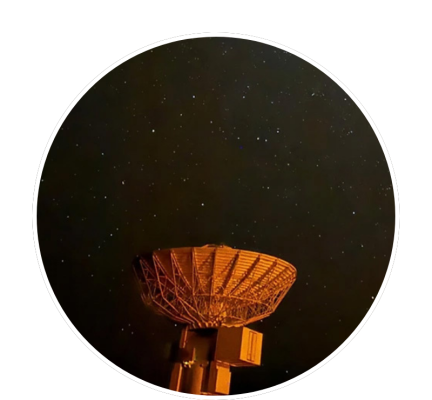
Elements of the Deep Space Advanced Radar Capability have been deployed, deepening Australia-US space cooperation.
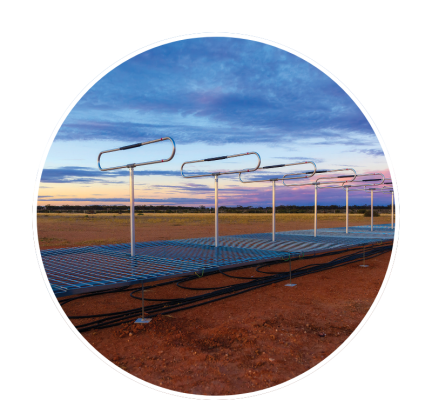
Silentium Defence opened a new headquarters in the US. Its Oculus Observatory provides the widest field of view of objects in Low Earth Orbit.
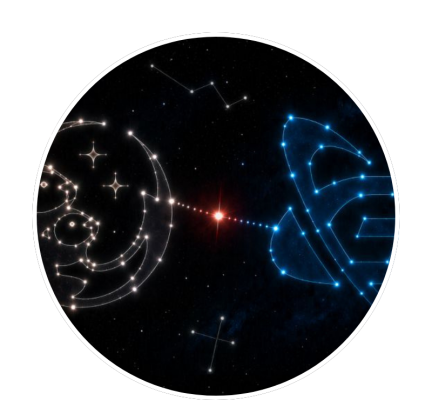
Gilmour Space Technologies has been selected as the docking partner for Starfish Space's Otter Pup 2 mission.
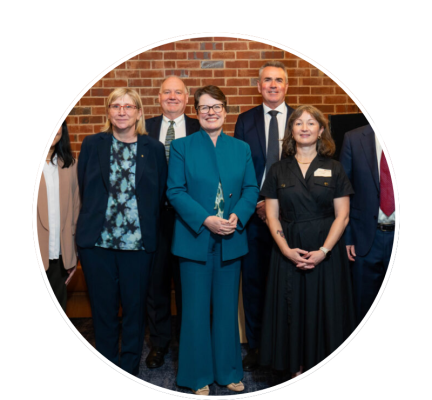
New quantum training centre at Adelaide University to strengthen Australia’s future defence and technology workforce.
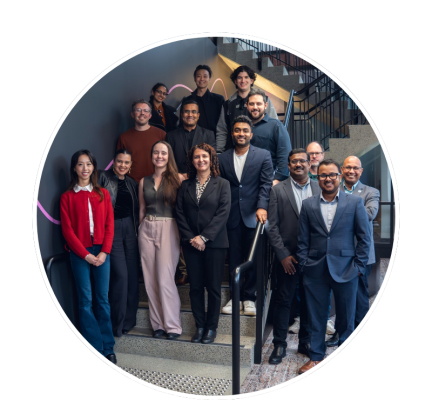
2026 Venture Catalyst cohort welcomes 14 startups working across space and defence, climate, health, artificial intelligence, and AgTech.
Get in touch
The Australian space industry is invited to share with us their recent developments.